
Endura Tri Clothing
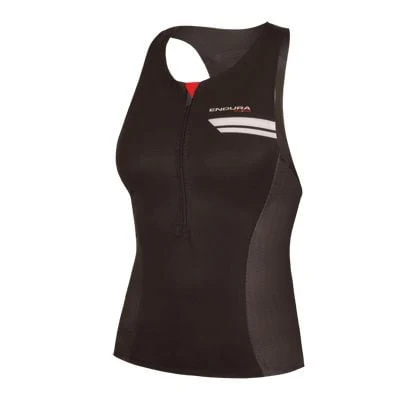
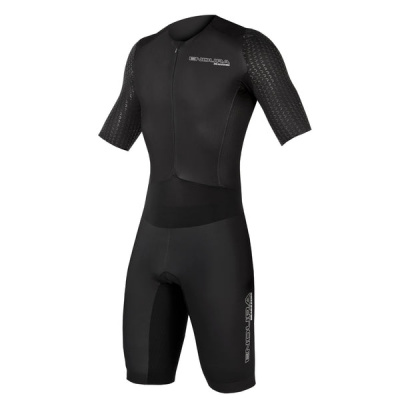
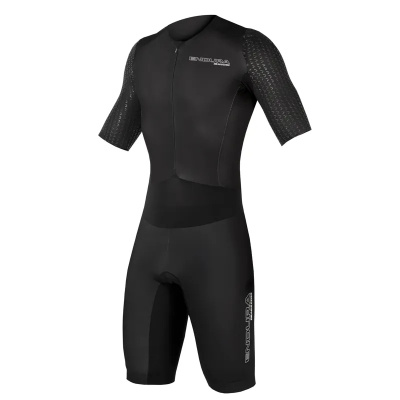
Endura tri clothing is engineered where wind tunnels meet open-water starts - a range that takes aerodynamic drag seriously without forgetting you've still got a run to finish. At the heart of it sits the QDC Drag2Zero technology, developed in collaboration with aerodynamicist Simon Smart and refined through wind-tunnel testing to deliver measurable drag reduction on the bike. That's not marketing shorthand; it's the same aero science underpinning elite time-trial racing, applied to suits and tops you can race in from the moment the hooter goes.
Quick-drying fabrics are central to how this range works in practice. Climbing out of a cold UK reservoir at 7am and then riding 40 kilometres into a headwind is a specific kind of miserable if your kit is still saturated. Endura's moisture-wicking construction and water-repellent CVP chamois pull moisture away fast, keeping core temperature stable through that critical bike leg. Coldblack® technology adds UV protection and reflects heat from dark fabrics - genuinely useful once the summer race calendar heats up. Whether you're racing a sprint at your local club event or pushing through a half-iron distance, the Endura triathlon suits, tops, and shorts are designed to work across the full swim-bike-run picture without compromise.
Prices and availability can change quickly. Delivery charges are not always included in listed prices.
Final price, stock status and delivery terms are set by retailer. We may receive a commission on purchases made.
Fabric Tech: How Endura Handles the Swim-to-Run Demand
The QDC Drag2Zero system is what separates Endura's aero offering from generic tri kit. Developed with Simon Smart - the aerodynamicist behind several Tour de France-winning bike designs - it uses Surface Silicone Topography (SST) to manipulate the boundary layer of air moving across the suit. Think of it like the dimples on a golf ball: those raised silicone ridges trip the airflow in a controlled way, reducing the drag coefficient where it matters most on the bike. The result is a suit that's genuinely faster through the air, not just tighter-fitting.
Below the waist, the Continuously Variable Profile chamois - CVP for short - is a proper piece of engineering. It's water-repellent and designed to drain and dry quickly after the swim, so you're not sitting on a waterlogged pad for the entire bike leg. The profile stays low enough that it doesn't interfere with your running stride in T2. That's a real trade-off in tri-specific chamois design: too thick and it cushions the bike nicely but makes the run feel odd; too thin and the saddle time becomes a problem. Endura has calibrated it toward the run-friendly end without abandoning saddle comfort entirely.
Coldblack® technology works by reflecting solar radiation rather than absorbing it - dark fabrics can heat up significantly under race-day sun, pushing your core temperature up before you've even hit the run. It also offers UV protection, which matters on exposed bike courses. For a mid-July sprint triathlon or an open-water event in the south of England, that thermal management adds up over the course of a race effort.
Fit, Range, and Choosing Your Setup
Tri suits need to fit like a second skin. Not uncomfortably so, but with zero excess fabric - any bunching or looseness creates drag pockets on the bike and potential chafe points on the run. Standing in an Endura tri suit, you'll notice strong compression; that's correct. What matters is that when you drop into an aero tuck, or open your stride on the run, the suit moves with you rather than against you. If it feels restrictive in a static position but frees up under movement, that's the fit working as intended.
The choice between a one-piece tri suit and a two-piece setup of separate Endura triathlon shorts and an aero tri top is largely about distance. One-piece suits are faster in transition and maintain a cleaner aero silhouette on the bike - ideal for sprint and Olympic distance where every second counts. Two-piece options give you flexibility for longer events, particularly around the practical realities of a 90-kilometre bike leg. If you're racing half or full iron-distance, the ability to adjust kit independently is worth the marginal transition cost.
It's worth noting: if you're after pure time-trial aerodynamics without swim or run functionality - no quick-dry requirement, no multi-sport chamois - then Endura skinsuits are built specifically for that purpose and optimised differently.
Racing in the UK: Practical Decisions Before the Start Line
British triathlon throws conditions at you that race-day photos rarely show. An early morning open-water swim in a Yorkshire gravel pit in May is cold, and the wind on the bike can strip heat fast once you're wet. A well-fitted tri suit handles the swim, but pairing it with Endura arm warmers for the bike leg is a straightforward way to manage that temperature drop without compromising T2 speed - arm warmers roll off in seconds. For early-season events where the forecast is genuinely grim, a lightweight Endura gilet tucked into your back pocket adds a useful layer of wind protection on the bike without much bulk.
Protection for your eyes and head matters too - a proper aero Endura helmet works in concert with the suit's drag reduction, and Endura sunglasses keep road spray and low sun off your face through the bike leg.
On care: the SST silicone ridges and the CVP chamois's water-repellent treatment are both vulnerable to harsh washing. Use a cool, gentle machine cycle - 30°C maximum - with a specialist sports detergent. Skip fabric softener entirely; it coats the fibres, kills moisture-wicking performance, and degrades the silicone topography over time. Turn the suit inside out before washing to protect the outer surface. Hang to dry rather than tumble-drying. It sounds fussy, but it genuinely extends the life of the technical treatments and keeps the kit performing as it should race after race.
Endura Tri Clothing FAQs
How tight should an Endura tri suit fit?
It should fit like a second skin - fully compressive, with no bunching or loose panels anywhere. Standing still it'll feel firm, but that's the point. In an aero tuck or running stride it should move freely with you. Any excess fabric creates drag on the bike and friction on the run, so snug is correct here.
Can you wear a tri suit for the whole triathlon?
Yes, that's exactly what tri suits are designed for. The quick-drying fabrics and water-repellent CVP chamois mean you go straight from the swim into the bike without changing. The chamois provides enough saddle cushioning for the ride while staying low-profile enough that it doesn't affect your running stride in the final leg.
What is the difference between a tri suit and a cycling skinsuit?
The chamois is the key difference. A tri suit uses a thinner, quick-drying pad that works across swimming, riding, and running - it drains fast and doesn't bulk up on the run. A cycling skinsuit has a thicker, bike-specific chamois built purely for saddle comfort. Skinsuits also don't use chlorine- or salt-water-resistant fabrics, so they're not suited to multi-sport use.