
EBCO E-Bikes
EBCO e-bikes were never an afterthought - the brand was built from scratch as a dedicated electric bike company, not a traditional manufacturer that retrofitted a motor and called it done. Designed specifically for British roads and the realities of daily riding, that focus shows in the details: pre-fitted mudguards, sturdy pannier rack compatibility, and integrated lighting that you won't have to source separately. It's the kind of spec that makes sense the moment you're locking up in the rain outside the office.
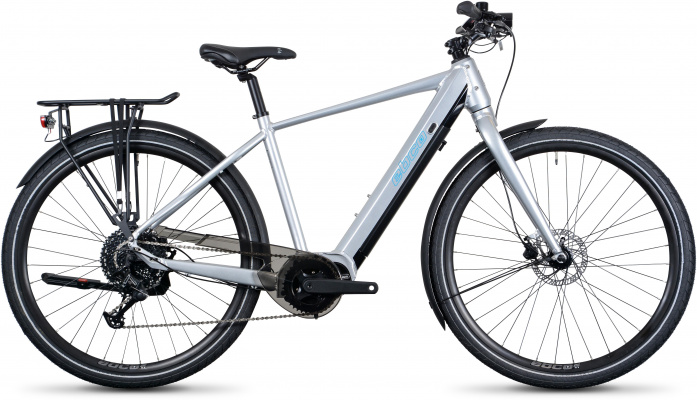
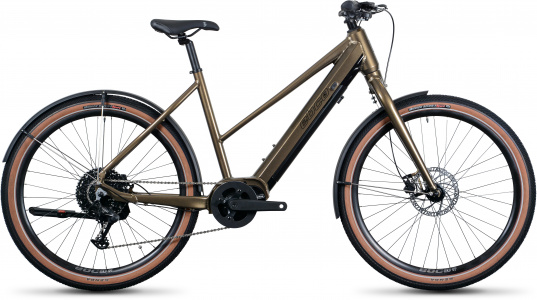
EBCO's approach to the chassis is similarly considered. Hydroformed alloy frames are specifically reinforced to give step-through designs the stiffness they'd otherwise lack - so you're not sacrificing handling for easy mounting. Computer-aided ergonomic geometry keeps you in an upright, fatigue-free position, which matters when you're threading through traffic rather than chasing a Strava segment. For the drive systems, EBCO partners with Bosch and Bafang rather than developing in-house motors, which means proven, serviceable pedal assist technology with a wide support network across the UK. Whether you need a low step-through frame for daily commuting in work clothes or a more capable trekking model for weekend canal paths, there's a model built around your mileage. Browse the full EBCO range below and compare prices.
Prices and availability can change quickly. Delivery charges are not always included in listed prices.
Final price, stock status and delivery terms are set by retailer. We may receive a commission on purchases made.
Decoding the EBCO E-Bike Lineup
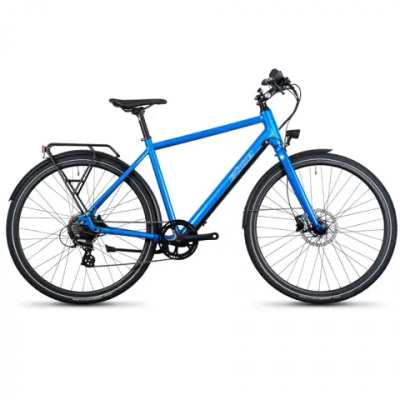
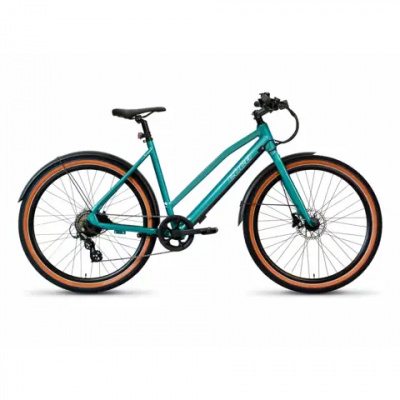
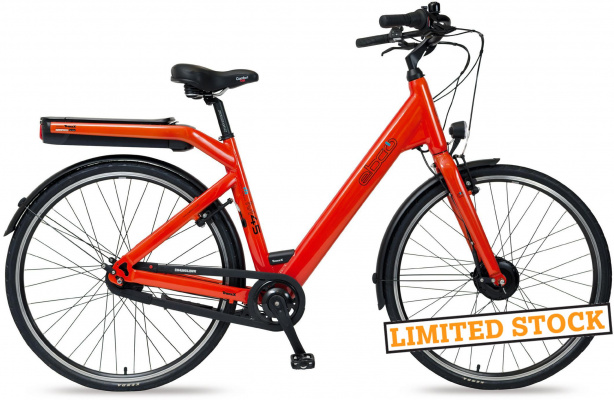
EBCO organises its range into two clear camps, and knowing which one suits you saves a lot of scrolling. The Urban series is built squarely for paved city commuting - think slicker, lower-rolling-resistance tyres, Bafang rear hub motors, and a geometry that prioritises visibility and comfort over miles of mixed ground. These are the bikes that make a train-and-ride commute genuinely practical. The Trekking and Trail models step things up with wider tyres, suspension forks, and - on the more capable variants - Bosch mid-drive systems that deliver better weight distribution and stronger torque when you're loaded with panniers or nudging off a smooth cycle path onto a gravel towpath.
Frame choice runs across two main shapes. The Low-step (step-through) option is the easier mount - useful if you're commuting in a skirt or suit trousers, or simply want to stop and start without a gymnastic dismount. The Roadster crossbar frame offers a more traditional silhouette and slightly more inherent rigidity, which some riders prefer for sportier, longer-distance use. Within each family, trim levels generally follow a logical pattern: higher numbers in the model name typically signal a larger battery capacity or a more sophisticated Bosch drive unit, so the numbering does the hard work of mapping capability to budget. If you're comparing EBCO against Carrera e-bikes or Dawes e-bikes, EBCO's factory-fitted accessories and dedicated electric-first engineering tend to set it apart at similar price points.
The EBCO Tech Philosophy
The frame engineering is where EBCO does its quietest, most effective work. Oversized, hydroformed aluminium tubing is the backbone of the step-through models - and that matters more than it sounds. A standard low step-through frame has an obvious structural compromise: remove the top tube and you remove a key element of the triangle that keeps a frame stiff. EBCO addresses this with reinforced hydroforming that reshapes the tubing cross-sections to redistribute stress, so the chassis doesn't feel like it's flexing under load. It's the difference between a bike that tracks confidently and one that wanders slightly when you put power down.
Motor selection is deliberate rather than one-size-fits-all. Bafang hub motors sit at the rear wheel on the Urban models - they're cost-effective, quiet in operation, and perfectly matched to flat or gently rolling commuter routes where you want brisk, consistent pedal assist without complexity. On the Trekking models, Bosch Active Line Plus mid-drive units place the motor weight centrally in the frame, which keeps handling balanced and gives you genuine torque advantage on loaded climbs. The seamless integration of these third-party drive systems - along with TranzX on selected models - also means that servicing isn't a specialist headache; Bosch and Bafang both have extensive UK dealer networks.
The ergonomic geometry deserves a mention too. EBCO uses computer-aided design to dial in an upright riding position that keeps your head up and your sightlines clear in traffic - not hunched over bars in an aggressive tuck. It's a practical decision, not a compromise. If you're weighing this up against Cube e-bikes at the more performance-oriented end of the market, EBCO's geometry priority is firmly on comfort and usability over pace.
Living with an EBCO in the UK
British winters are hard on e-bikes in ways that don't always get discussed at point of sale. Lithium-ion batteries lose a meaningful chunk of their range when temperatures drop below five degrees - not a fault, just chemistry. On EBCO models with a removable integrated battery, the practical fix is simple: take the battery indoors overnight rather than leaving it in a cold garage or locked to the bike outside. You'll start each morning with a fuller-performing cell rather than a sluggish one.
Salt is the other winter villain, particularly on mid-drive models. Because the Bosch unit drives through the chain, the drivetrain takes the full torque load on every pedal stroke - and road salt accelerates chain and cassette wear considerably faster than on a summer bike. A quick wipe-down and a wet-weather lube after rides in gritted conditions will add significant life to the drivetrain. It's five minutes that saves a workshop bill.
On the subject of UK roads more broadly: EBCO's standard-fit mudguards and high-volume tyres are genuinely well-matched to the potholed, frequently waterlogged cycle infrastructure you'll find across most British cities. The wide rubber absorbs surface irregularities that would rattle a narrower-tyred commuter, and the mudguards mean you arrive without a muddy stripe up your back. Integrated lighting - standard across most of the range - removes one more variable from the commuting checklist. For riders looking at comparable spec from other accessible brands, Elops e-bikes and Boardman e-bikes are worth a look alongside EBCO if commuter practicality is your priority, though EBCO's electric-first pedigree gives it a focused edge. Internal cable routing on higher-spec models also keeps the bike looking clean and reduces the number of exposed points where grit and moisture can cause problems over time.
EBCO E-Bikes FAQs
Are EBCO e-bikes any good?
EBCO is a well-regarded, dedicated electric bike brand with a strong reputation for practical, reliable commuter bikes in the UK. They use proven motor systems from Bosch and Bafang, which means long-term durability and straightforward servicing through an established dealer network - not a gamble on an unknown drivetrain.
Where are EBCO bikes made?
EBCO is a British company that designs and engineers its bikes specifically for UK riders and road conditions. Frame manufacturing and assembly take place in Asia, which is standard practice across the global cycling industry at this price point.
What motors do EBCO e-bikes use?
It depends on the model. Entry-level Urban models typically run Bafang rear hub motors - reliable, low-maintenance, and well-suited to flat commuting. Step up to the Trekking range and you'll find Bosch mid-drive systems, which offer better weight distribution, stronger torque, and a more balanced ride for loaded or varied use.