
Easton Road Wheels
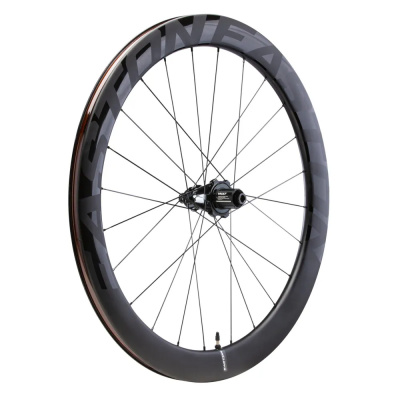
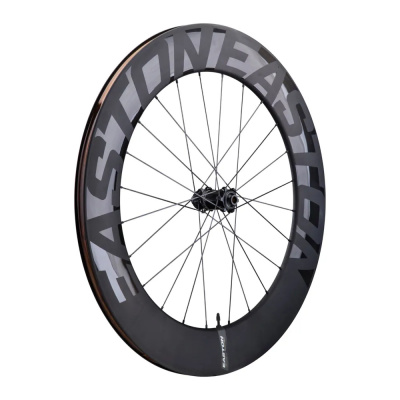
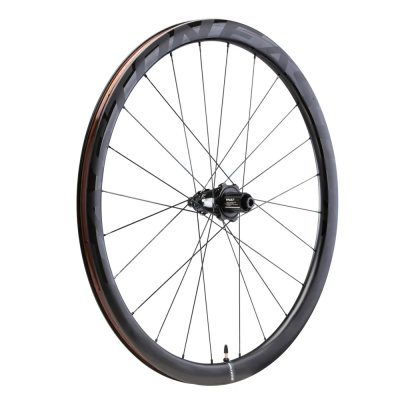
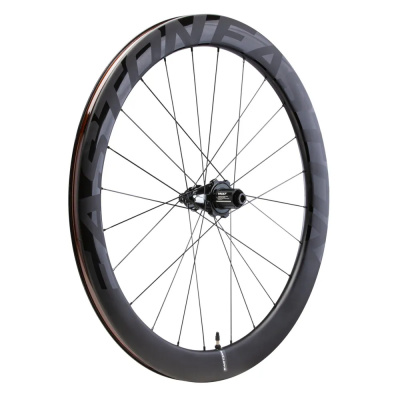
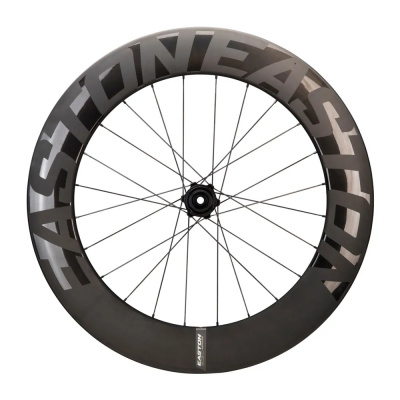
Easton road wheels have built a serious reputation on the tarmac - and once you understand why, it's hard to look past them. The Fantom rim profile uses a blunt-nose aerodynamic shape that keeps the front end planted when a crosswind tries to unseat you on an exposed ridge road, while the Vault hub's 6-degree engagement snaps power down almost the instant you put pressure through the pedals. That's a combination that matters whether you're chasing a club run PB or just want wheels that keep up when you do.
The range splits cleanly into two families. The EC series - Easton Carbon - covers the lightweight, aero-focused hoops built for racing and fast road riding. The EA series - Easton Aluminum - gives you a durable, confidence-inspiring alloy option that handles Britain's rougher roads without drama. Both lines are tubeless ready, and both are engineered around the same Vault hub platform, so you're not giving up the drivetrain feel when you step down in budget.
For UK riders dealing with greasy winter B-roads, pothole-scarred lanes, and the kind of grit that destroys bearings in a season, Easton's engineering choices are genuinely practical rather than just race-spec theatre. Compare prices across UK retailers below.
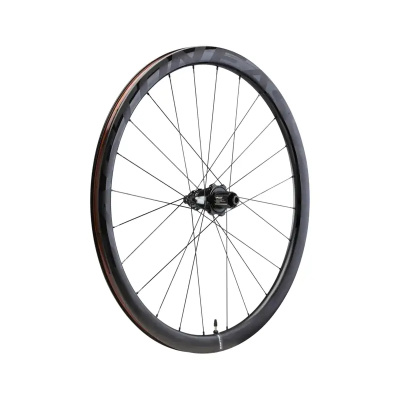
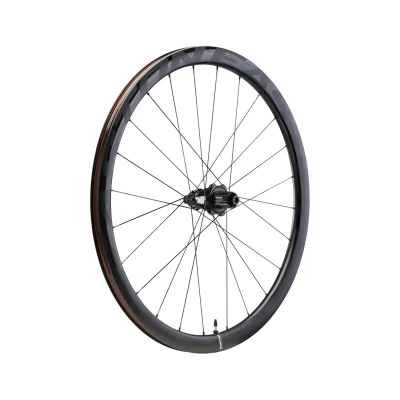
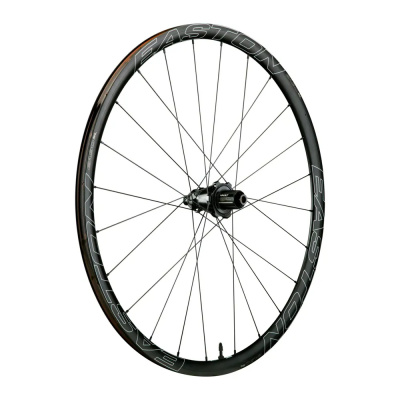
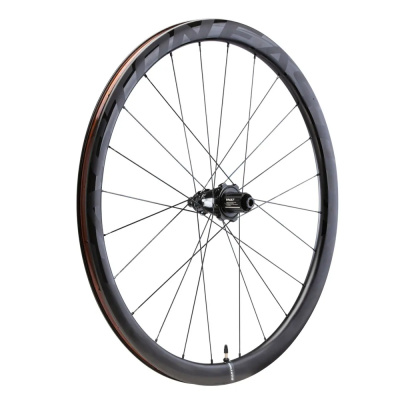
Prices and availability can change quickly. Delivery charges are not always included in listed prices.
Final price, stock status and delivery terms are set by retailer. We may receive a commission on purchases made.
Axle Standards, Rotor Mounts, and Freehub Options
Modern Easton disc road wheels are built around 12x100mm thru-axle up front and 12x142mm at the rear - the standard most road bikes have settled on, so fitment is rarely an issue with any frame bought in the last four or five years. Rotor mounting is Centerlock across the disc range, which is worth knowing before you buy: if your rotors are six-bolt, you'll need an adaptor or a swap. Centerlock does make rotor changes quicker once you're used to it, which is a minor win on a wet sportive morning.
Freehub options cover the main groupset families. You can run Shimano HG11 or HG12 for standard and Hyperglide+ cassettes, SRAM XDR for their 12-speed road groupsets, or Campagnolo N3W if you're running an Italian drivetrain. Check which body ships with the specific wheelset you're looking at - some come specced for one standard and require a body swap for others, though Easton's Vault hub design makes that swap straightforward. Looking for off-road capability or custom builds? Check out our dedicated Easton Gravel Wheels and Easton Rims pages for specific components.
EC vs EA: What the Naming Actually Tells You
Easton's naming convention is one of the cleaner ones in the wheel world - EC stands for Easton Carbon, EA stands for Easton Aluminum. Simple enough, but the detail inside those two families is where the real decisions happen.
The EC90 sits at the top. You're getting a carbon layup optimised for stiffness-to-weight, Sapim CX-Ray bladed spokes (some of the lightest and most aerodynamically clean spokes available), and in higher-spec builds, ceramic bearing upgrades inside the Vault hub. The Fantom rim profile on EC90 wheels is shaped to work aerodynamically from roughly 35mm depth upward, so you're not just carrying extra rim height for show - there's genuine crosswind stability built into the geometry. Against something like ENVE road wheels, the EC90 sits at a more accessible price point while still delivering a race-ready carbon build.
Step down to EC70 and you're still in carbon, still tubeless ready, still running the Vault hub - but the layup is slightly heavier and the spoke spec may differ. It's a meaningful option if you want carbon compliance without the EC90 outlay. The EA90, meanwhile, is the alloy workhorse. The rim bed is robust enough to absorb the kind of impacts you get on a potholed Lancashire B-road, and the weight penalty over carbon is offset by the cost saving and the genuine resilience of an aluminium hoop. If your winter training wheels are currently Mavic alloy or a similar tier, the EA90 is a direct and competitive comparison worth making. Riders who want the stiffness and precision of a more premium carbon build might also consider DT Swiss road wheels or Fulcrum road wheels as alternative carbon options at varying price points.
The practical question is whether the EC90's weight and aero advantage justifies the gap over EA90 for how you actually ride. Racing or fast group riding - probably yes. Commuting and all-weather miles - probably not.
Keeping Vault Hubs Running Through a British Winter
The Vault hub is where Easton's engineering earns its keep on UK roads. The 60-tooth drive ring gives you 6-degree engagement - fine for road use, where you're rarely needing instant power pickup out of a tight switchback, and it keeps the ratchet mechanism robust rather than fragile. The oversized bearings mean there's more contact surface resisting the lateral loads that build up over miles of rough tarmac, and the labyrinth seal design is there specifically to keep road spray and grit out of the hub internals without requiring excessive bearing preload that would create drag.
That said, a British winter will find any hub's weak points given enough time. The Vault's tool-free end caps are a genuine maintenance advantage here - you can pull the freehub body off by hand, no special tools required, clean out the emulsified grease that inevitably accumulates after wet riding, and re-lube the drive ring in a few minutes on the kitchen floor. Worth doing before grit works its way into the cartridge bearings, which are replaceable but fiddly once worn. Most UK riders riding through autumn and winter would be sensible to check the hub internals at the start and end of the cold season.
If you're running tubeless - and on an EC or EA wheelset you should be, given they're set up for it - check the tubeless tape integrity at the same time. A season of riding on rough roads flexes the rim bed enough to lift tape edges at the valve hole, and that's where sealant loss starts. A quick visual check and a re-seat with fresh tape where needed takes ten minutes and saves a frustrating mid-ride flat. Pair the wheels with Easton bar tape and Easton stems if you're building a cohesive contact-point setup - the brand's finishing kit matches the wheel aesthetic and uses the same material philosophy throughout.
One thing worth noting if you're switching from rim brake to disc: Easton's disc road wheels are not designed for rim braking, and the Centerlock interface means you need compatible calipers. Don't assume a mixed setup works - check your frame and fork standards before ordering. Campagnolo road wheels are worth a look if you're specifically on a Campagnolo drivetrain and want a brand-matched build, though Easton's N3W freehub body option does cover that compatibility.
Easton Road Wheels FAQs
Are Easton road wheels tubeless ready?
Yes - all current EC and EA series road wheels from Easton are tubeless ready straight out of the box. They come pre-taped with tubeless valves included, so you're not hunting for compatible tape before your first ride. Just add sealant and you're done.
What is the difference between Easton EC and EA wheels?
EC stands for Easton Carbon and covers the premium, lightweight, aero-focused wheelsets - EC90 being the flagship. EA stands for Easton Aluminum, offering durable alloy construction at a more accessible price point. Both lines share the Vault hub platform, so the drivetrain feel is consistent across the range.
How do I service an Easton Vault hub?
Vault hubs use tool-free end caps, so you pull the freehub body off by hand - no special tools needed. Clean out old grease, re-lube the 60-tooth drive ring, and check the cartridge bearings for wear. For year-round UK riding, inspecting the internals every six to twelve months keeps things running cleanly.