
Dynafit Jackets
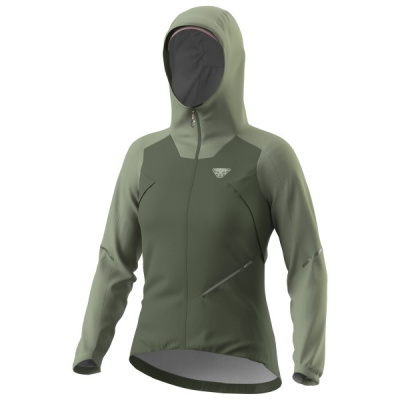
Dynafit jackets arrive from the Dolomites with a simple promise: featherweight protection that won't slow you down when the pace climbs and the temperature drops. Born in the world of ski mountaineering, where every gram counts and breathability is non-negotiable, these shells translate perfectly to gravel epics and winter MTB loops across the UK. You get GORE-TEX Active hardshells for proper downpours and proprietary Dynashell windbreakers for cold, dry days when sweat management matters as much as keeping the chill out. The athletic fit sits close, the packability is exceptional, and the construction reflects decades of refining gear for high-output mountain sports. If you've ever boiled inside a supposedly breathable jacket on a long climb out of Calderdale or felt the wind cut through on a Scottish ridge, Dynafit's weight-to-protection ratio makes immediate sense. This is kit designed for riders who move fast and refuse to compromise between staying dry and staying cool.
Prices and availability can change quickly. Delivery charges are not always included in listed prices.
Final price, stock status and delivery terms are set by retailer. We may receive a commission on purchases made.
Technical Fabric Architecture: GORE-TEX vs. Dynashell
Dynafit splits its jacket range into two distinct camps, each engineered for different weather windows. The GORE-TEX Active and Shakedry models deliver full waterproof protection with hydrostatic head ratings north of 28,000 mm - serious numbers for sustained rain on exposed routes through the Peaks or the Lakes. GORE-TEX Active pushes breathability hard, with RET values below 6, so moisture escapes even when you're grinding up technical singletrack. Shakedry takes it further: the membrane sits on the outside, shedding water instantly and drying between squalls without that clammy outer layer clinging to your arms.
Then there's Dynashell. This is Dynafit's proprietary softshell fabric, windproof and water-resistant but deliberately more breathable than a full hardshell. Think of it as your go-to for cold, dry winter rides - those crisp January mornings in the Chilterns when the forecast promises sun but the wind has teeth. Dynashell won't handle prolonged rain, but it excels at moisture wicking during high-aerobic efforts, thanks to micro-perforation and a stretchy, close-fitting construction. The trade-off is clear: you sacrifice absolute waterproofing for superior sweat management. If you're choosing between the two, ask yourself whether you're more likely to face Welsh drizzle or Yorkshire cold snaps.
For context, 7mesh jackets offer similar GORE-TEX options with a slightly more relaxed fit, while Craft jackets lean heavily into softshell versatility at a different price point.
The Athletic Fit System
Dynafit clothing fits like a second skin. The brand uses a European athletic cut that's significantly slimmer than most UK or American cycling brands - think race-fit rather than club-run comfort. This isn't vanity sizing; it's functional. A close fit maximises moisture transfer, reduces wind flap, and keeps the jacket from ballooning when you're tucked on a descent. But it does mean you'll likely need to size up, especially if you plan to layer over thermal jerseys or a gilet.
The 'Sportive' cut models offer a touch more room through the shoulders and chest, useful for broader builds or riders who prefer a less compressive feel. Even so, it's worth checking the size chart carefully. If you're between sizes, go larger. A jacket that's too tight will restrict movement on technical climbs and limit breathability by compressing insulating layers underneath. Sleeves are pre-curved and long enough to cover your wrists when you're stretched out on the bars - no cold gaps when you're riding through a February morning in the Brecon Beacons.
How does Dynafit clothing fit? Expect a snug, performance-oriented silhouette. It's a world away from the relaxed cuts of some trail brands, so try before you commit if possible, or order two sizes and return one. The athletic fit rewards riders who value efficiency and low bulk, but it won't suit everyone straight out of the box.
Multi-Sport Versatility: From Skimo to Gravel
Dynafit's 'Speed Up' philosophy - light, fast, efficient - transfers seamlessly from alpine touring to adventure cycling. Take the ZipOver Backpack System: expandable back panels that accommodate a hydration pack or a lightweight rucksack without bunching or restricting your shoulders. It's a feature born from ski mountaineering, where you carry kit up and ride it down, but it works just as well on a gravel bikepacking loop through the Highlands or a winter trail centre session with a pack full of spares and snacks.
Helmet-compatible hoods are another crossover win. Designed to fit over ski helmets, they sit neatly over MTB lids without blocking peripheral vision or flapping in the wind. Active Airflow Ventilation - laser-perforated panels under the arms and across the back - keeps air moving when you're working hard, then seals up when you stop for a breather at the top of a climb. S-Tech seamless construction reduces friction points, so you're not dealing with chafing on long days in the saddle.
Is Dynafit a good brand for cycling? Absolutely, particularly for gravel and mountain biking in cold conditions. Their expertise in breathable, high-output layers translates directly to the aerobic demands of winter riding. You won't find aero shaping or cycling-specific pockets, but you will find kit that breathes better than most dedicated cycling shells when the effort spikes. If you're after a more road-focused option, Castelli jackets or Assos jackets might suit better, but for off-road intensity, Dynafit punches hard.
Packability is another strength. Most models stuff into their own pocket and weigh less than 200 grams, so you can stash one in a jersey pocket or frame bag without noticing the bulk. That's handy on changeable days in the Cairngorms or when you're unsure whether the forecast will hold on a long gravel loop.
Snow Leopard Legacy and European Production
The snow leopard logo isn't just branding - it's a nod to speed, endurance, and alpine environments where conditions shift fast and margins are tight. Dynafit has been refining mountain sports gear since the 1950s, and that heritage shows in the details: reinforced seams, durable YKK zippers, and fabrics that hold up to repeated stuffing and unstuffing without delaminating. Recent models lean into sustainable production, with an increasing proportion manufactured in Europe using bluesign-approved materials and PFC-free DWR treatments. It's not a full eco overhaul, but it's a step in the right direction for riders who care about supply chain transparency.
The brand's commitment to lightness doesn't mean fragility. GORE-TEX shells are built to handle brambles and rock scrapes on technical descents, while Dynashell softshells resist abrasion better than many ultralight alternatives. You're not babying these jackets; you're using them hard across Scottish moors, Welsh singletrack, and Peak District grit. For a similar ethos with a different aesthetic, Endura jackets offer robust UK-focused designs, though typically with a bit more weight.
If you're building a winter layering system, pairing a Dynafit shell with Dynafit jerseys underneath gives you a cohesive fit and moisture management strategy. The athletic cut works best when every layer is designed to sit close and move together, rather than mixing tight shells with baggy base layers.
Choosing Your Shell: Hardshell or Softshell?
Your decision hinges on typical ride conditions and effort levels. If you're regularly out in sustained rain - think Lake District loops or winter commutes through Manchester drizzle - a GORE-TEX Active hardshell is the sensible choice. It'll keep you dry, pack small, and breathe well enough for moderate efforts. For high-intensity rides in cold, dry weather - winter gravel races, fast MTB laps, or dawn rides when frost lingers on the verge - Dynashell softshells offer superior breathability and a more comfortable, stretchy feel. What is Dynashell material? It's Dynafit's proprietary windproof, water-resistant softshell fabric, engineered for high breathability during aerobic activity. It won't replace a hardshell in a downpour, but it's unmatched for sweat management on cold, clear days.
Some riders keep both. A Dynashell windbreaker for most winter rides, a GORE-TEX shell tucked in the pack for when the sky darkens. The weight penalty is minimal, and the versatility is worth it. If budget or wardrobe space limits you to one, lean towards the hardshell if rain is frequent, the softshell if you prioritise breathability and run hot on climbs. For a broader range of options across both categories, Gore Wear jackets and Ashmei jackets are worth comparing, though neither quite match Dynafit's weight-to-protection balance in the alpine crossover niche.
- Pros: Market-leading lightness and packability; exceptional breathability for high-output efforts; durable construction with alpine-proven fabrics; helmet-compatible hoods and backpack-friendly features.
- Cons: Athletic fit runs small - size up if layering or prefer a relaxed cut; limited cycling-specific features like rear pockets; Dynashell models won't handle prolonged heavy rain.