
DMT Road Shoes
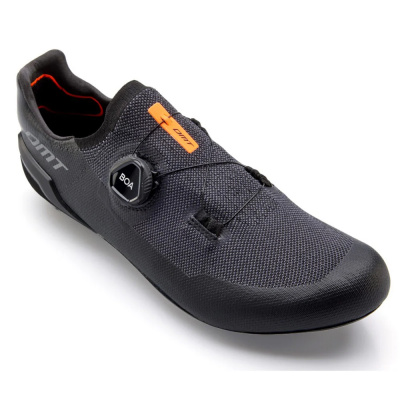
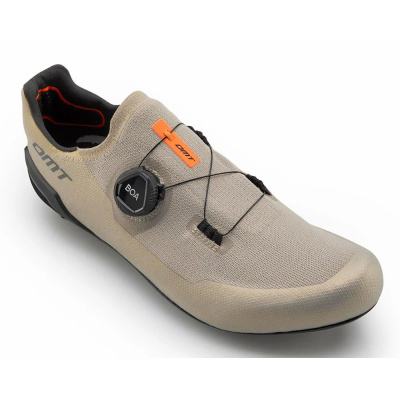
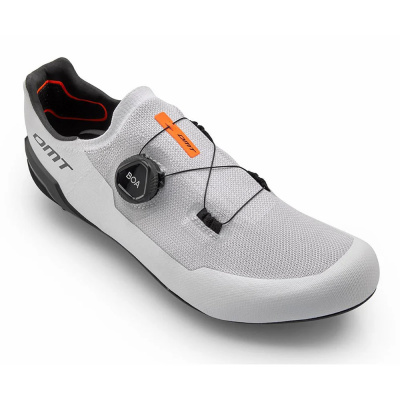
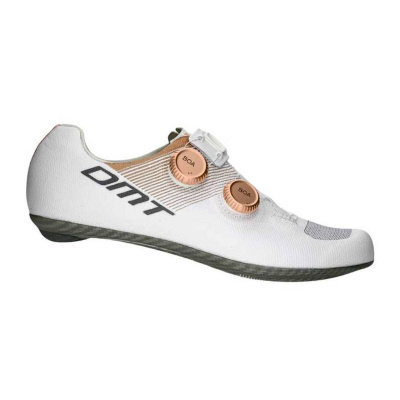
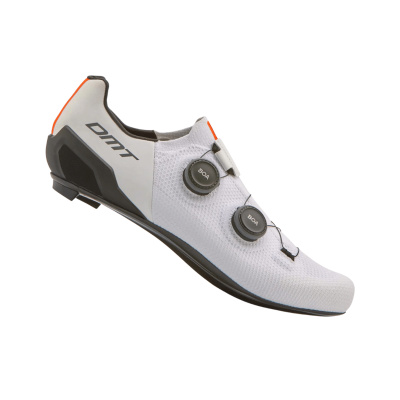
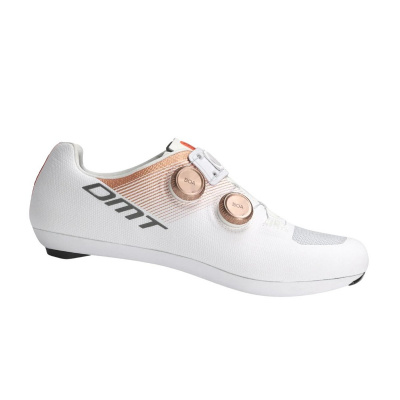
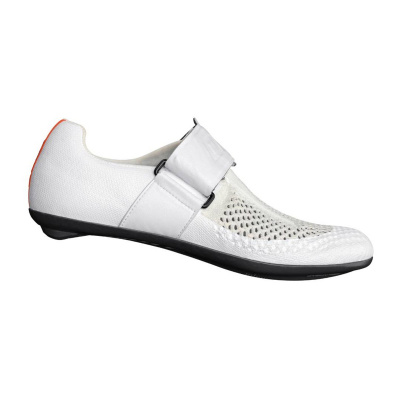
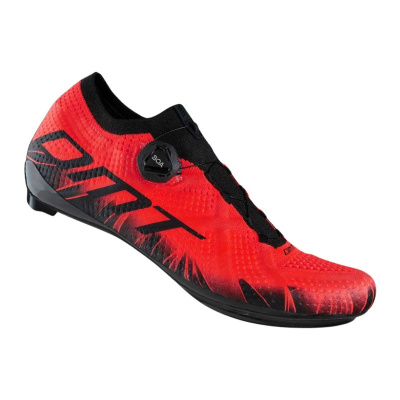
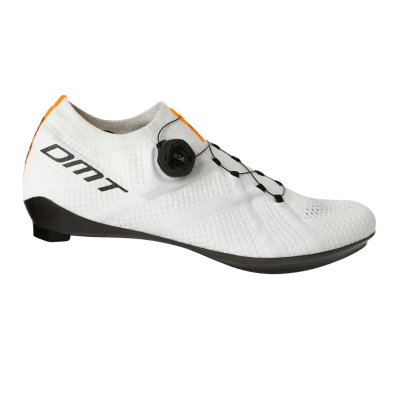
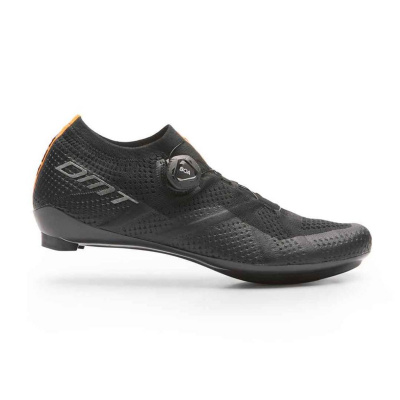
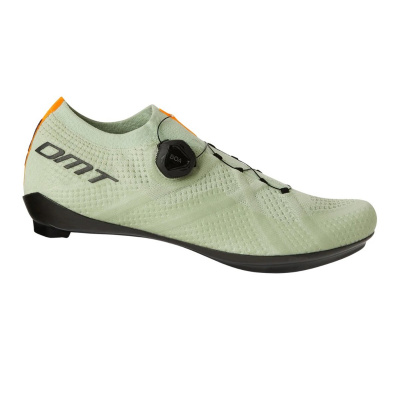
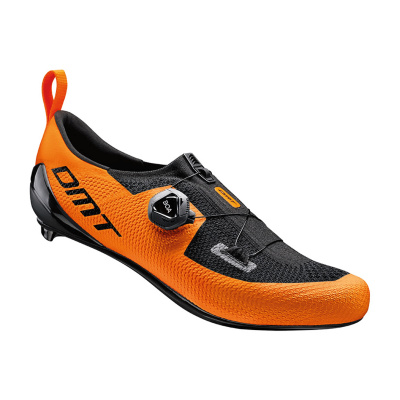
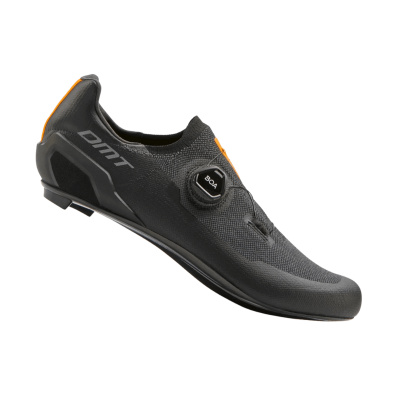
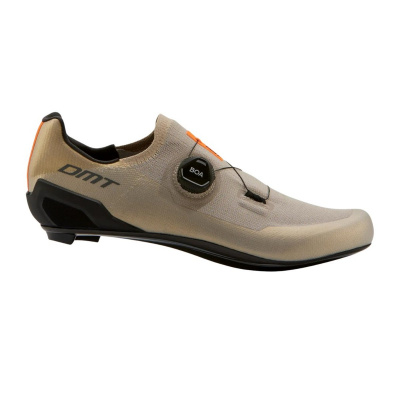
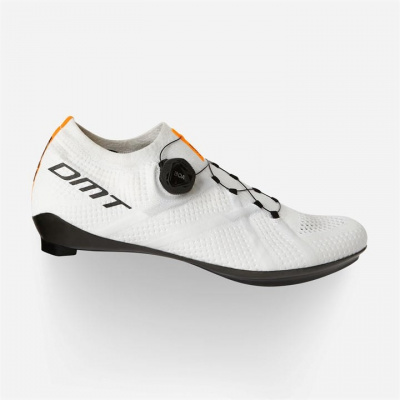
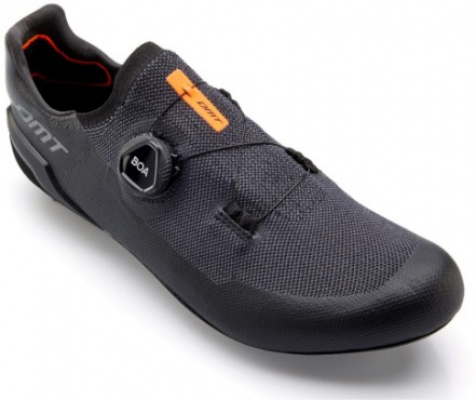
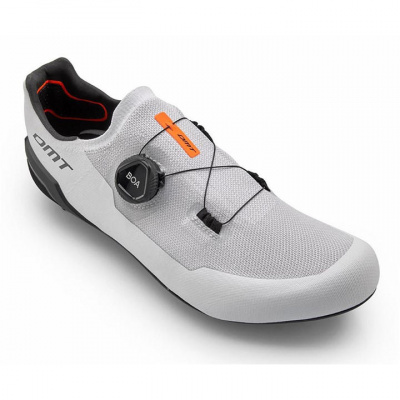
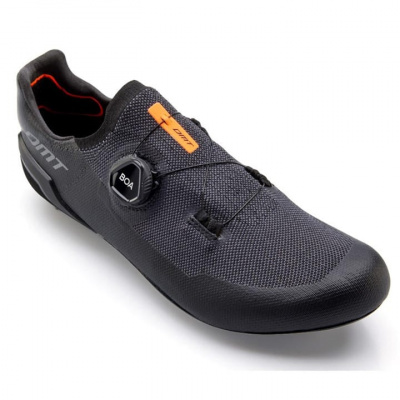
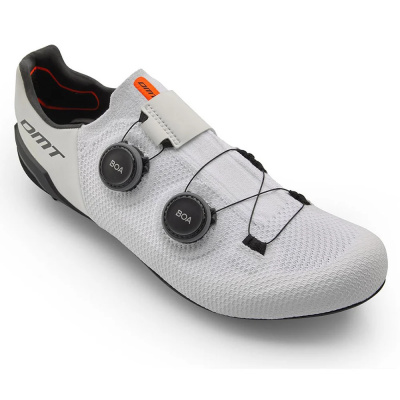
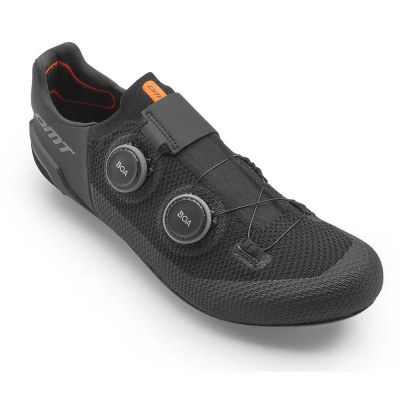
DMT road shoes changed what riders expect from a performance cycling shoe - and not by incremental tweaks. By replacing rigid synthetic uppers with proprietary 3D Engineered Knit, DMT built a shoe that wraps your foot like a well-worn glove while pushing power through an ultra-stiff Anatomic Carbon outsole without apology. Tadej Pogačar has worn them to Grand Tour victories, which tells you something about where the stiffness index sits.
The knit upper isn't just a comfort play. Variable thickness zones deliver targeted support where your foot loads during the pedal stroke, while open sections keep air moving freely - genuinely useful on a long summer climb. You get that locked-in sprint sensation without the pressure points that haunt stiffer, traditional shoes after three hours.
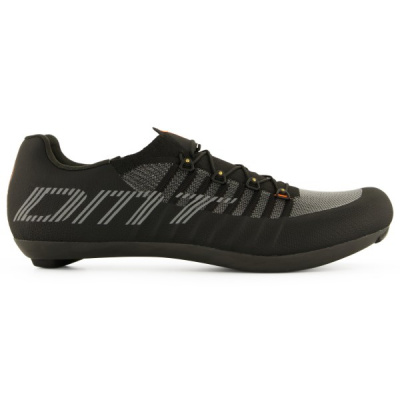
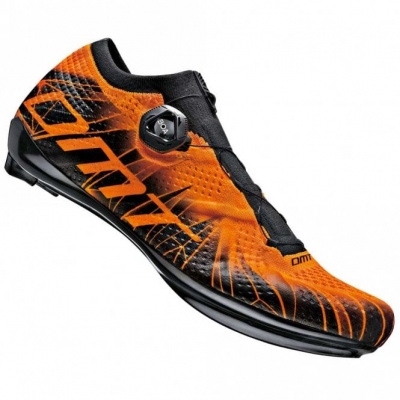
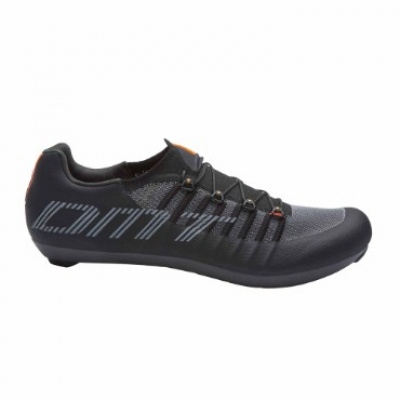
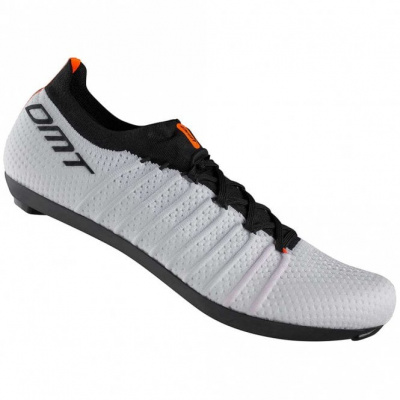
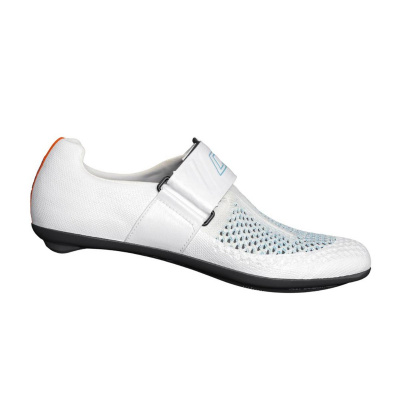
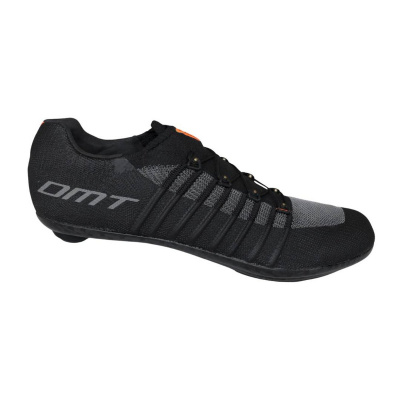
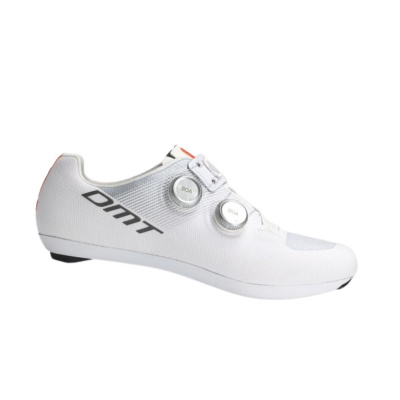
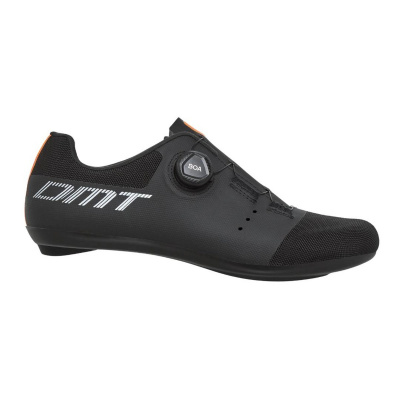
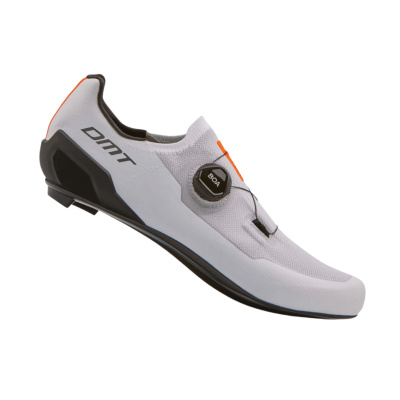
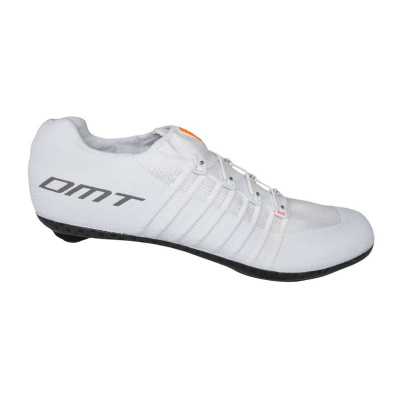
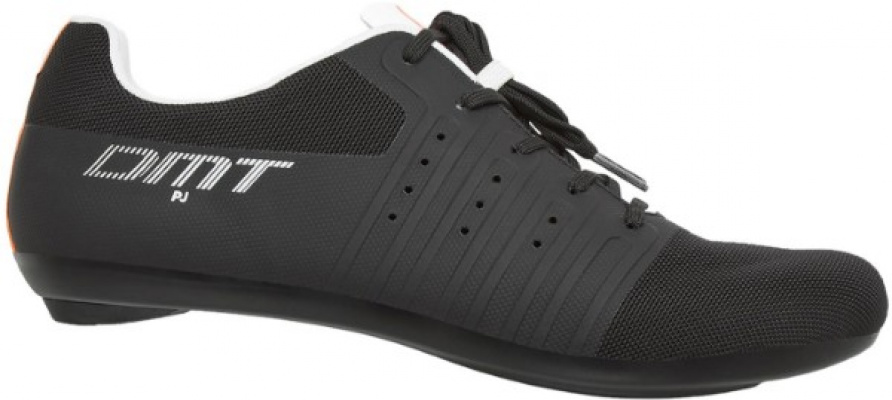
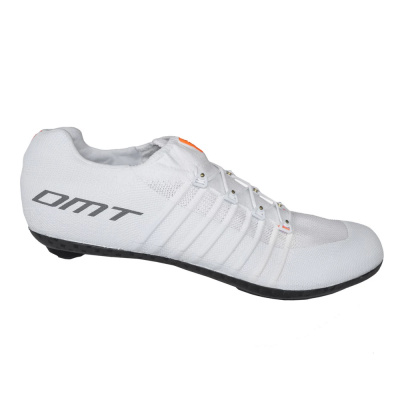
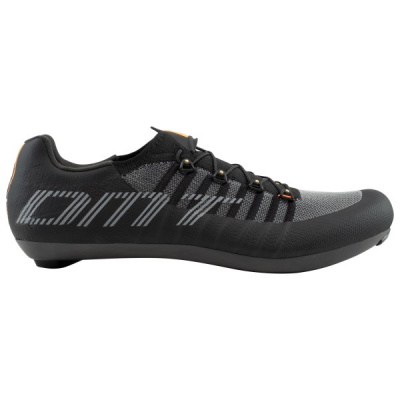
DMT covers both camps on closure: BOA Li2 dials for micro-adjustable on-the-fly fit, or lace-up models for riders who want a cleaner, more aerodynamic profile. All models use 3-bolt cleat compatibility, covering every major road pedal system. For UK riders, the breathability is exceptional when the weather plays along - and we'll be straight with you about what happens when it doesn't.
Prices and availability can change quickly. Delivery charges are not always included in listed prices.
Final price, stock status and delivery terms are set by retailer. We may receive a commission on purchases made.
The 3D Knit Upper: What It Actually Does
Most road shoes are built around a flat sheet of synthetic leather or mesh that's cut and bonded into shape. DMT's 3D Engineered Knit starts differently - the upper is constructed in three dimensions from the outset, with thicker, denser zones across the midfoot and lateral wall where your foot pushes hardest, and finer, more open knit across the toe box and vamp where breathability matters most. It's the same logic as a support zone in a running shoe, but applied specifically to the cycling pedal stroke rather than heel-strike loading.
The result is a breathable upper that genuinely shifts heat on climbs. On a long drag in summer - think the exposed switchbacks above Llangollen or a baking sportive through the Cotswolds - your feet stay noticeably cooler than in a conventional synthetic shoe. The knit also dries faster than you'd expect after an unexpected summer shower; it doesn't hold water the way bonded leather does.
That said, be straight with yourself about UK winters. The knit offers essentially no wind or water resistance on its own. From October through to March, a quality pair of neoprene or PU overshoes isn't optional - it's part of the setup. Road spray will also push grit into the knit fibres over time, so proactive cleaning after wet rides keeps the material performing as intended. The sock-like ankle collar construction seals the cuff neatly against overshoes, which helps.
Where DMT knit shoes edge past alternatives like Fizik road shoes or Specialized road shoes is in how the upper moves with your foot rather than against it. There's no break-in period to speak of. You put them on and they feel like they already know your foot.
The Range: KR0, KR1, and KRSL Explained
DMT's road lineup runs from the race-focused flagship down to more accessible everyday options, and the differences are worth knowing before you click through to compare.
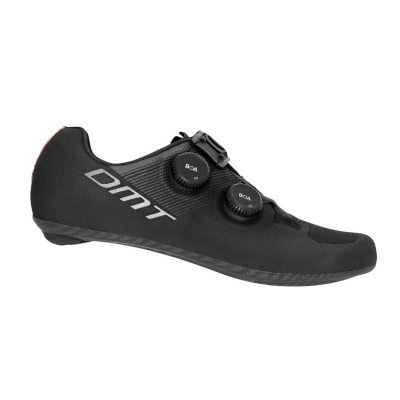
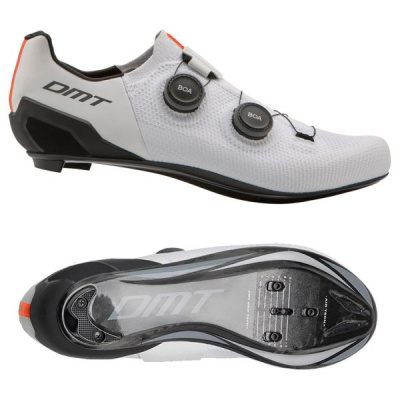
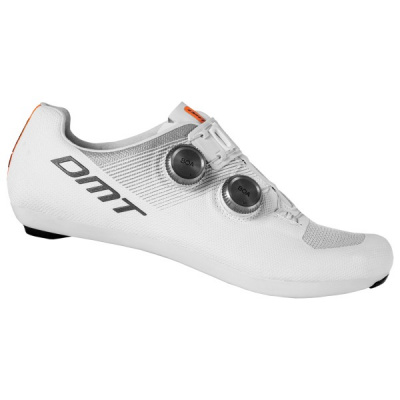
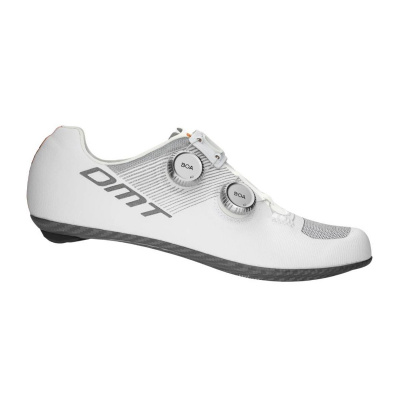
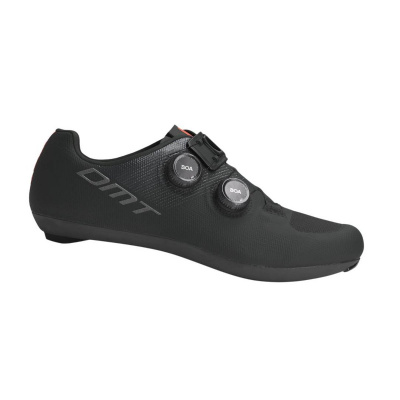
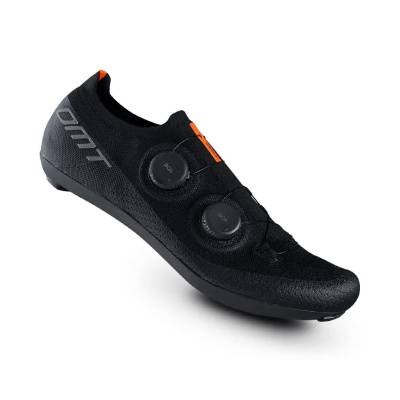
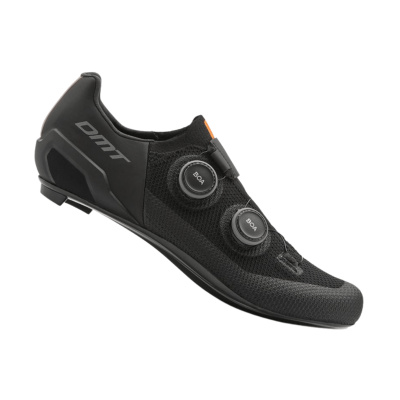
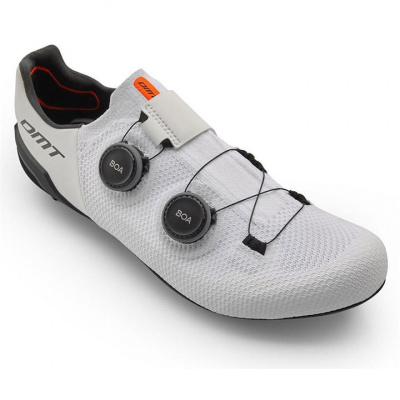
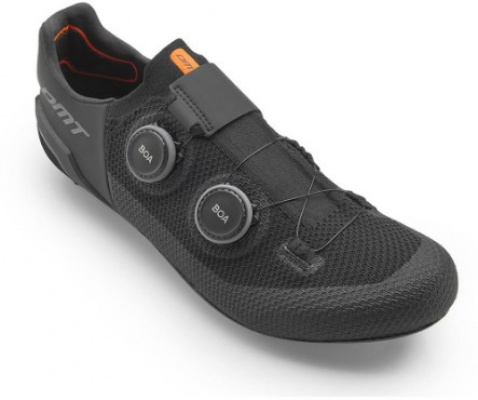
The KR0 sits at the top. Full BOA Li2 dials - two of them - give you independent forefoot and midfoot adjustment, so you can dial tension through a ride rather than stopping to re-lace. The carbon sole is DMT's stiffest, optimised for maximum power transfer. If you're racing crits or targeting fast sportives, this is where the range earns its reputation.
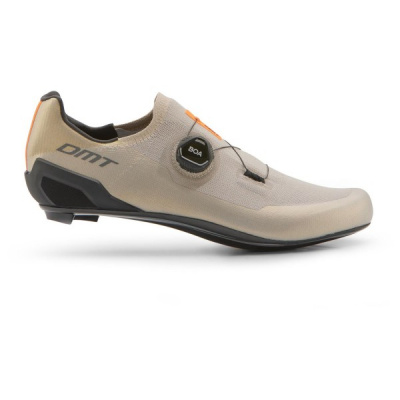
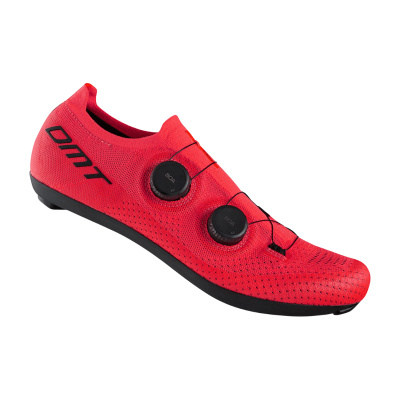
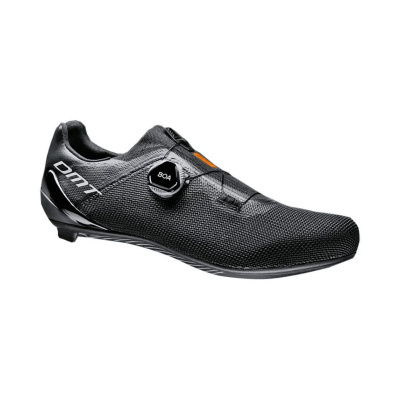
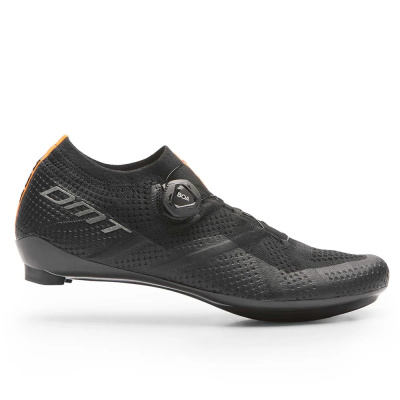
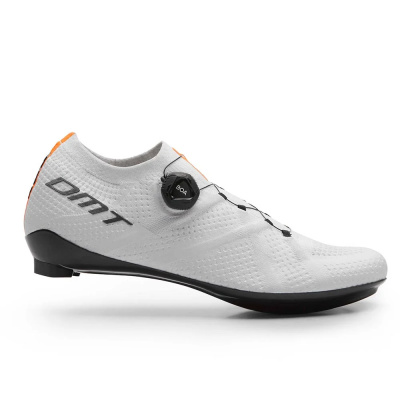
The KR1 steps back slightly in sole stiffness and uses a single BOA dial, which brings the price down without sacrificing the knit upper. For most riders doing hard club runs or endurance events rather than outright racing, the KR1 hits a more practical balance.
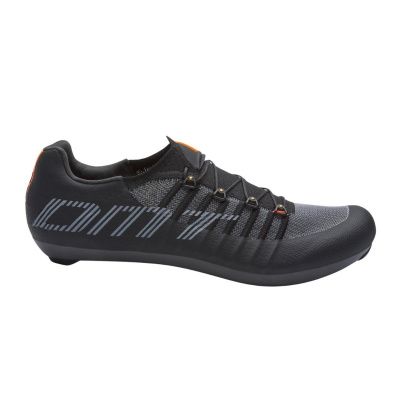
The KRSL is DMT's lace-up option. The integrated webbing system distributes tension across the entire upper rather than through anchor points, which many riders find gives a more even, pressure-mapped fit - particularly across the forefoot. It's also cleaner aerodynamically, and there's no dial to snag a knee warmer on. The trade-off is that you can't adjust fit mid-ride, so get your lacing right before you clip in.
On fit profile: the knit upper is more accommodating than it first appears for slightly wider feet. Because it conforms to your foot shape rather than forcing your foot into a pre-moulded shell, moderate width variation is absorbed naturally. The Anatomic Carbon outsole, however, is built to a standard width base plate - so if your feet are genuinely wide, check the sole width spec carefully. You might also look at Lake road shoes, which offer dedicated wide-fit lasts, or Shimano road shoes for broader fit options at various price points.
DMT also produces a gravel and MTB shoe range using similar knit technology if you run multiple bikes and want a consistent fit feel across disciplines.
Keeping Knit Shoes Clean After UK Roads
Knit uppers need a bit more attention than smooth synthetic leather, especially after a wet ride on roads that haven't seen a sweeper since last autumn. Grit and road film embed in the fibres if you leave them, and once that happens you're scrubbing harder than you need to.
After a muddy or wet ride, knock off the loose stuff first - a soft brush works better than your fingers. Then mix mild soap with lukewarm water and work through the knit gently with the brush. Rinse thoroughly and leave them to dry naturally at room temperature. No tumble dryer, no direct heat source, and definitely not the washing machine - the heat cycles and mechanical action will compromise the knit construction and the bonding between the upper and the Anatomic Carbon outsole. Stuff them lightly with newspaper if you want to hold their shape while drying.
One thing that makes a real difference: the socks you pair with DMT knit shoes. Because the upper breathes so freely, a moisture-wicking sock does genuine work here - pulling sweat away from the skin and out through the knit rather than letting it pool. Thin, high-performance cycling socks maximise what the upper is designed to do. If you're buying shoes, it's worth sorting your sock situation at the same time.
For commuters or riders who cover a lot of winter miles, a dedicated winter shoe from a brand like Lake might be worth considering alongside DMT knit shoes rather than relying entirely on overshoes through the darker months.
DMT Road Shoes FAQs
Do DMT road shoes fit true to size?
Generally yes. The 3D Engineered Knit upper has more give than traditional synthetic leather, so the fit is adaptive rather than rigid. If you're sitting between sizes, going half a size down tends to give you that properly locked-in feel rather than leaving the knit with too much slack across the midfoot.
How do you clean DMT knit cycling shoes?
Brush off loose grit first, then hand wash using a soft brush, mild soap, and lukewarm water. Rinse well and dry naturally at room temperature. Avoid machine washing and keep them away from direct heat - both can damage the knit fibres and weaken the bond between the upper and the carbon sole.
Are DMT road shoes good for wide feet?
The knit upper is more forgiving than a moulded synthetic shell - it conforms to your foot shape rather than clamping it, so moderate width variation is handled well. The Anatomic Carbon outsole uses a standard-width base plate, though, so if your feet are genuinely wide, check sole dimensions carefully and consider whether a brand with dedicated wide lasts might suit you better.