
DMT MTB & Gravel Shoes
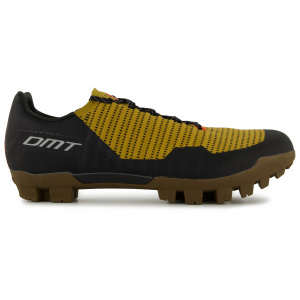
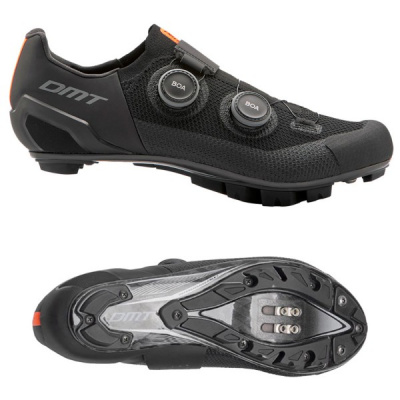
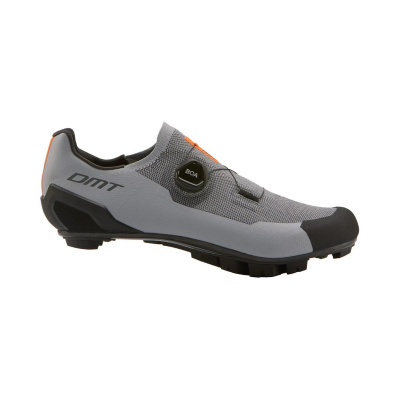
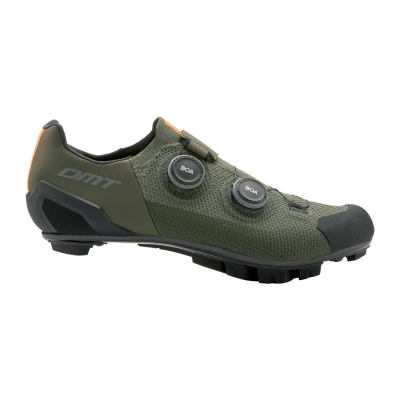
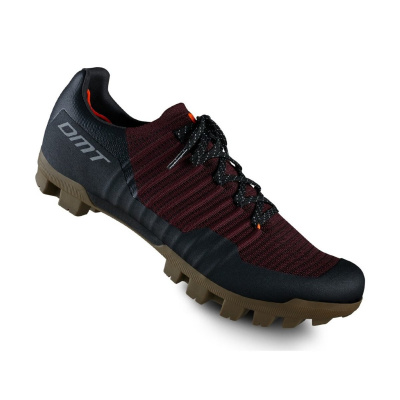
DMT MTB & Gravel Shoes sit in a genuinely interesting place in the off-road market - built around proprietary 3D Engineered Knit technology that wraps your foot like a second skin rather than clamping it into a rigid shell. That sock-like fit isn't just about comfort; it eliminates the hot spots and pressure points that grind you down on long gravel days or punchy singletrack loops. Your foot moves with the shoe, not against it.
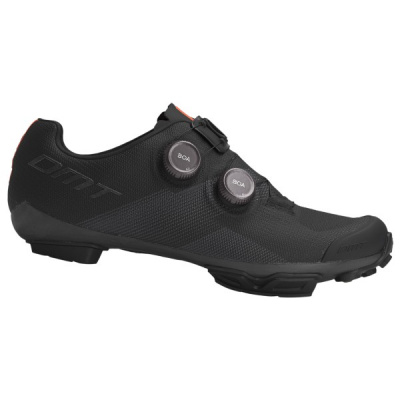
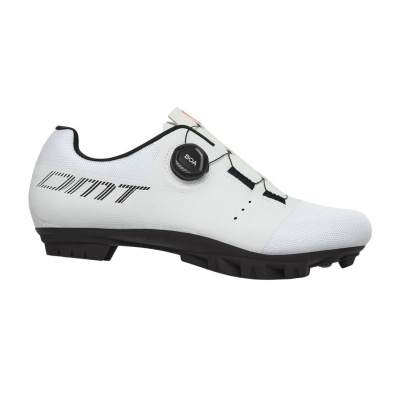
Across the range you get micro-adjustable BOA Fit System dials - Li2 or L6 depending on the model - so you can dial in tension on the move without stopping to fiddle with buckles in the rain. Beneath that, Michelin rubber outsoles do the work when you unclip: proper traction over wet roots, loose shale, and the kind of clay that builds up on a Peak District descent in November. Power transfer is handled by carbon and composite sole options, scaled to whether you're racing cross-country or grinding out a bikepacking route. Worth noting too - the knit upper dries faster after a soaking than heavier synthetic alternatives, which matters more than people admit when you're back-to-back riding in the UK. Browse the range below and find the model that fits your riding.
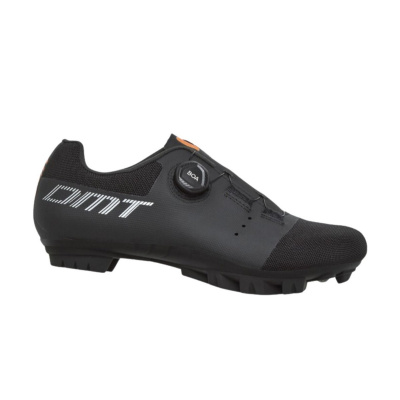
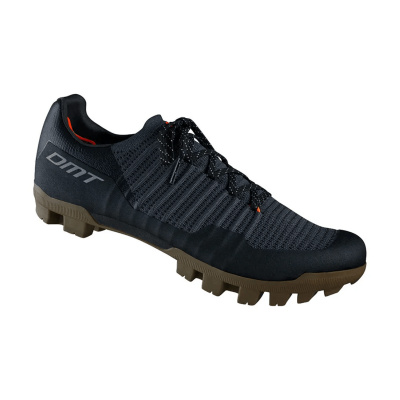
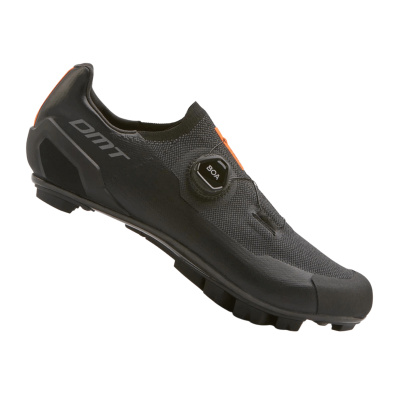
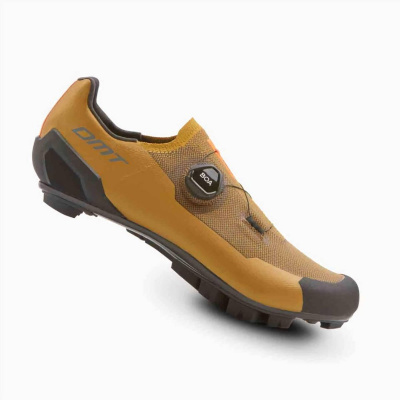
Prices and availability can change quickly. Delivery charges are not always included in listed prices.
Final price, stock status and delivery terms are set by retailer. We may receive a commission on purchases made.
What the 3D Knit Does on the Trail
DMT's 3D Engineered Knit isn't just a comfort story - it's a performance one. The upper is constructed in three dimensions rather than cut and stitched from flat panels, which means there are no seams pressing into your foot during a three-hour gravel effort. On humid summer climbs in the Surrey Hills or a long fire-road drag in the Brecon Beacons, the breathability is genuinely noticeable. Air moves through the structure freely, keeping your feet cooler and drier than a standard synthetic upper would manage.
That said, the knit isn't waterproof, and it doesn't pretend to be. In proper winter conditions - think Scottish bog or Welsh trail centre mud - you'll want overshoes. For three-season riding, though, the trade-off is worth it: the quick-drying characteristic of the knit means a wet crossing doesn't leave you squelching for the rest of the ride.
The Michelin rubber outsoles are the other half of this equation. Michelin's tread patterns are engineered specifically for mud clearance and grip, not just durability. On greasy limestone in the Yorkshire Dales or slick roots after autumn rain, the outsole bites where a smoother rubber compound would skate. The lug geometry also sheds clay effectively - UK winter clay in particular has a habit of packing into recessed outsoles and turning into dead weight. Michelin's compound resists that build-up better than most. When you're pushing the bike up a steep, loose pitch, that grip matters as much as when you're clipped in.
Fit, Range, and Choosing the Right Model
The knit upper changes the sizing conversation slightly. DMT shoes generally run true to size, but the 3D Engineered Knit has a forgiving, adaptive quality that standard synthetic uppers don't. If you're between sizes or have a wider foot, the knit accommodates you without the pressure points you'd get from a stiffer shell. It stretches and moulds to your foot shape over time rather than forcing your foot into a fixed volume - a meaningful difference if you've ever had to break in a pair of stiff MTB shoes over several painful rides.
Within the DMT off-road range, the key split is between carbon-soled race shoes and more flexible composite-soled options aimed at gravel riding and adventure use. The carbon sole models prioritise stiffness and power transfer - every watt goes into the pedal rather than flexing through the shoe. These suit cross-country racing and fast gravel events where efficiency is the priority. The composite-soled shoes offer a more walkable feel with engineered flex points, which makes a real difference during extended hike-a-bike sections or a café stop in a village with flagstones. All models in this range use 2-bolt SPD-compatible cleat systems, so they work with the standard MTB and gravel pedal setups you're likely already running.
If you're a road rider drawn to DMT's knit technology, the off-road range isn't where you want to be - take a look at DMT Road Shoes for 3-bolt compatibility and road-specific sole stiffness ratings. For off-road riding, the range here covers everything from race-day aggression to multi-day adventure comfort. Alternatives worth comparing include Fizik MTB & Gravel Shoes if you prefer a more structured upper, and Giro MTB & Gravel Shoes which offer their own take on walkable gravel footwear. If wide-fit is your priority, Lake MTB & Gravel Shoes are purpose-built for broader feet and worth a look alongside DMT's adaptive knit. Quoc MTB & Gravel Shoes are another strong option if aesthetics and lifestyle crossover matter to you.
One practical note on the BOA Fit System: the Li2 and L6 dials give you genuine micro-adjustment, not just coarse tension clicks. In cold conditions when your feet swell slightly, or after a long climb when circulation changes, you can ease off half a turn without stopping. It sounds minor until you've wrestled with stiff buckles mid-ride in the rain.
Keeping Knit Shoes in Good Shape After UK Rides
The knit upper needs a slightly different approach to cleaning than a moulded synthetic shoe, but it's not complicated. The key rule: let the mud dry first. Trying to scrub wet clay out of knit fibres pushes it deeper in. Once it's dried, a stiff-bristled brush removes the bulk of it cleanly. For anything that's worked into the weave, a damp cloth with a small amount of mild soap - nothing harsh, nothing solvent-based - lifts it out without damaging the fibres. Then leave them to air dry naturally, away from radiators or direct heat. Heat breaks down the knit structure and adhesives over time, and there's no shortcut worth taking there.
The Michelin outsoles are straightforward: rinse off mud, check the lug edges for embedded grit, and they're done. The BOA dials occasionally benefit from a light rinse to clear grit from the mechanism - just spin the dial under running water and they stay smooth.
For moisture management on longer rides, pairing these shoes with quality DMT Socks makes a practical difference. The right sock thickness works with the adaptive knit fit rather than fighting it, and wicking performance at the sock layer reduces the chance of hot spots forming during extended efforts. It's a small detail that adds up across a full day in the saddle.
DMT MTB & Gravel Shoes FAQs
Are DMT cycling shoes true to size?
Generally, yes - DMT shoes size consistently with standard European cycling shoe sizing. The 3D Engineered Knit upper does give you a bit more forgiveness than a rigid synthetic shell, so wider feet in particular tend to find the fit accommodating without needing to size up. If you're genuinely between sizes, stick with your larger size.
How do you clean DMT knit cycling shoes?
Let the mud dry completely before you do anything - brushing wet clay into knit fibres makes it worse. Once dry, use a stiff brush to remove the bulk, then a damp cloth with mild soap for anything stubborn. Air dry them naturally away from direct heat or radiators, which can degrade the knit and adhesives over time.
Are DMT gravel shoes good for walking?
The composite-soled gravel models have engineered flex points and Michelin rubber outsoles that make walking genuinely comfortable - café stops, hike-a-bike sections, or scrambling over a stile all feel natural. The carbon-soled race models are stiffer underfoot, so if walkability matters to your riding, lean towards the gravel-specific options in the range.