
DMR Kids Bikes
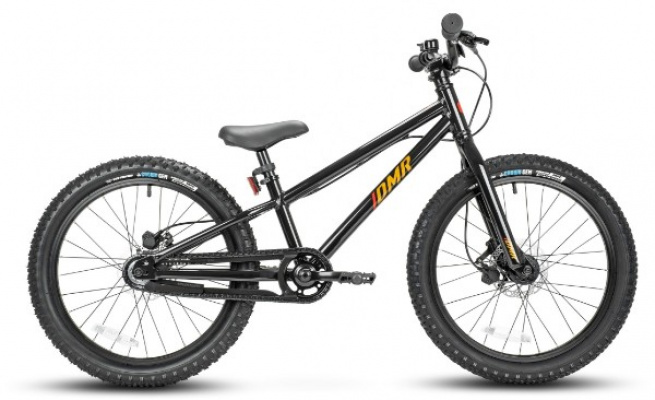
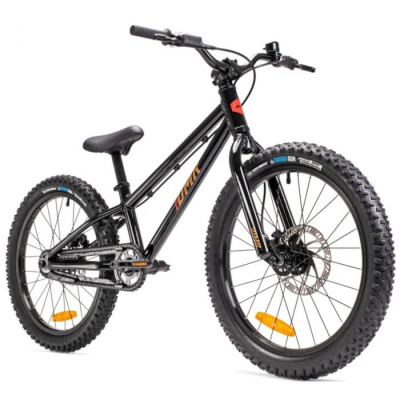
DMR Kids Bikes bring the same no-nonsense engineering philosophy that's defined the brand's reputation on UK dirt jumps and hardtail trails - scaled down properly for younger riders. This isn't a range bolted together as an afterthought. The Sidekick family is built around kid-specific geometry, lightweight aluminium frames, and scaled-down versions of DMR's contact points, so the bike actually fits how a child moves rather than asking them to adapt to something too big and too heavy.
Whether your child is finding their balance on two wheels for the first time or already eyeing up the local pump track, there's a Sidekick sized for where they're at. The proportional cranks keep pedalling efficient rather than bow-legged, the low standover height means confident foot-downs, and the short-reach brake levers work with small hands - not against them. That matters on a wet October morning as much as it does on a dry Saturday at the bike park.
DMR has spent decades making bikes serious riders trust. The Sidekick range applies that same thinking to a younger audience, and the result is a kids' bike that parents don't need to apologise for at the trail head.
Prices and availability can change quickly. Delivery charges are not always included in listed prices.
Final price, stock status and delivery terms are set by retailer. We may receive a commission on purchases made.
Decoding the DMR Kids Bike Lineup
The Sidekick range is built as a clear progression, so you're not guessing which bike fits where. It starts with the Sidekick Balance Bike - no pedals, no fuss, just a lightweight aluminium frame that helps toddlers develop coordination and confidence before the cranks even arrive. From there, the pedal bikes run through 14-inch, 16-inch, 18-inch, and 20-inch wheel sizes, each matched to a bracket of height and ability rather than a rigid age cut-off.
The 14-inch suits riders roughly between 95 - 105cm tall - typically three to four year olds just transitioning from a balance bike. The 16-inch steps up for 100 - 115cm, the 18-inch for around 110 - 125cm, and the 20-inch covers the 115 - 135cm bracket where kids start genuinely riding rather than just scooting around. That 18-inch wheel is worth calling out specifically. Most brands jump straight from 16 to 20, which is a significant leap in bike size and handling. DMR's inclusion of the 18-inch means kids aren't suddenly wrestling a bike that feels like a lorry - it's a considered stepping stone that keeps confidence building rather than stalling.
Once they've outgrown the Sidekick 20, it's worth looking at DMR's full mountain bike range for the move into junior and adult-sized hardtails. The handling habits built on a Sidekick translate well to those bigger bikes.
The DMR Tech Philosophy: Dirt Jump DNA
Cheap kids' bikes tend to handle twitchily because the geometry is an afterthought - a shrunken adult frame with no real consideration for how a smaller rider balances and steers. DMR's Sidekick Geometry takes the opposite approach. The low standover height means your child can get a foot down quickly and confidently, which is the difference between a kid who's relaxed on the bike and one who's tense before they've even started pedalling. The longer wheelbase adds stability at speed without making the bike feel sluggish - think of it as the difference between a sports car and a go-kart; the Sidekick sits closer to the stable end without being boring.
The narrow Q-factor cranks are a detail that's easy to overlook but genuinely matters. Q-factor is the distance between the pedals, and on most budget kids' bikes it's far too wide, forcing children to pedal with their knees splayed outward. DMR's proportional cranks bring the feet closer together to match a child's narrower hip width, which means more efficient pedalling and less fatigue on longer rides. It also builds better movement patterns early on.
Contact points get the same attention. The custom scaled-down DMR grips are sized for smaller hands and offer proper grip rather than the slippery plastic tubes you find on cheaper alternatives. The DMR pedals use the same logic - genuine platform area and traction that keeps small feet in place on a pump track lip or a rooty descent, not just something to spin with trainers on.
If you're comparing options, Frog Bikes take a similarly weight-conscious approach and are worth a look, while Cube's kids range offers broader spec variety at different price points. DMR's edge is specifically the dirt jump and trail pedigree built into the geometry and components.
Living with a DMR in the UK
UK riding with kids means mud. A lot of it, from October through to April at minimum. The Sidekick's generous tyre clearance handles the clag that builds up on woodland singletrack and bridleway riding without packing solid and grinding against the frame - practical when you're rolling through a Chilterns bridleway or a damp forest trail in the Trossachs. The tyres fitted as standard have enough volume to absorb the choppier, rooted stuff rather than deflecting off every bump.
Cold, wet hands are a real issue for young riders, and short-reach brake levers address it directly. A child whose fingers can't properly reach the brake lever either can't stop effectively or grips the bar awkwardly to compensate. Neither is good. DMR's levers are set up so small hands can apply proper braking force without stretching, which matters most on a slippery descent or when they need to scrub speed quickly coming into a pump track berm.
Maintenance on aluminium-framed kids' bikes is straightforward, but a couple of things are worth doing regularly if the bike sees wet rides. Clean and re-lube the chain after muddy outings - kids' drivetrains are typically simpler single-speed setups, so it takes two minutes. The bottom bracket bearings are the other thing to check periodically; water ingress after sustained wet riding can accelerate wear. A quick spin of the cranks and a check for any grinding or lateral play will tell you if it needs attention. The saddle height is also worth revisiting every few months - kids grow faster than you expect, and a saddle that's too low forces inefficient pedalling and puts unnecessary load on the knees.
For pump track riding specifically, the Sidekick's geometry and robust build mean it holds up to repeated sessions without feeling like it's being abused. These are bikes that can genuinely go to a local BMX track every weekend without the components giving up after a season.
DMR Kids Bikes FAQs
Are DMR kids bikes good for mountain biking?
Yes. The Sidekick range is built with dirt jump and MTB principles in mind - robust lightweight aluminium frames, off-road capable tyres with good clearance, and geometry that's stable rather than twitchy. The larger 18-inch and 20-inch sizes are well-suited to UK pump tracks, trail centres, and woodland singletrack where the handling actually needs to work.
What size DMR Sidekick does my child need?
DMR sizes by wheel diameter across balance, 14-inch, 16-inch, 18-inch, and 20-inch pedal bikes. Rather than going by age, measure your child's inside leg and check it against DMR's standover height for each model - that tells you whether they can get a comfortable foot down. Age ranges are a rough guide only; height and confidence matter more.
How much does a DMR kids bike weigh?
DMR uses lightweight aluminium frames and forks across the Sidekick range to keep weight proportional to the child riding it. A heavy kids' bike is genuinely harder to handle, brake, and carry - so the weight saving isn't just a spec-sheet number. Exact figures vary by model and size, but DMR's approach puts them towards the lighter end of the kids' bike market.