
Deity Saddles
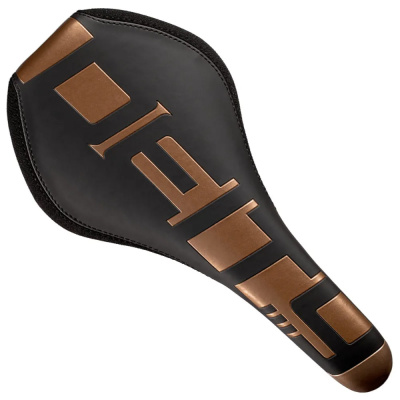
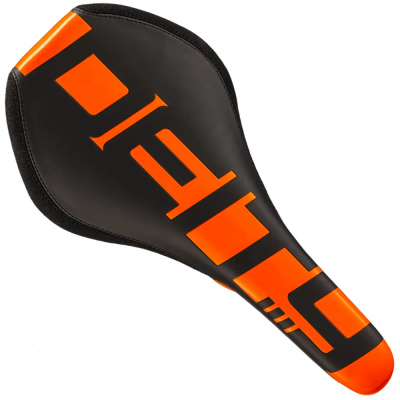
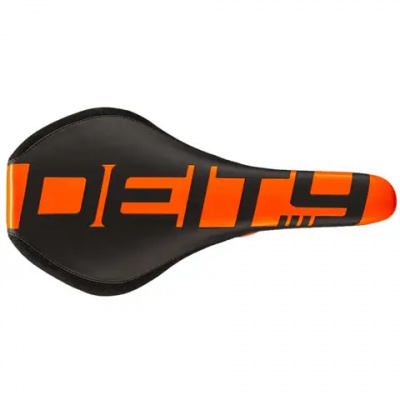
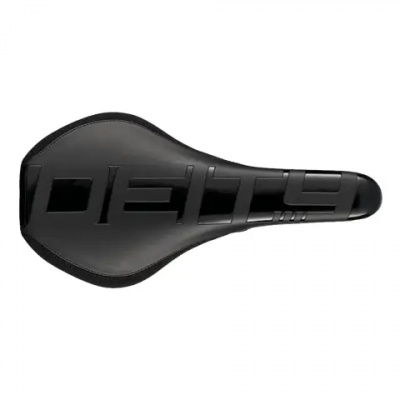
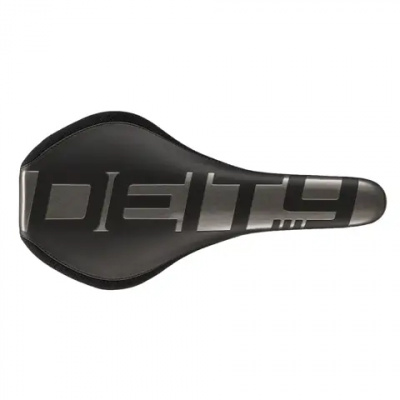
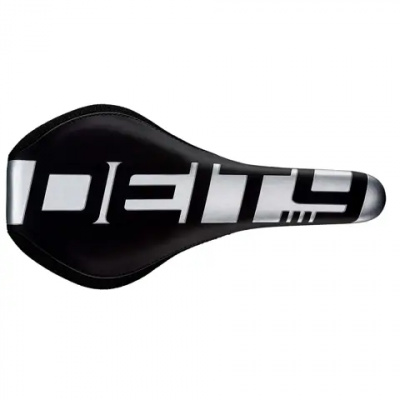
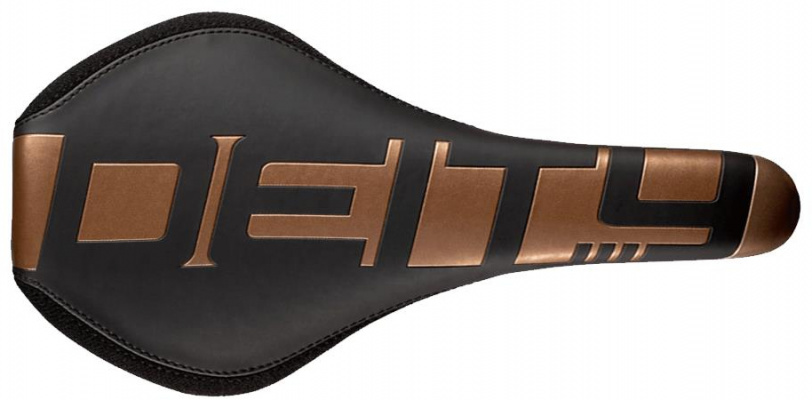
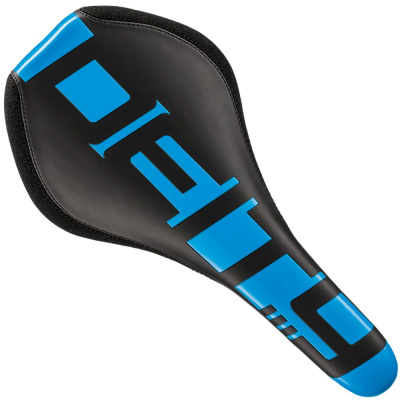
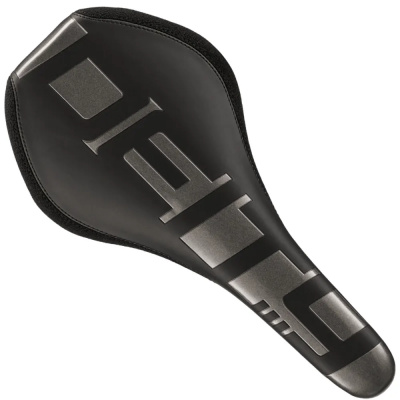
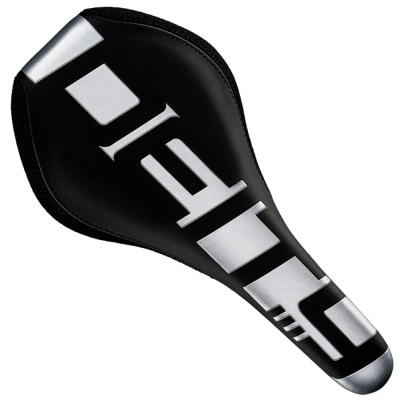
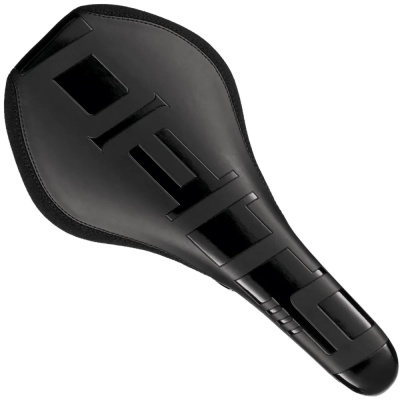
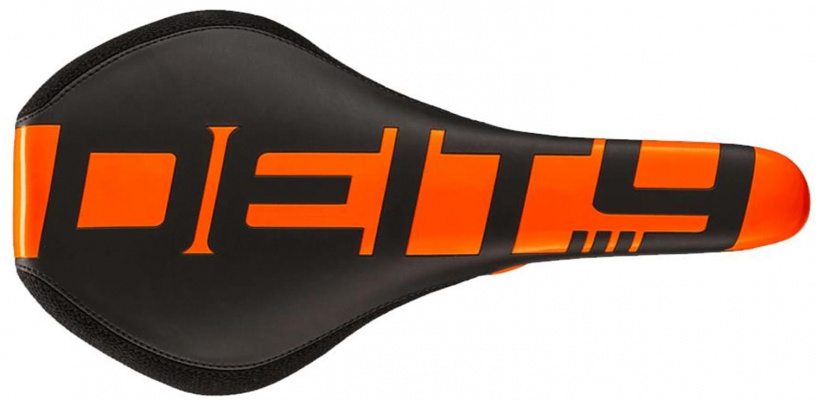
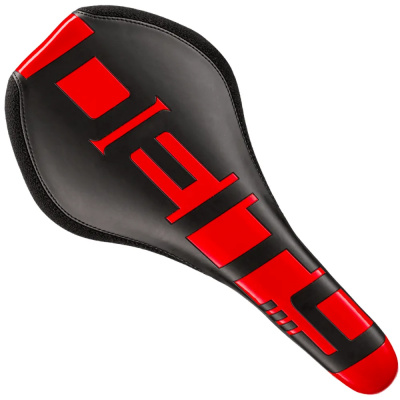
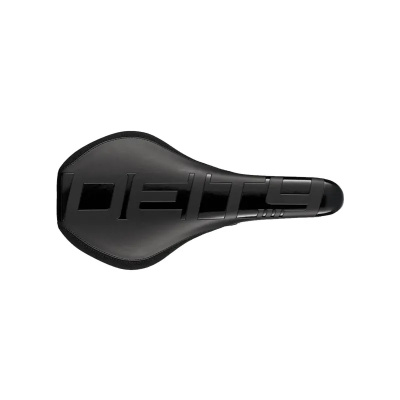
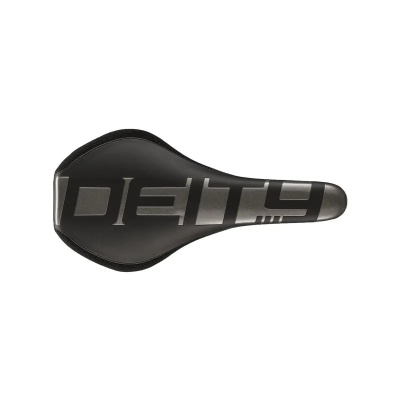
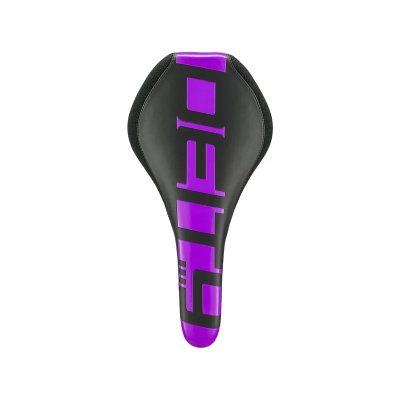
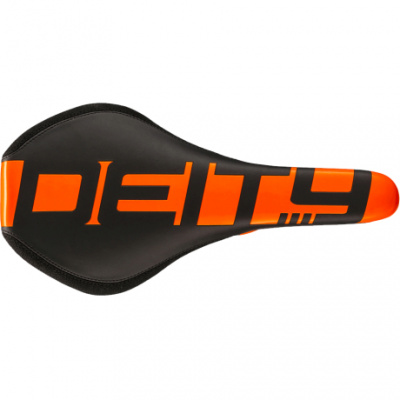
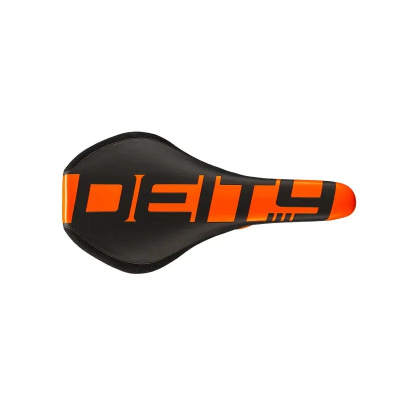
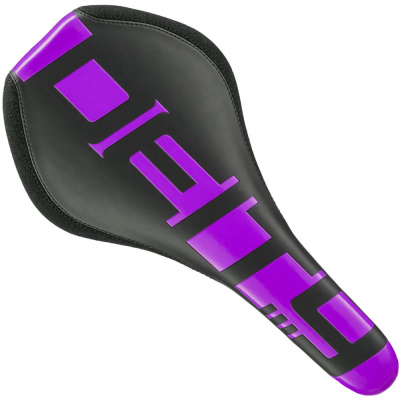
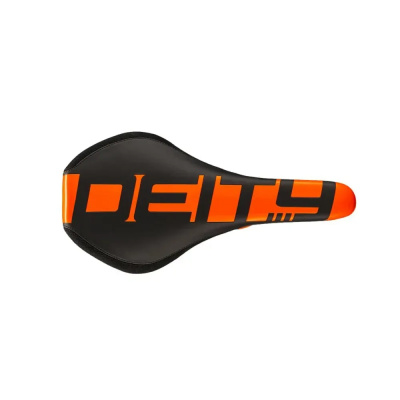
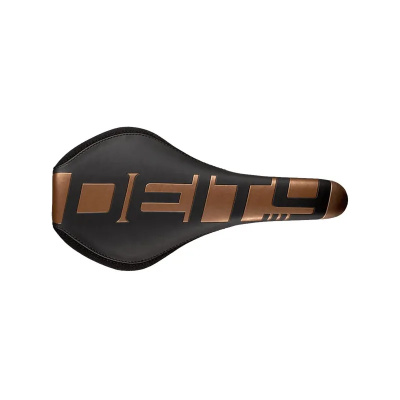
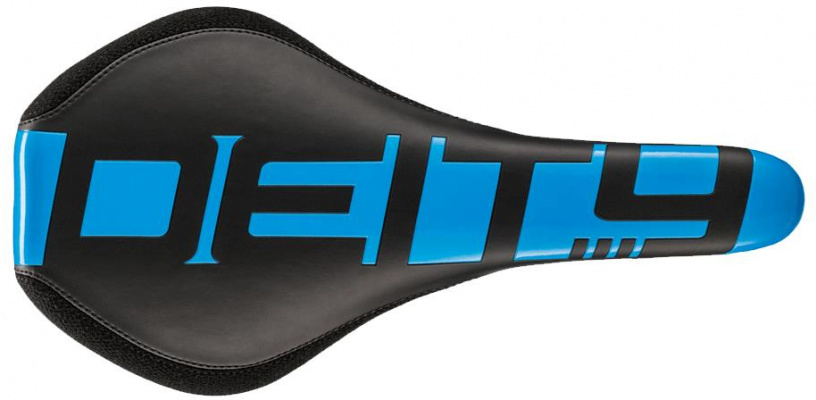
Deity saddles sit at the crossroads of bold design and proper durability - built for riders who want their contact points to survive everything from a greasy Peak District descent to a front wheel wash-out at a trail centre. Whether you're speccing an enduro race rig, a full-send downhill sled, or a dirt jump setup, Deity has a saddle shaped around your discipline. That's not a casual claim - they've put genuine thought into model differentiation, which is rarer than it should be at this end of the market.
Across the range you'll find mid-density EVA foam tuned for sit bone support without the marshmallow softness that has you sliding around mid-corner, paired with either hollow titanium rails for weight-conscious builds or CrMo rails where outright robustness is the priority. Kevlar side panels handle the inevitable moments when your bike and a wet rock have an argument. Aesthetics are sharp - these saddles look the part on a polished build - but the substance is there underneath the graphics. If you're refreshing the whole seating setup, our Deity Seat Clamps page is worth a look before you start torquing anything down.
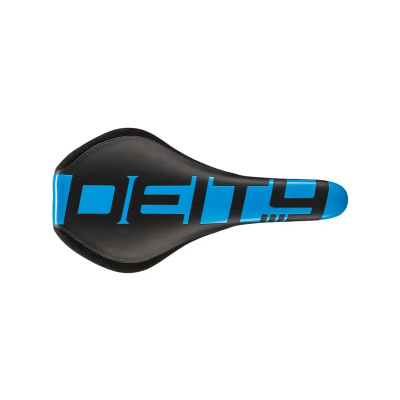
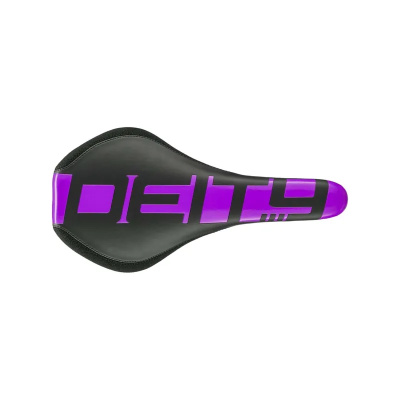
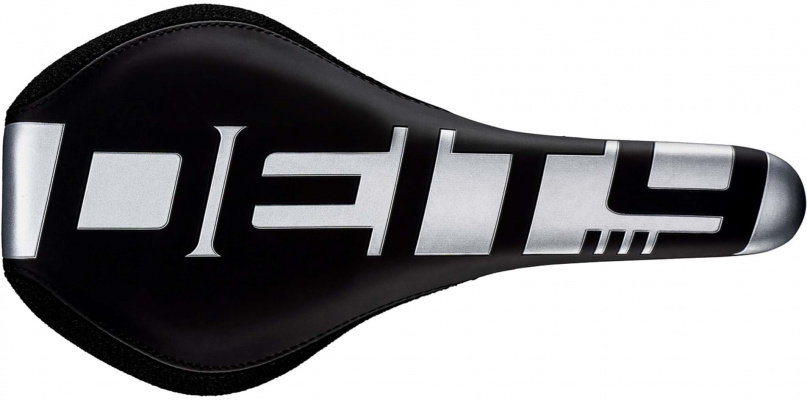
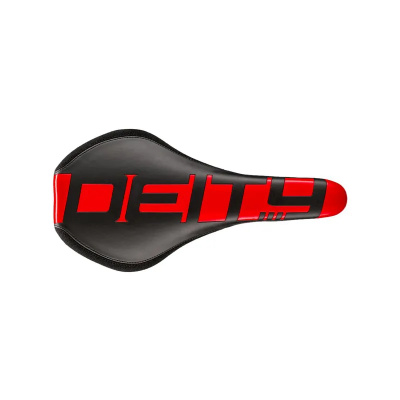
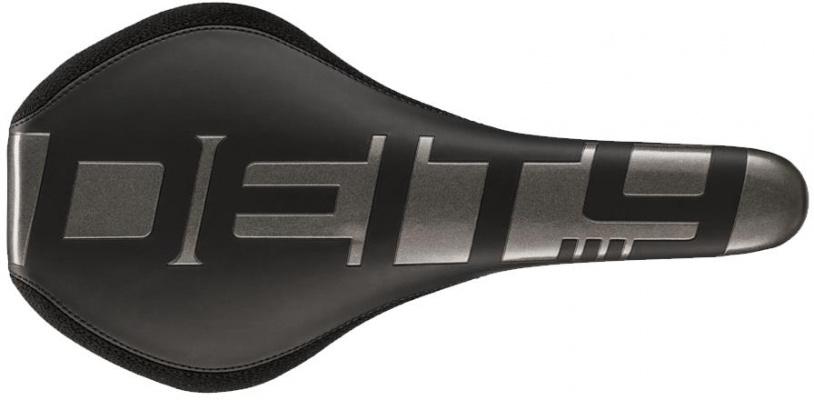
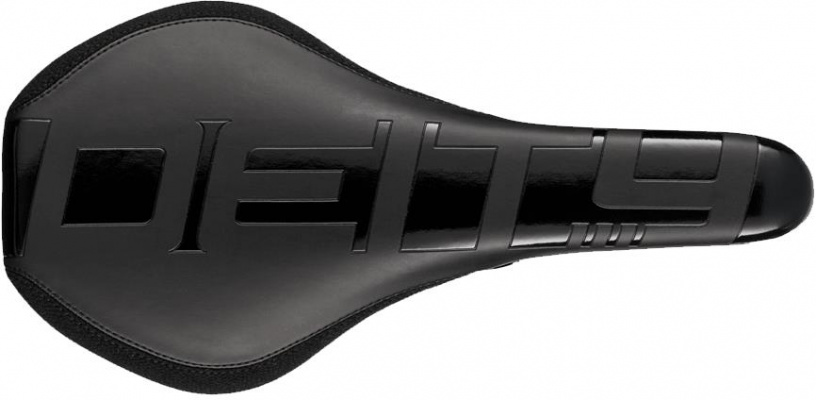
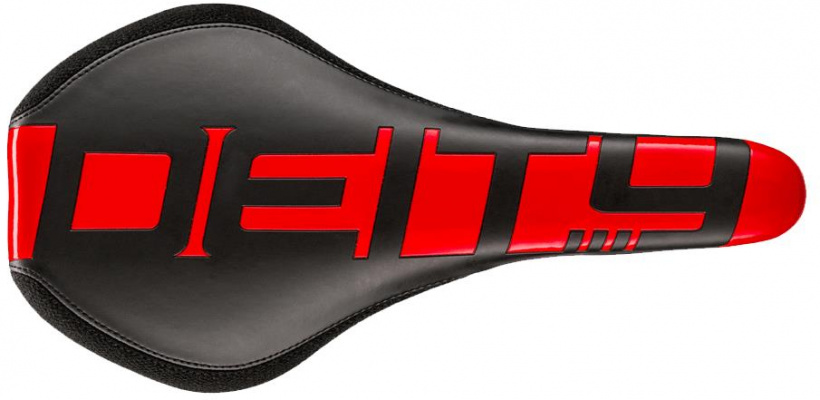
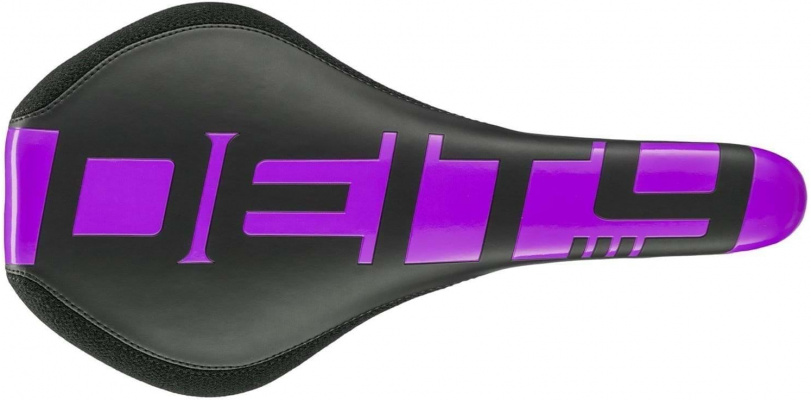
Prices and availability can change quickly. Delivery charges are not always included in listed prices.
Final price, stock status and delivery terms are set by retailer. We may receive a commission on purchases made.
Rails, I-Beam, and Pivotal: Getting Compatibility Right
Before you commit to any Deity saddle, check what your seatpost head actually accepts - this is the bit that catches people out at the workstand. The Deity Speedtrap runs on standard 7mm rails, which means it drops straight onto virtually any modern dropper post or rigid post without a second thought. That breadth of compatibility makes it the obvious choice if you're not deep into a specific discipline's ecosystem.
The Deity Sidetrack is a different conversation. It uses the SDG I-Beam standard - a stiffer, wider mounting platform designed for the loading that downhill riding puts through a saddle. The trade-off is that you'll need an I-Beam-compatible post to run it, and not every dropper supports that. If you're on a dedicated DH bike with a fixed-height post, the I-Beam format makes plenty of sense; if you're trying to run it on a trail dropper, check the spec sheet first.
The Deity Frisco and Deftrap operate on the Pivotal standard - a single-bolt system that's near-universal in the dirt jump and slopestyle world, lighter in construction, and dead simple to set up. Pivotal posts are everywhere in that discipline, so compatibility is rarely an issue if you're already in that scene. If you need to lock your post in place before the saddle goes on, take a look at our Deity Seat Clamps collection.
Speedtrap vs Sidetrack vs Frisco: Which Model for Which Ride
The Speedtrap is Deity's workhorse. It's the saddle that makes sense for enduro, trail, and all-mountain riding - disciplines where you're actually pedalling significant distances rather than dragging your bike up a lift. The SDG base technology underpins the shell, giving it a calibrated flex that absorbs chatter without going floppy under hard pedalling loads. Pair that with the hollow titanium rail option and you've got a saddle that doesn't punish a weight-conscious build. CrMo rails are there if you'd rather have extra toughness for less money - sensible on a bike that spends time on the ground as much as under you.
The Sidetrack is purpose-built for downhill and freeride use, and it shows in the I-Beam mounting. That system gives you a wider, stronger attachment point that handles the repeated impacts of big hits without flexing where you don't want it to. Rear tyre clearance is genuinely improved over standard rail designs - relevant on longer-travel DH bikes where the saddle can catch a rear tyre under full compression. If you're looking at alternatives in this space, Burgtec saddles and DMR saddles are worth comparing for downhill-focused use - but the Sidetrack holds its own on durability.
The Frisco and Deftrap occupy the dirt jump and slopestyle end of the range. Pivotal mounting keeps things simple, and the padding is deliberately thicker here - not for comfort in the traditional sense, but because pinching the saddle through a 360 or a no-hander puts different demands on the foam than just sitting on it. The D3O integration in select Deity models adds impact absorption that's genuinely useful when a trick doesn't go to plan and the saddle takes a hit. If you're building out a complete contact-point setup, their Deity Grips and Deity Handlebars are worth pairing in - consistency across the cockpit makes a real difference.
For riders comparing the Deity Speedtrap vs Sidetrack specifically: the decision almost always comes down to discipline first, then post compatibility. Enduro and trail riders want the Speedtrap's pedalling efficiency and wide dropper compatibility. Downhill riders want the Sidetrack's I-Beam strength and tyre clearance. Trying to use one in the other's role is a compromise you don't need to make. If you're after something more ergonomically shaped for longer days in the saddle, Ergon saddles are worth a look as an alternative approach.
Keeping Deity Saddles Alive Through a UK Winter
UK winters do a specific kind of damage to saddles - it's not just water, it's the abrasive slurry of mud and grit that grinds into stitching and wears through cover material faster than most brands account for. Deity's Kevlar side panels are directly aimed at this. When the bike goes down on wet roots or a gritty trail surface - and it will - the Kevlar edge takes the abrasion rather than the foam or the stitching. It's the difference between a saddle that still looks decent after a season and one that's tatty by Christmas.
The EVA foam is another area to protect. It's mid-density by design, which gives you that balance of sit bone support and compliance, but waterlogged foam loses both properties. The worst thing you can do is point a pressure washer at the saddle seams after a ride - water forced past the stitching will saturate the foam and it won't recover fully. A soft brush and mild soapy water is all you need. Work around the Kevlar edges and the synthetic cover, rinse with a gentle hose, and let it dry away from direct heat. Takes two minutes and extends the saddle's life considerably.
If the seams on an older saddle are starting to open up, a thin bead of seam sealer keeps water out for another season. It's not glamorous, but neither is buying a new saddle every winter. For a different take on durability at this price point, Fabric saddles are worth comparing - they take a different construction approach that some riders find holds up well in consistently wet conditions.
Deity Saddles FAQs
Are Deity saddles compatible with standard seatposts?
Trail and enduro models like the Speedtrap use standard 7mm rails, so they'll fit almost any modern seatpost or dropper without issue. Dirt jump and downhill saddles are a different matter - the Frisco runs Pivotal and the Sidetrack runs I-Beam, both of which need matching seatposts. Always check your post's clamp head before ordering.
What is the difference between the Deity Speedtrap and Sidetrack?
The Speedtrap is built for enduro and trail riding - standard 7mm rails, SDG base for pedalling efficiency, wide dropper compatibility. The Sidetrack is a dedicated downhill saddle using the I-Beam mounting system for greater strength and improved rear tyre clearance. Different tools for genuinely different jobs.
How do I clean my MTB saddle after a muddy ride?
Use a soft brush and mild soapy water - that's really all it needs. Work around the Kevlar edges and synthetic cover, then rinse gently and let it air dry. Keep the pressure washer away from the seams; forcing water past the stitching will saturate the EVA foam and degrade its support over time.