
Deda Gravel Wheels
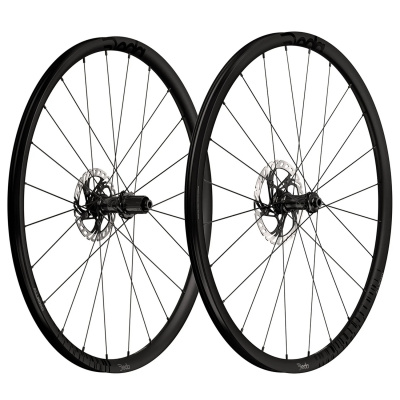
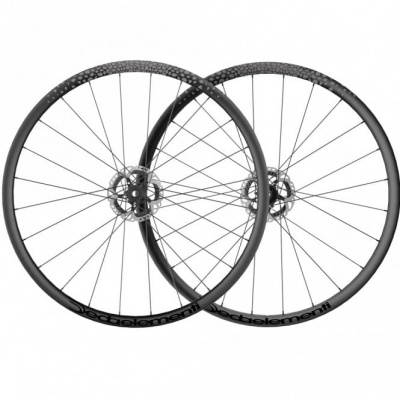
Deda gravel wheels might not be the first thing you think of from a brand famous for cockpit components, but the Gera series makes a compelling case that their engineering runs deeper than bars and stems. Built around asymmetric rim profiles, tubeless-ready construction, and hubs with 17-tooth pawl engagement, these wheelsets are designed to handle whatever the British countryside throws at them - from the flint-strewn bridleways of the South Downs to the grit-and-mud cocktail of a Pennine winter loop.
The range splits neatly into carbon and alloy options, so whether you're chasing fast gravel race results or loading up for a multi-day bikepacking trip, there's a Deda Elementi gravel wheelset that fits the brief. Both use 700c hoops with internal rim widths of 23mm or wider, which means your 38c to 45c gravel tyres sit with a proper, rounded profile rather than a pinched, light-bulb shape. Centerlock disc rotor mounts and 12mm thru-axle standards are consistent across the range, keeping fitment straightforward on modern gravel frames. Browse the full range below and find the set that suits your riding.
Prices and availability can change quickly. Delivery charges are not always included in listed prices.
Final price, stock status and delivery terms are set by retailer. We may receive a commission on purchases made.
Fitment, Standards, and What Goes Where
Get the compatibility right before anything else. All current Deda gravel wheels run 12x100mm thru-axle at the front and 12x142mm at the rear - the standard pairing on virtually every gravel and adventure frame sold in the UK over the last few years. Rotor mounting is Centerlock throughout, which keeps things tidy and means a torque wrench and lockring tool is all you need to swap rotors between wheelsets.
Internal rim width sits at 23mm or wider across the range. That matters because ETRTO guidelines have moved on - a 23mm internal width is the minimum you want under a 40c tyre to get the casing to open up correctly, reduce rolling resistance, and improve pinch-flat resistance on sharp gravel. Fit anything narrower than a 28c and you're working against the rim's geometry; go up to 45c or 50c and the wider internal channel keeps the tyre stable under cornering load rather than folding unpredictably.
Deda hubs use a modular freehub body design, so you're not locked into one drivetrain standard. For specifics on swapping between Shimano HG, SRAM XDR, or Campagnolo N3W bodies, head to the Deda freehub bodies and spares page. If your frame still uses quick-release dropouts or you need conversion hardware, the Deda skewers page covers the relevant options.
Gera Carbon vs Gera Alloy: What You Actually Get
The Gera name covers both carbon and alloy builds, and the gap between them is more nuanced than just weight. Understanding what you're paying for helps you make the right call rather than defaulting to carbon because it sounds faster.
Gera Carbon uses a directional carbon fibre layup optimised for lateral stiffness without making the ride feel like you're rolling on rail track. The deeper aero profile isn't dramatic - this isn't a road race rim - but it adds enough structural rigidity that the wheel resists flex under hard out-of-saddle efforts on loose gravel. Carbon also damps high-frequency vibration more effectively than alloy; over a long day on rough tracks, that difference accumulates. Rotational weight is noticeably lower, which matters most when you're repeatedly accelerating out of corners or punching up short, sharp climbs. The POB (Polish on Black) finish Deda applies is worth noting - it's not just cosmetic. The process produces a durable, corrosion-resistant surface that holds up better than raw carbon or standard lacquer when it takes stone chip strikes on gritty descents.
Gera Alloy is the more forgiving choice in the physical sense. Alloy rims absorb sharp impacts - a flint edge, a pothole rim, a mis-judged line on a rocky Welsh descent - without the catastrophic failure risk that a severe strike can pose to carbon at speed. For loaded bikepacking where the wheel sees sustained stress from extra weight over rough ground, that impact resistance is genuinely reassuring. The Gera Asymmetric Rim Profile (the asymmetric design that balances spoke tension across the wheel) is present in both versions, which is the detail that really separates these from budget wheelsets. Uneven spoke tension is the main reason wheels go out of true under load; the asymmetric profile counters that by equalising the geometry of the spoke bed, so the wheel stays truer for longer between services.
Both options use the same 17-tooth pawl engagement hubs, which translates to fast pickup - roughly 21 degrees of rotation before the drive engages. On technical gravel where you're constantly modulating pedal pressure, that responsiveness is noticeable. If you're comparing options, DT Swiss gravel wheels and Hope gravel wheels sit in a similar bracket and are worth a look, though Hope's UK-made hubs offer a different serviceability story. Fulcrum gravel wheels are another Italian-engineered alternative if the Deda range doesn't quite match your spec.
Keeping Deda Wheels Running Through a UK Winter
British winters are hard on wheels. Road salt, abrasive mud, and repeated rim strikes on flinty tracks all take a toll if you don't stay on top of basic maintenance. None of this is complicated, but it's worth doing regularly rather than waiting until something fails.
Tubeless tape is the first thing to check after any serious rim strike. A hard impact on a sharp stone can deform the rim bed slightly - not enough to see easily, but enough to compromise the tape's seal. If you hear a slow, intermittent hiss after hitting something solid, pull the tyre, inspect the tape for creases or lifts, and re-tape if there's any doubt. Both the Gera Carbon and Gera Alloy are tubeless ready straight from the box; you just need valves and sealant to set up. Re-check sealant levels every six to eight weeks through winter - it dries faster in cold air than most riders expect.
Hub seals take a beating in gritty mud. After any wet, abrasive ride - think Peak District moorland in November, or the clay-heavy bridleways of the Chilterns after rain - spin the wheels and listen for any roughness in the bearings. Deda uses double-sealed cartridge bearings, but a blast of grit-laden water at the hub flanges over time will work past the seals if you never flush them. A gentle rinse from a low-pressure hose, followed by a light application of wet lube to the seal lips, costs you five minutes and extends bearing life significantly. Don't pressure-wash directly at the hub - that forces water in rather than keeping it out.
For off-season storage or travelling to events, keeping your wheels properly protected prevents cosmetic damage and, more importantly, protects the rim walls from knocks that can affect tubeless seating. Check out the Deda wheel bags category for dedicated storage and transit options. If you're building out the rest of your gravel setup, Deda's gravel handlebars and bar tape are worth pairing in - keeping the same engineering philosophy through the contact points makes sense, and the POB finish across the range ties the whole cockpit together visually.
Deda Gravel Wheels FAQs
Are Deda gravel wheels tubeless ready?
Yes. The Gera series and current Deda Elementi gravel wheelsets come tubeless ready out of the box. You'll need to fit tubeless valves and add your chosen sealant - the rim bed and tape are already sorted from the factory. Setup is straightforward on any modern gravel frame.
What is the maximum tyre width for Deda gravel wheels?
Deda gravel rims run a 23mm or wider internal rim width, which safely accommodates tyres from around 28mm up to 50mm. That said, always check your specific frame and fork clearance before fitting the widest tyres - rim width and tyre width are only part of the equation.
Can I change the freehub body on Deda wheels?
Yes. Deda hubs use a modular design, letting you swap between Shimano HG, SRAM XDR, and Campagnolo N3W freehub bodies without replacing the whole wheel. It's a practical detail if you're planning a drivetrain change down the line. Replacement bodies are listed on our Deda freehub bodies and spares page.