
DDK Saddles
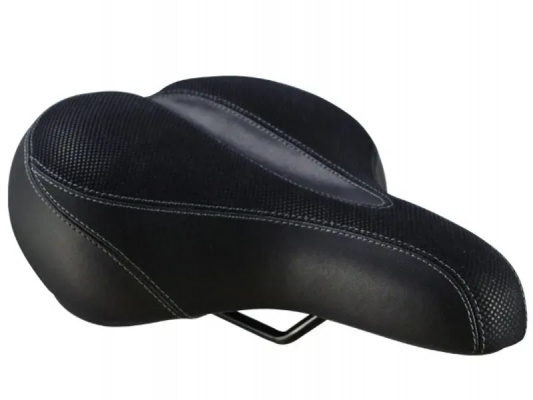
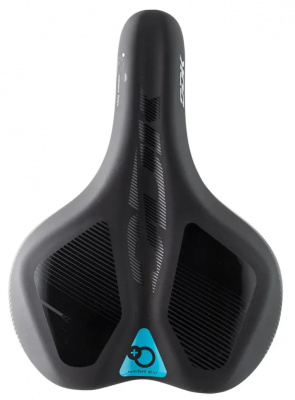
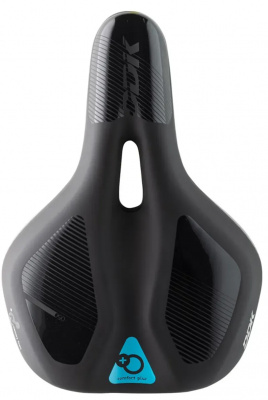
DDK saddles are built around a straightforward idea: that comfort and affordability don't have to be strangers. Whether you're dragging a commuter back into daily service, swapping out the slab of plastic that came on your new e-bike, or just wanting your weekend towpath rides to stop punishing your sit bones, DDK makes a genuine case for itself. The combination of high-density memory foam and integrated elastomer shock absorbers takes a surprising amount of edge off rough UK roads - potholed city streets and broken canal paths included.
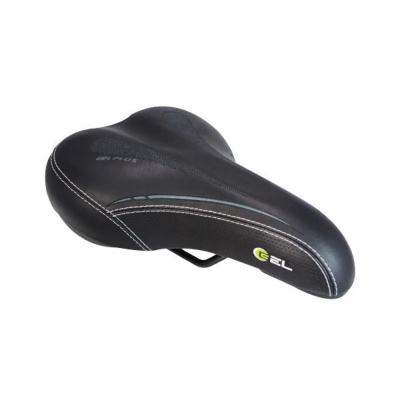
The synthetic covers are designed to handle British weather without immediately soaking through, and the standard steel rail construction means fitting one is rarely complicated. These aren't saddles chasing podiums. They're aimed squarely at riders who want a plush, practical upgrade over whatever stiff, afterthought seat the manufacturer bolted on at the factory. The range spans wider comfort profiles for upright riding through to narrower trekking shapes with pressure relief channels for longer days in the saddle. Compare the latest prices on DDK saddles below and find the fit that works for your riding.
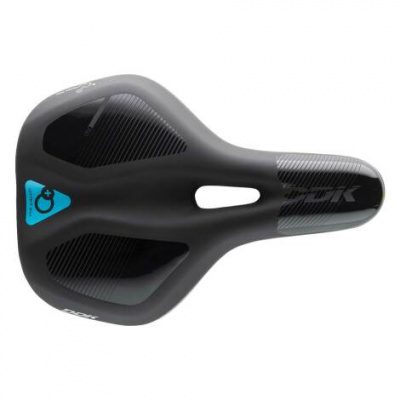
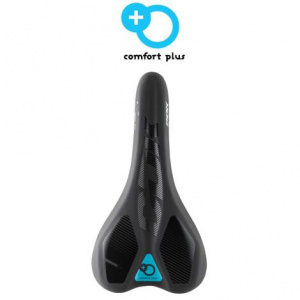
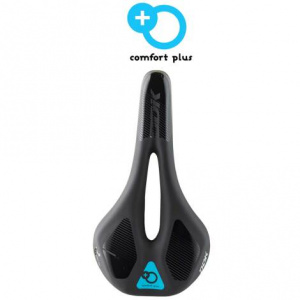
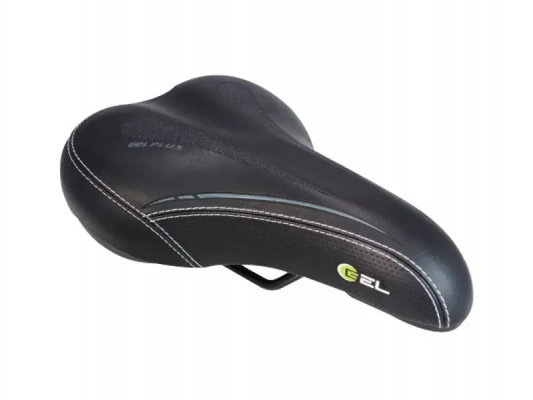
Prices and availability can change quickly. Delivery charges are not always included in listed prices.
Final price, stock status and delivery terms are set by retailer. We may receive a commission on purchases made.
Rail Standards and Seatpost Compatibility
DDK saddles run on standard 7x7mm round steel or chromoly rails, which slots them straight into virtually any modern micro-adjust seatpost without fuss. If your bike was made in the last fifteen years or so, you're almost certainly fine. Older bikes with a straight, non-adjustable seatpost are a different story - you'll need to reuse the original saddle clamp hardware (the internal 'guts' of your post) rather than binning it. Worth checking before you order.
On torque: when you're re-clamping the rails, aim for the manufacturer's specified range, typically 12 - 15Nm. Go beyond that and you risk crushing or deforming the rails, which ruins both the saddle and the post clamp over time. A basic torque wrench is worth keeping in the garage for this exact job. Chromoly rails are slightly more forgiving than plain steel, but neither responds well to being gorilla-gripped into place.
Seatpost clamp compatibility also matters if you're looking at Ergon saddles or Bioflex saddles as alternatives - both also use standard rail dimensions, so comparing across the range on Bikesy is straightforward.
The DDK Range Broken Down
DDK's lineup splits into two reasonably distinct camps. The City and Comfort line runs wider profiles with heavy elastomer use, designed for riders sitting fairly upright - think hybrid bikes, e-bikes, and city commuters. The padding is generous, the shape is broad enough to support wider sit bone widths, and the focus is squarely on absorbing vibration rather than saving grams. These are the saddles you reach for when someone says their backside hurts after ten minutes.
The Trekking and Sport line is narrower and built around a more forward-leaning geometry. The key feature here is DDK's Ergonomic Active Design (EAD), which incorporates central O-Zone pressure relief channels running the length of the saddle. These channels reduce soft-tissue pressure during longer efforts - the kind of sustained low-grade discomfort that builds up on a two-hour ride even when nothing feels acutely wrong. If you're covering distance on a trekking bike or a loaded commuter, this is the line to consider.
DDK also produces saddles specifically engineered for e-bikes. These feature reinforced rear handles - handy for lifting heavier machines in and out of garages or up kerbs. It's a small detail but one that genuinely gets used. The ergonomic design and padding spec stay consistent with the comfort range, so you're not sacrificing anything to get the handle.
For context, Madison saddles occupy similar price territory with a comparable comfort focus, worth a look if you want an alternative at the same end of the market.
How DDK Saddles Hold Up in British Conditions
The synthetic covers DDK uses are genuinely weather-resistant. A wet commute or a damp Peak District afternoon isn't going to cause immediate problems. The issue - and it's worth being clear about this - is what happens if the cover gets torn or punctured. Memory foam is an excellent sponge when it's exposed to water. A small nick in the cover left untreated through a wet winter will leave you with a waterlogged saddle that never quite dries out and starts to deteriorate from the inside. Check the cover periodically, especially around the edges where it meets the rails.
Day-to-day maintenance is simple: wipe the saddle down after gritty, wet rides. Abrasive road muck sitting on a synthetic cover acts like fine sandpaper over repeated rides. It takes thirty seconds with a damp cloth. For heavy downpours or bike storage outside, a DDK saddle cover is the obvious answer - worth considering before replacing the whole saddle if your current one is otherwise in good shape.
On squeaking: it's one of the most reliably annoying things a bike can do, and saddle rails are a common culprit. The fix is almost always the same - the rails are running dry against the seatpost clamp. Pull the saddle off, clean the saddle rails and the clamp contact points, apply a light smear of grease (copper slip works well here), and re-torque the seatpost clamp bolts to spec. Takes ten minutes. If the creak persists, check the seatpost itself in the frame - a separate issue but easy to confuse.
The integrated elastomer shock absorbers in DDK's comfort saddles do a real job on urban roads. UK city tarmac - especially on older roads and towpaths - transmits a constant low-frequency buzz that wears you down over distance. The elastomers interrupt that before it reaches you, which is a different sensation to simply having more foam. Worth understanding the distinction: foam absorbs peak impacts, elastomers damp the continuous vibration. DDK uses both, which is why these saddles feel noticeably better than many budget alternatives on rough surfaces.
DDK Saddles FAQs
Are DDK saddles compatible with all bikes?
Most DDK saddles use standard 7x7mm round steel rails, so they'll fit almost any modern micro-adjust seatpost without modification. On older bikes with a straight seatpost, you'll need to reuse your existing clamp hardware rather than relying on the new saddle alone - worth checking before you buy.
Are DDK saddles waterproof?
The synthetic covers handle UK rain well in normal use. The risk comes if the cover gets torn - exposed memory foam absorbs water readily and won't dry out quickly. For regular wet-weather riding or outdoor storage, fitting a waterproof saddle cover is a sensible precaution rather than an afterthought.
How do I stop my DDK saddle from squeaking?
Nine times out of ten, the noise is the saddle rails rubbing dry against the seatpost clamp. Remove the saddle, clean the rails and clamp contact points, apply a light smear of grease, and re-torque the bolts to the manufacturer's spec. If it persists, check whether the seatpost itself is the source - a different fix entirely.