
Dawes Kids Bikes
Dawes kids bikes have been part of British cycling for long enough that plenty of today's parents learned to ride on one - and the brand still knows what young riders actually need. Not the flashiest box on Christmas morning, but a bike that doesn't fight back. That means manageable weight, geometry sized for small bodies, and controls a child's hands can actually operate. Those things matter more than colour options when your kid is learning to balance, steer, and brake for the first time.
The range splits into two clear camps. The Academy series sits at the premium end: lightweight 6061 alloy frames, child-specific componentry, and a bike-to-rider weight ratio that competes directly with Frog Bikes. It's the line to look at if your child rides regularly or you want a bike that won't slow their progress. Then there are the everyday models - tougher, heavier, and noticeably easier on the wallet - which suit kids who mostly ride to school or round the park and whose bikes spend half their life in a damp shed.
Wheel sizes run from 12-inch balance bikes for toddlers right up to 26-inch junior hybrids for early teens. If you're after a Dawes for yourself, take a look at their hybrid bikes or folding bikes ranges.
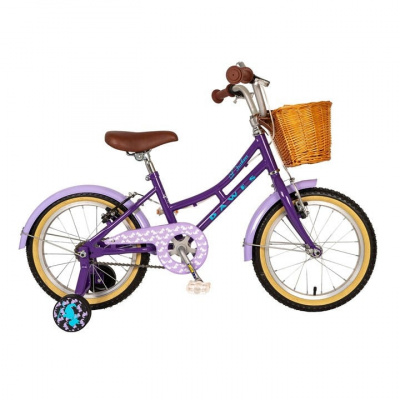
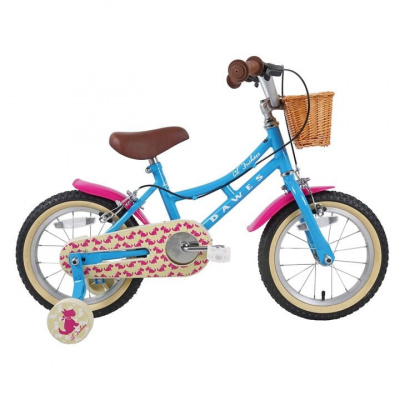
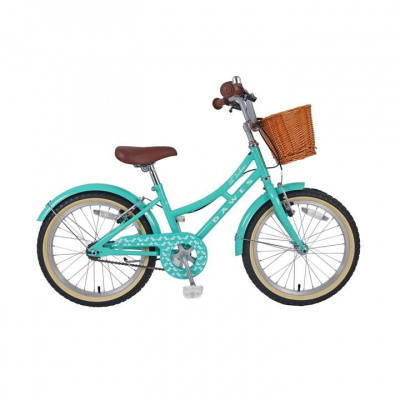
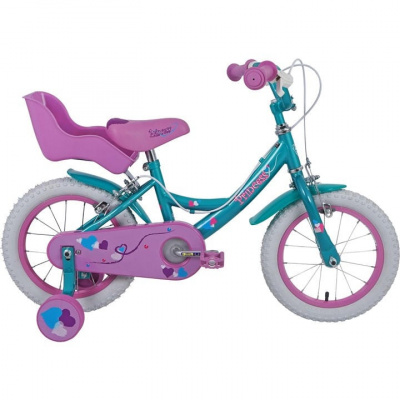
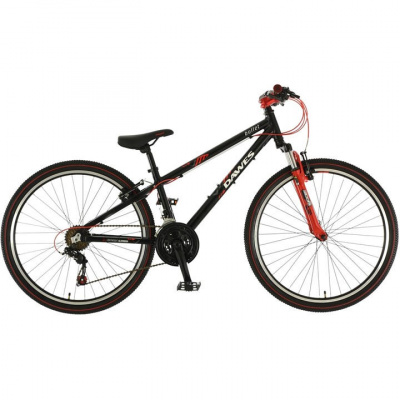
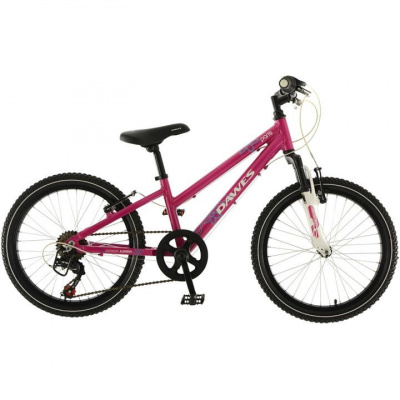
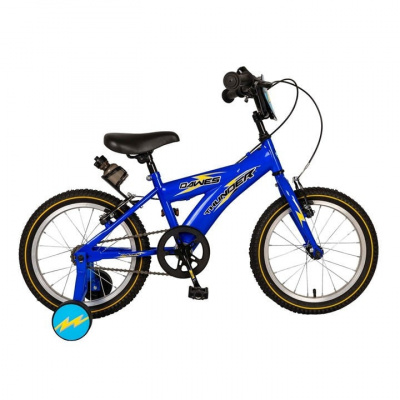
Prices and availability can change quickly. Delivery charges are not always included in listed prices.
Final price, stock status and delivery terms are set by retailer. We may receive a commission on purchases made.
Decoding the Dawes Kids Lineup
The Academy range is where Dawes puts its serious engineering effort. These are Dawes children's bikes built to a brief that would have seemed ambitious for the category a decade ago - lightweight alloy construction, proportional geometry across every size, and components chosen for small hands and short legs rather than simply scaled-down adult parts. If you've priced up a Frog or looked at Cube kids bikes, the Academy sits in that same conversation.
Below that, models like the Thunder and Lottie take a different approach. Steel frames add weight but also durability - useful when a bike is being locked outside schools, bounced down kerbs, and generally used as a tool rather than a prized possession. They cost less, they're harder to damage, and for many families that trade-off makes complete sense. Don't write them off just because they're heavier; a child who rides confidently on a slightly heavier bike is still better served than one struggling with a premium bike that's the wrong fit.
Wheel sizing follows a logical ladder. Twelve-inch wheels suit toddlers just moving off a balance bike; 14-inch and 16-inch cover the early years of pedalling; 20-inch is the sweet zone for most primary-school-age riders; 24-inch and 26-inch take children through to early teens. Dawes lightweight kids bikes across the Academy range are available at most of these sizes, so you're not forced to drop to a heavier model just because your child has grown.
The Dawes Tech Philosophy
Proportional junior geometry is the detail that separates a good kids bike from a frustrating one. Dawes builds the Academy line around narrow Q-factor - that's the horizontal distance between the pedals - which reflects the actual hip width of a child rather than an adult. Ride a bike with adult-width pedal spacing when you're eight years old and your pedalling action is immediately compromised. It's a small number on a spec sheet but a meaningful difference when your child is putting in two miles to school every morning.
Crank arm length follows the same logic. Shorter cranks match shorter legs and allow a more natural pedal stroke from the start. Pair that with the easy-reach junior V-brake levers Dawes fits across the Academy range - levers designed so small fingers can actually generate stopping force without an adult grip - and you have a bike that doesn't require a child to overreach or wrestle with controls sized for someone twice their age.
The 6061 alloy frame architecture in the Academy series keeps the whole package genuinely light. We've seen Academy models across the size range weigh in well under what comparable steel-framed alternatives manage, and that difference is felt immediately. A child who can pick their bike up, manoeuvre it in a tight space, and push it home if they're tired is a more confident rider. Where Shimano Tourney gears appear on the larger sizes, they're chosen for reliability and simplicity of use rather than performance bragging rights - sensible for riders still developing their coordination.
If you're comparing on componentry, Carrera kids bikes at a similar price point typically use heavier steel frames, which makes the Academy's alloy construction a genuine differentiator rather than marketing copy.
Living with a Dawes in the UK
British riding conditions are not gentle on kids bikes. Potholed pavements, dropped kerbs, wet school-run mornings, and muddy park shortcuts are the reality - not smooth cycle paths. The Academy's alloy frames handle the everyday punishment well, but the V-brake pads are worth keeping an eye on. Wet weather chews through brake pads faster than most parents expect, and a child who can't brake reliably is a child who's going to have a bad time. Check the pads every couple of months; it takes thirty seconds.
Chains on bikes stored in damp UK sheds - and most kids bikes live in damp UK sheds - will rust faster than you'd like. A quick wipe-down after muddy rides and a light application of chain lube every few weeks keeps things running smoothly and extends the drivetrain life considerably. It's the kind of thing that sounds obvious but rarely happens until the chain starts skipping.
One piece of sizing advice worth taking seriously: don't buy a size up thinking your child will grow into it. Dawes designs proportional handling into these bikes at each size, and a child on a frame that's too large loses the steering response and confidence the geometry is meant to provide. Measure their inside leg, check the standover height, and buy the right size now. Kids outgrow bikes quickly enough without adding handling problems on top.
The transition from smooth pavement to muddy park grass is where tyre clearance matters. The Academy range's tyre widths handle this transition without drama, though if your child is regularly cutting across grass and loose surfaces you might find a slightly knobblier tyre swap useful on the larger sizes. It's a minor adjustment and most local bike shops will sort it in minutes.
Dawes Kids Bikes FAQs
Are Dawes good bikes for kids?
Dawes is a well-established UK brand with a strong track record in children's bikes. The Academy range in particular is highly regarded for its lightweight alloy frames and child-specific components - short-reach brake levers, narrow Q-factor, proportional geometry - that genuinely help younger riders develop confidence. The standard ranges are heavier but durable and represent solid value for everyday use.
How heavy is a Dawes kids bike?
It depends on the model. Academy bikes typically come in between 6kg and 9kg depending on wheel size - competitive with the lightest options in the category. Standard models like the Thunder are heavier due to their steel frames, but still manageable. If your child rides regularly, the Academy's weight advantage is worth the extra spend.
What size Dawes bike does my child need?
Dawes kids bikes run from 12-inch wheels for toddlers up to 26-inch for early teens. The key measurement is your child's inside leg, not their age - children vary too much in leg length for age-based sizing to be reliable. They need to be able to touch the ground comfortably at a standstill; if they're straining, the bike is too big.