
Dawes Hybrid Bikes
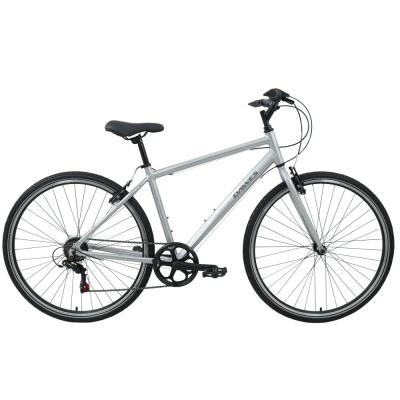
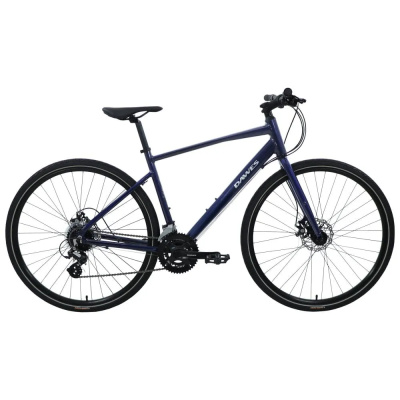
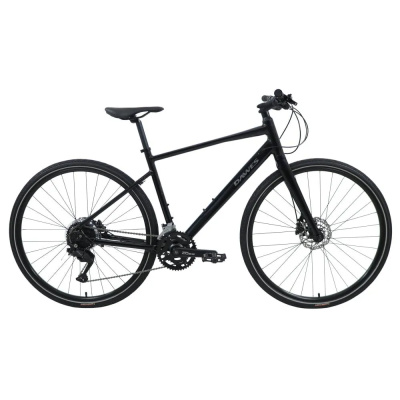
Dawes hybrid bikes have been a fixture in British cycling for decades - not because of clever marketing, but because they keep working. The Discovery series sits at the heart of the range: upright, practical, and quietly well-thought-out for the kind of riding most of us actually do. We're talking the morning commute through stop-start traffic, a Sunday spin along a canal towpath, or a mid-week fitness loop on mixed roads. These aren't race bikes wearing commuter clothing. They're designed from the ground up to carry you, your kit, and your mudguards without fuss.
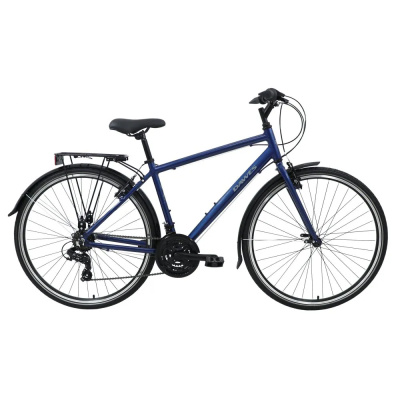
The core appeal is straightforward. Upright geometry keeps your head up in traffic rather than buried in the drops. Pannier rack mounts and full-length mudguard clearance mean you can spec the bike properly for year-round UK use. And the pricing sits in a bracket that makes genuine sense for everyday riders who want reliable over flashy.
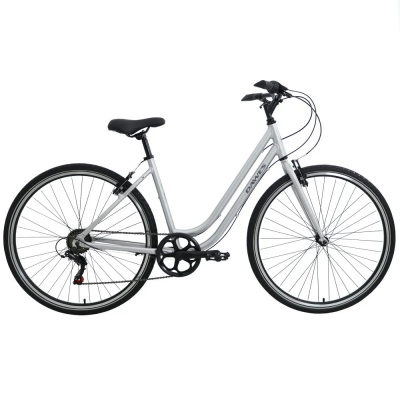
The range covers standard crossbar frames and low-step alternatives, with component specs that scale sensibly as you move up the lineup. Whether you're buying your first proper commuter or replacing a bike that's finally given up the ghost, there's a Dawes here worth considering.
After a motorised boost for your daily commute? Check out our dedicated Dawes e-bikes page for the full electric lineup.
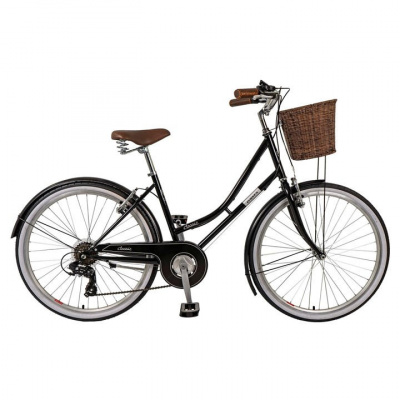
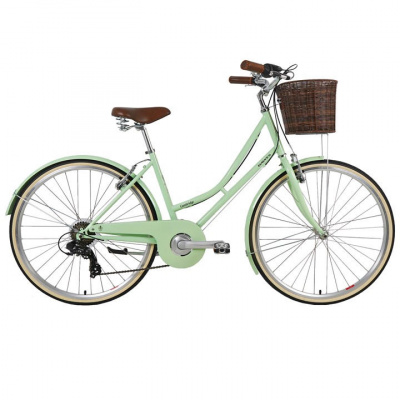
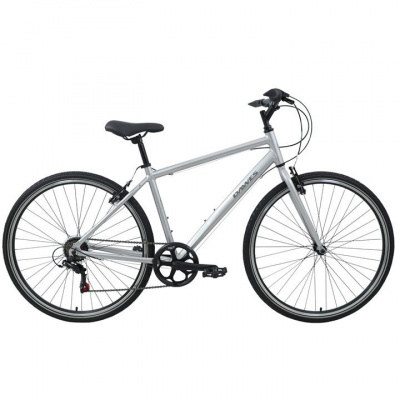
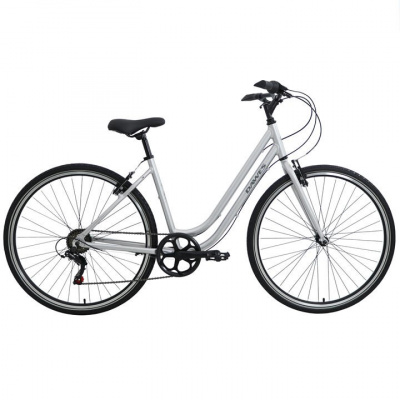
Prices and availability can change quickly. Delivery charges are not always included in listed prices.
Final price, stock status and delivery terms are set by retailer. We may receive a commission on purchases made.
Making Sense of the Discovery Range
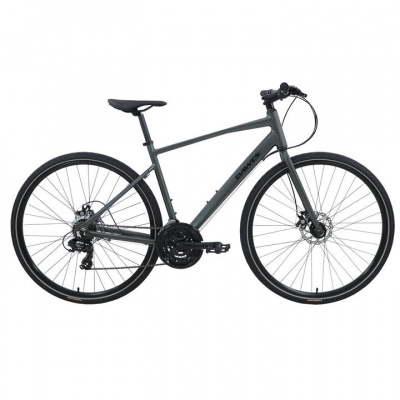
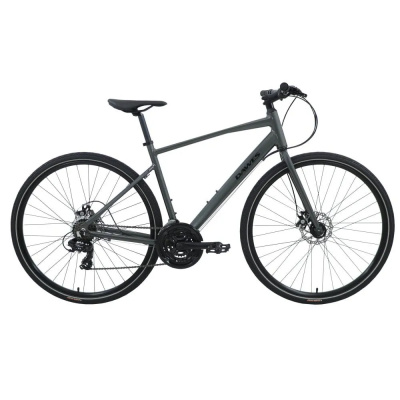
The Dawes Discovery series is where most buyers land, and the naming logic is worth understanding before you start comparing specs. The numbering system runs sequentially - a Discovery 101 sits at the entry point, while a Discovery 201 steps up in meaningful ways. Higher numbers signal a more capable drivetrain (more gears, tighter ratios for hilly routes) and a shift in braking hardware, typically moving from traditional V-brakes to mechanical disc brakes as you climb the range. That's not a marginal upgrade on wet British roads - disc brakes pull up far more consistently when your rims are coated in autumn grime.
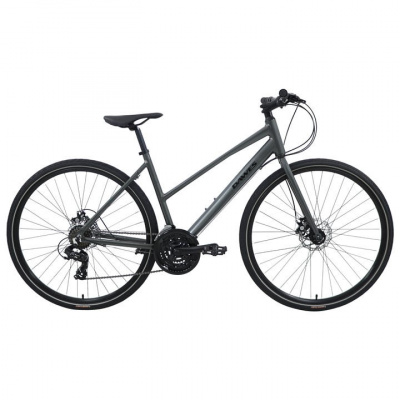
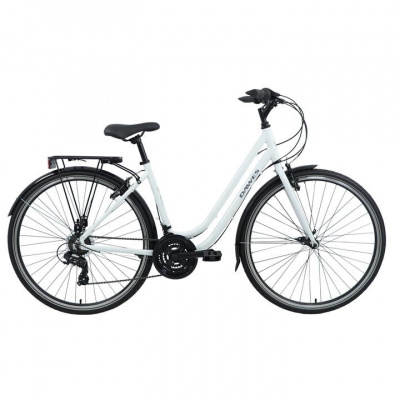
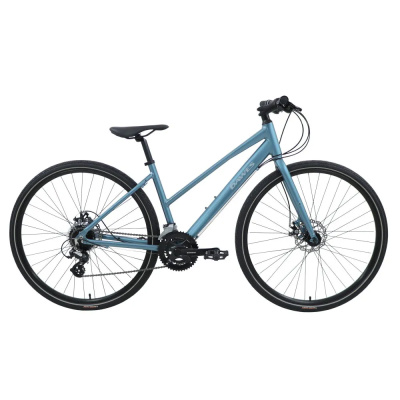
Alongside the standard crossbar frames, Dawes offers Dawes step-through hybrid bikes in the Discovery Low Step format. The geometry is matched closely to the standard models - same riding position, same component spec at equivalent price points - but the dropped top tube makes mounting and dismounting far easier, particularly if you're commuting in work clothes or have any hip or knee mobility considerations. It's a practical distinction, not a performance compromise.
If you're weighing up the Discovery against alternatives, Carrera hybrid bikes and Boardman hybrid bikes occupy similar price brackets. Carrera leans slightly sportier in geometry; Boardman brings more contemporary spec at the upper end. Dawes sits between them in character - more comfort-oriented than Boardman, more practically equipped than Carrera at matching prices.
What Dawes Actually Prioritises in the Build
There's no aero tube shaping here, no carbon layup schedules. Dawes builds the Discovery around 6061 formed alloy tubing - a well-proven aluminium alloy that hits the right balance between weight and durability for daily use. It's stiff enough to feel responsive when you're putting in effort, but the forming process allows Dawes to shape the tubes in ways that take the edge off road buzz on rougher surfaces. Pair that with a rigid steel fork on entry-level models (steel absorbs vibration better than alloy, even without suspension) and the ride quality is noticeably smoother than the spec sheet might suggest.
The Discovery Series Geometry is worth flagging specifically. The stack height is generous and the reach is short - you sit upright, weight back, with clear sightlines over parked cars and van mirrors. For urban cycling this matters more than most riders realise until they've spent a winter commuting hunched over flat bars set too low. On comfort-oriented models, adjustable quill stems let you fine-tune the reach without buying new parts, which is genuinely useful if you're between sizes or sharing the bike.
Drivetrains across the range run Shimano Tourney gears at entry level, stepping up to Altus and Acera on higher-spec models. Tourney gets a rough press in some circles, but on a hybrid used for commuting and leisure it's dependable enough - as long as you keep the chain clean and lubricated. Salty winter roads accelerate wear on any drivetrain; a quick wipe-down and a proper wet lube after a filthy commute will add months to your cassette life.
For something in a different format from the same brand, Dawes folding bikes are worth a look if your commute involves a train or limited storage.
Living With a Dawes Day-to-Day in the UK
British roads test bikes in ways that European spec sheets don't always account for. Potholed urban streets, canal towpaths with loose cinder surfaces, and relentless autumn rain - a hybrid needs to handle all of it without falling apart or becoming a misery to ride. The Discovery's frame clearances accommodate 700c wheels with tyres up to 700x35c or wider depending on the model. That extra volume isn't about going off-road; it's about absorbing the edge of a pothole without sending a shockwave up your spine, and maintaining grip on wet tarmac where a narrower tyre would squirm.
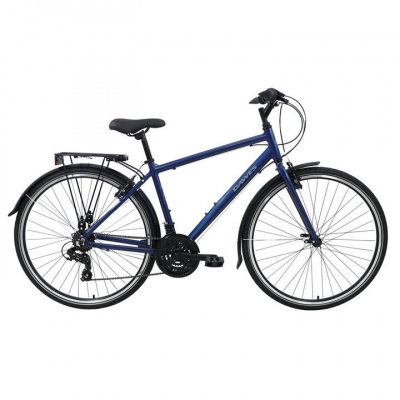
The integrated 'Equipped' mounting systems - pre-drilled eyelets on the fork, rear dropout, and seatstay - are genuinely one of the strongest arguments for the Discovery over sportier alternatives. Fitting a full-length SKS-style mudguard set and a rear pannier rack transforms this into a proper all-weather commuter. Some 'Equipped' models ship with mudguards and racks already installed, which saves the faff and the additional outlay. If yours doesn't come with them, the mounting points are there and fitting aftermarket guards is straightforward.
So are Dawes commuter bikes UK-proof for winter use? Broadly yes, with the right prep. Swap the stock tyres for something with a more aggressive tread pattern if your route takes in canal paths or gravel sections. Keep the Shimano Tourney drivetrain clean - a degreaser and re-lube every couple of weeks through winter keeps the indexing crisp. And check the brake cable tension periodically; V-brakes in particular need minor adjustment as cables bed in through autumn.
If you're still comparing options before committing, Giant hybrid bikes offer strong competition at the mid-range price point, with slightly sportier geometry if that suits your riding better.
Related searches:
Dawes Hybrid Bikes FAQs
Are Dawes hybrid bikes good for commuting?
Yes. The Discovery series is built with UK commuting in mind - durable 6061 alloy frames, upright geometry that keeps you visible in traffic, and pre-drilled mounts for pannier racks and full-length mudguards. They're not flashy, but they're well-matched to the realities of daily riding on British roads.
What is the difference between the Dawes Discovery models?
The numbering reflects component quality. A Discovery 101 is the entry point with a basic drivetrain and V-brakes; a Discovery 201 upgrades to more gears and typically moves to mechanical disc brakes. Higher numbers mean better all-weather stopping power and a wider gear range - worth it if your route has hills or wet descents.
Do Dawes hybrid bikes come with mudguards?
Some 'Equipped' models ship with mudguards and a rear rack already fitted. All Discovery frames have the necessary eyelets to add aftermarket mudguards if yours doesn't include them - fitting a set of full-length SKS-style guards is a straightforward job and makes a real difference through autumn and winter.