
Dawes E-Bikes
Dawes E-Bikes have quietly become one of the more sensible choices for UK riders who want electric assist without a finance plan and a spreadsheet. The range is built around a straightforward brief: get you to work dry, get you home without dead legs, and not punish you if a pothole catches you off-guard. That's harder to pull off than it sounds.
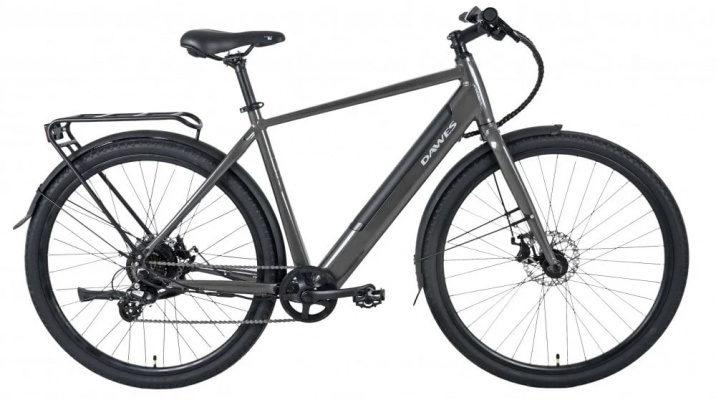
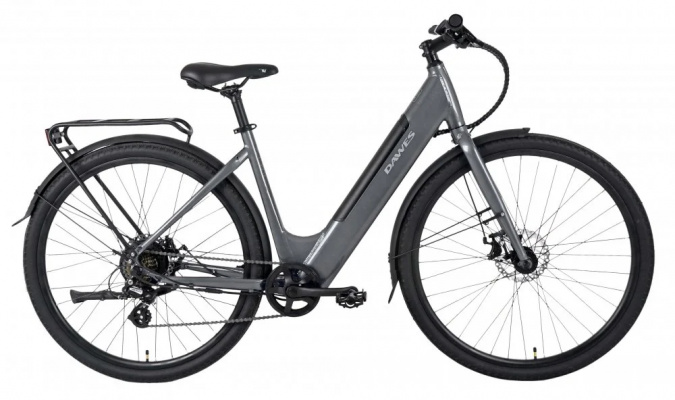
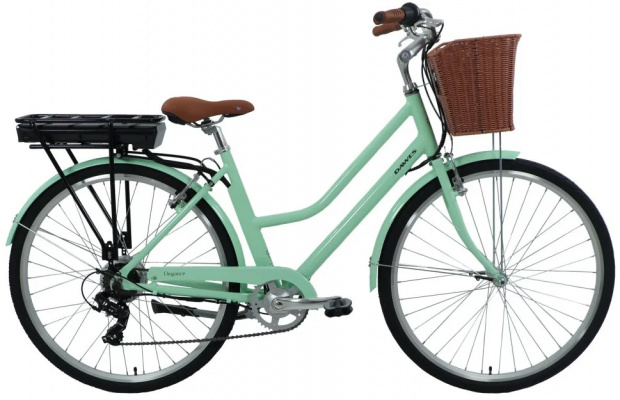
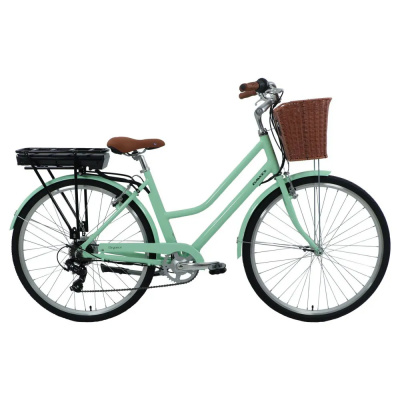
The lineup centres on accessible, practical designs - step-through alloy frames for easy mounting, Bafang rear hub motors for smooth, fuss-free pedal assist, and integrated downtube batteries on the newer models that keep the profile clean and the weight low. Shimano drivetrains handle the shifting duties, which matters when you're looking at long-term reliability rather than short-term wow factor.
Mudguards and pannier racks come fitted as standard across most of the range. On a wet Tuesday in November, that's not a small detail. Whether you're threading through city traffic, rolling along a canal towpath at the weekend, or tackling a long commute with a bag full of kit, Dawes have thought about the practical side rather than the showroom side. Dependable, honest electric bikes - no theatre required.
Prices and availability can change quickly. Delivery charges are not always included in listed prices.
Final price, stock status and delivery terms are set by retailer. We may receive a commission on purchases made.
Decoding the Dawes E-Bike Lineup
Dawes organise their electric bikes into a few clear families, each aimed at a distinct type of rider. The Breeze is the one to look at if you want a comfortable, upright e-bike for leisure rides and light commuting - it uses a low step frame geometry that makes getting on and off genuinely easy, which matters more than it sounds after a long day. The Mojave E shifts things toward the trekking end of the spectrum: wider tyres, a more confident riding position, and enough capability to handle rougher canal-side paths or packed gravel tracks without complaint.
For urban commuting specifically, the Spire is Dawes' city-focused option. It's trimmer than the Breeze, with a profile designed around integrated battery placement and a city commuter brief - quick errands, regular train-station runs, and anywhere you're locking up in public. The Spire's cleaner lines come from hiding the battery inside the downtube, which also helps with balance at lower speeds.
If you're after something you can fold and stow on the train or in a car boot, Dawes also produce compact options worth a look - the Dawes folding bikes page covers those in full. Riders who want a more fitness-oriented, drop-bar or flat-bar hybrid experience should head to the Dawes hybrid bikes page instead.
The Dawes Tech Philosophy: Practical Power
Dawes don't chase specification headlines. The decision to use Bafang rear hub motors across the range is a good example of that thinking. Hub motors are simpler mechanically than mid-drive systems, easier to service, and less likely to cause drama when you take the bike to an independent mechanic. You lose some of the natural cadence-matching feel you get from a Bosch or Shimano mid-drive, but you gain meaningful cost savings and a drivetrain that isn't taking extra load through the chain every time the motor fires. For commuting and leisure riding, that's a sensible trade.
The shift toward integrated downtube battery designs on the Spire and Breeze models is worth noting. Earlier e-bikes often bolted the battery to the outside of the frame - functional, but visually clunky and occasionally awkward to remove. The integrated approach tidies up the silhouette and drops the centre of gravity slightly, which you feel when manoeuvring at low speed in a tight car park or bike storage room. The battery is still removable for charging, which is important - more on that below.
Frames across the range use 6061 alloy, a reliable, corrosion-resistant aluminium grade that keeps weight reasonable without inflating the price. The ergonomic low step-through geometry is more than a comfort feature - it's genuinely practical for riders with limited mobility, those who commute in work clothes, or anyone who'd rather not throw a leg over a high top tube on a 23kg bike. It's a considered choice, not a concession.
Shimano drivetrains handle gearing across most models. Shimano's components are widely supported by UK bike shops, and replacement parts are easy to source - a detail that matters when you're relying on a bike daily rather than riding it occasionally.
Living with a Dawes E-Bike in the UK
Britain's roads are what they are. Cracked tarmac, poorly patched potholes, and surfaces that seem to get worse every winter - front suspension forks and high-volume tyres on the Mojave E and Breeze absorb a fair amount of that without asking you to do anything. The upright riding position also means you're not holding all your weight through your wrists when you hit a rough patch, which adds up over a long commute.
Full-length mudguards are standard fitment, and that's not something to take for granted. A back wheel without a proper mudguard will paint a stripe up your back within five minutes of light rain. The mudguards on Dawes e-bikes cover the wheel properly - they're built for British weather, not added as an afterthought. A pannier rack also comes pre-fitted on most models, so you're not immediately buying accessories before the first ride.
Cold weather hits battery range harder than most spec sheets suggest. A Dawes e-bike that manages 35 miles comfortably in September might return noticeably less in January - that's battery chemistry, not a fault. The practical answer is to bring the battery indoors overnight rather than leaving the whole bike in a cold garage or shed. All Dawes integrated batteries are removable for exactly this reason. Charging a cold battery straight from the charger can degrade the cells over time, so letting it warm to room temperature first is worth the extra ten minutes.
Hub motors are generally low-maintenance, but they don't love prolonged immersion - something to keep in mind if you're regularly riding through standing water or hosing the bike down hard. A wipe-down after wet rides and occasional checks on the motor cable connections will keep things running cleanly. If you're weighing Dawes against similarly priced alternatives, it's worth comparing how Carrera e-bikes and Claud Butler e-bikes approach the same brief - both offer hub-motor commuter options at a comparable price point, though Dawes' pre-fitted rack and mudguard combination often makes them better value out of the box. Elops e-bikes are another option if the urban commuter end of the range is your focus.
Got kids who might eventually want their own wheels? The Dawes kids bikes range is worth a look once you've sorted your own ride.
Related searches:
Dawes E-Bikes FAQs
Are Dawes electric bikes any good?
For everyday commuting and leisure riding, yes - they represent solid value. Dawes use proven Bafang motors and Shimano drivetrains across the range, which keeps reliability high and servicing straightforward. They're not performance machines, but they're built to cover real miles in real British conditions without fuss.
What is the range of a Dawes e-bike?
Most Dawes electric bikes - including the Breeze and Spire - return between 25 and 40 miles on a single charge. That figure drops at higher assist levels, in cold weather, and with heavier loads. For typical urban commuting on a moderate assist setting, 30 miles is a realistic working expectation.
How heavy is a Dawes electric bike?
Most Dawes e-bikes come in between 20kg and 23kg once the battery and motor are factored in. That's typical for hub-motor alloy e-bikes at this price point. The Dawes Arc folding model is slightly lighter, making it more manageable on public transport or when lifting into a car boot.