
Dahon Folding Bikes
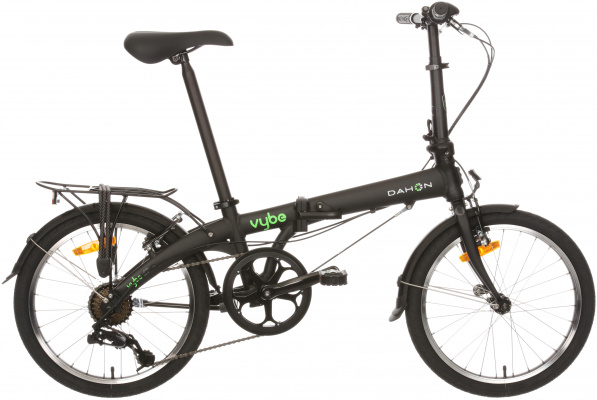
Dahon Folding Bikes pioneered the geometry that makes modern compact commuting possible. Dr. David Hon's 1982 vision wasn't just about shrinking a bike - it was about creating a machine that rides like a full-size tourer but slips under your desk or onto a train luggage rack without negotiating with conductors. You get big-bike performance from 20-inch wheels, a folding hinge mechanism that locks tighter than most rigid frames, and a choice of materials: Dalloy aluminum for featherweight sprints up station stairs, or 4130 Chromoly steel for riders who value compliance over the cobbles. Multi-modal commuting is where these bikes shine. Fold in fifteen seconds, roll it onto the Tube, unfold at the other end. No sweat, no drama. Whether you're chaining a Mariner D8 to the office radiator or stashing a Vybe D7 in a canal boat, Dahon's patent portfolio - over 200 designs - means you're riding decades of refinement. They've made folding bikes that don't feel like a compromise.
Prices and availability can change quickly. Delivery charges are not always included in listed prices.
Final price, stock status and delivery terms are set by retailer. We may receive a commission on purchases made.
Engineering the Fold: Visegrip and Deltec Technology
The main hinge is where folding bikes live or die. Dahon's Visegrip technology uses a cam-actuated latch that clamps the frame halves together with enough force to eliminate play, even after thousands of folds. You won't feel the creak that haunts cheaper folders. But the real trick is the Deltec cable system, a tensioned steel wire that runs from the head tube to the seat tube, forming a structural triangle across the hinge. Think of it as an invisible top tube. It redistributes stress away from the hinge itself, boosting the frame's weight limit and reducing metal fatigue over time. On a Mariner, that means you can load panniers for a weekend without worrying about frame flex turning every pothole into a shimmy.
The telescopic handlepost gets the same attention. Dahon's Radius design is forged aluminum that fuses with the fork crown, so there's no slop when you're out of the saddle. Adjust it once, tighten the quick-release, and it stays put through winter commutes and summer tours alike. If you've ridden a Brompton folding bike, you'll notice Dahon's handlepost offers more height range - useful if you're over six feet and tired of feeling folded yourself.
Wheel Size & Geometry: 16" vs 20" vs 24"
Wheel size dictates how your folder behaves. Dahon's 16-inch models, like the Curl, pack down to the size of a large rucksack. Perfect for air travel or squeezing into a Smart car boot. But those tiny wheels mean you'll feel every crack in the tarmac, and top speed suffers - think 12 mph cruise rather than 18. They're nimble in pedestrian zones, less so on the A-road cycle lane.
The 20-inch platform is where Dahon built its reputation. Models like the Mariner D8 and Vybe D7 strike the balance: fast enough to keep pace with hybrid bikes on the canal towpath, compact enough to fold in a train vestibule without blocking the doors. The smaller diameter means quicker acceleration out of junctions, though you'll spin out earlier on descents compared to a 700c wheel. Geometry is upright - you're not racing, you're commuting - with a short wheelbase that makes U-turns in tight London side streets feel natural.
Step up to 24-inch wheels on the Briza series and you're into touring territory. Ride quality smooths out, rolling resistance drops, and you can fit proper 40mm tyres for bridleway excursions. The trade-off? A bulkier fold and an extra kilo or two. If your commute involves more than a quick train hop - say, a cycle-to-station, train, then another five miles to the office - 24-inch wheels start to make sense. Tern folding bikes often favour 20-inch across their range, so Dahon's 24-inch options give you a distinct alternative if you prioritise comfort over ultra-portability.
Maintenance & Seasonal Care for Folding Hinges
Folding hinges don't like neglect. Every month or so, wipe down the Visegrip latch and the Deltec cable anchor points with a clean rag, then apply a thin film of PTFE spray or light machine oil. Avoid heavy greases - they attract grit, and grit in a hinge is a one-way ticket to premature wear. If you're commuting through a British winter, road salt will creep into every crevice. Rinse the frame after slushy rides, paying special attention to the hinge and handlepost collar.
Frame creak usually means the Deltec cable has lost tension. There's an adjuster barrel where the cable meets the seat tube - give it a quarter-turn clockwise and test-ride. Too tight and you'll struggle to fold; too loose and the frame flexes audibly. It's a Goldilocks adjustment. The telescopic handlepost benefits from a light grease on the inner post every few months. Pull it out, wipe off old grease, reapply, slide it back. Takes two minutes, saves you from a seized post in February.
Chain and drivetrain care is standard, but remember: 20-inch wheels mean shorter chain stays and tighter chainline angles. Shift quality suffers if your derailleur hanger gets knocked. Check alignment if you've folded the bike into a car boot a few times. Carrera folding bikes and B'Twin folders share similar maintenance rhythms, so if you've wrenched on those, you'll be comfortable here.
From Dr. Hon to Global Icon
Dr. David Hon founded Dahon in 1982 with a singular goal: make cycling viable for last-mile transport in crowded cities. His background in laser physics didn't scream 'bike designer', but it gave him a methodical approach to solving the folding puzzle. Early models were clunky, but by the mid-90s Dahon had refined the Dalloy aluminum alloy - double-butted tubing that's 20 per cent stronger than standard 6061 - and filed patents on hinge designs that competitors still licence today. The brand's influence is everywhere: if you've ridden a folder in the past two decades, there's a decent chance it borrowed a Dahon idea.
Today, Dahon manufactures millions of bikes annually, with a patent portfolio north of 200 designs. They've stayed focused on practical green mobility rather than chasing boutique markets. That means you'll find Dahon folders in corporate bike-share schemes, on ferries in the Hebrides, and locked to railings outside Edinburgh Waverley. If you're curious about the electric side of compact commuting, brands like Eovolt and MiRider offer e-folder alternatives, though Dahon's own e-assist models bring the same Deltec and Visegrip tech to battery-powered last-mile runs.
Are Dahon bikes good quality? The answer hinges on understanding what you're buying. Dahon's proprietary Deltec cable system and Dalloy tubing deliver frame rigidity and durability that outpace most budget folders. You're not getting hand-brazed Reynolds steel, but for daily commuting - train, Tube, towpath - the engineering is sound and the longevity proven. Thousands of London commuters will vouch for five-year-old Mariners still running tight.
What's the difference between Dahon and Tern? Tern spun out of Dahon in 2011, taking some of the engineering DNA with them. Tern tends to spec stiffer 3D-forged handleposts and slightly more modern geometry, often at a higher price point. Dahon offers a wider spread of entry-to-mid-level options with classic hinge mechanisms and a focus on affordability. Both use 20-inch wheels as standard, so ride feel is similar - it's the details and price that separate them.
How much does a Dahon bike weigh? Most Dahon folding bicycles in the Mariner or Vybe range sit between 11 kg and 12.5 kg, depending on groupset and frame material. Lightweight Dahon commuters using high-end alloy or carbon can dip below 10 kg, though you'll pay for the privilege. That's light enough to carry up a flight of station steps without your shoulder complaining, but not so feathery that a gust of wind on the Forth Bridge becomes a wrestling match.
Related searches: