
Cube Trailers
Cube bike trailers make a strong case for any family that wants to bring the kids along without compromising on safety or build quality. German engineering shows up in the details here - rolled steel frames, proper 5-point harnesses, and integrated suspension that takes the sting out of a rough canal towpath or a gravel-strewn park loop. The hitch system is one of the more reliable setups in this category, though getting it right depends entirely on knowing your rear axle standard before you buy. That's not a minor point - it's the first thing to sort.
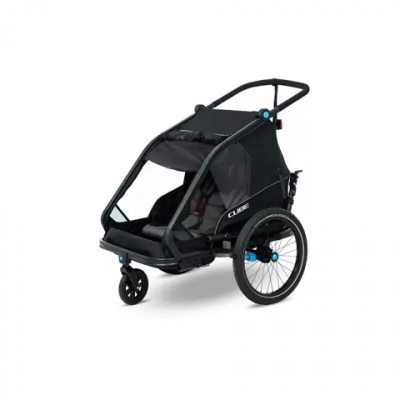
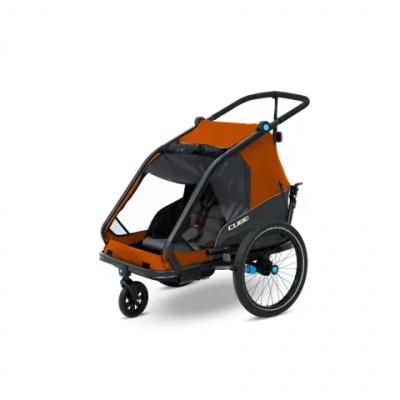
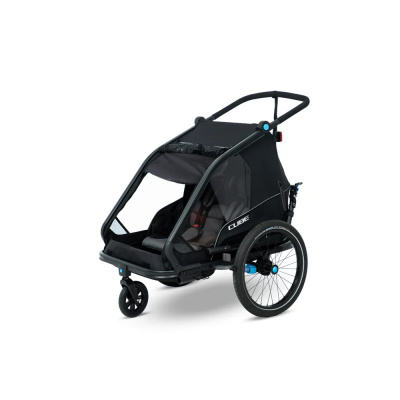
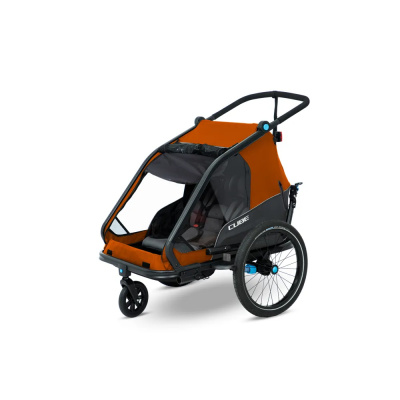
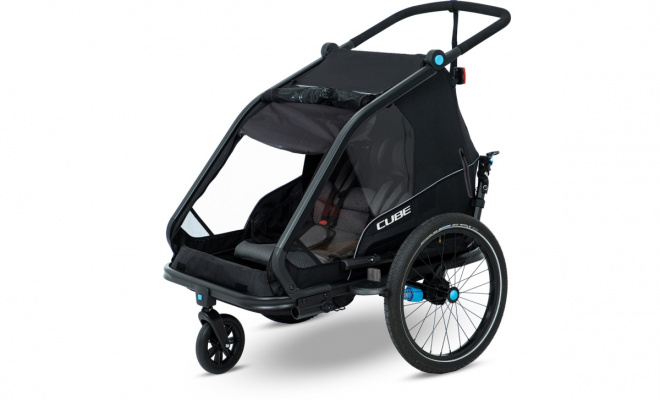
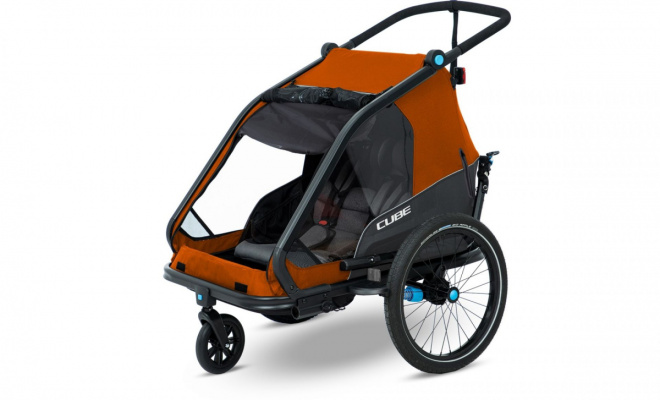
The range covers single and double passenger options, and the CMPT series adds adjustable suspension, a jogger wheel conversion, and UV-resistant, toxic-free fabrics that hold up better when the cover's taking a battering from wind and rain. These trailers also play well with Cube e-bikes, which makes towing two kids up a long drag considerably less grim. Rain covers are included across the range, which matters when you're somewhere like the Trossachs in August and the weather turns without warning. Compare the models below to find the right fit for your family and your bike.
Prices and availability can change quickly. Delivery charges are not always included in listed prices.
Final price, stock status and delivery terms are set by retailer. We may receive a commission on purchases made.
Hitching Up Safely: Axle Standards and Compatibility
Attaching a Cube trailer starts with one question: what axle standard is your bike running? On older bikes with a quick-release skewer, the metal hitch bracket slides under the rear dropout and clamps in place - straightforward, and the universal hitch system handles most QR setups without drama. Modern bikes are a different story. Thru-axles are now standard on a huge proportion of bikes sold in the UK, and they require a specific adapter that matches your frame's thread pitch exactly. Get that wrong and the connection won't be secure, full stop.
Thread pitch comes in three common variants - 1.0mm, 1.5mm, and 1.75mm - and you'll need to check your frame spec or measure the axle threads before ordering an adapter. Axle length matters too. It sounds fiddly, but it's a five-minute job with the right information and it means the hitch sits properly rather than canting at an angle under load. Once the bracket's in place, a secondary safety strap loops around the chainstay - that's your failsafe if the primary hitch ever lets go, and it's not optional.
E-bike compatibility is solid across the Cube trailer range. The motor assistance makes towing noticeably easier, particularly on longer rides or when you've got two kids and a bag of snacks on board. One firm limit: keep towing speed to 15mph (25km/h) on an e-bike, regardless of what the motor's capable of. That's a safety boundary, not a suggestion. Before you ride, also confirm your e-bike's rear axle will accept the hitch adapter - hub motor designs in particular can have non-standard axle arrangements. If you're considering alternatives from other brands, Thule trailers and Burley trailers use broadly similar hitch principles, though adapter compatibility varies by model.
Looking for replacement hitches, safety flags, or rain covers? Head over to our dedicated Cube Trailer Spares page to find the exact replacement parts for your model.
Single, Double, and CMPT: Picking the Right Tier
The single-passenger trailer is the lighter, narrower option - easier to thread through A-frame barriers on shared-use paths, and a bit less of a workout when you're towing solo. If you've got two kids or you're planning to add a second at some point, the double is the practical choice. Payload capacity on the double sits around 42kg, which covers two young children and the inevitable collection of snack bags, toys, and spare layers that accumulates on a family day out.
The CMPT series is where the spec gets more interesting. Cube's CMPT (Competition) ergonomic design isn't just a badge - it reflects a more considered approach to passenger comfort and structural rigidity. Adjustable suspension is the headline feature, and it does make a noticeable difference on surfaces that aren't tarmac. A compacted gravel path or a rutted bridleway transmits a lot of vibration without it; with it, the ride quality for the passenger is considerably smoother. The suspension also reduces the pitch and roll that gets transmitted back to the towing bike, which makes handling feel more planted.
CMPT models also include a jogger wheel conversion kit. Swap the hitch for the front wheel and the trailer becomes a running stroller - genuinely useful if your route ends at a park or a café without bike parking. The UV-resistant, toxic-free fabric used throughout the range holds its colour and structural integrity better than cheaper alternatives, and the integrated rain cover seals reliably when the weather turns properly grim. If you're weighing up the CMPT against entry-level options from Hamax, the suspension and jogger functionality are the two features most likely to tip the decision - both add long-term versatility that basic trailers don't offer.
Once the kids grow out of the trailer, pairing it with a Cube kids' bike is the natural next step - worth keeping in mind when you're thinking about the overall investment.
Keeping It Running: Maintenance for UK Conditions
UK riding is hard on trailers in ways that don't always get enough attention. Rear wheel spray from the towing bike is the main culprit - on a wet winter ride, it blasts the hitch area and trailer wheel bearings with a continuous stream of grit and road contamination. Fitting full mudguards to the towing bike is the single most effective thing you can do to slow down wear on both. Cube's own mudguard range is worth a look if your bike isn't already equipped.
The hitch mechanism and quick-release pins need cleaning and lubrication after any seriously wet or muddy ride. Grit works into the pivot points and causes corrosion that gradually makes the hitch stiff and harder to release cleanly. A rinse with clean water, followed by a light application of a water-displacing lubricant on the metal contact points, takes about three minutes and extends the service life considerably. Don't use a heavy chain lube here - it attracts dirt and makes the problem worse.
Trailer wheel bearings are sealed, which helps, but they're not immune. After a run of wet winter rides, spin each wheel by hand and feel for any roughness or play in the axle. A smooth, free-spinning wheel with no lateral movement is what you're looking for. Any grittiness or wobble means the bearings are due for inspection. Check the hitch pin retaining clips at the same time - they're a small part with an important job, and they're exactly the kind of thing that disappears unnoticed until it becomes a problem mid-ride.
The rain cover benefits from an occasional wash according to the manufacturer's guidance and a reproof with a suitable fabric waterproofing spray once it starts to wet out rather than bead. The toxic-free, UV-resistant fabric used on Cube trailers is more durable than the covers on budget alternatives, but no fabric stays waterproof indefinitely without some upkeep. Store the trailer out of prolonged direct sunlight when it's not in use - UV degradation is cumulative even on treated fabrics.
Cube Trailers FAQs
Do Cube bike trailers fit any bike?
Most bikes are compatible, but it's not a universal guarantee. Bikes with quick-release rear axles connect straightforwardly using the standard hitch bracket. Thru-axle bikes need a specific adapter matched to your frame's thread pitch - 1.0mm, 1.5mm, and 1.75mm are the common options. Check your rear axle spec before ordering an adapter; getting it wrong means the hitch won't sit securely.
Can you use a Cube trailer with an E-Bike?
Yes, and the motor assistance genuinely transforms the experience of towing on longer rides or bigger climbs. You do need to confirm your e-bike's rear axle accepts the hitch adapter - hub motor designs can have non-standard arrangements. Keep towing speed to 15mph (25km/h) regardless of what the motor can do; that's a firm safety limit, not a loose guideline.
How do you attach a Cube trailer to a bike?
The metal hitch bracket fits under your rear axle nut, quick-release skewer, or thru-axle adapter and locks in place using the quick-release universal hitch system. Once the primary connection is secure, a safety strap loops around the chainstay - that's your backup if the main hitch ever fails. Both connections need to be checked before every ride.