
Cube Rucksacks
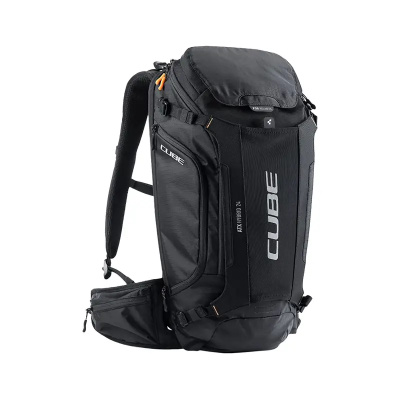
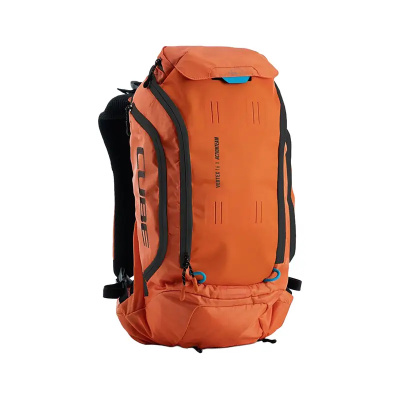
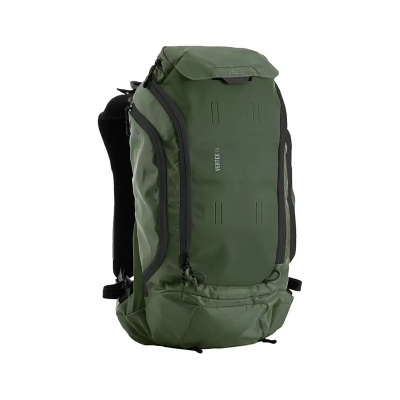
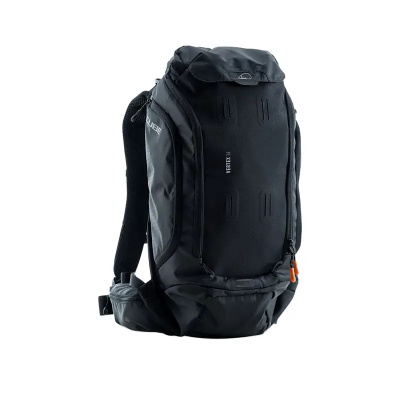
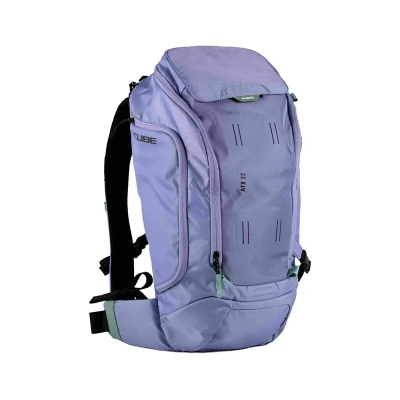
Cube cycling rucksacks are built around a simple idea: a pack that moves with you rather than fighting you every pedal stroke. Cube developed their Natural Fit ergonomics alongside medical experts, mapping load distribution across your back and hips to eliminate the pressure points that turn a long ride into a grind. The result is a harness geometry that keeps weight centred and your shoulders free to move - whether you're weaving through Bristol traffic or grinding up a Peak District climb.
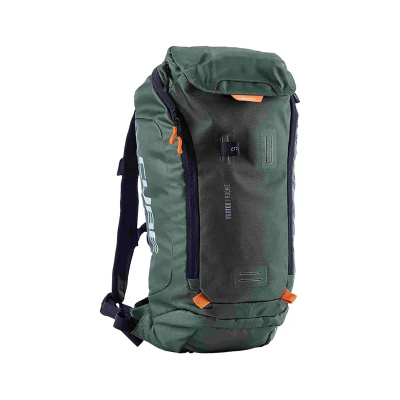
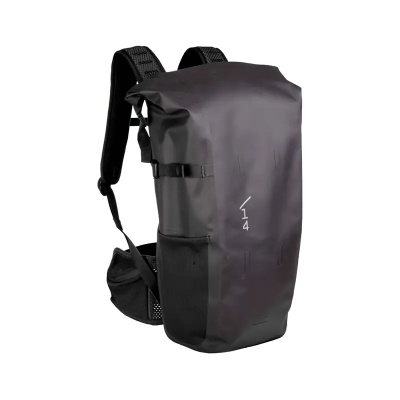
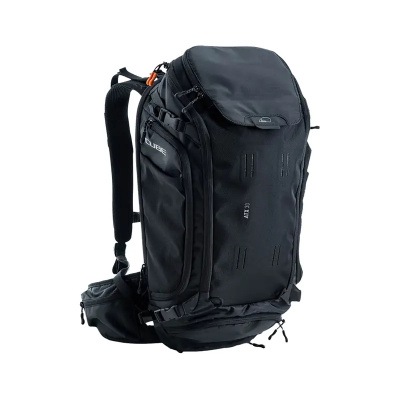
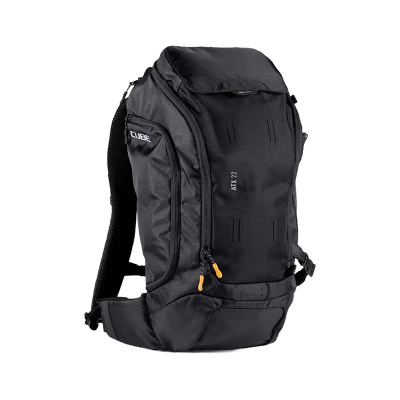
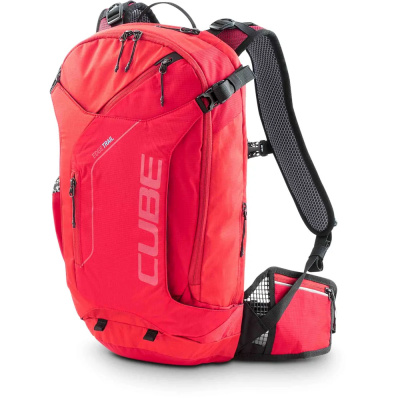
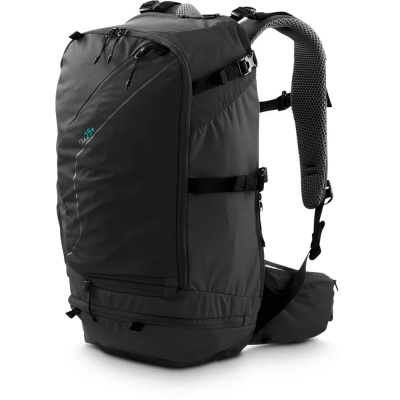
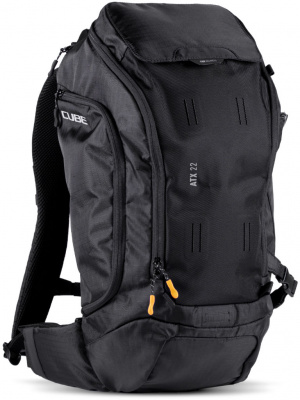
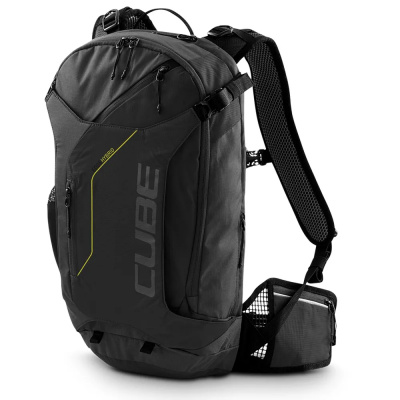
The range runs from streamlined trail packs with hydration bladder routing and helmet carriers to full-featured commuter bags with padded laptop sleeves and high-visibility integrated rain covers. Across the board, you get ripstop nylon construction, reflective detailing for low-light visibility, and ventilation channels through the back panel to keep sweat build-up in check. That matters on a British winter commute as much as it does on a sweaty July trail session. Compare the latest UK prices across the full Cube range below and find the pack that fits your riding.
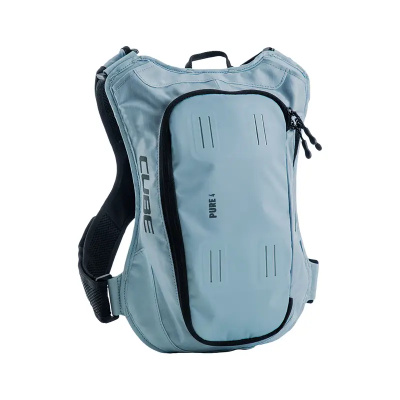
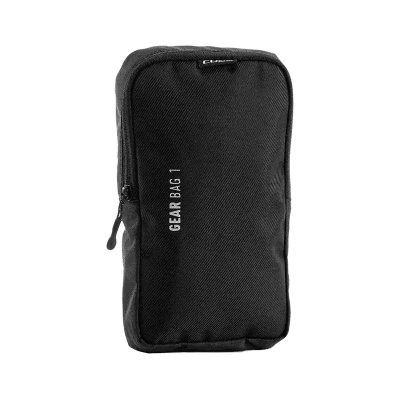
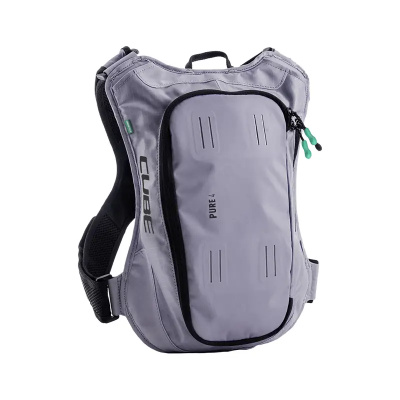
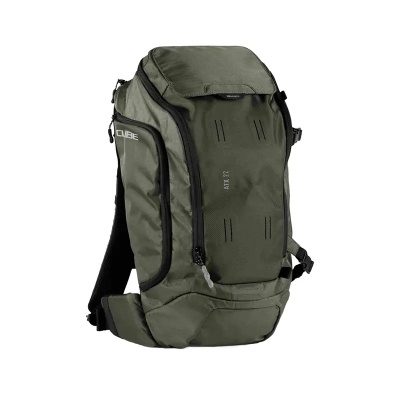
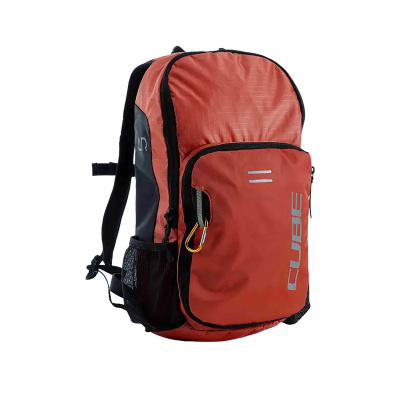
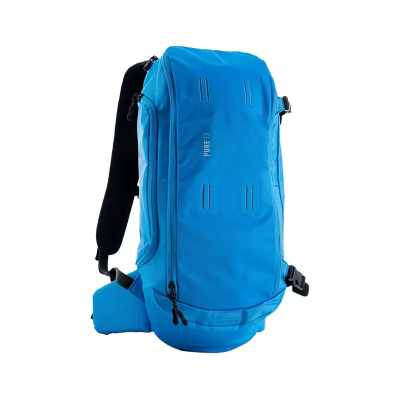
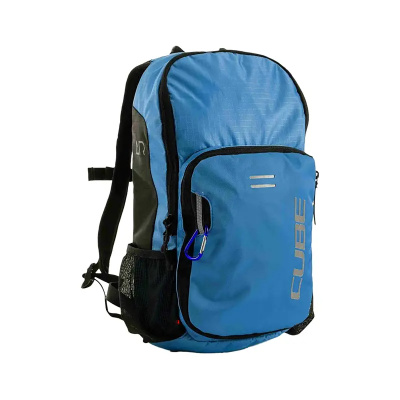
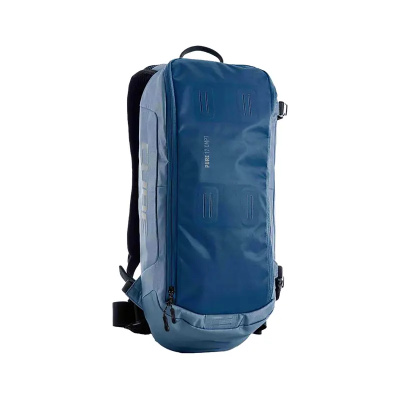
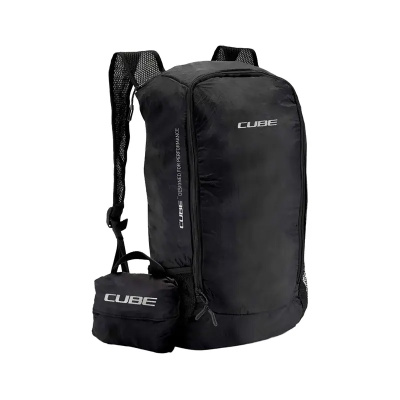
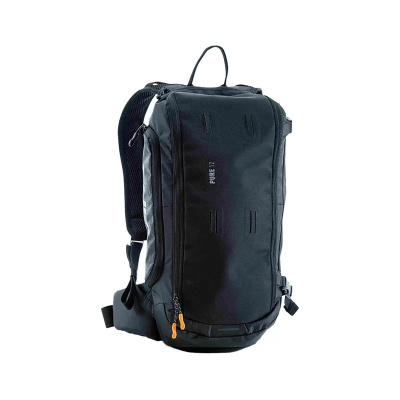
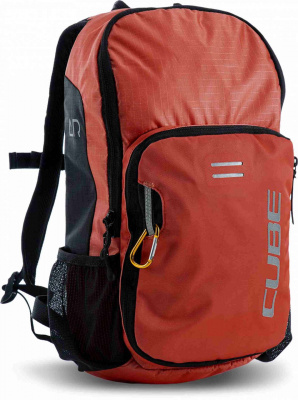
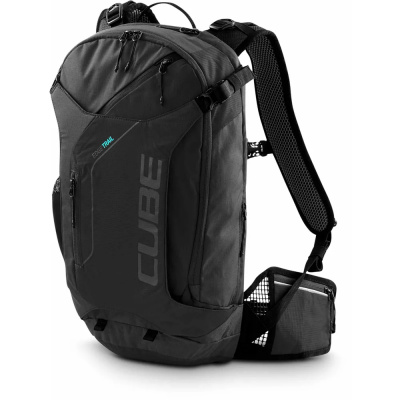
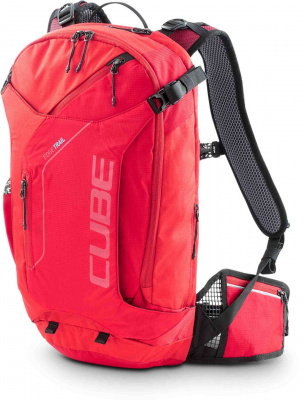
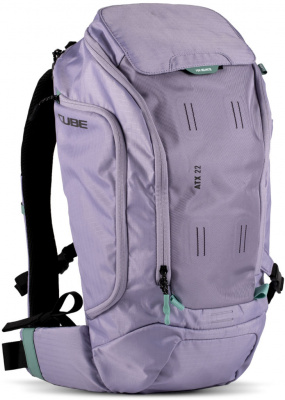
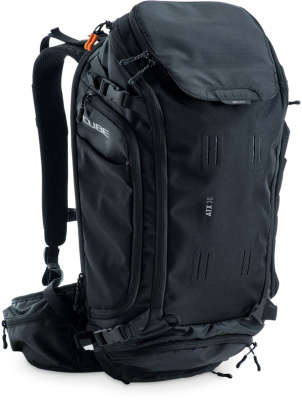
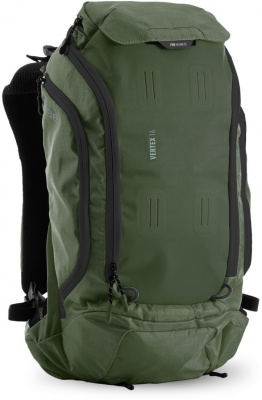
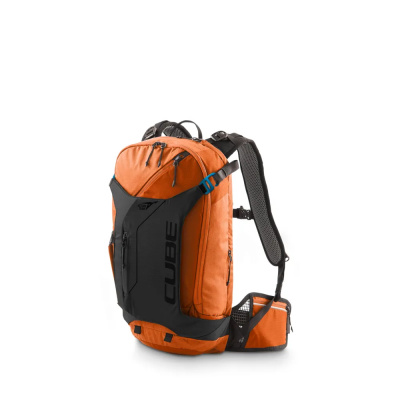
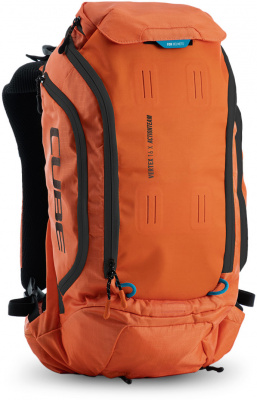
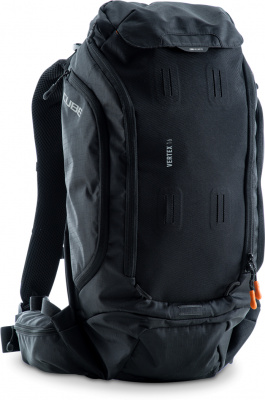
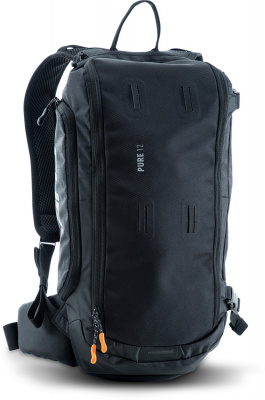
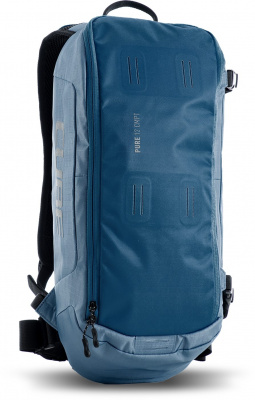
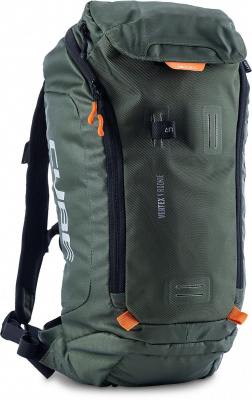
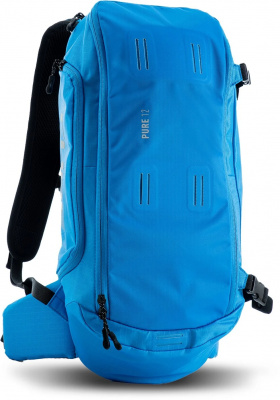
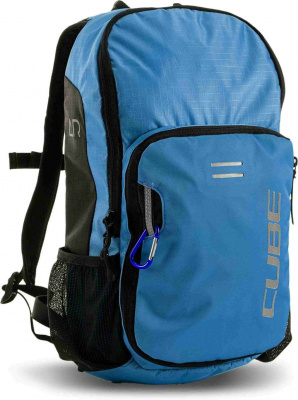
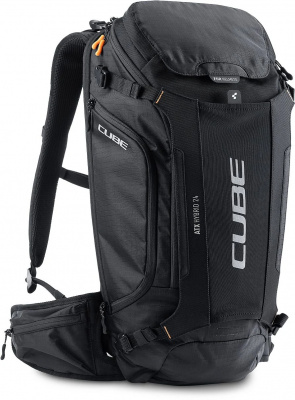
Prices and availability can change quickly. Delivery charges are not always included in listed prices.
Final price, stock status and delivery terms are set by retailer. We may receive a commission on purchases made.
Fit, Capacity and Hydration Compatibility
The foundation of any Cube pack is the Natural Fit back system - a structured panel with shaped shoulder straps and a padded sternum strap that clips across your chest to stop the pack rocking laterally mid-descent. The waist belt sits over your hip bones and carries a meaningful share of the load, so your shoulders aren't doing all the work on longer days out. Adjustment is progressive: loosening all straps before fitting, settling the waist belt first, then snugging the shoulder straps until the pack sits flush against your back. Get that sequence right and the difference is immediate. For riders with broader or narrower torsos, the shoulder strap width and sternum strap height can be slid up and down the webbing rails to dial in the contact points.
Most Cube MTB and trail packs are built to accept a standard 2-litre or 3-litre hydration bladder, with a dedicated sleeve inside the main compartment and a pre-routed hose port through the top of the bag. Smaller 10-litre packs typically cap out at a 2-litre system - check the specific model listing before you buy if you're planning a big day in the Cairngorms and want maximum water capacity. The magnetic hose clips on several models keep the drinking tube within reach without it flapping around your face on technical sections.
If you'd rather keep weight off your back entirely, Cube hip packs are worth a look for shorter rides, while Cube pannier bags cover the commuter end of the weight-shifting conversation.
Cube Rucksack Ranges: Commute Packs vs Trail Packs
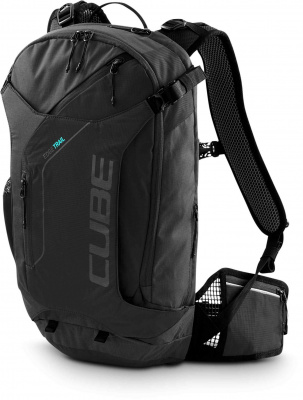
Cube splits their backpack lineup into broadly two camps, and knowing which side you fall on saves you buying the wrong tool. The Pure and Edge series are the trail-focused end of the range - trim volumes, helmet carrier loops, hydration-first internal layouts, and the NF Back System with its ventilation channels running vertically up the back panel. That channelled airflow isn't just a spec-sheet line; on a muggy Welsh trail centre climb, it's the difference between a damp back and a soaked one. These packs sit low and close to keep your centre of gravity sensible when you're leaning the bike through corners.
The Commute and ATX series trade some of that trail agility for urban practicality. You get padded laptop sleeves, key clips, organiser pockets for your oyster card and cables, and more angular shapes that pack flat against a locker. Waterproofing steps up here too, with DWR-treated fabrics as standard and stowable high-visibility rain covers in the base compartment - useful when you're grinding through London road spray at 7am. Reflective detailing is woven into the shoulder straps and back panel rather than stuck on as an afterthought, which holds up better after a season of washing.
At the top of the MTB range, look for packs specced with X-Action harness systems - a stiffer, more locked-down configuration designed for enduro and aggressive trail riding where a standard harness can shift under G-forces mid-corner. Some upper-tier models also integrate a back protector sleeve, turning your pack into a passive safety measure without adding a separate piece of kit. If you're riding anything rowdy in the Scottish Borders or the Dyfi, that's worth factoring in.
Moving up through the price tiers, you generally gain better quality zippers, more considered internal organisation, heavier-duty ripstop nylon on the base and sides, and the harness upgrades mentioned above. The entry-level packs are honest kit - they do the job - but the materials tolerance for repeated trail abuse is lower. Worth knowing if your pack lives on the bike seven days a week.
For alternative takes on the category, Evoc rucksacks go deep on back-protector integration, while CamelBak rucksacks have built their reputation almost entirely around hydration system refinement - both worth comparing if Cube's range doesn't quite land on what you need. Deuter rucksacks are also strong if fit precision is your primary concern, particularly for riders with longer torso lengths.
Surviving UK Conditions: Rain Covers and Zipper Care
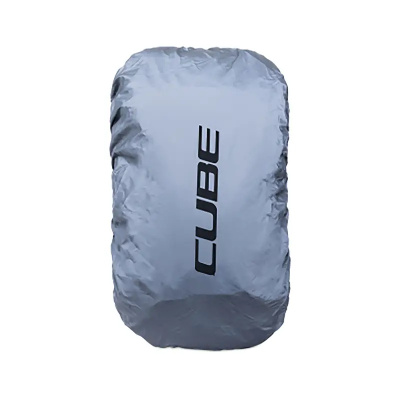
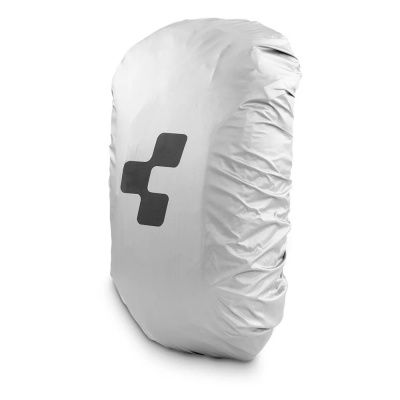
British weather doesn't do subtlety, and your pack takes the same battering your bike does. Cube's DWR coating handles light drizzle and road spray without drama - you'll see water beading off the nylon on a damp morning commute. But DWR is not waterproofing. In a proper downpour, the coating saturates and the fabric starts to wet through, especially on the shoulder straps and lid. That's when you pull out the integrated rain cover from the base compartment. It deploys in seconds, wraps the whole pack, and the high-visibility versions double as a visibility aid - useful when lorries are carving past you on an unlit A-road in November.
The rain cover also protects the zippers, which is where most packs quietly fail over a British winter. Trail grit and road salt work their way into the zip teeth and, over months, make the pullers stiff and eventually split the coil. Fix this before it becomes a problem: after muddy rides, run a stiff brush along the zip teeth to clear packed grit, then work a small amount of silicone spray into the coil and wipe off the excess. Do that every few weeks through winter and the zippers will still be moving cleanly two seasons from now. Mud-resistant zip hardware on the higher-spec Cube packs helps, but maintenance is still the cheapest insurance you'll find.
For winter visibility, Cube's reflective detailing works alongside the rain cover rather than instead of it - pair the pack with Cube lights front and rear, and consider Cube mudguards to keep road spray off the base of the pack and your lower back on wet commutes.
Cube Rucksacks FAQs
Are Cube cycling rucksacks fully waterproof?
They're water-resistant rather than fully waterproof. The DWR coating handles light rain and road spray well, but in heavy downpours you'll want to deploy the integrated rain cover stored in the pack's base - most models include a high-visibility version that also improves your presence on the road.
What size hydration bladder fits in a Cube backpack?
Most Cube MTB and trail packs fit standard 2-litre or 3-litre hydration bladders with a dedicated internal sleeve and pre-routed hose port. Smaller packs around 10 litres typically top out at 2 litres of bladder capacity, so check the specific model's listed volume before committing if you need the larger system.
How do I adjust the Cube Natural Fit harness system?
Loosen everything first. Fit the waist belt over your hip bones so it's carrying the bulk of the weight, then snug up the shoulder straps until the back panel sits flush. Adjust the sternum strap height on the webbing rail so it clips across your chest without restricting your breathing - you should be able to take a full deep breath with the pack loaded.