
Cube Jackets
Cube cycling jackets are built around a straightforward idea: keep you riding regardless of what the sky decides to do. That matters a lot in the UK, where a clear start can turn into a soaking inside twenty minutes. Cube's outerwear range spans lightweight windproof softshells for brisk, dry mornings through to full hardshell jackets with taped seams and breathable membranes for the kind of sustained downpours you get grinding up a Welsh valley or pushing through a Pennine winter.
The engineering is precise - DWR coatings that bead water off the fabric surface, articulated sleeve patterns that stop your jacket riding up mid-sprint, and drop tails that keep your lower back covered when you're tucked over the bars. Reflective detailing is worked into the construction sensibly, not as an afterthought, which counts for a lot on short, murky UK winter afternoons.
Whether you're doing structured road training, blasting singletrack, or commuting through city traffic five days a week, there's a Cube jacket built for that specific job. Fit options run from race-tight aero cuts to relaxed trail fits, so the range covers serious breadth without trying to make one jacket do everything badly.
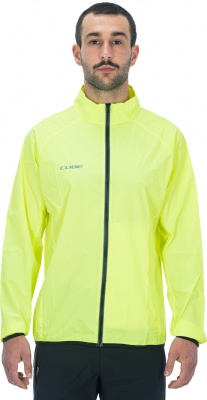
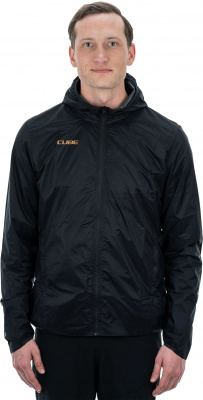
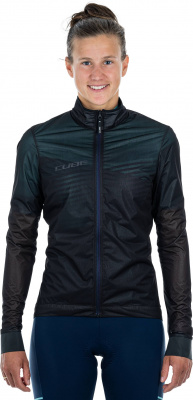
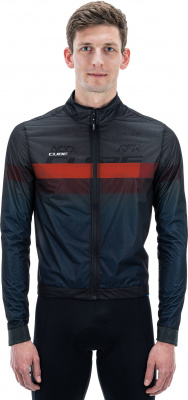
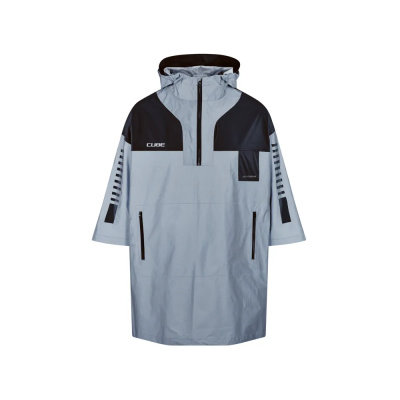
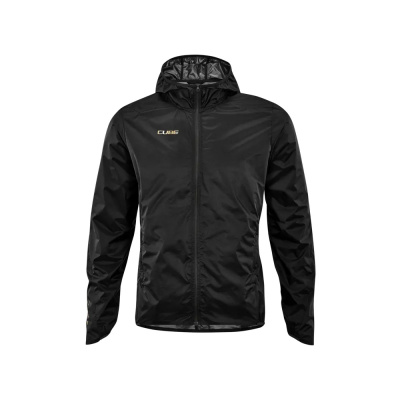
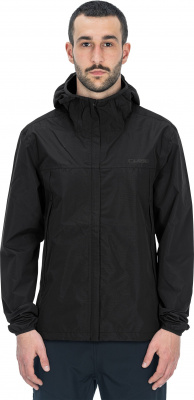
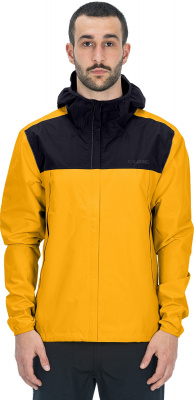
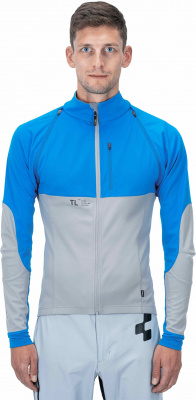
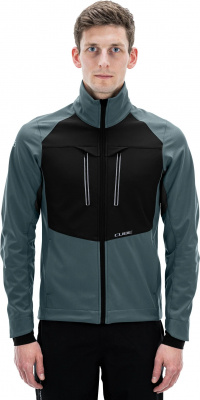
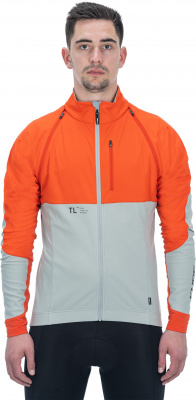
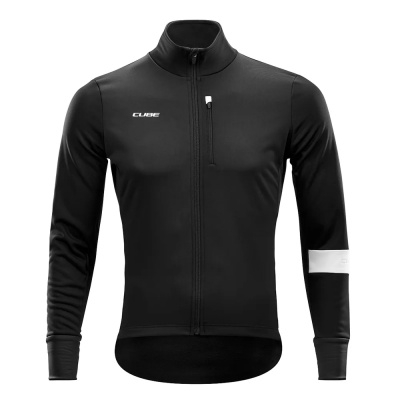
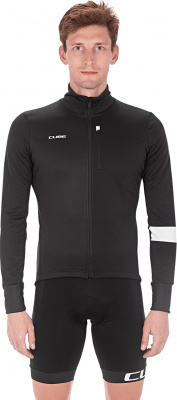
Prices and availability can change quickly. Delivery charges are not always included in listed prices.
Final price, stock status and delivery terms are set by retailer. We may receive a commission on purchases made.
Fabric Tech and Weather Performance
Cube splits its jacket range cleanly between softshell and hardshell construction, and understanding that distinction saves you from buying the wrong tool. Softshell jackets use a stretchy, tightly woven outer fabric with a DWR coating - they handle wind and light drizzle well, pack small, and breathe freely during harder efforts. Think early-morning road ride in October, or a cross-country loop where the air is cold but rain isn't forecast. They're not for monsoon conditions, and Cube doesn't pretend they are.
For genuine wet-weather protection, Cube's hardshell jackets use 2.5-layer or 3-layer breathable membranes bonded to the outer fabric. The 3-layer construction is stiffer and more robust - the membrane is laminated between the outer and an inner face fabric, so there's no separate lining to trap moisture. Taped seams stop water pushing through the stitching under pressure, and storm flaps cover the main zip. These are the jackets you reach for when the forecast is unambiguous.
The real challenge in UK riding isn't staying dry on a flat commute - it's managing heat build-up on long climbs when it's simultaneously raining and warm enough to sweat hard. Cube addresses this with mechanical venting: pit zips on several hardshell models let you dump heat without unzipping the front and letting the weather in. It's a small feature that makes a significant difference on a demanding route. Pair that with a well-rated breathable membrane and you avoid the clammy, damp feeling that plagues cheaper waterproofs. If you want to compare membrane quality across brands, Endura jackets and Castelli jackets sit in a similar bracket and are worth cross-referencing.
How the Range Fits Together
Cube organises its clothing around a clear product hierarchy, and the jacket range follows the same logic. Teamline sits at the top - these are close-cut, aerodynamic jackets styled after Cube's professional team kit. The fit is aggressive: high at the back when you're upright, shaped to follow a race position on the bike. If you're doing structured training or sportives and you want something that behaves like a second skin at pace, Teamline is the direction. Sizing runs European athletic, so they can feel snug if you're used to British casual sizing.
Blackline offers a slightly more relaxed cut that's better suited to club runs, long training rides, and days when you're not locked into a race tuck. It's still a performance fit - this isn't leisurewear - but there's enough room to layer underneath without the jacket pulling across the shoulders. The Blackline range also tends to carry more versatile colourways, which matters if you're wearing it for commuting as well as weekend rides.
The ATX range is where Cube shifts to mountain bike geometry. These jackets are cut for an upright or forward-leaning trail position, with more room in the shoulders and torso to accommodate body armour or a pack underneath. The drop tail works differently here too - it's longer at the rear to account for the more upright riding position. If you spend your weekends on technical singletrack rather than tarmac, the ATX cut will feel immediately more natural than a road-specific jacket.
Across all ranges, articulated shoulder construction lets you reach forward to the bars without the back of the jacket lifting and exposing your lower back to the wind. It sounds like a minor detail until you've spent three hours on a cold day with a gap at your waist. Drop tails do the same job from the other direction - longer at the rear, shorter at the front so you don't sit on excess fabric. Both features are standard across Cube's performance jackets rather than reserved for premium models.
Looking for core warmth without the sleeves, or casual post-ride comfort? Check out our dedicated Cube Rucksacks collection for off-bike carry options, and browse complementary Cube outerwear across the range for a complete kit build.
Layering, Maintenance, and Getting It Right for UK Conditions
A Cube jacket doesn't work in isolation - how you layer underneath determines how well it performs. For road riding in UK autumn and winter, a merino base layer is a solid starting point: it manages moisture without the synthetic clamminess, and it has enough inherent warmth to let you run a lighter shell on top. Add a midlayer fleece or a Primaloft-insulated gilet if temperatures drop properly, and you have a system that's adaptable rather than committed to one weather scenario.
For MTB riding where effort levels spike and drop more sharply, breathability through the base layer matters even more. A lightweight synthetic base that moves sweat quickly gives the jacket's membrane less work to do. Worth thinking about before you buy the jacket itself, honestly - the weakest layer in the system sets the ceiling for the whole setup.
Maintenance is where a lot of riders fall down, and it's straightforward to get right. DWR coatings degrade with use and washing - that's normal, not a product fault. When you notice water starting to soak into the outer fabric rather than beading off, the DWR needs refreshing. Wash the jacket with a technical apparel cleaner (standard detergents leave residue that clogs the membrane and kills breathability), then either tumble dry on low heat or apply a spray-on reproofing product. Doing this once or twice a season keeps the jacket performing as intended rather than turning into a damp sponge on a wet climb.
Reflective detailing on Cube's winter range is worth checking placement on, not just presence. Look for hit points on the shoulders, lower back, and sleeves - these are the angles that matter to traffic approaching from different directions on unlit roads. Pair a reflective jacket with Cube lights front and rear and you've covered the visibility side properly. For longer days out where you're carrying kit, Cube mudguards are worth adding to keep road spray off you and the jacket both.
If Cube's range doesn't quite land for you, Altura jackets offer strong UK-focused waterproof options with a similar practical emphasis, and are worth a look alongside.
Cube Jackets FAQs
Are Cube cycling jackets true to size?
Cube jackets run to a European athletic fit, which tends to come up slightly smaller than you might expect from British sizing. If you're planning to layer a midlayer or fleece underneath for winter riding, go up a size. For a single-layer road fit in milder conditions, your usual size should work well.
How waterproof are Cube bike jackets?
It depends on the construction. Softshell jackets with DWR coatings handle light rain and spray but aren't designed for sustained downpours. For serious wet weather, look at Cube's 2.5-layer or 3-layer hardshell jackets, which feature taped seams and breathable waterproof membranes built to handle proper UK rain.
What is the difference between Cube Blackline and Teamline jackets?
Teamline uses an aggressive, aerodynamic race cut styled on Cube's pro team kit - it's close-fitting and optimised for performance riding and sportives. Blackline is cut slightly more generously, making it a better fit for training rides, club runs, and days when you need room to layer up without restriction.