
Crank Brothers Dropper Posts
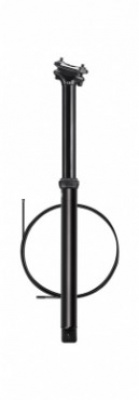
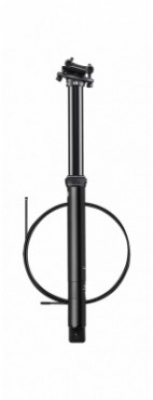
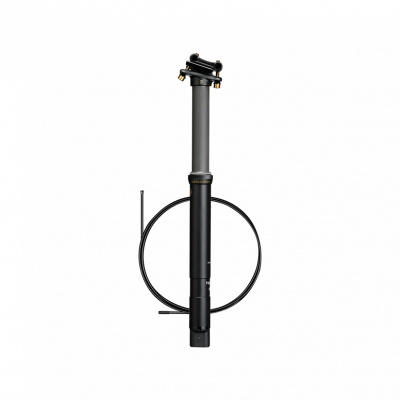
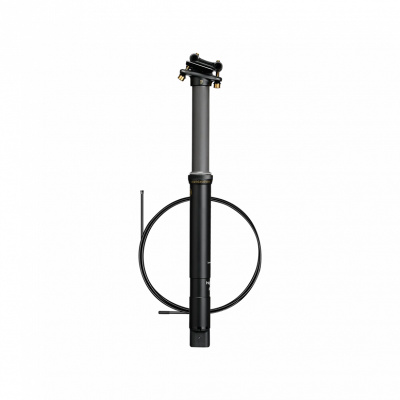
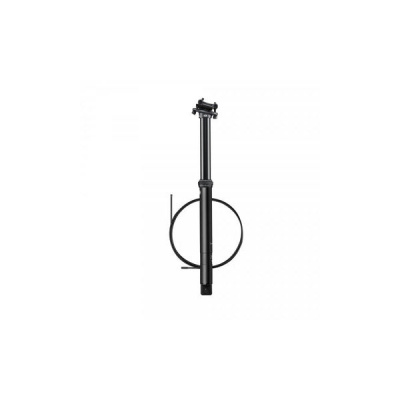
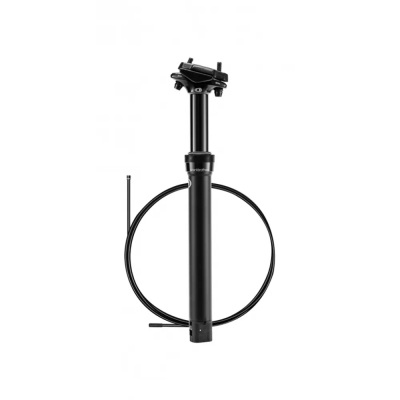
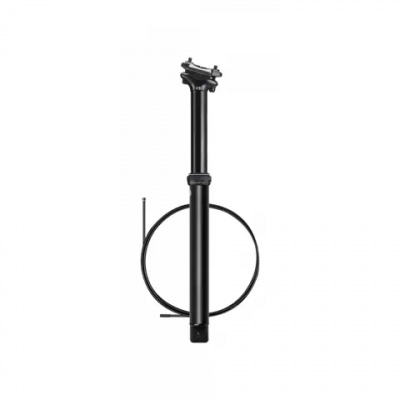
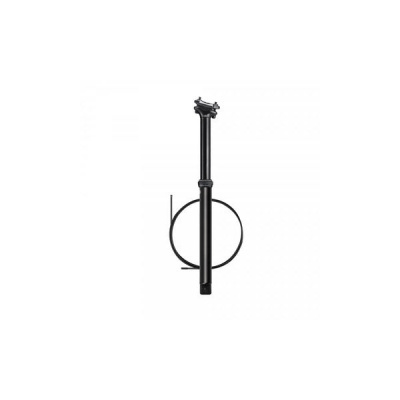
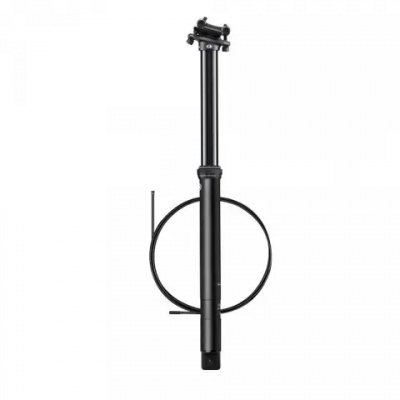
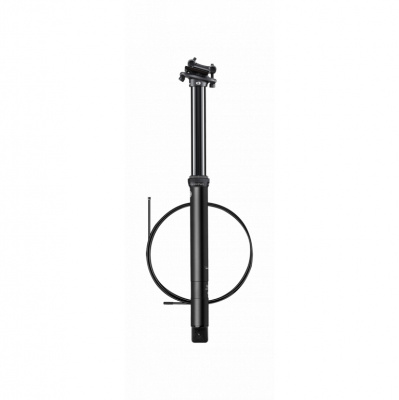
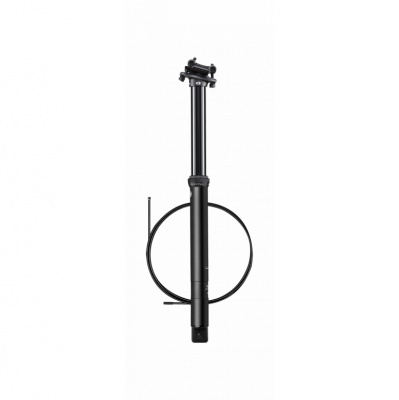
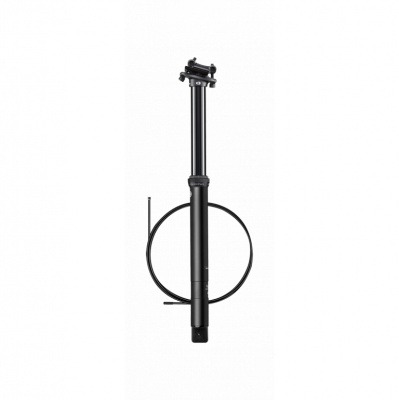
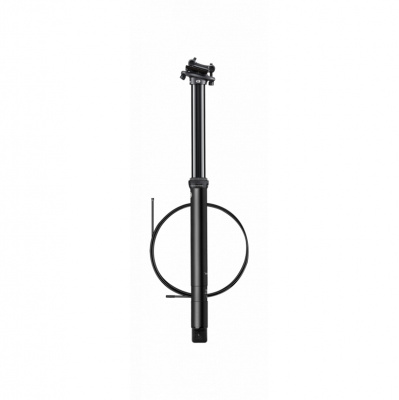
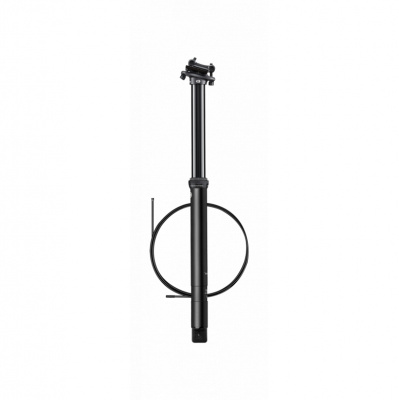
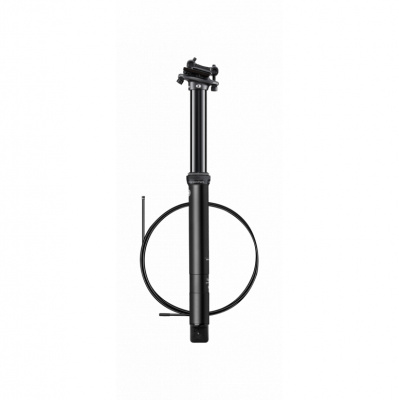
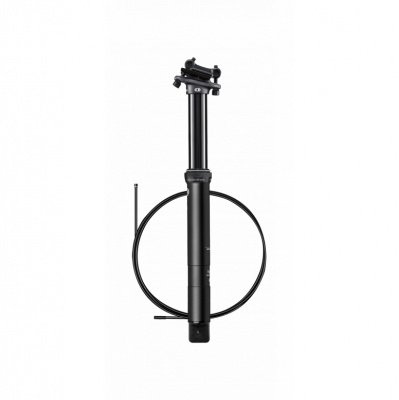
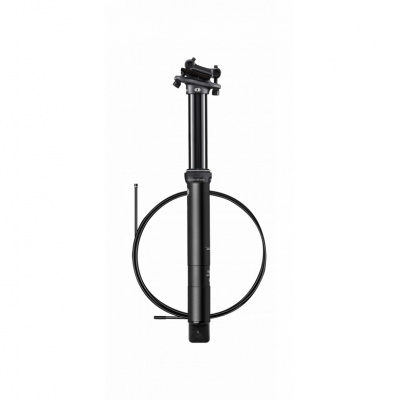
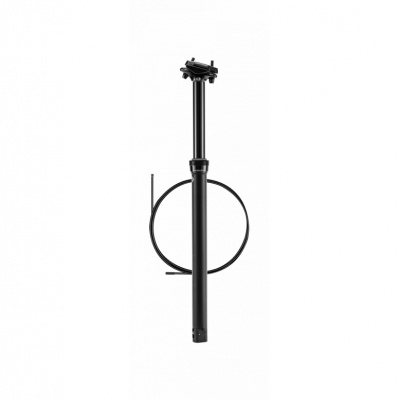
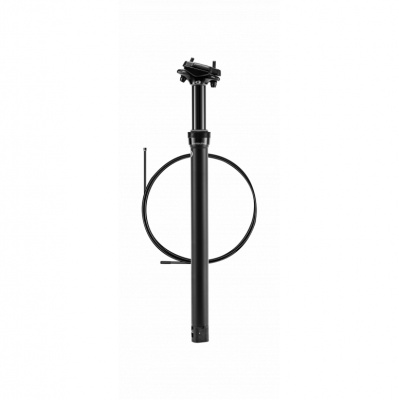
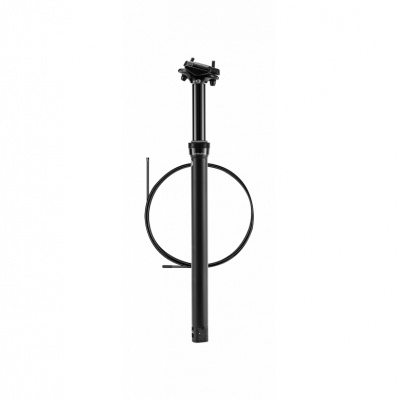
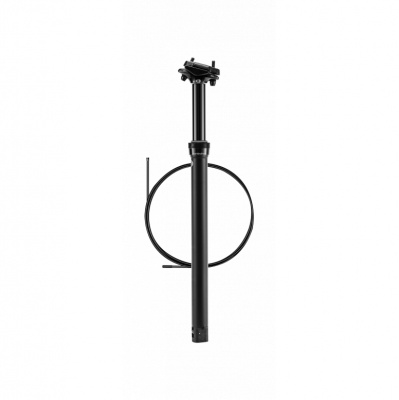
Crank Brothers dropper posts have built a solid reputation among riders who want a post that works every ride, not just on dry days. The Highline series sits at the heart of that reputation - a range built around Igus LL-glide bearings and Trelleborg premium seals that genuinely deal with the kind of grime UK trails dish out. Rotational play is the enemy of a precise post; the Igus bearing and key system tackles it directly, keeping the saddle locked in position under load rather than creaking and twisting through corners.
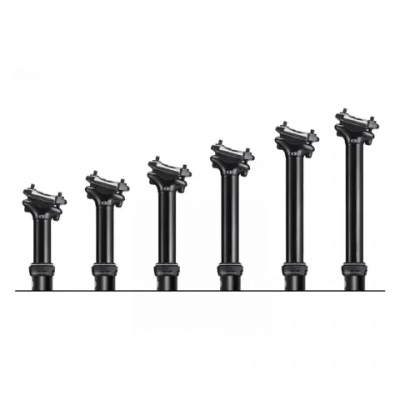
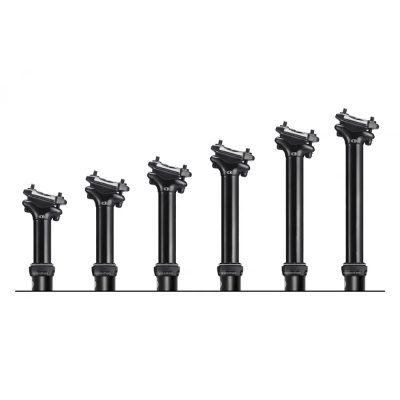
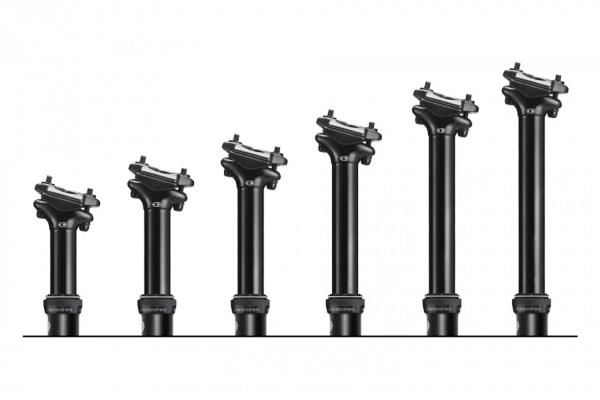
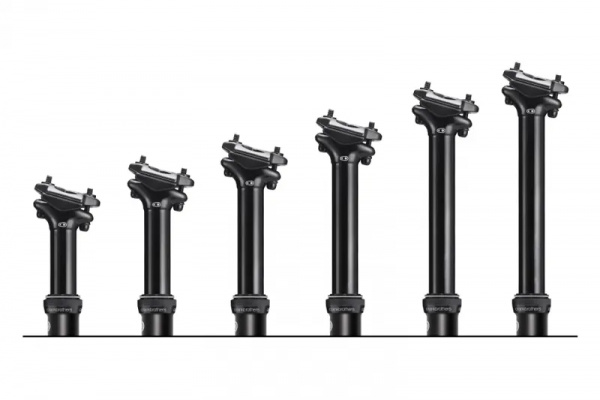
The range covers a wide spread of needs. Need a 27.2mm gravel dropper for a bikepacking setup? There's a Highline for that. Running a mullet enduro rig that demands 200mm of travel? Also covered. Travel options run from short-travel gravel-friendly drops up to full enduro lengths, and you'll find 30.9mm, 31.6mm, and 34.9mm diameters across the range to suit most modern frames. Internal routing is handled through a quick-connect linear pull mechanism that makes cable installation noticeably less frustrating than older push-fit systems. Whether you're shopping on spec or replacing a tired post mid-winter, the Highline series gives you a well-engineered, cartridge-based platform that's straightforward to live with.



Prices and availability can change quickly. Delivery charges are not always included in listed prices.
Final price, stock status and delivery terms are set by retailer. We may receive a commission on purchases made.
Getting the Fit Right: Diameters, Insertion Depth, and Stack Height
Before you buy, you need three numbers: your seat tube internal diameter, your frame's maximum insertion depth, and your personal saddle ride height. Get any one of these wrong and the post either won't fit the frame or will bottom out on a pivot bolt before you've dropped it an inch. Crank Brothers Dropper Posts come in 27.2mm (gravel and older trail bikes), 30.9mm, 31.6mm, and 34.9mm - so measure the seat tube bore carefully, because a millimetre's difference means a shim or a return.
Insertion depth is the measurement from your seat collar down to any internal obstruction - a water bottle bolt, pivot hardware, or a cable stop. The Highline's stack height (collar to saddle rails) determines how high the saddle sits at full extension. You want your normal riding height to land somewhere in that range with enough room for the post to drop fully without the two numbers fighting each other. If you're not sure, pull the existing post, mark the minimum insertion point with tape, and measure from there to the collar. It takes two minutes and saves a lot of frustration.
Routing internally? The quick-connect linear pull mechanism on the Highline makes cable routing less of an ordeal than it sounds. Fish the cable through the frame, click it in, and you're done - no threading tiny barrels in awkward positions. For actuators and replacement cartridges, head to our dedicated Crank Brothers seatposts and dropper spares pages, where you'll find the compatible remotes and service parts listed separately.
Highline 3, 7, and 11: What You Actually Get at Each Level
The Highline range splits into three mechanical tiers, and the differences are meaningful rather than just badge-level marketing. Start with the Highline 3. It runs an emulsified cartridge - oil and air mixed together rather than separated - which is a proven, reliable setup that handles everyday trail riding without drama. The alloy mast is robust, the weight is honest, and the price reflects a post built to work rather than to impress on a spec sheet. If you're new to droppers or replacing a budget post, this is a dependable starting point.
Step up to the Highline 7 and the key change is the self-contained IFP (Internal Floating Piston) alloy cartridge. Separating the oil and air chambers means faster, more consistent return speeds - the saddle comes back up crisply rather than lazily. The alloy head is also lighter than the Highline 3's, so you're shaving a few grams off something that sits at the top of your centre of gravity. That matters more than it sounds on longer climbs. The Highline 7 is where most riders who care about performance without obsessing over weight should land. It competes well against RockShox droppers at the same price bracket.
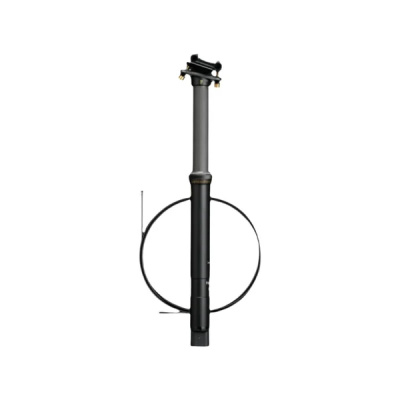
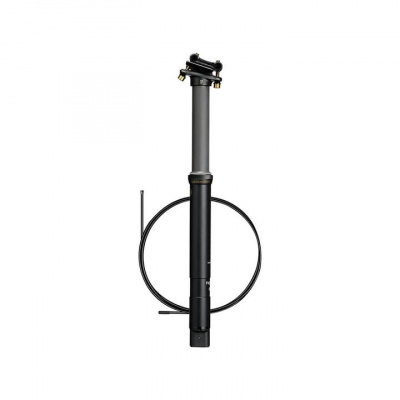
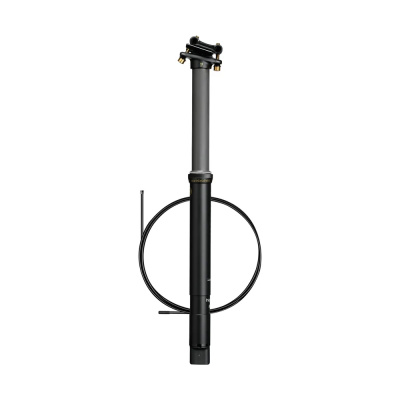
The Highline 11 is for riders who've done the maths on grams. A carbon fibre mast and titanium hardware bring the weight down noticeably - relevant for XC racers and weight-conscious trail riders where every gram counts on long Alpine or Scottish Highland days. The IFP cartridge carries over from the 7, so the performance mechanics are shared; you're paying for the material upgrade. Worth it if weight is a genuine priority. If it isn't, the Highline 7 gives you 90% of the experience. For comparison, OneUp dropper posts and Fox Transfer posts occupy similar premium territory, so it's worth comparing travel options and insertion lengths side by side before committing.
Keeping a Crank Brothers Post Running Through a British Winter
UK winter riding is hard on droppers. Liquid grit - that grey slurry of silica, road salt, and rainwater - is abrasive enough to work through most wiper seals within a season. Crank Brothers addresses this with Trelleborg premium sealing, which is a meaningful upgrade over standard wiper seals. Trelleborg is used in industrial hydraulic systems precisely because it resists this kind of contamination, so it's not marketing language - it's a sensible material choice for riding in conditions like the Peak District in January or the Brecon Beacons after a week of rain.
That said, no seal lasts forever if you ignore it. After muddy rides, rinse the stanchion (the bit that slides in and out) with clean water before the grit dries. Then, every few months, undo the collar, slide it down, and re-grease the Igus LL-glide keys with a light grease - something like Slick Honey works well here. The keys sit in the lower section and prevent the post rotating; if they run dry, you get stanchion wear that no seal will fix. It's a ten-minute job in the garage and it makes a real difference to longevity.
The Highline's sealed IFP cartridge (on the 7 and 11) means you don't bleed the post the way you would a fork. When the return speed degrades or the post starts feeling sluggish in cold weather - freezing temperatures do slow hydraulic return - the fix is a cartridge swap, not a bench bleed. Replacement cartridges are straightforward to source and fit without specialist tools. Also worth checking annually: the Jagwire inner cable. Cable stretch and moisture ingress down the seat tube cause lever feel to go soft; a fresh inner cable is cheap and often restores crisp actuation instantly. Check out the Crank Brothers tools range for cable cutters and installation kit that makes the job cleaner. If you want to compare how other brands handle winter durability, PNW Components droppers and Brand X posts are worth a look at the budget end. And while you're sorting the post, it's a good time to check your Crank Brothers pedals for worn pins - might as well refresh both contact points in one session.
Crank Brothers Dropper Posts FAQs
How do I measure my bike for a Crank Brothers Highline dropper?
You need three measurements: seat tube internal diameter, maximum insertion depth (collar to any internal obstruction like a pivot bolt), and your current saddle ride height from collar to saddle rails. Cross-reference these against the Highline's stack height and total post length. If the numbers don't add up cleanly, a shim or different travel option will sort it.
What is the difference between the Highline 3 and Highline 7?
The core difference is the cartridge. The Highline 3 uses an emulsified cartridge - reliable and cost-effective. The Highline 7 steps up to a self-contained IFP (Internal Floating Piston) alloy cartridge, which separates the oil and air chambers for faster, more consistent return speeds and a slightly lighter head unit. Most riders who want sharper performance will find the 7 worth the extra spend.
Are Crank Brothers dropper posts easy to service?
Straightforward, yes. The Highline uses a sealed cartridge system - when it eventually degrades, you swap the cartridge rather than attempting a hydraulic rebuild. Day-to-day maintenance is simple: clean the stanchion after muddy rides, re-grease the Igus LL-glide keys every few months, and replace the Jagwire inner cable when lever feel goes soft. No bleed kit required.