
Craft Bib Tights
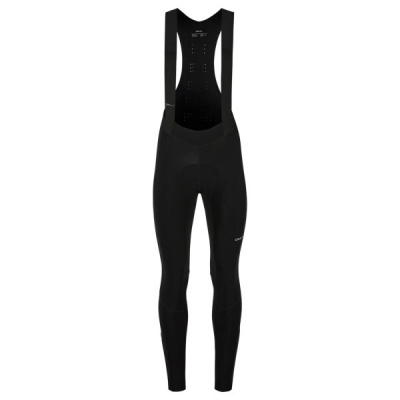
Craft Bib Tights bring Swedish cold-weather engineering to UK winter riding, built on decades of cross-country ski racing where moisture management isn't a nice-to-have - it's survival. The brand's Ideal Thermal and Storm ranges split the difference between breathable warmth and full wind-blocking armour, each calibrated for specific conditions rather than vague "winter" claims. At the heart of every pair sits an Infinity C-Pad chamois, laser-cut and gender-specific, with density grades from elite endurance (C1) down to recreational comfort (C4). What sets Craft apart is the bodymapping approach: brushed thermal fleece where you need insulation, Ventair® Wind panels on the quads and knees where windchill bites hardest, and a moisture transport system inherited from their base layers. It's kit designed in Borås, where February rides mean sub-zero starts and the fabric has to work or you don't finish. For UK riders bouncing between damp Pennine loops and dry, biting easterlies, that Scandinavian fit - leaner through the leg, longer in the rise - delivers compression without the sausage-casing feel.
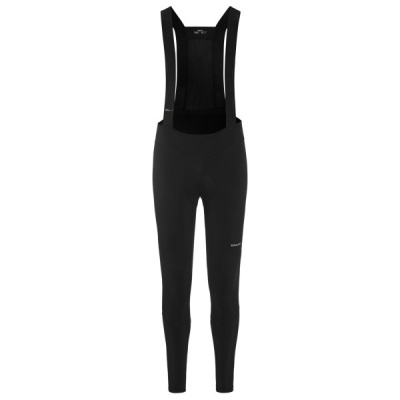
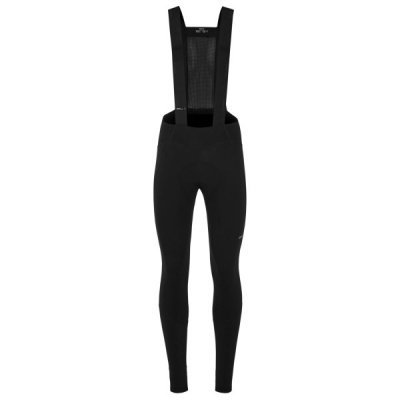
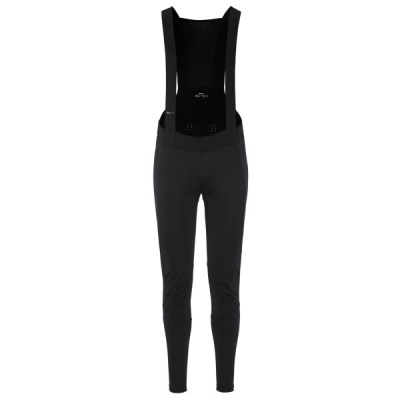
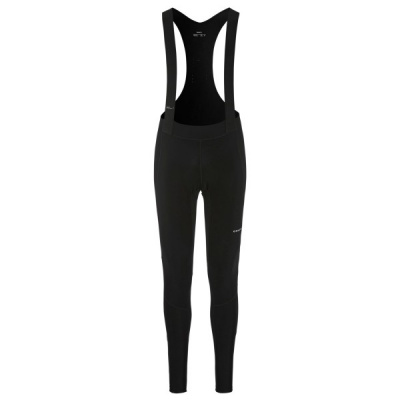
Prices and availability can change quickly. Delivery charges are not always included in listed prices.
Final price, stock status and delivery terms are set by retailer. We may receive a commission on purchases made.
Anatomy of Performance: Infinity C-Pad & Ventair®
The Infinity C-Pad series is where Craft's textile know-how meets saddle reality. Four densities, each laser-cut to eliminate seams and shaped by gender-specific moulds. The C1 pad - found in the top-tier Pro range - uses high-density foam with variable thickness zones: thicker under the sit bones, thinner through the perineal channel to reduce pressure on soft tissue during four-hour slogs. C2 steps down slightly in density but retains the multi-layer construction, ideal for three-hour club runs where comfort matters but you're not chasing UCI points. C3 and C4 pads soften further, trading long-distance resilience for immediate plushness - think commutes or cafe loops rather than audax cards.
Ventair® X Wind fabric sits on the front panels, a tightly woven polyamide membrane that blocks wind without turning your thighs into a greenhouse. It's not a full waterproof shell - DWR water repellent treatment sheds drizzle and road spray, but a proper downpour will eventually soak through. The trade-off? Breathability. Craft positions Ventair® only where wind hits hardest (quads, knees), leaving the calves and rear panels in brushed thermal fleece that exhausts moisture fast. On a cold, dry Peak District descent, that windblock keeps your legs warm without the clammy feel you get from fully sealed fabrics.
Bodymapping stitches it all together. Ergonomic panel shapes follow muscle groups, so the fabric stretches with your pedal stroke rather than fighting it. Lycra® Sport Energy provides graduated compression - enough to support the quads without restricting blood flow - and the ankle zips are long enough to clear bulky overshoes without a wrestling match in the hallway.
Layering Logic: The Craft System
Craft's bib tights don't exist in isolation - they're the middle layer in a three-part system honed by Nordic skiers who layer like it's a competitive sport. Start with a Craft base layer (Active Extreme or Warm depending on the forecast), add the bib tights, then top with a Craft jacket like the Verve or Hale for wind and rain protection. The moisture transport system works because each layer has a job: the base wicks sweat off your skin, the tights insulate and block wind on the lower half, the jacket seals the deal up top.
This modular approach means you're not stuck with a single-piece winter suit that's either too hot or too cold. On a January morning in the Chilterns - frosty start, midday sun - you can shed the jacket and still have windproof quads. Pair the Ideal Thermal tights with a lightweight jersey for those weird March days when it's 12°C but the wind's doing its best to convince you otherwise.
The bib straps are mesh, not fleece, which keeps your core from overheating when you're layered up. Wide elastic grippers at the ankles sit flat under overshoes, and the reflective detailing - 360-degree visibility strips - catches headlights without looking like a hi-vis vest exploded on your legs.
Seasonal Selection: Storm vs. Ideal Thermal
What temperature are Craft thermal tights good for? Depends which model you grab. The Ideal Thermal range uses brushed fleece lining and suits 5°C to 15°C - shoulder season stuff, autumn club runs, spring sportives where you're not sure if it's jacket weather. No windblock panels here, just consistent insulation and fast-drying fabric. They're the go-to for high-output rides where you're generating heat and need the tights to manage moisture more than block gales.
Storm Balance and Siberian tights step up for proper winter. Ventair® panels on the front, thicker fleece elsewhere, and DWR coating to handle wet roads. These are sub-zero workhorses - think February commutes in Edinburgh or pre-dawn starts on the North York Moors when the forecast says -3°C and you believe it. The windblock makes a noticeable difference on exposed sections: descending from Holme Moss, you're not arriving at the bottom with numb quads and a renewed hatred of cycling.
DWR isn't waterproof, though. It'll handle an hour of drizzle or spray from the rider ahead, but a sustained downpour will eventually soak through. For truly wet days, some riders layer Craft regular tights under waterproof overpants, but that's getting into niche territory. Most UK winter rides are damp rather than drenched, and the DWR-plus-breathability balance works better than sealed fabrics that trap sweat.
Born in Borås: Swedish Cycling Heritage
Craft started in 1977 in Borås, Sweden, making base layers for cross-country skiers who needed fabric that could handle hours of high-output effort in sub-zero temps. That moisture-wicking expertise - keeping skin dry when you're producing serious heat - translated directly to cycling when Craft expanded into bike kit in the 2000s. The brand's core competency has always been textile engineering: how fibres interact with sweat, how panel shapes follow anatomy, how compression supports without constricting.
The Scandinavian fit reflects that heritage. Leaner through the leg than American cuts, longer in the torso rise to accommodate the forward lean of a road position. How do Craft bib tights fit compared to other brands? If you're used to Castelli or Assos, Craft runs similarly snug but with a slightly longer inseam. Compared to Endura or Gore, Craft is more compressive. Stick to your usual size for a race fit; size up if you prefer a bit more room or plan to layer heavily underneath.
Sustainability has crept into the lineup - recycled polyester in some models, bluesign-approved fabrics - but Craft doesn't shout about it. The focus stays on function: does the fabric dry fast, does the pad last 200 washes, does the windblock actually block wind? For riders who treat winter as a season to train through rather than hibernate, that Swedish pragmatism lands well.
Choosing Your Pad: Long Rides vs. Daily Miles
Which Craft chamois pad is best for long rides? The Infinity C1 and C2 are the endurance picks. C1 sits in the Pro-tier tights - thickest foam, most complex shaping, designed for riders clocking four-plus hours or back-to-back weekend centuries. The high-density foam doesn't pack out as quickly, and the laser-cut edges mean no seams to chafe when you're deep into hour five of a Welsh loop. C2 drops into the Advanced range, slightly softer but still multi-layer, good for three-hour club rides or hilly sportives where you're in and out of the saddle.
C3 and C4 pads are softer, less dense, aimed at shorter efforts. C3 suits recreational riders doing an hour or two - commutes, weekend potter, turbo sessions. C4 is the entry pad, fine for casual use but not built for sustained saddle time. The foam compresses faster, and you'll notice it if you're pushing past 90 minutes.
Gender-specific shaping matters here. Men's Craft bib tights use a wider sit-bone spacing and a longer perineal channel; women's Craft cycling tights adjust the pad width and shorten the front-to-back length to match pelvic anatomy. It's not marketing fluff - the difference is measurable in comfort on long rides, especially if you've been making do with unisex pads that don't quite align.
Pair the right pad with the right ride. C1 or C2 for audax, sportives, or winter base miles. C3 for commuting or social spins. C4 if you're just dipping into winter riding and want decent comfort without the pro-tier price. And if you're layering up with Craft's winter cycling kit - base layer, tights, jacket - the whole system works better than mixing brands, because the moisture transport and fit are designed to stack.