
Condor Pedals
Condor pedals sit at the contact point where your effort actually becomes motion - and getting that junction right matters more than most riders realise. Made by one of London's most respected cycling institutions, these pedals are engineered for the demands of both the velodrome and the daily grind through wet city streets. The construction centres on CNC machined aluminium bodies, keeping weight honest without sacrificing stiffness, while high-grade chromoly axles handle the torque without flexing under load. Premium sealed cartridge bearings do the quiet work of keeping grit, rain, and road salt out of the internals - useful when your commute involves puddles the size of small lakes. You'll find Condor pedals split broadly into two camps: classic track-style options designed to pair with toe clips and straps, and wider urban flat platforms built for everyday shoes. Both share the same attention to machining and bearing quality. Whether you're building up a fixie from scratch, refreshing a singlespeed commuter, or sourcing reliable track pedals for the boards, compare the full range of UK prices on Condor pedals below and find the right pair for how you actually ride.
Prices and availability can change quickly. Delivery charges are not always included in listed prices.
Final price, stock status and delivery terms are set by retailer. We may receive a commission on purchases made.
What Fits What: Thread Standards and Crank Compatibility
Every Condor pedal uses the industry-standard 9/16" thread, which means they'll fit the vast majority of modern adult cranksets - road, track, commuter, gravel, it doesn't matter. That standard covers practically everything made in the last few decades, so compatibility is rarely a concern unless you're working with a vintage kids' bike or a very old cottered crank setup. One thing that catches people out: pedal threading is side-specific. The right pedal threads in clockwise (standard), while the left pedal uses a reverse thread and tightens anti-clockwise. Get that wrong and you'll round out the threads before you've even left the car park.
Chromoly axles mated to aluminium crank arms can cold-weld over time, especially when road salt gets involved - and UK winters are generous with the stuff. Before you fit any Condor pedal, put a thin layer of anti-seize compound or lithium grease on the threads. It takes thirty seconds and will save you a lot of grief when you eventually need to remove them. If you're looking to rebuild your current setup or need replacement toe clips, straps, or cleats, visit our dedicated Condor tools and spares section rather than hunting through the main pedal listings.
Track Pedals vs. Urban Flats: Choosing Your Platform
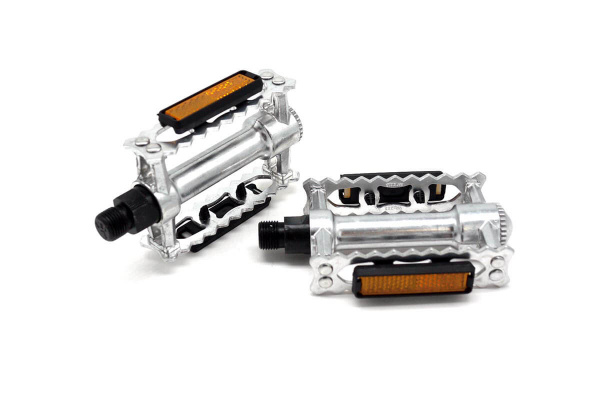
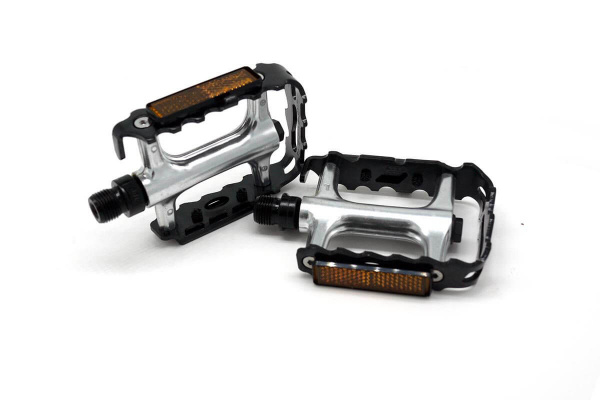
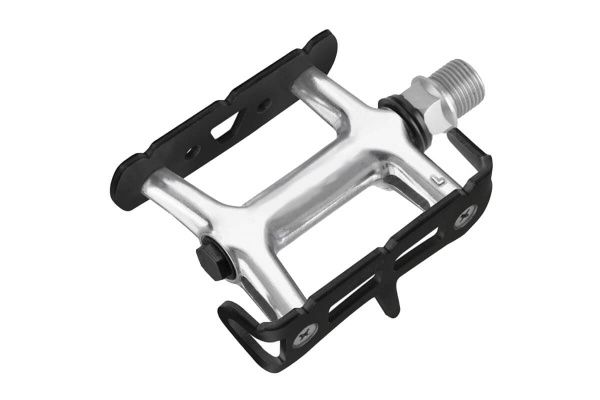
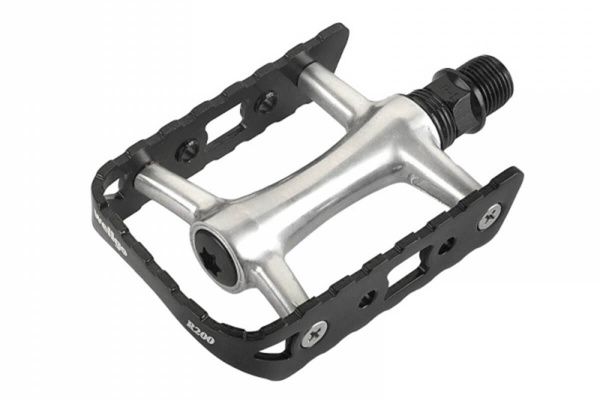
Condor's pedal range breaks into two distinct directions, and picking the wrong one for your riding will cost you either performance or practicality. The classic track-style pedals are narrower by design - that reduced profile keeps them clear of the banking when you're pushing hard through a velodrome bend. They're also built to accept toe clips and straps, the traditional system that gives you a secure connection to the pedal without the faff of cleat-specific shoes. If you're running a fixie on Condor's singlespeed and fixie bikes, or commuting on a track-geometry road bike, this style makes a lot of sense - you get real retention without being locked in.
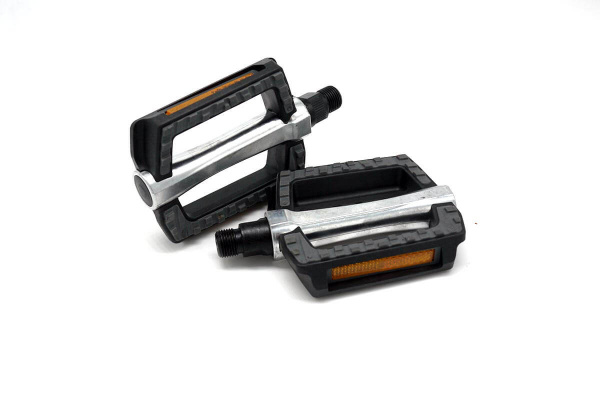
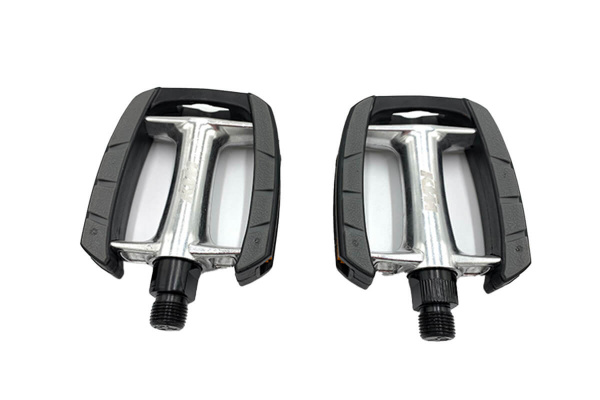
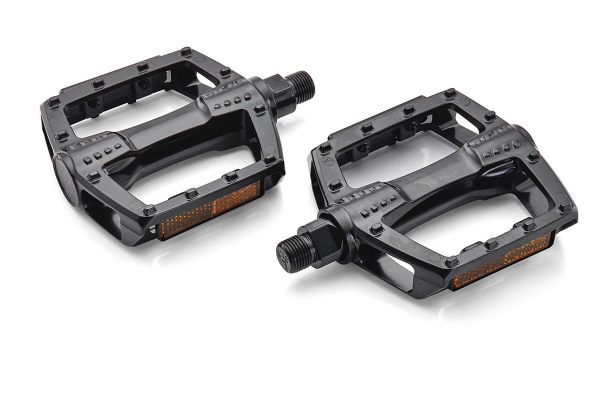
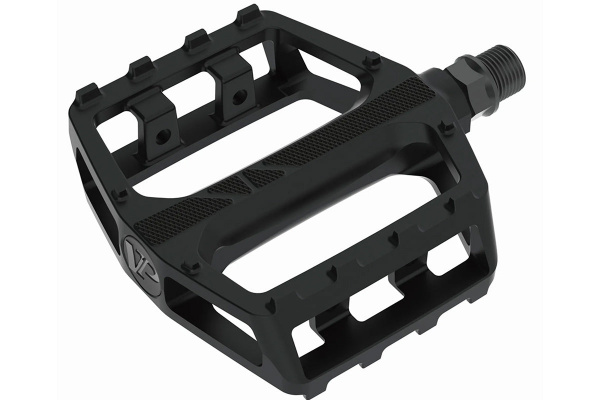
The urban flat pedals take a different approach. Wider platforms, CNC machined alloy bodies with grip pins, and a profile designed to work with a regular pair of trainers or commuting shoes. The larger surface area distributes foot pressure more evenly, which matters on longer rides or stop-start city commutes where you're constantly dabbing a foot down. These aren't racing pedals - they prioritise confidence and comfort over aerodynamics or micro-adjustable foot position. If you're after a clipless road pedal from a comparable heritage brand, Look pedals are worth a look, and for more aggressive flat options, DMR pedals offer a wider MTB-influenced platform. But for the urban flat category with a road-cycling sensibility, Condor's own offering is well-considered. Pairing new pedals with a matching drivetrain upgrade? The Condor chainsets and cranks range is worth browsing alongside.
Q-factor - the lateral distance between your pedal contact points - is worth thinking about if you've had any knee issues. Narrower track pedals bring your feet closer together, which suits riders with a naturally narrow stance. Wider flat platforms push your feet fractionally outward. Neither is objectively better; it depends on your anatomy and riding style, so it's worth checking the stated axle length and platform width before you commit.
Keeping Condor Pedals Running Through a British Winter
The sealed cartridge bearings on Condor pedals are doing a lot of the durability work you don't see. Unlike cup-and-cone systems that need regular stripping and repacking, cartridge bearings are self-contained units - the seals keep moisture and grit out, which is exactly what you need when your morning commute through London or Manchester involves spray from every passing bus and a generous helping of winter road salt. They won't last forever, but they'll go a long time before they need attention if you're not actively abusing them.
Servicing intervals depend on how hard you're riding and in what conditions. A daily commuter in wet weather should check for bearing play every three to four months - spin the pedal body on the axle and feel for any roughness or wobble. A bit of resistance is fine; grinding or lateral play means it's time to act. When cartridge bearings do go, they can be pressed out and replaced using standard workshop tools. It's not a complicated job, but it does require the right pedal-specific spanners and a bench vice if you want to do it cleanly. If you're not set up for that, any decent local workshop will sort it in under half an hour. For the chromoly axles, a wipe-down after particularly grim rides and a very occasional light oil on any exposed metal keeps corrosion at bay - salt is relentless, and even stainless-adjacent alloys aren't immune over years of use.
Installation torque matters too. Most pedal manufacturers specify somewhere between 30 - 40Nm, though always check the specific product guidance. Under-tightened pedals can work loose mid-ride; over-tightened ones can stress the crank arm threads. A decent torque wrench isn't optional if you're doing this yourself - borrow one if you haven't got one. For a comparable take on sealed-bearing pedal durability, MKS pedals from Japan have a similarly long-standing reputation in the track and commuter space and are worth comparing directly.
Condor Pedals FAQs
Are Condor pedals compatible with my bike?
Almost certainly, yes. Condor pedals use the industry-standard 9/16" thread, which fits virtually all modern adult road, track, and commuter cranksets. The one thing to double-check: left and right pedals have opposite threading, so don't force them. Always grease the threads before fitting to prevent the chromoly axle cold-welding to your alloy crank arm over time.
Do Condor pedals come with toe clips and straps?
Classic Condor track pedals are built to accept toe clips and straps, but in most cases these are sold separately rather than included in the box. Check the individual product listing carefully - what's included varies by model. If you need clips or straps to complete the setup, make sure you're buying the right size for the pedal platform.
How do I maintain the bearings on Condor pedals?
Condor pedals run sealed cartridge bearings, which are low-maintenance by design and hold up well in wet, gritty UK conditions. Check for roughness or lateral play every few months - spin the pedal body on the axle to feel for it. If bearings do wear out, they can be pressed out and replaced with standard workshop tools, or any bike shop can handle it quickly.