
Condor Gravel Bikes
Condor gravel bikes occupy a rare corner of the market: genuinely handmade metal frames, built to last decades rather than a single product cycle. The London-based brand sources its steel from Columbus tubing mills in Italy, where master frame builders shape each tube set by hand before the frames head back to Condor's Gray's Inn Road workshop for painting and custom assembly. That process isn't nostalgia - it's a deliberate choice to deliver ride quality and repairability that off-the-shelf carbon simply can't match.
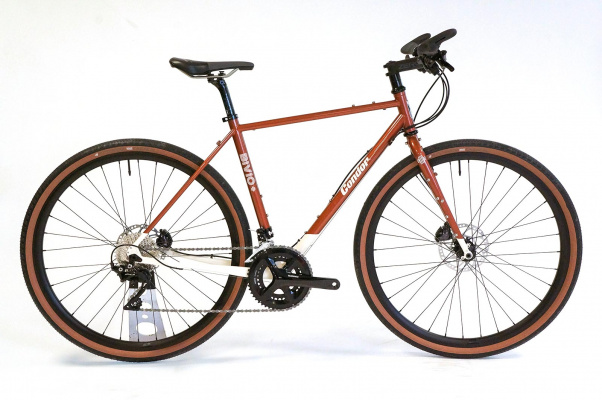
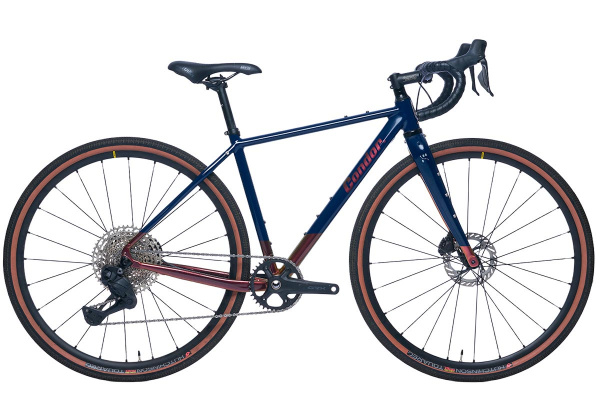
The gravel lineup splits into two clear families. The Bivio is the sharper tool: Columbus steel, responsive gravel geometry, and enough tyre clearance for a winter's worth of bridleway punishment. The Odyssey goes the other direction - titanium construction, a more relaxed position, and bikepacking mounts baked in from the start. Both are built around a custom-order model, so what you see isn't a rigid spec sheet; it's a starting point.
If you want to go frameset-only and source your own build kit, our Condor Frames page is the place to start. Already rolling and just want to upgrade the wheels? Head to Condor Gravel Wheels.
Prices and availability can change quickly. Delivery charges are not always included in listed prices.
Final price, stock status and delivery terms are set by retailer. We may receive a commission on purchases made.
Decoding the Condor Gravel Lineup
Condor doesn't do cookie-cutter build tiers. Forget Comp, Sport, and Pro - the brand leans heavily on bespoke configuration, which means the bike you spec can be tailored far beyond what most brands allow. That's liberating if you know what you want, and slightly daunting if you don't, so here's how the two main families break down.
The Bivio is the workhorse. Built around Columbus Omnicrom or Spirit steel depending on the spec, it's designed for riders who want a bike that handles fast gravel roads as confidently as it handles a muddier bridleway in November. The geometry sits in an engaged, slightly forward position - not road-aggressive, but not the stretched-out touring slouch either. It's a bike for people who actually want to ride quickly, not just travel far. If you're coming from a cyclocross background or you regularly mix road miles with off-road sections, the Bivio is the more natural fit. For a sense of where it sits against the wider metal gravel field, it's worth comparing with Genesis gravel bikes and Kinesis gravel bikes, both of which take a similar approach to steel but with different geometry priorities.
The Odyssey is a different proposition. Titanium frame, a more upright and endurance-friendly position, and a mounting spec that takes luggage seriously from day one. This is the bike for multi-day riding - the kind of trip where comfort on hour six matters as much as compliance on hour one. The Condor Odyssey suits riders planning loaded touring or long-distance gravel events rather than fast local loops. If you're weighing it against Italian alternatives, Cinelli gravel bikes offer a contrasting take on European craft, though with a racier bias.
Riders focused purely on the frameset should head to our Condor Frames page. Those building up a complete rig and need rolling stock will find the wheel options on our Condor Gravel Wheels page.
The Tech Behind the Steel and Titanium
Condor's commitment to metal isn't sentiment - there's real engineering logic here. The Bivio uses Columbus Omnicrom and Spirit tubing, both triple-butted profiles that vary wall thickness along the tube's length. Thicker at the joints where stress concentrates, thinner in the mid-section where flex is your friend. The result is a frame that absorbs the constant high-frequency chatter of gritty gravel surfaces in a way that budget carbon simply doesn't - cheaper lay-ups transmit that buzz straight into your hands and lower back over a long ride.
Geometry matters too. Condor runs a slightly lower bottom bracket drop on the Bivio compared to most road-derived gravel builds. That lowers your centre of gravity on loose descents, which on something like the chalk-and-flint surface of the South Downs makes a real difference to confidence. It's a small number on a spec sheet, but you feel it the moment the trail gets unpredictable.
Up front, the proprietary Condor Pioggia carbon gravel forks keep weight in check while maintaining precise steering. Carbon at the fork is a sensible trade-off on a steel bike - you get the weight saving where it counts for handling, without sacrificing the compliance and durability of the main triangle. The thru-axle interface on the Pioggia also keeps tracking consistent under braking, which matters when you're running flat mount disc brakes in the wet. Custom geometry and bespoke paint options round out the proposition: Condor will work with you on both, which puts them in a different league to brands selling fixed specs off a website.
Living with a Condor on UK Roads and Tracks
A few practical points worth knowing before you commit. Condor sticks with BSA threaded bottom brackets across the gravel range, and that's genuinely useful if you ride year-round in Britain. Press-fit shells and gritty riding are a poor combination - creaking starts, tolerances close up, and getting the thing apart in a cold garage is miserable. A threaded bottom bracket shell threads straight in, stays put, and comes apart cleanly when it needs replacing. Check our Condor bottom brackets page if you're speccing a build or due a swap.
If you're planning to ride a Bivio through a Welsh winter - or anything involving regular soaking - treat the inside of the frame with a rust inhibitor like Frame Saver before the first wet ride. Steel frames are tough, but moisture finds its way in through cable ports and bottle bosses. It takes ten minutes and extends the frame's life considerably. The Odyssey's titanium construction sidesteps that concern entirely, which is one of the less-discussed advantages of the material for British riding.
Tyre clearance on the Bivio runs to 700x42c or a 650bx47c setup if you prefer a wider, shorter wheel. Run full mudguards for winter and you'll lose a few millimetres of that clearance to accommodate the hardware - worth factoring in if you're ordering a custom build and planning to run guards from day one. Ask Condor to account for it at the spec stage rather than retrofitting.
Bar tape is one of those finishing details that changes how a metal gravel bike feels day-to-day. A thicker, more cushioned wrap works with the frame's natural compliance rather than against it - worth browsing the options on our Condor bar tape page when you're completing the build. And if you're curious how Condor's road-to-gravel crossover models compare to dedicated road builds from the same stable, their road bikes give useful context on how the geometry philosophy shifts between disciplines.
Condor Gravel Bikes FAQs
Where are Condor gravel bikes made?
Condor gravel frames are hand-built in Italy by experienced frame builders using traditional construction methods and Columbus tubing. Once complete, frames are shipped to Condor's London workshop where they're painted, prepared, and assembled to each customer's specification.
What is the maximum tyre clearance on a Condor Bivio?
The Bivio Gravel clears up to 700x42c, or you can run a 650b wheel with tyres up to 47c wide. If you're fitting full mudguards for year-round UK riding, expect that clearance to tighten slightly - factor it into your spec conversation with Condor at the order stage.
Is the Condor Odyssey good for bikepacking?
It's one of the better-suited bikes in Condor's range for exactly that. The titanium frame handles sustained load and vibration well over long days, and multiple bikepacking mounts for racks, luggage, and fenders are built into the design rather than added as an afterthought.