
Compass Kids Bikes
Compass Kids Bikes are built around a straightforward idea: a lighter, better-fitting bike gets children riding sooner, and keeps them riding longer. Rather than leaning on heavy steel frames that small riders have to muscle around, Compass uses lightweight alloy construction so the bike responds to the child rather than the other way round.
The geometry is genuinely child-specific - low standover heights mean nervous first-timers can get a foot down quickly, and the narrow Q-factor keeps pedalling natural for smaller hips rather than forcing an awkward duck-footed stance. Short-reach brake levers are a detail that matters more than it might sound: if a child can't fully close their hand around the lever, their stopping power is compromised from day one. Compass addresses that directly.
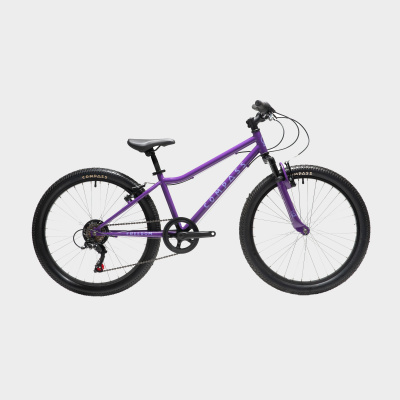
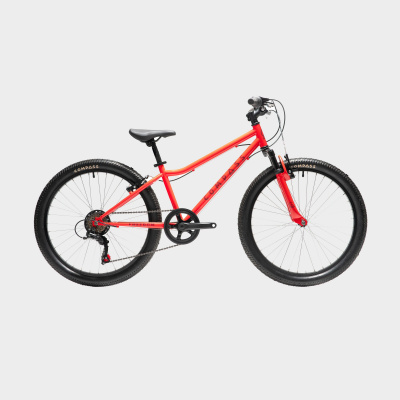
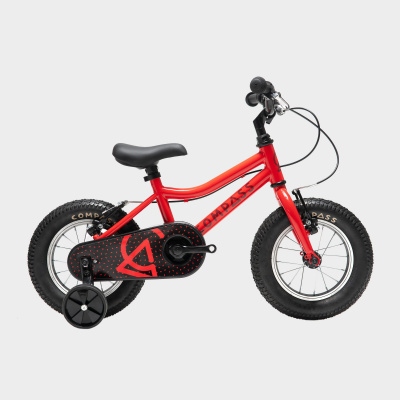
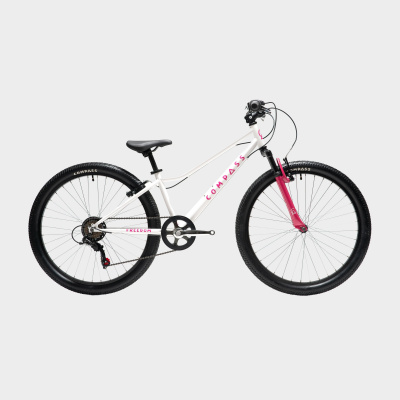
The range covers everything from 12-inch balance bikes for toddlers finding their feet to 24-inch junior bikes for older kids ready to tackle proper distances. Whether your child is wobbling down a garden path or looping a local park, there's a sensible, affordable option in the lineup. No unnecessary complexity, no heavy spec padding - just bikes sized and weighted correctly for the rider using them.
Prices and availability can change quickly. Delivery charges are not always included in listed prices.
Final price, stock status and delivery terms are set by retailer. We may receive a commission on purchases made.
Decoding the Compass Kids Bikes Lineup
Compass children's bikes progress logically through wheel sizes, and understanding that ladder makes choosing the right bike much simpler. At the bottom are the 12-inch balance bikes - no pedals, no fuss, just a low frame and two wheels that let toddlers scoot and steer. Balance bikes have largely replaced stabilisers as the preferred starting point, and for good reason: children develop genuine balance instincts rather than leaning on crutches they'll eventually have to unlearn.
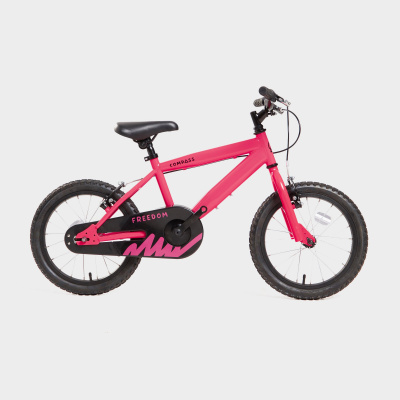
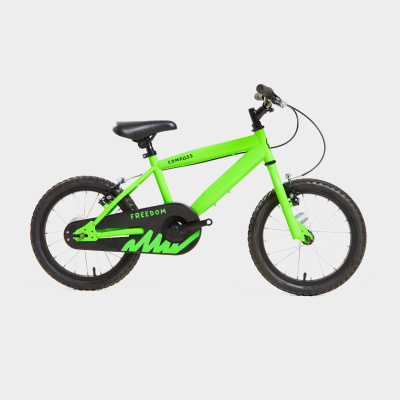
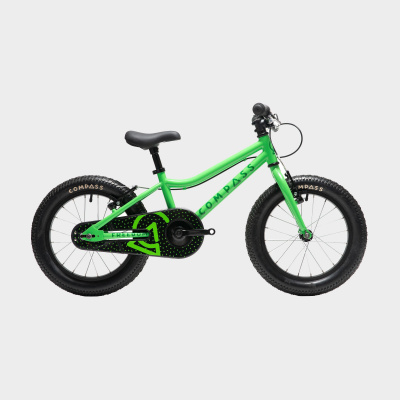
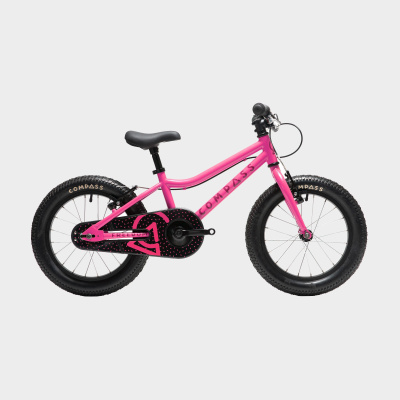
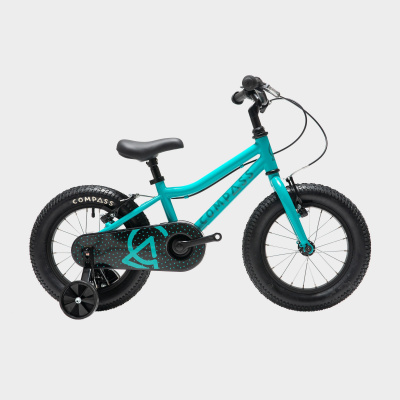
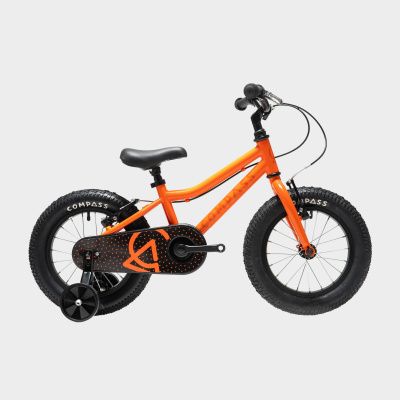
From there, 14-inch and 16-inch models introduce pedals for the first time. These are single-speed bikes with a coaster brake or simple hand brake, keeping the mechanical picture clean for children who are still figuring out the basics. Adding gears at this stage would just be noise. The standover height on these smaller bikes sits low enough that most four-to-six-year-olds can plant both feet flat - important when confidence is still being built.
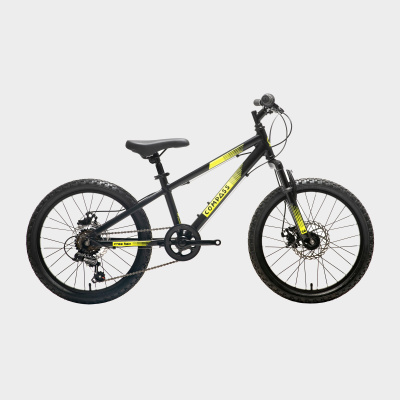
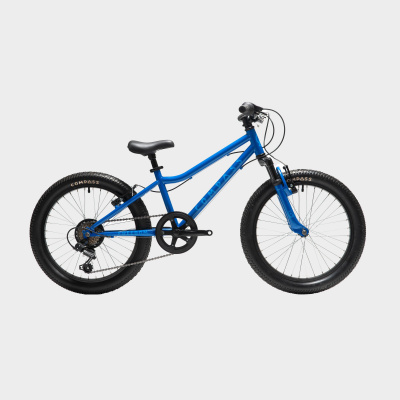
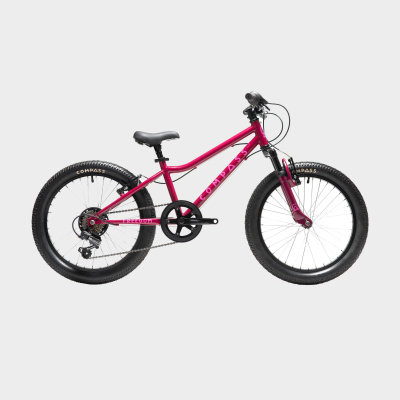
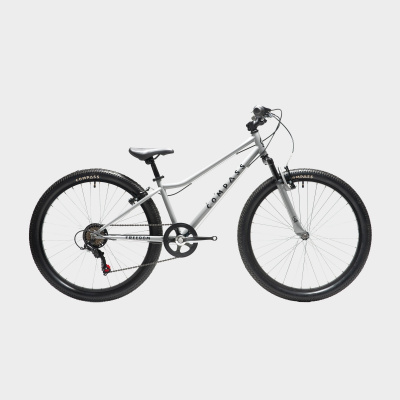
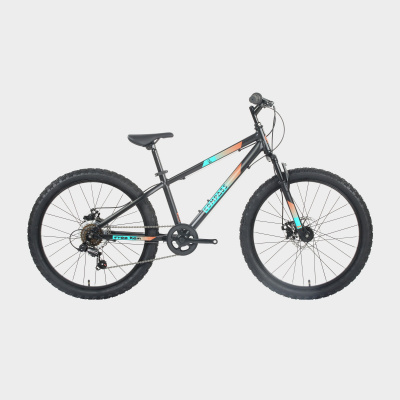
The 20-inch models are where things get a bit more interesting. Some come with a basic derailleur setup, typically six or seven speeds, which opens up longer rides and varied gradients without the child spinning out or grinding to a halt on any kind of incline. These suit roughly seven-to-ten-year-olds, though inside leg length matters far more than age as a guide. At the top of the range, 24-inch Compass junior bikes carry a more complete gearing setup and geometry that bridges the gap toward adult proportions - suitable for older kids covering real distances on towpaths, park loops, or longer family rides. If your child is also into other riding styles as they grow, it's worth knowing Compass produce Compass hybrid bikes that make a natural next step.
The Compass Tech Philosophy
The centrepiece of Compass's approach to Compass boys bikes and girls bikes alike is the 6061 aluminium alloy frame. It's a well-established alloy grade - stiff enough to feel responsive, light enough to make a real difference when a seven-year-old is hauling the bike out of the shed or lifting it over a kerb. Compared to the heavy steel frames that fill out the budget end of the kids' market, the weight saving is tangible. Children ride more confidently on bikes they can actually control.
Narrow Q-factor is one of those specs that rarely makes it onto a hang tag but affects every single pedal stroke. Q-factor is the lateral distance between the pedal attachment points - widen it too much and a child pedals with their knees flared out, which is inefficient and uncomfortable over time. Compass keeps this narrow and appropriate for smaller bodies, so the pedalling action feels natural rather than forced.
Short-reach adjustable brake levers are standard across the range, and this is a genuine safety point rather than a marketing one. Adult-spec levers require a full hand span to pull properly; a child using them is effectively braking at a mechanical disadvantage. The adjustable reach on Compass levers means you can dial in the position as the child grows, rather than replacing parts prematurely. Worth checking at the point of purchase that the lever reach is set correctly - it takes seconds with a 2mm hex key and makes a measurable difference to stopping confidence. For a complementary upgrade, a decent set of Compass pedals with grip pins can also improve foot stability for children still developing their pedalling rhythm.
Compared to something like Frog Bikes, which are well-regarded at the premium end, Compass sits at a more accessible price point while hitting the same core targets: light frame, child-specific geometry, proper braking. If budget is a consideration, Carrera kids bikes and Apollo kids bikes are alternative options worth comparing, though Compass's alloy frame construction gives it a weight advantage over similarly priced steel alternatives.
Living with a Compass Bike in the UK
Sizing is where most parents go wrong, and it's an easy mistake to make. Compass lightweight kids bikes are sized by wheel diameter, and the age ranges printed in catalogues are rough guides at best - children's proportions vary enormously. Measure your child's inside leg with them standing flat-footed, then check it against the standover height for the specific model. They should be able to get at least one foot down comfortably without the seat crunching into them. A couple of centimetres of growing room is fine; too much and they'll struggle to handle the bike with any confidence.
UK winters are hard on kids' bikes. They get left in damp sheds, ridden through muddy park grass, and occasionally hosed down without much aftercare. The rust-resistant components on Compass bikes help, but the chain is still the first thing to suffer. A light application of wet-lube before the season gets grim will keep it turning freely and prevent the seized-link grinding that signals a replacement is due. The tyre treads on most Compass models are versatile enough to handle wet towpaths and park grass without drama - not a specialist mud tyre, but capable on the surfaces most UK children actually ride.
Keep an eye on brake cable stretch over the first few weeks of ownership. New bikes bed in, and the lever reach that felt right in the shop may need a small barrel adjuster tweak after the first month of use. It's a two-minute job, and it keeps stopping power consistent. If your child is getting into riding more seriously, adding Compass lights for darker autumn afternoons is a practical addition, and a well-fitted helmet is non-negotiable from the first ride. Looking to complete their setup? Check out our dedicated ranges for Kids Helmets to keep them safe and supported on every ride.
Compass Kids Bikes FAQs
Are Compass kids bikes lightweight?
Yes. Compass kids bikes use 6061 aluminium alloy frames rather than steel, which makes a noticeable difference to how easily a child can handle and manoeuvre the bike. Lighter frames mean less effort spent fighting the bike and more energy spent actually riding it - particularly relevant for younger children on smaller models.
What size Compass bike does my child need?
Wheel size runs from 12-inch up to 24-inch across the Compass range. Don't rely on age guides alone - measure your child's inside leg length with them standing flat-footed, then compare it to the standover height of the specific model. They should be able to get a foot down comfortably without being overstretched or cramped.
Do Compass kids bikes come with stabilisers?
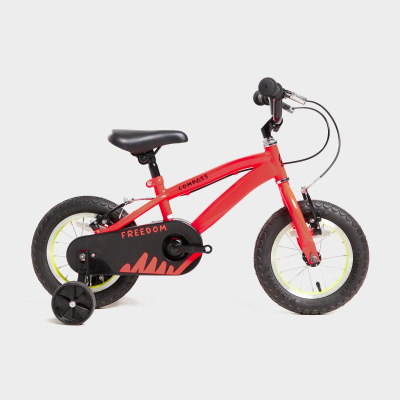
Smaller 12-inch and 14-inch Compass pedal bikes typically include removable stabilisers. On larger models they're generally not included, but can be purchased separately and fitted to the rear axle. That said, most children who start on a balance bike skip stabilisers entirely and move straight to pedalling with better balance as a result.