
Compass Helmets
Compass bike helmets are a straight-talking choice for riders who want solid, certified protection without paying over the odds. Whether you're threading through morning traffic, clocking up miles on a weekend leisure ride, or exploring quieter roads on a Compass hybrid bike, the range covers the essentials well. Every lid in the lineup carries EN1078 certification, meaning it's met the European safety standard required for road and commuter use in the UK.
Construction centres on in-mould polycarbonate shells fused directly with EPS impact-absorbing foam. That bond matters - it keeps weight down and means the shell and liner work together on impact rather than shifting apart. Add in a micro-adjust dial retention system at the back, ventilation channels that actually move air, and removable moisture-wicking pads you can pull out and wash, and you've got a helmet that does what you need it to do, day in, day out.
Compass sits at the accessible end of the market - think Bell helmets territory in terms of approachability, rather than racing-focused premiums. That's a deliberate position, and it works. For commuters, school-run parents, and anyone getting back into cycling, it's a sensible starting point.
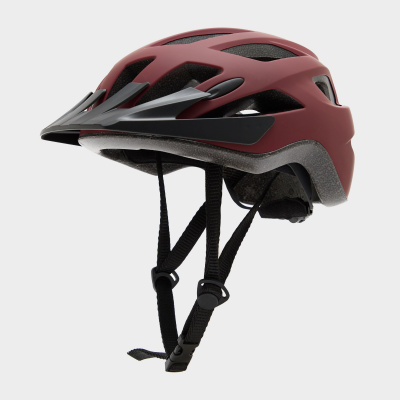
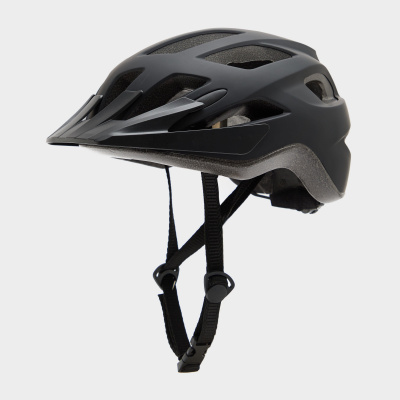
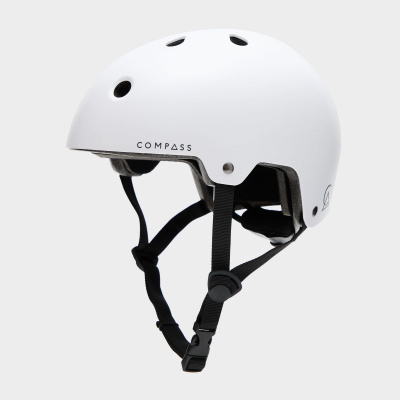
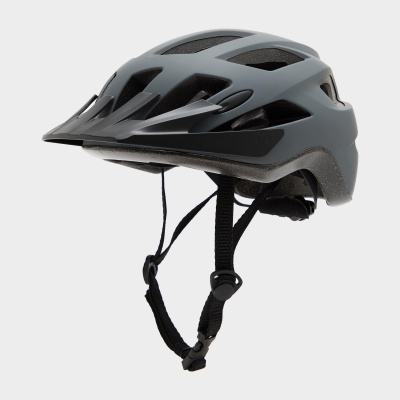
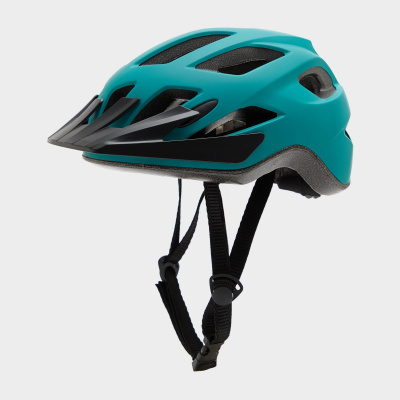
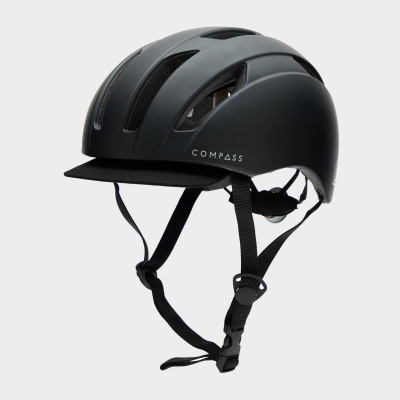
Prices and availability can change quickly. Delivery charges are not always included in listed prices.
Final price, stock status and delivery terms are set by retailer. We may receive a commission on purchases made.
Construction, Impact Protection & Weather Performance
The core of any Compass helmet is the in-mould construction process, where the outer polycarbonate shell is fused to the EPS foam liner during manufacturing rather than glued on afterwards. It's a cleaner, lighter result - the foam does the energy-absorbing work in an impact, and the shell holds everything together and resists punctures from road debris or a kerb edge. You get meaningful protection without the helmet feeling like a construction hat on your head.
Ventilation channels run front to back across the shell, drawing cooler air in at the forehead and pushing warmer air out at the rear. On a muggy August commute through town or a long drag up a Welsh valley road, that airflow makes a real difference to comfort. It's not the aggressive vent geometry you'd find on a race-focused lid from Giro, but for the pace and distances most Compass riders cover, it's well-matched. In winter drizzle, the same channels don't create the icy blast some heavily vented helmets suffer from - a reasonable balance for year-round UK use.
The EPS foam is doing most of the structural safety work here, and it's worth knowing that EPS degrades over time from UV exposure, sweat, and general use - even if the helmet looks fine on the outside. That's not a Compass-specific limitation; it applies to every helmet on the market. We'll cover replacement intervals in the FAQ below.
Fit, Sizing & the Dial Retention System
Compass adult helmets typically come in two sizes - S/M and L/XL - covering the majority of adult head circumferences. Neither size is a precise fit straight out of the box, which is where the micro-adjust dial retention system earns its keep. Sitting at the back of the helmet, the dial lets you tighten or loosen the internal cradle in small increments until it sits snugly against your head without pinching. It takes about thirty seconds to dial in, and once set, it stays put.
The fit profile suits a range of head shapes reasonably well. If your head sits on the rounder side, you may find the cradle wraps more comfortably than helmets with a narrower internal geometry. Are Compass helmets true to size? Generally, yes - they follow standard head circumference ranges, but measure around your head just above your eyebrows before buying and cross-reference against the listed cm range for each size. Don't guess based on hat size alone; it's not a reliable conversion.
The removable moisture-wicking pads inside the shell add another layer of personalisation - thicker pads can fine-tune fit and comfort on longer rides, and being able to wash them separately keeps things fresher over time.
Looking to protect the little ones on their first two-wheeled adventures? We have a dedicated range designed specifically for smaller heads. Head over to our Compass Kids Helmets page for child-specific sizing and fun designs.
Visibility, Upkeep & Getting the Most From Your Lid
For UK commuters, low-light visibility is a genuine concern from October through to March. Compass helmets include reflective decals on the shell - not a substitute for lights, but a worthwhile addition that catches car headlights from multiple angles. Pair your helmet with a set of Compass bike lights for proper active visibility; the decals are a supplement, not the main event.
Some models also feature an adjustable visor, which is more useful than it sounds on changeable British days - it keeps low sun out of your eyes on the morning ride without committing you to sunglasses you'll be stuffing in a pocket by lunchtime.
Helmet care is straightforward but worth doing properly. Pull out the moisture-wicking pads regularly and hand-wash them in warm soapy water - bacteria builds up quickly in foam padding, and it's the easiest way to keep a helmet smelling reasonable. Let them air dry fully before refitting. For the shell itself, a damp cloth is all you need. Avoid any solvent-based cleaners, spray polishes, or alcohol wipes on the polycarbonate shell - they can degrade the material and, critically, compromise the bond with the EPS foam underneath without leaving any visible sign of damage. If you've had a knock or a crash, retire the helmet regardless of how it looks. EPS foam crushes once; that's the whole point of it.
If you're weighing Compass against other accessible options, Halfords own-brand helmets sit in a similar bracket. Compass tends to offer comparable safety credentials with a cleaner fit system, though it's worth comparing specific models side by side on the listings. Don't forget a Compass lock for when the helmet's off your head - leaving a bike unsecured while you nip into a shop undoes all the good work.
Compass Helmets FAQs
Are Compass helmets true to size?
Yes, Compass helmets follow standard head circumference ranges and generally fit as expected. That said, don't rely on hat size - measure around your head just above your eyebrows and check it against the specific cm range listed for each size before you buy.
How do I adjust the fit on a Compass bike helmet?
Place the helmet level on your head - two fingers above your eyebrows - then turn the micro-adjust dial at the back until the cradle feels snug without pinching. Next, adjust the chin strap so you can just fit two fingers between the strap and your chin. That's your fit sorted.
How often should I replace my cycling helmet?
Replace it immediately after any crash or significant impact, even with no visible damage - EPS foam is a single-use material. Beyond that, plan to replace every three to five years. UV exposure and sweat degrade the foam over time, reducing protection even if the helmet still looks fine from the outside.