
Compass Folding Bikes
Compass folding bikes sit at the sensible end of the market - no fuss, no frills, just a practical machine that gets you from door to desk without drama. If you're weighing up the daily commute on public transport, need something that'll slot into a narrow hallway, or want a folder that'll fit in the boot for a weekend away, Compass gives you a genuinely accessible starting point. These aren't bikes trying to punch above their weight - they know what they are, and they do it well. You get a compact fold, Shimano gears, and on most models, mudguards and a rack already fitted. That last bit matters more than you'd think when November rolls around and the roads turn greasy. The 20-inch wheels keep the folded size manageable without turning every pothole into a lottery, and the alloy frame options trim a bit of weight for those inevitable station stair moments. Whether you're a first-time folder buyer or just need a reliable commuter bike that won't demand much fettling, Compass has a model worth a look.
Prices and availability can change quickly. Delivery charges are not always included in listed prices.
Final price, stock status and delivery terms are set by retailer. We may receive a commission on purchases made.
Decoding the Compass Folding Bike Lineup
Compass folding bikes split broadly into two camps: steel-framed entry-level models and lighter alloy frame variants. The steel bikes are heavier but carry a lower price tag - fine if you're storing the bike at both ends of the journey and rarely need to carry it far. The alloy models shave a noticeable chunk off the carry weight, which you'll appreciate quickly if you're regularly navigating busy London stations or hauling the bike up a flight of stairs to your flat.
Most of the range rolls on 20-inch wheels, which is the standard sweet ground for folding bikes - compact enough to fold down tidily, but large enough to roll over urban road surfaces without constant correction. Compare that to smaller-wheeled folders like Brompton folding bikes, which fold smaller but demand more rider adjustment to the quick, twitchy handling. Compass keeps things more familiar.
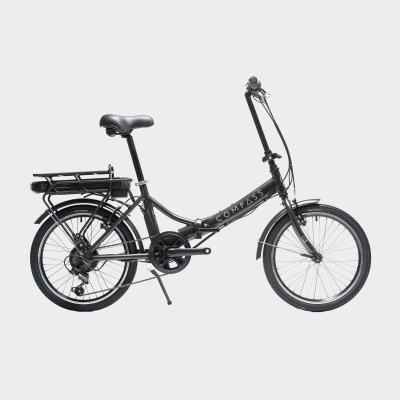
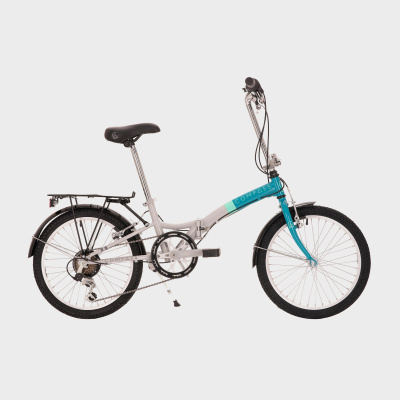
Drivetrains run to 6-speed or 7-speed Shimano Tourney setups depending on the model. Six gears is enough for a flat urban commute - think a 5-mile run across Manchester or along a canal path. Step up to 7-speed if your route includes any real lumps, or if you want a bit more flexibility on a leisure ride. The Compass Northern sits toward the more accessible end of the range with its steel frame, while the Compass Central moves into alloy territory with a lighter build and a slightly more refined spec. Neither is a performance machine, but that's not the point - these are tools, and both do their job honestly. For a broader look at how Compass builds across categories, their Compass hybrid bikes are worth a glance too.
How the Folding Mechanism Actually Works
The centrepiece of any folder is the hinge, and Compass uses a quick-release central frame hinge that keeps the fold process genuinely quick. Flip the lever, fold the rear half down, drop the telescopic adjustable stem, and you've got something roughly the size of a large rucksack. No tools, no fiddling. The telescopic stem is worth highlighting separately - it adjusts rider height meaningfully, which means one bike can comfortably fit a range of riders rather than needing a swap-out.
The geometry leans upright. Head angle and bar position put you in a position where you can see clearly over traffic - useful when you're picking your way through a busy junction rather than staring at the tarmac. It's confidence-inspiring rather than sporty, which is exactly right for a commuter bike doing daily urban miles. You're not going to mistake it for a road bike, and you're not supposed to.
The integrated rear pannier rack geometry is a thoughtful detail. Rather than bolting a rack on as an afterthought, Compass designs the rear end to accommodate the rack properly, which keeps load distribution stable when you're carrying a bag. It's a small thing that makes a real difference when you're 4 miles into a commute with a laptop on your back. If you need to add or replace one, Compass pannier racks are available separately through Bikesy.
Living with a Compass in the UK
Let's be straight about the weight. Most Compass folders land between 13kg and 15kg depending on frame material and how much kit is bolted on. That's not light. Carrying one up station stairs is manageable, but it's not nothing - especially on the steel-framed models at the heavier end of that range. If your commute involves several sets of stairs or a long walk between platforms, the alloy models earn their slightly higher price pretty fast.
Fitting onto UK trains is straightforward enough. The folded Compass sits in a standard luggage rack without drama, which is more than can be said for some full-size bikes trying to navigate the same space. On busy commuter services, you'll want to fold before boarding rather than blocking the vestibule mid-journey - other passengers will thank you for it.
The pre-fitted mudguards are proper full-coverage units, not the token flap-style guards some budget bikes ship with. That matters on a winter commute through Bristol or Edinburgh where road spray is a given for months at a stretch. Keep the hinge clamp wiped down after wet rides - road grit works its way into the mechanism and can cause stiffness over time. A light spray of wet lube on the folding pivots every few weeks keeps everything moving freely. V-brake pads wear faster in gritty, wet conditions, so check them monthly through winter and replace before they start dragging on the rim rather than gripping it. None of this is complicated maintenance, but staying on top of it keeps the bike feeling tight.
If you're thinking about adding lights - which you should be for winter commuting - Compass lights are designed to mount cleanly on the existing fittings. Worth sorting before the clocks change. And if you need a helmet to go with it, Compass helmets cover the commuter end of that category too.
For riders considering alternatives at a similar price point, Carrera folding bikes offer comparable specs and are worth comparing directly. Compass tends to win on out-of-box practicality with its pre-fitted accessories; Carrera's build quality is similarly honest at the budget end. Neither will trouble a Brompton on fold speed, but both cost considerably less. If you're curious about where Compass goes electrically, their Compass e-bikes are a separate conversation entirely.
Compass Folding Bikes FAQs
Are Compass folding bikes good for commuting?
Yes, for short to medium urban commutes they're a solid choice. The 20-inch wheels handle typical city roads without fuss, the compact fold fits standard UK train luggage racks, and most models come with mudguards and racks already fitted. Don't expect a performance ride - but for getting to work reliably, they do the job.
How much does a Compass folding bike weigh?
Most Compass folding bikes weigh between 13kg and 15kg. Steel-framed models sit at the heavier end, alloy frames drop a kilo or two. If you're regularly carrying the bike up station stairs or onto trains, the alloy option is noticeably easier to manage over time.
Do Compass folding bikes come with mudguards and racks?
Many models do, yes - full-coverage mudguards and a rear pannier rack come pre-installed on a good portion of the Compass range. That makes them genuinely ready for wet UK commuting straight out of the box, rather than needing you to spend extra before the bike is actually useful.