
Claud Butler Mountain Bikes
Claud Butler mountain bikes have been putting British riders on two wheels for decades, and their current MTB range keeps that tradition alive with honest, no-nonsense hardtails built around durable alloy frames. If you're new to off-road riding or simply want a reliable bike that won't demand an expensive service after every muddy bridleway, this is a sensible place to start looking. The lineup sits firmly in the entry-level bracket, which means accessible prices, proven componentry, and geometry that encourages confidence rather than demanding commitment. These aren't bikes that'll tax you on your first ride out - they're designed to get you moving, whether that's a weekend loop through local woodland, a towpath blast, or a rugged daily commute that turns into a trail ride by the back gate. The frames come with practical mounts for mudguards and panniers, so they cross over into everyday use without fuss. If pedal-assist is on your radar, take a look at our Claud Butler E-Bikes page instead. Otherwise, scroll down - we've mapped out the key models, what separates the trim levels, and what to watch for before you buy.
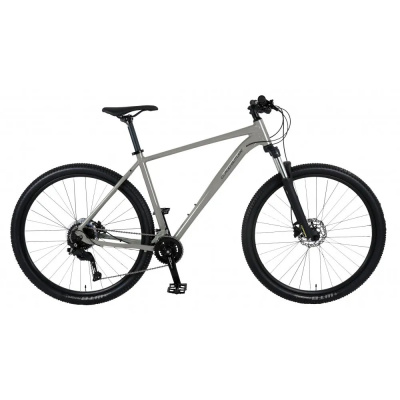
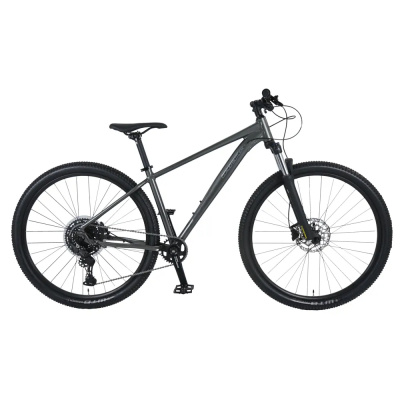
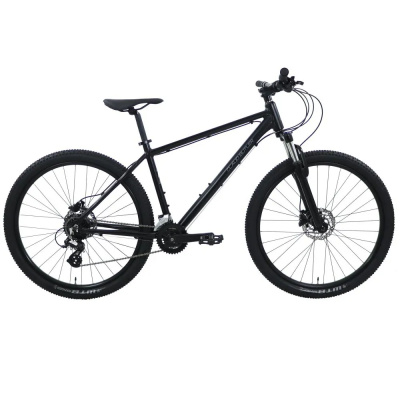
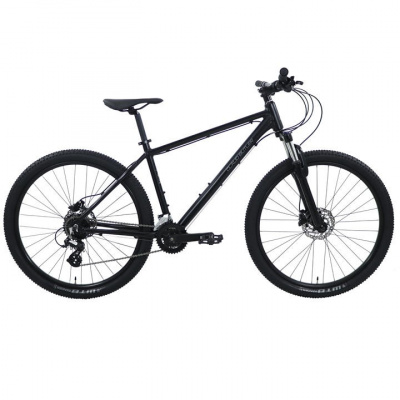
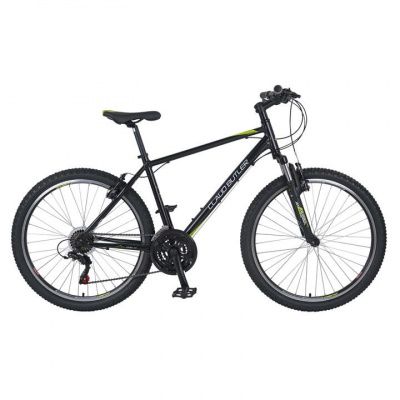
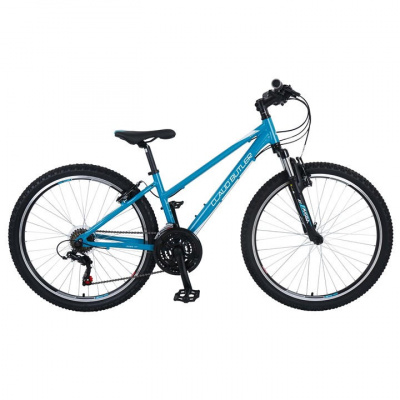
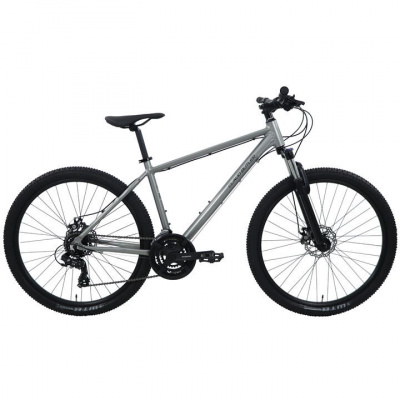
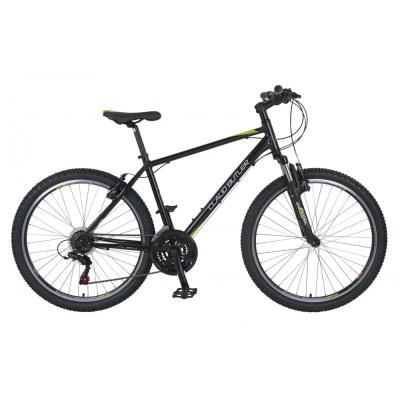
Prices and availability can change quickly. Delivery charges are not always included in listed prices.
Final price, stock status and delivery terms are set by retailer. We may receive a commission on purchases made.
How the Range Breaks Down: Haste vs Edge
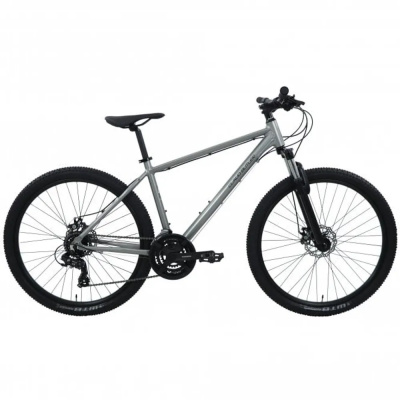
The Claud Butler MTB lineup is tighter than it looks once you understand the two core families. The Haste series is the more approachable of the two - relaxed hardtail geometry, 27.5 inch wheels on most sizes, and a riding position that suits riders who want confidence over aggression. It's well matched to family trail days, gravel paths, and the kind of mixed riding that doesn't commit fully to singletrack. Think bridleways in the Chilterns or canal-side loops rather than anything that requires pinning it through switchbacks.
The Edge series steps things up slightly. The geometry tightens a fraction, there's more intention behind the off-road focus, and some builds come with 29er wheels, which roll over roots and ruts with noticeably less drama. Within each family, the trim levels follow a logical pattern: higher numbers (2.0 over 1.0, for instance) typically bring hydraulic disc brakes in place of mechanical ones, additional suspension travel, or a bump up the Shimano drivetrain ladder - from Altus to Acera or Alivio depending on the build. It's worth checking the spec sheet carefully, because the jump between trim levels isn't always uniform. If you're weighing up whether Claud Butler suits your style, it's worth a glance at how Carrera mountain bikes or Apollo mountain bikes stack up at a similar price point - the component spec often varies enough to tip a decision.
What the Frames Are Actually Made Of
Claud Butler builds their MTB frames from 6061 hydroformed alloy, and it's worth understanding what that means practically. Hydroforming shapes the tubing under pressure, which allows the engineers to vary wall thickness and cross-section along the tube's length. The result is a frame that's stiffer where it needs to be and slightly more compliant elsewhere - not a revolution, but a meaningful improvement over plain-gauge tubing at the same weight. Durability is the priority here rather than saving grams, which is exactly the right call for bikes that'll spend time locked up outside, thrown in car boots, and ridden through winter mud.
The relaxed trail geometry deserves a mention too. The head tube angle and stack height are set up for an upright riding position, which reduces the learning curve for newer riders and keeps things comfortable on longer mixed-surface rides. You won't be wrestling the front end through tight corners, but you will feel settled and in control on descents that might otherwise unnerve someone on their first proper trail bike. Componentry across the range leans on Shimano drivetrains and Suntour or Zoom coil suspension forks - not exotic, but proven and straightforward to service or replace without specialist tools. Falcon mountain bikes operate at a comparable spec level if you want a direct comparison point.
The integrated practical mounts are a genuine differentiator at this price. Pannier and mudguard compatibility isn't standard across all budget MTBs, and having it built in means you're not hunting for aftermarket solutions the moment the weather turns. For riders doing a crossover between commuting and weekend rides, it's a small detail that saves real hassle.
Running One Through a British Winter
Here's what nobody tells you in the brochure: coil suspension forks at this price - typically Zoom or entry-level Suntour units - are perfectly functional when they're clean and the seals are fresh. The problem is British conditions. Gritty, wet mud gets into the stanchion/lower interface faster than you'd expect, and if you leave it unwashed after a Peak District outing in November, you'll be looking at surface rust on the stanchions within a season. Wipe them down after every muddy ride. A light application of suspension-specific oil on the stanchions takes thirty seconds and adds months to the fork's life.
The stock tyres on most Claud Butler builds are competent for dry hardpack and summer bridleways, but if you're planning anything more demanding - Welsh trail centre blue runs, muddy bridleways across the South Downs in February - swap them out early. A tyre with a more open, knobbly tread pattern transforms what these bikes can handle in the wet. It's the single cheapest upgrade that makes the most difference. Mechanical disc brakes also need more attention in gritty conditions than hydraulic systems; keep the rotors clean and check pad wear regularly, because contamination is the main failure point.
The mudguard mounts come into their own from October onwards. Full-length guards front and rear keep the worst of the spray off you and, more importantly, off the drivetrain - a wet, gritty chain wears chainrings and cassettes faster than almost anything else. Fit them early in the season rather than waiting until you're already soaked.
Claud Butler Mountain Bikes FAQs
Are Claud Butler mountain bikes any good?
For entry-level riding, yes - genuinely. The 6061 alloy frames are robust, the Shimano drivetrains are reliable, and the relaxed geometry makes them approachable for newer riders. They're not built for aggressive trail riding or bike parks, but for bridleways, mixed commutes, and weekend loops they do the job well and hold up with basic maintenance.
Where are Claud Butler bikes made?
Claud Butler started as a London-based brand with a long British history, but modern frames are manufactured in Asia to keep costs competitive. They're imported and distributed in the UK by Tandem Group Cycles. That's standard practice across most brands at this price point - it's how the spec stays strong relative to the cost.
What size Claud Butler mountain bike do I need?
Sizing runs from roughly 14-inch (Small) through to 22-inch (Extra Large), broadly matching height ranges. Always cross-reference the geometry chart for the specific model, though - a 29er will feel noticeably larger in standover and reach than the equivalent 27.5 inch build, so wheel size affects fit more than people expect.