
Chillafish Balance Bikes
Chillafish balance bikes are designed to get toddlers moving on two wheels as early as age one, building the core balance and coordination that makes the eventual jump to pedals feel almost instinctive. The range covers a surprisingly wide age span - from wobbly first steps to confident five-year-olds who've outgrown the park path - and each model is built around a clear philosophy: keep it light, keep it simple, and keep a parent's sanity intact.
Frames are ultra-lightweight, seat heights adjust without tools, and every bike in the lineup runs airless tyres that simply cannot puncture. No pump required, no roadside drama when a thorn patch appears mid-walk. For UK parents navigating muddy rec grounds, gravel paths and the inevitable moment a toddler sits down and refuses to move, Chillafish has clearly thought about the full picture - including the integrated carry handle that lets you haul the bike home one-handed while managing a small, determined human with the other.
Whether you're looking at the gradual-progression Bunzi, the trim Charlie or the sporty BMXie, compare the best UK prices across the full Chillafish range below.
Prices and availability can change quickly. Delivery charges are not always included in listed prices.
Final price, stock status and delivery terms are set by retailer. We may receive a commission on purchases made.
Decoding the Chillafish Balance Bike Lineup
Three main families, each aimed at a different stage of a child's early riding life. Getting the right one matters more than people expect - the wrong size geometry can stall a toddler's progress before they've really started.
The Bunzi is the entry point, aimed at children from around twelve months. What sets it apart is its gradual balance frame: it starts life as a three-wheeled tricycle and converts to a two-wheel balance bike without a single tool. That transition happens on the child's own timeline, which is genuinely useful when you've got a nervous or younger rider who isn't quite ready to go straight to two wheels. It's a compact, low-slung design with toddler geometry that keeps the centre of gravity sensibly close to the ground.
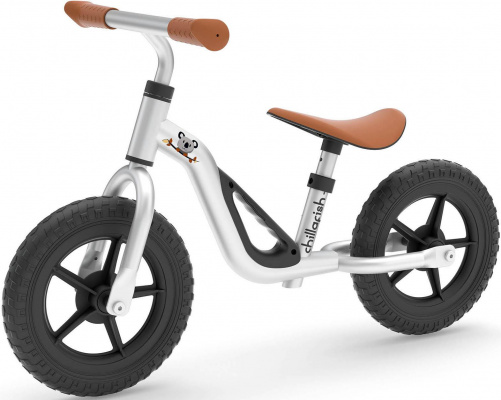
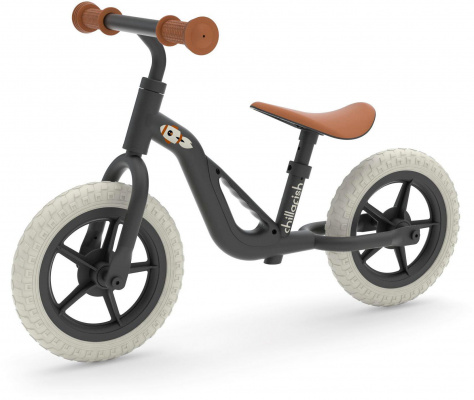
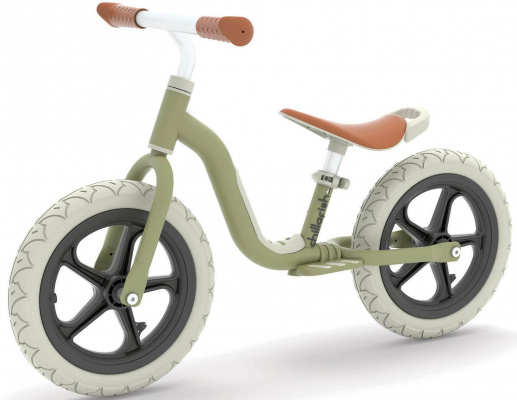
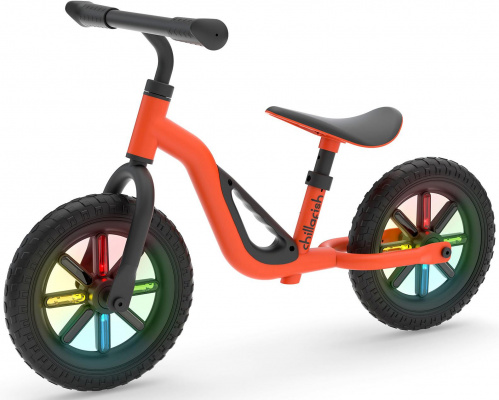
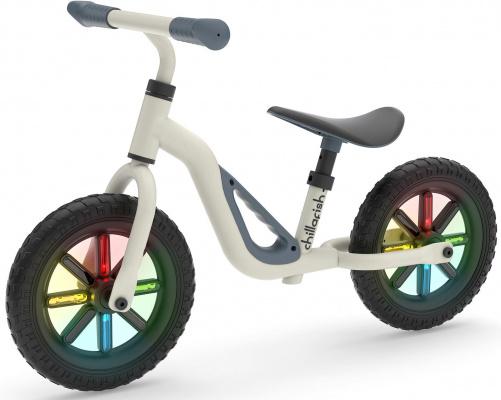
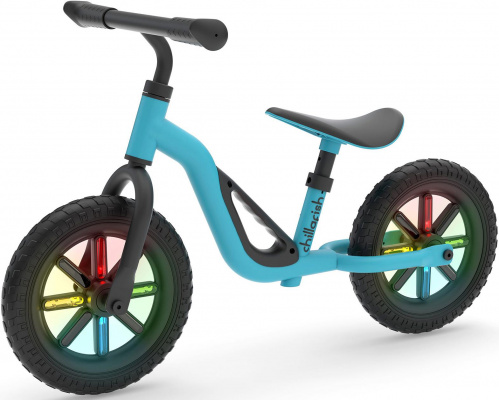
Step up to the Charlie and you're into classic lightweight trainer territory. It's a Chillafish 10 inch balance bike built for roughly two to four year olds, with a no-fuss frame, adjustable seat height, and the same airless tyre setup as the rest of the range. Think of it as the straightforward option - nothing flashy, just a well-proportioned bike that does exactly what it needs to. If you're comparing the Chillafish Charlie vs BMXie, the Charlie is the leaner, simpler choice for younger or smaller riders.
The BMXie is where things get a bit more expressive. Built around reinforced plastics with oversized tubing, it carries a deliberately sporty silhouette and comes with a footrest - a flat platform between the wheels where a confident rider can tuck their feet and glide. That detail alone separates it from most balance bike competitors. It suits two to five year olds and is the natural pick for a child who's already scooting around confidently and wants a bit more bike under them. Once they've outgrown balance bikes entirely, our kids bikes section covers the next step up to pedals, and it's worth pairing any of these models with a properly fitted lid from our kids helmets range from day one.
The Chillafish Tech Philosophy
Chillafish's engineering decisions read like a direct response to the things that actually frustrate parents rather than impressing trade show audiences. The tech is quiet, practical and consistently well thought through.
Start with the tyres. The puncture-proof EVA tyres - Chillafish calls their outer compound Rubberskin - are solid foam construction that simply cannot go flat. There's no inner tube, no valve, nothing to inflate. For a balance bike that's going to be dragged across gravel, grass, bark chippings and the occasional kerb, that's a genuinely worthwhile trade-off. You do sacrifice the slight cushioning you'd get from a low-pressure air tyre, but at toddler speeds and weights, the difference in ride feel is negligible. The practical upside far outweighs it.
Seat adjustment is toolless across the range, which sounds minor until you're crouched in a car park trying to lower a saddle because your child has had a growth spurt. The adjustable seat height range on most models covers several centimetres of growth, meaning a single bike can realistically last two to three years rather than one. The Bunzi's frame conversion - tricycle to balance bike - follows the same logic: no tools, no lost bolts, no instruction manual required in a muddy car park.
The integrated ergonomic carry handles built into the seat and frame deserve a mention too. Every Chillafish model has one. It sounds like a small detail but it changes the experience of a walk home considerably, particularly when a child has decided, definitively, that the ride is over and they'd like to be carried. One hand on the child, one on the bike. Done. Compared with brands that leave parents wrestling an awkwardly balanced frame under one arm, it's a simple win.
The BMXie's reinforced plastic construction with oversized tubing keeps the overall weight down while giving the frame enough rigidity to handle the kind of rough use a confident toddler will put it through. The lightweight frame is relevant here - if your child needs to manoeuvre the bike themselves, pick it up or change direction quickly, a heavy frame works against them. A broader look at balance bikes across brands confirms this is an area where Chillafish consistently performs well relative to comparably priced options.
Living with a Chillafish in the UK
A lot of balance bike marketing assumes perfect tarmac and dry weather. UK reality is different. Autumn park paths in most British towns are a mix of wet leaves, churned mud and the odd puddle that's deeper than it looks. The EVA tyres handle this better than air tyres in one specific way: they don't clog. Mud doesn't pack into the tread because the tread profile is shallow and the material doesn't grip debris the way a knobbly pneumatic does. Hose them down after a muddy session and they're clean in seconds.
Punctures on a balance bike might sound trivial, but a flat tyre on a child's bike creates a disproportionate problem - a two-year-old doesn't understand why their bike suddenly won't work, and fixing it on the spot isn't always realistic. Removing that failure mode entirely is the right call for this category. For parents who are also running something like a gravel bike alongside their own riding and are already managing sealant and pressure, not having to extend that maintenance thinking to a toddler's bike is a quiet relief.
The carry handle point bears repeating in practical terms. British park weather being what it is, there's a reasonable chance any given ride ends early. A child who was enthusiastic at the car park gate may be cold, wet and completely done with cycling by the time you're halfway around the loop. The integrated handle means you're not improvising a way to carry a bike that wasn't designed to be carried. It's a small design decision that reflects an honest understanding of how these bikes actually get used.
If you're also considering protective gear for rougher sessions, a look at our kids knee pads selection is worth a few minutes - early balance bike confidence tends to come with a few tumbles, and the lightweight options available now are far less restrictive than older designs.
Chillafish Balance Bikes FAQs
What age is a Chillafish balance bike for?
The range covers children from around 12 months up to approximately 5 years, depending on the model. The Bunzi starts youngest, from about one year old. The Charlie suits ages two to four, and the BMXie stretches to five. Seat height and frame size vary between models, so matching the bike to your child's inseam measurement rather than age alone gives the best fit.
How do you adjust the seat on a Chillafish balance bike?
Chillafish seat adjustment is toolless across the range - there's a quick-release clamp or lever mechanism that lets you raise or lower the saddle without spanners or Allen keys. It takes seconds. The adjustment range is broad enough to cover a couple of years of growth on most models, which makes the bikes genuinely long-lasting rather than something you outgrow in a single season.
Are EVA foam tyres better than air tyres for toddlers?
For most toddler use, yes - practically speaking. EVA tyres cannot puncture, require zero maintenance, and don't clog with mud on typical UK park surfaces. The trade-off is a fractionally firmer ride compared to low-pressure air tyres, but at toddler speeds and body weights that difference is barely perceptible. The zero-maintenance argument is a strong one for this age group.