
Chiba Gloves
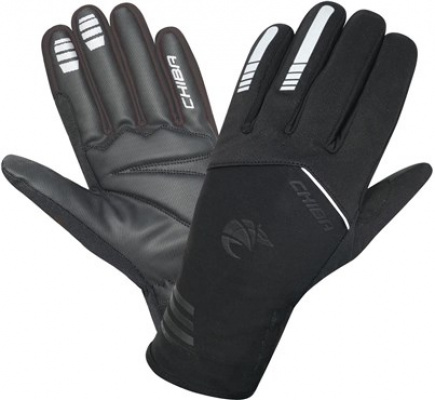
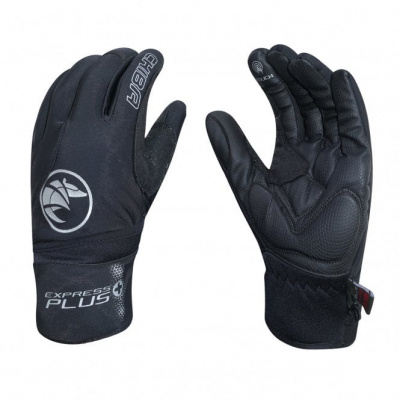
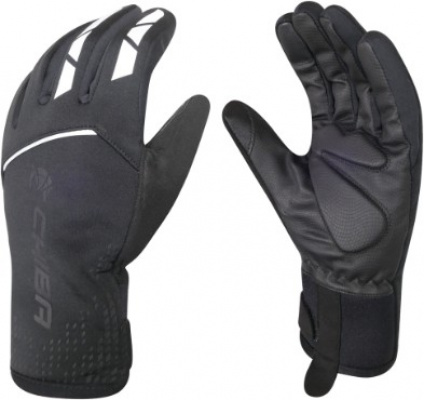
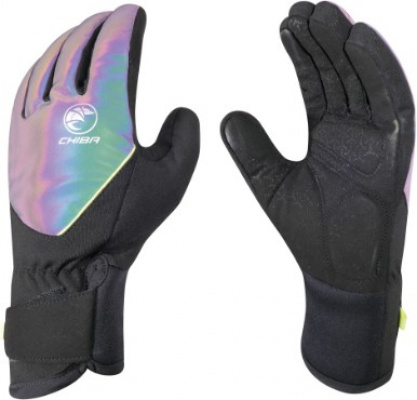
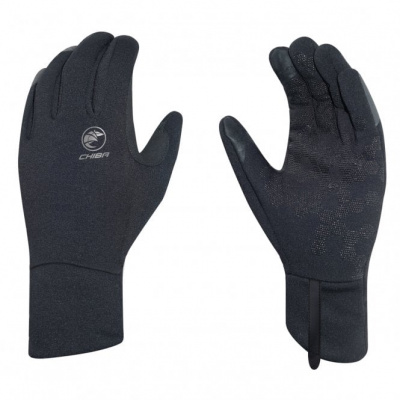
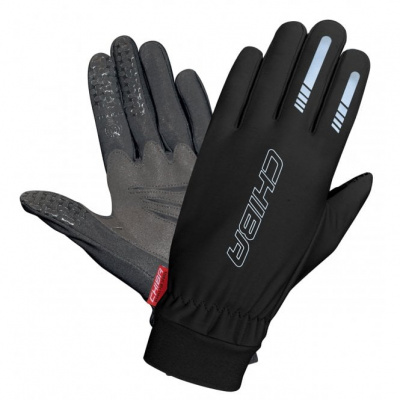
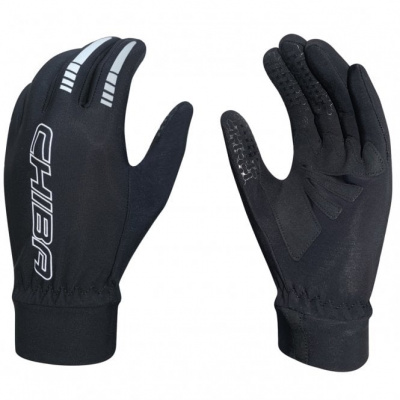
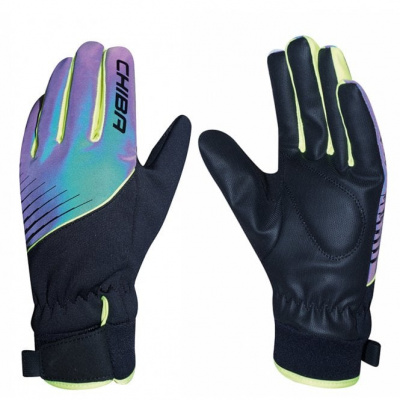
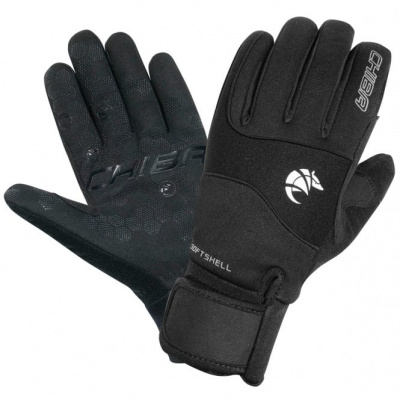
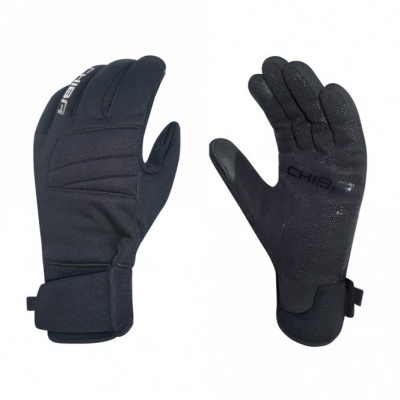
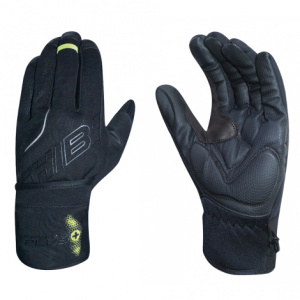
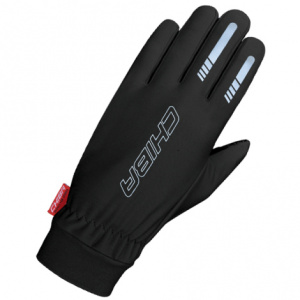
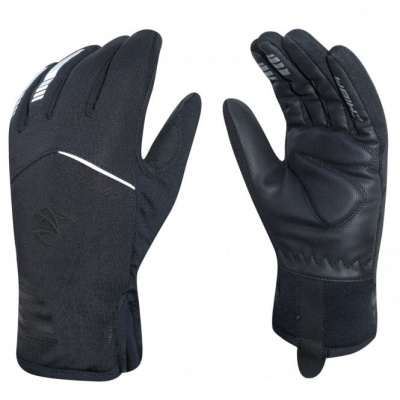
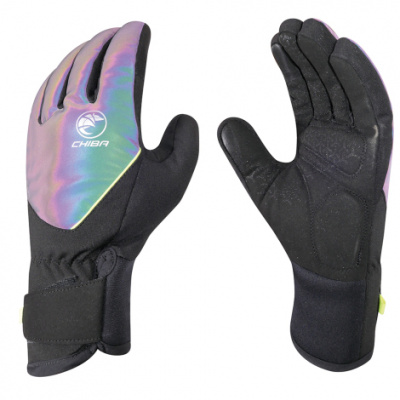
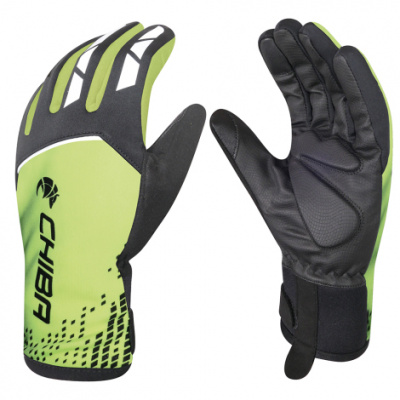
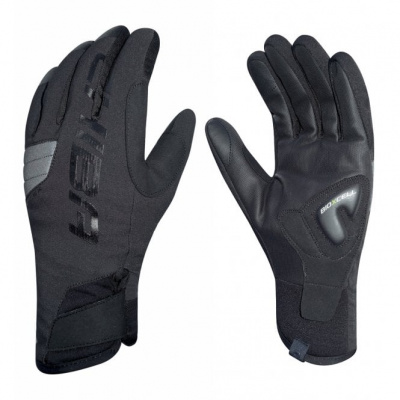
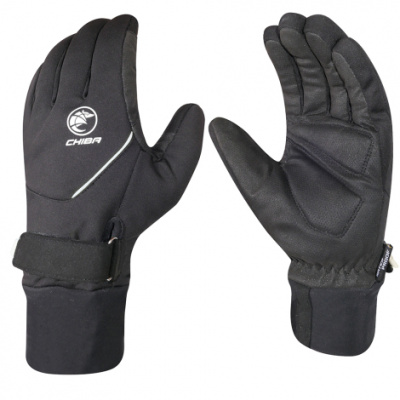
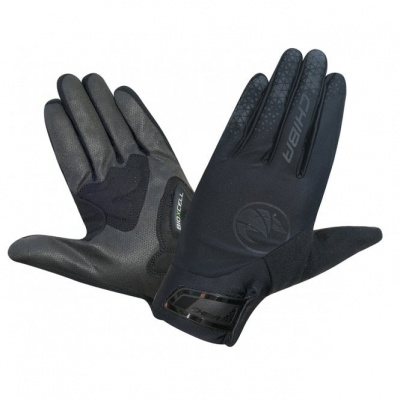
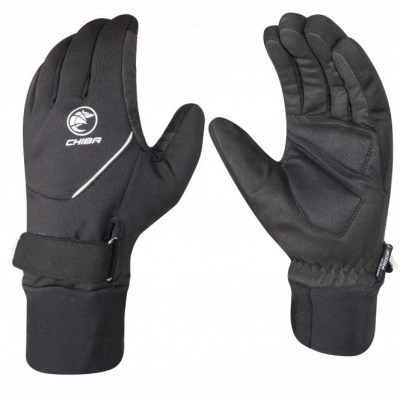
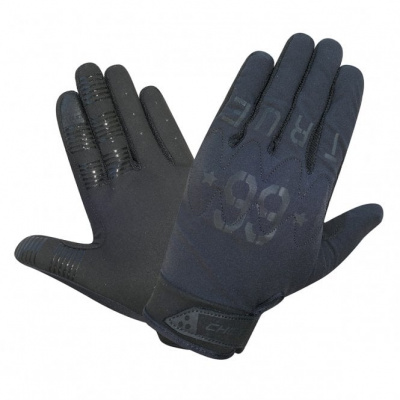
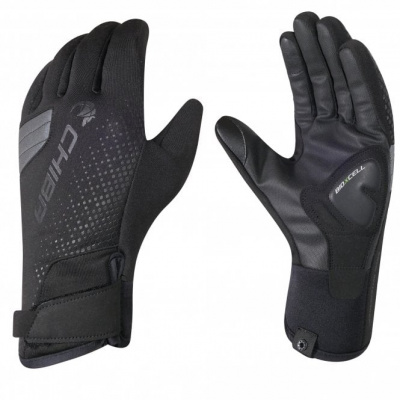
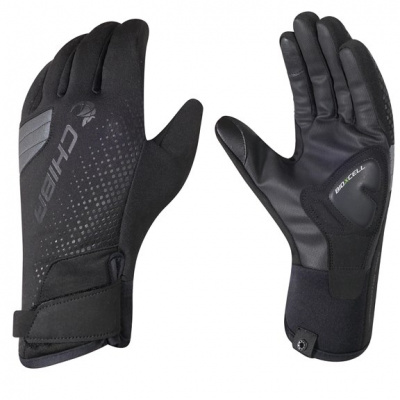
Chiba cycling gloves come from a brand with over 160 years in glove manufacturing - that depth of craft shows in the detail work where it counts most. These aren't gloves bolted together from off-the-shelf materials; Chiba engineer their own padding systems, membranes, and insulation specifically around what hands endure on a bike. If you've spent any time riding UK roads in autumn or winter, you'll know the two enemies: vibration from chip-seal tarmac that leaves your hands numb by mile 20, and damp cold that seeps in before you've even cleared the first roundabout. Chiba's answer to both is a tight, focused range built around medical-grade BioXCell padding for nerve protection and proven weatherproofing for riders who don't stop when the sky turns grey. Commuters grinding out miles through November, road cyclists refusing to pack the bike away in January - this is the range that keeps hands functioning properly for the duration. The full-finger and winter gloves here are designed for exactly those conditions.
Looking for warm-weather, fingerless options? Explore our dedicated Chiba Mitts collection for summer-weight riding styles.
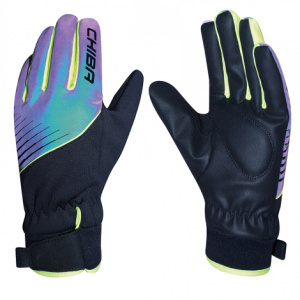
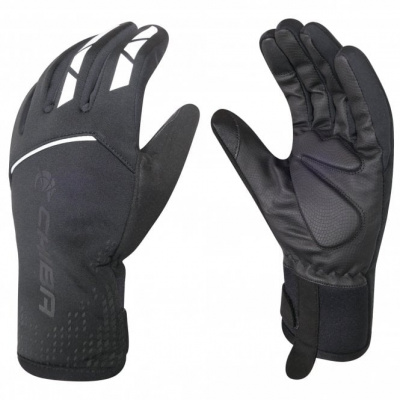
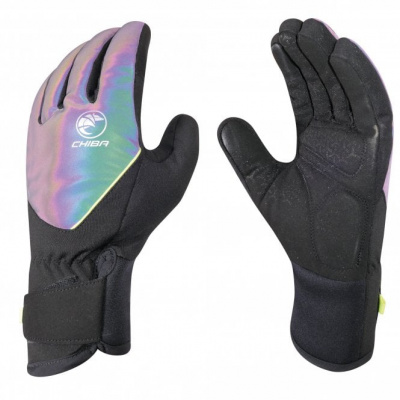
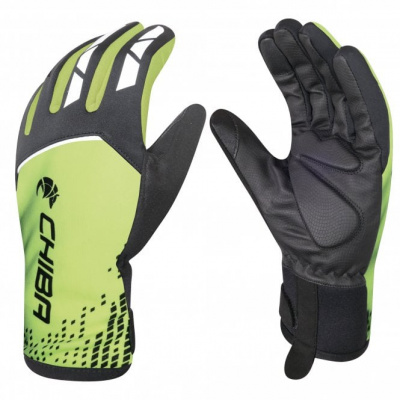
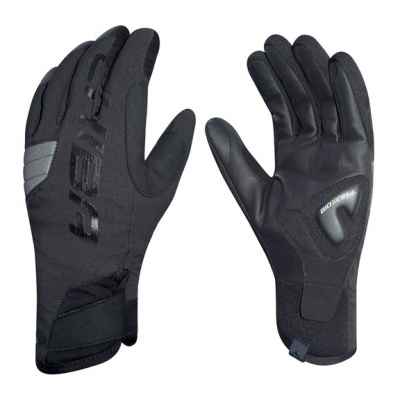
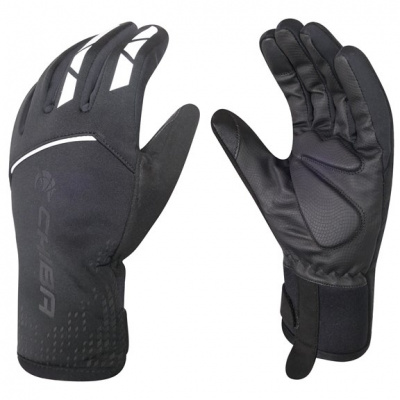
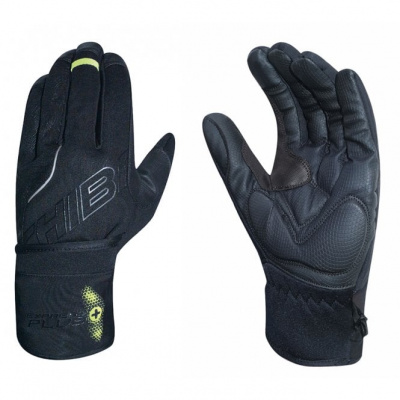
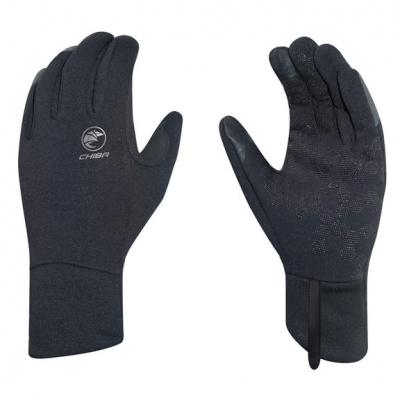
Prices and availability can change quickly. Delivery charges are not always included in listed prices.
Final price, stock status and delivery terms are set by retailer. We may receive a commission on purchases made.
Weatherproofing That Works in the Real British Wet
UK riding means accepting that a dry start means nothing. Chiba's answer is the Eurotex waterproof membrane - a highly breathable, windproof barrier laminated into their winter gloves that blocks rain while still letting sweat vapour out during efforts. That breathability matters more than it sounds. A glove that traps moisture on a long climb leaves you just as cold as one that leaks; the Eurotex membrane is engineered to keep that balance on both sides of the equation. You stay dry whether the wet is coming from outside or in.
Bulk is the usual trade-off with waterproof construction, but Chiba keep the layering tight enough that you're not wrestling with the gear levers through a fistful of neoprene. Shifting and braking feel stays tactile - important when you're descending a wet moorland road and need to trust what your fingers are telling you. Where the cold really bites, the higher-end winter models use Primaloft insulation, which traps heat efficiently without the stiff, padded-mitten effect that kills fine motor control. Primaloft is a premium synthetic fill used across serious cold-weather kit; in Chiba's construction it means warmth you can actually ride in, not just stand around in. Paired with a windproof outer layer, these gloves handle the kind of mornings where the temperature sits just above zero and the wind chill does the rest of the damage. If Gore gloves are your usual benchmark for winter protection, Chiba sit in the same conversation - focused on function, light on excess.
Fit, Sizing, and What BioXCell Actually Does
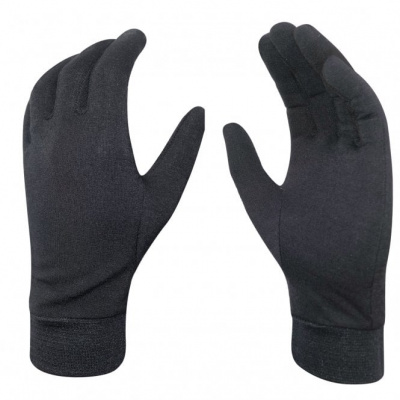
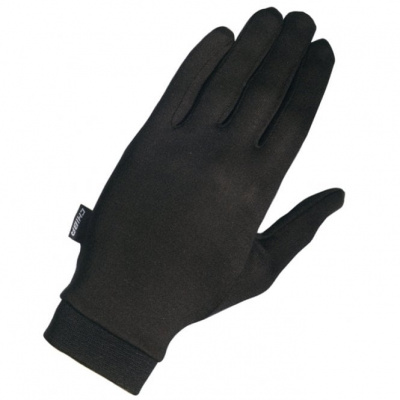
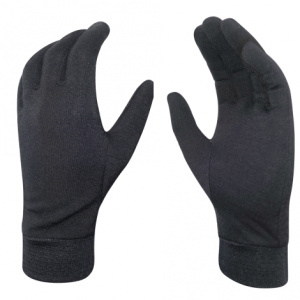
Chiba use European sizing, and the fit runs true in most cases. The cut is precise rather than generous - these aren't padded out to feel plush in the shop and then compress to nothing after an hour in the saddle. If you're between sizes, or plan to run a thin liner glove underneath on the coldest days, go up one size. You want enough room for warm air to circulate, not a glove that clamps down and restricts blood flow before you've warmed up. That said, don't go too big - a sloppy fit means the padding shifts out of position, which defeats the point entirely.
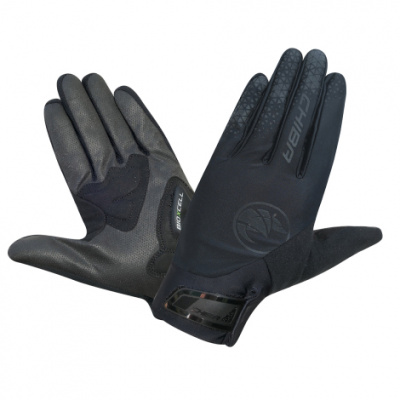
And the padding is very much the point. BioXCell is Chiba's proprietary two-stage anatomical system designed around ulnar nerve protection. The ulnar nerve runs along the outer edge of your palm - the bit that takes the brunt of handlebar pressure on long rides. Standard padding sits flat and compresses evenly; BioXCell is contoured to match the natural shape of the hand under load, with a denser zone where vibration impact is highest and a softer zone to allow natural flex. On rough British tarmac - the kind of chip-seal and patched-up county roads you find across most of rural England - that two-stage design makes a genuine difference over two or three hours. The difference between arriving with hands that work and arriving with that familiar tingling that takes ten minutes to clear. If you've used Endura gloves with gel padding and found them good but not quite right for your hand shape, Chiba's anatomical approach is worth comparing directly.
The range covers full-finger road gloves through to insulated winter models, with the technology scaling accordingly. Not every glove in the range uses every technology - the lighter full-finger options focus on BioXCell and Clarino synthetic leather palms, while the winter-specific models add Eurotex and Primaloft into the construction. Clarino is a durable, abrasion-resistant synthetic that mimics the grip and feel of leather without the maintenance headaches. It holds up well to repeated use and doesn't go stiff or slippery when damp - both common complaints with cheaper synthetic palms. If you're also weighing up options from GripGrab's glove range, the Chiba palm construction is a fair point of comparison.
This page covers full-finger and winter gloves. For track mitts and summer half-finger styles, the Chiba Mitts page is where you want to be.
Keeping Hands Warm Across the Full Ride - and Keeping the Gloves in Good Shape
Chiba thermal cycling gloves work hardest when the rest of your extremity kit is pulling its weight too. Gloves alone can only do so much if cold is getting in at the wrist gap or your feet are losing heat faster than your core can compensate. Pairing these with a good set of overshoes completes the picture - warm feet and warm hands change how long you can comfortably stay out in October and November, which for most UK riders is the season that decides whether the bike stays on the road or goes in the garage. Worth thinking about before the first cold snap rather than after it.
On the care side, Chiba waterproof bike gloves need a bit more attention than a standard textile glove if you want them to last. Machine wash on a gentle, cool cycle - 30°C is the ceiling - using a technical fabric cleaner. Fabric softener is the one thing to avoid completely; it coats the fibres of the Eurotex membrane and blocks the microscopic pores that make it breathable and waterproof. One wash with softener and the performance is compromised. After washing, air dry them away from direct heat. Radiators and direct sunlight both dry out the Clarino palm over time, causing it to stiffen and eventually crack. Hang them somewhere cool and let them dry slowly. It takes longer, but the gloves last noticeably longer for it. The same logic applies to any Chiba gel padded gloves - heat degrades both the adhesive bonding in the padding and the synthetic leather over repeated cycles.
Chiba Gloves FAQs
Are Chiba cycling gloves true to size?
Generally yes - Chiba use European sizing and the fit is accurate for most riders. If you're between sizes or planning to layer a thin liner glove underneath in deep winter, size up. You need enough room for warm air to circulate without the glove compressing around your hand and restricting circulation on cold mornings.
What is Chiba BioXCell padding?
BioXCell is Chiba's own two-stage anatomical padding system built to protect the ulnar nerve - the nerve that runs along the outer edge of your palm and takes the most handlebar pressure. It's contoured to the hand's natural shape under load, with denser protection where vibration hits hardest. The result is fewer numb or tingling hands on longer rides over rough roads.
How do I wash waterproof cycling gloves?
Use a gentle, cool cycle at 30°C with a technical fabric cleaner - no fabric softener, which clogs the Eurotex membrane and kills its waterproofing. Air dry away from radiators and direct heat; sustained warmth dries out the Clarino synthetic leather palm and causes it to crack over time. Slow and cool is the right approach.