
Challenge Road Tyres
Challenge road tyres occupy a distinct corner of the market - handmade constructions that feel genuinely different under your wheels from the moment you push off. Where most tyre brands press and mould their casings into shape, Challenge build theirs flat, then shape them around the rim. That process, using Superpoly or Corespun cotton threads at counts up to 320 TPI, produces a casing so supple it drapes over rough tarmac rather than skipping across it. The result is a tangible reduction in road buzz and a confidence-inspiring grip in corners that riders notice on greasy B-roads as much as dry criterium circuits.
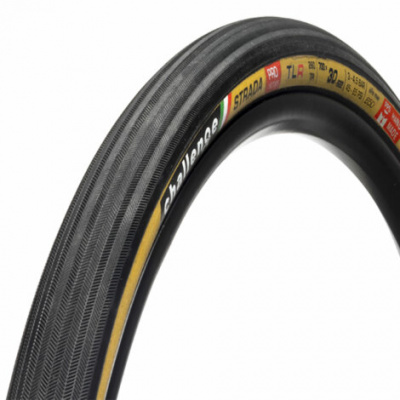
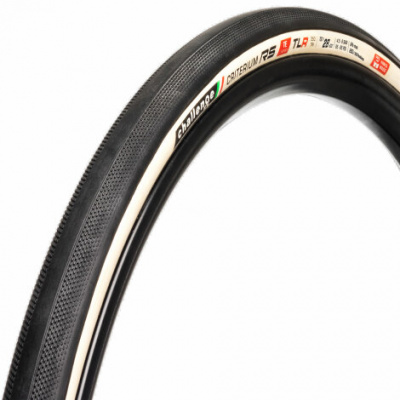
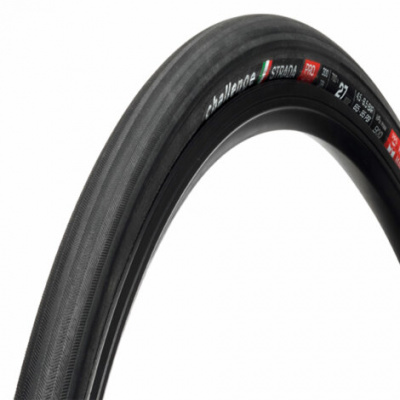
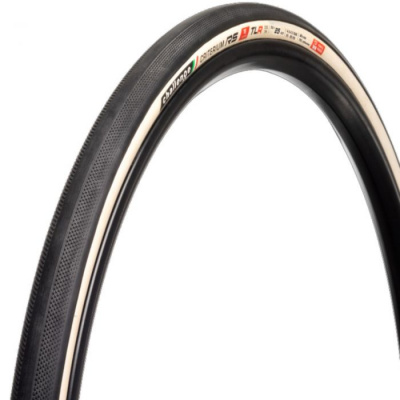
The range splits broadly between the handmade Pro tier - think Strada Pro and Criterium RS for your Sunday-best wheels - and the vulcanized Elite and Race models that take a more practical view of daily training miles. Both tiers carry Challenge's Smart Prime compound, tuned for the grip-speed balance that matters when British roads go from dry to damp in a single climb. Tubeless compatibility has moved on too, with H-TLR (Handmade Tubeless Ready) technology now sitting alongside traditional clincher options. Whether you're chasing low rolling resistance on a fast club run or just want a tyre that laughs at a handful of hedge clippings, there's a Challenge model worth your attention.
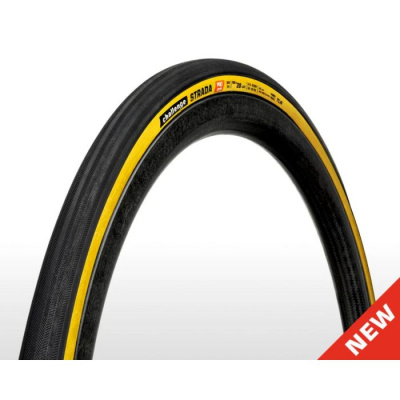
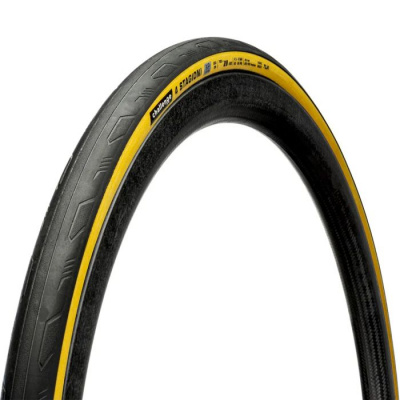
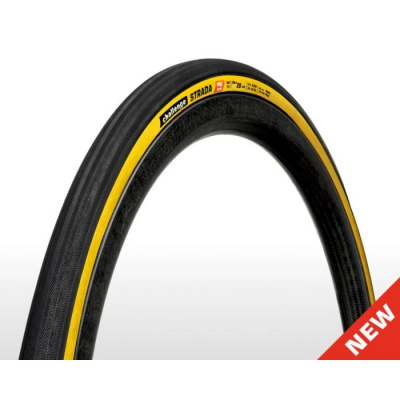
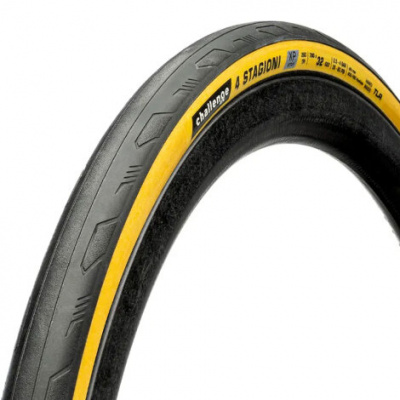
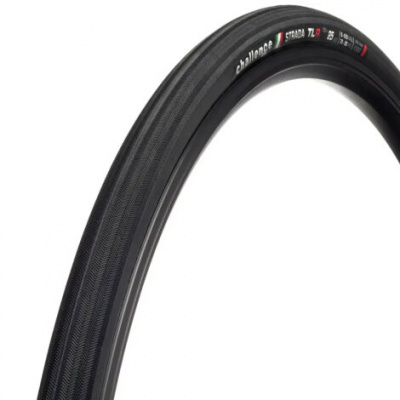
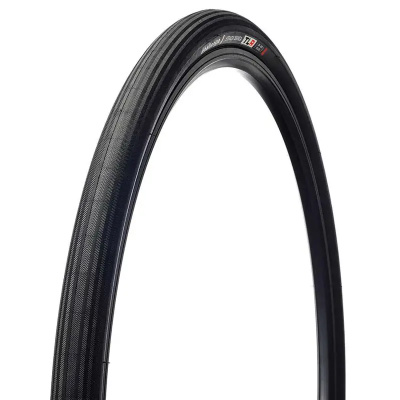
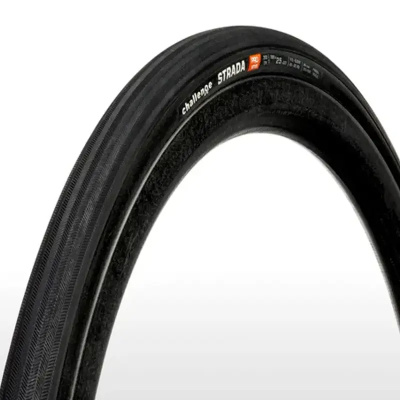
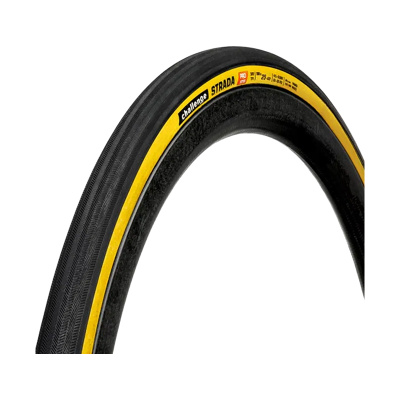
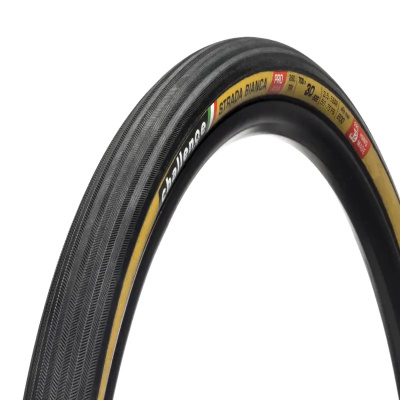
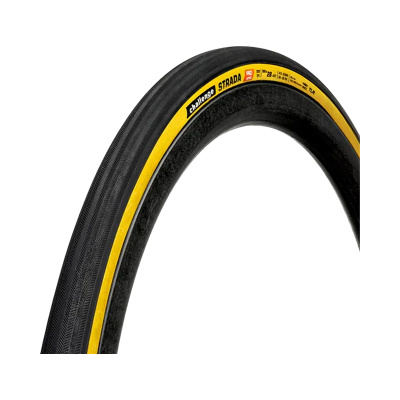
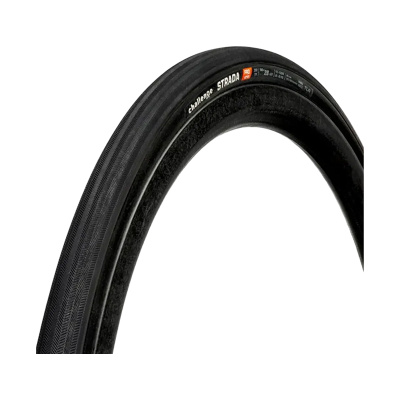
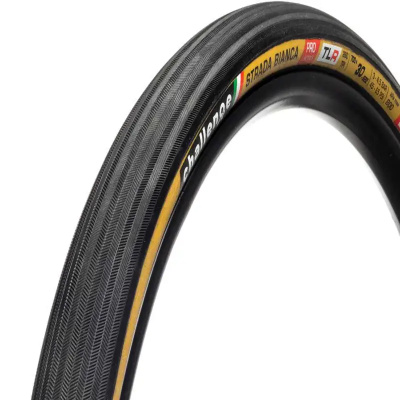
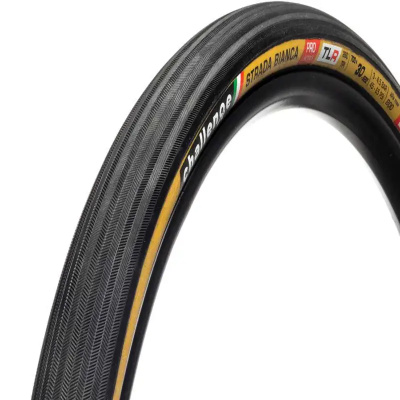
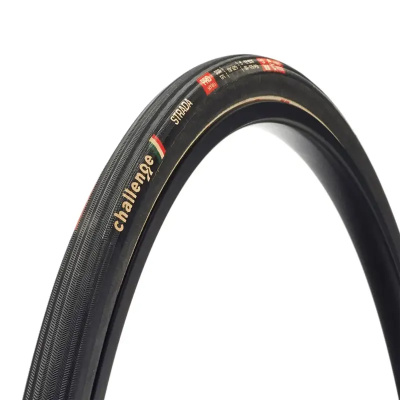
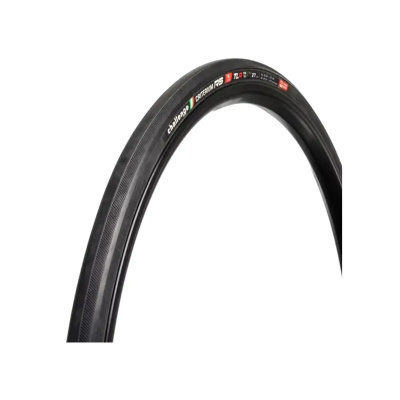
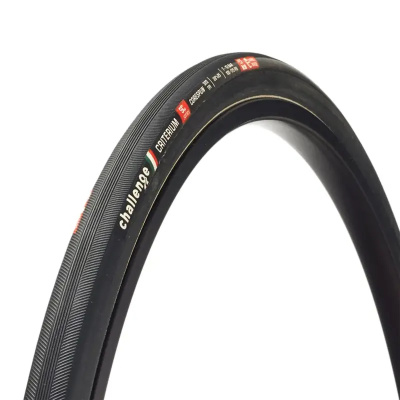
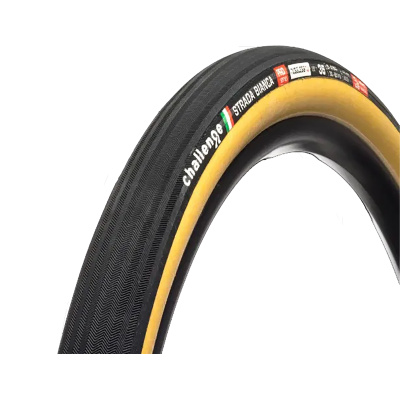
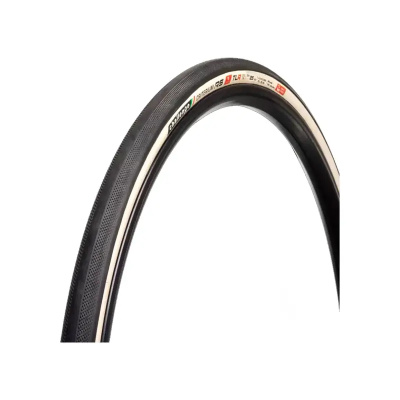
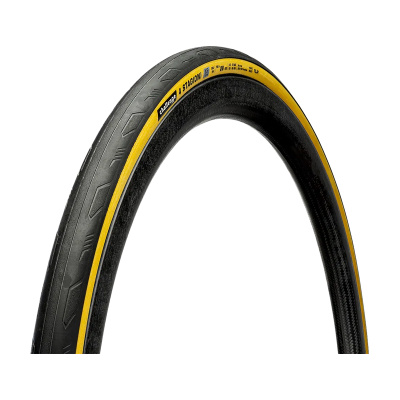
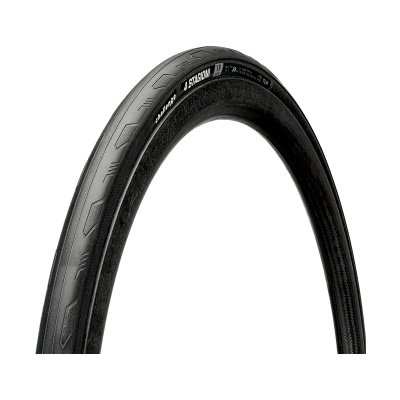
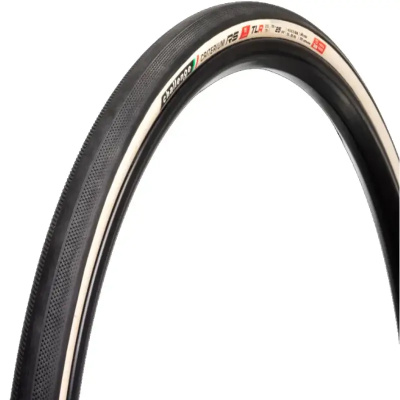
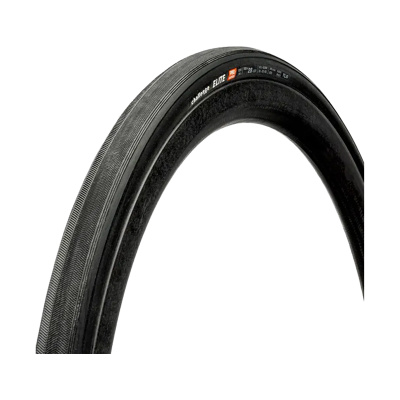
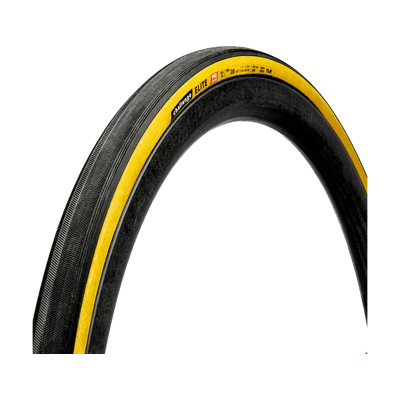
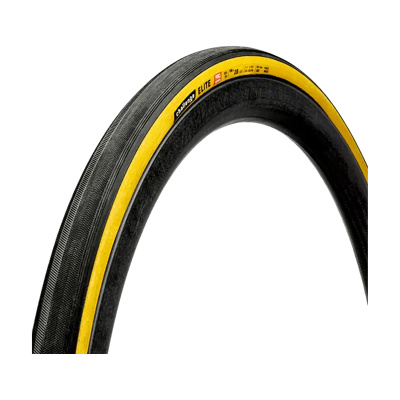
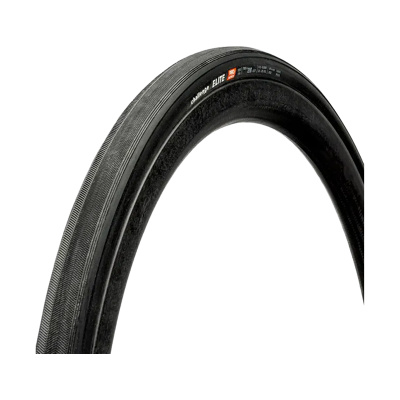
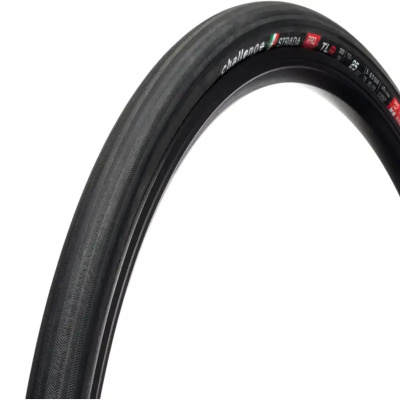
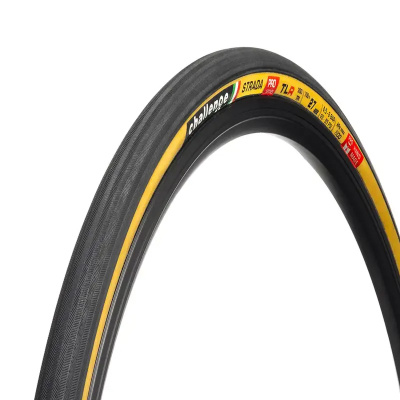
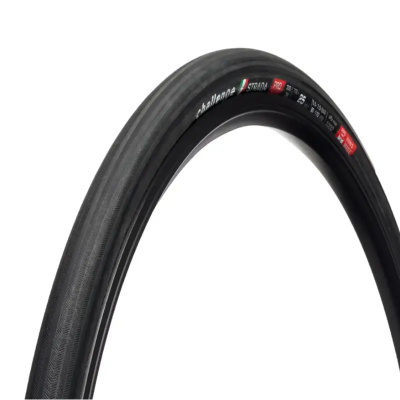
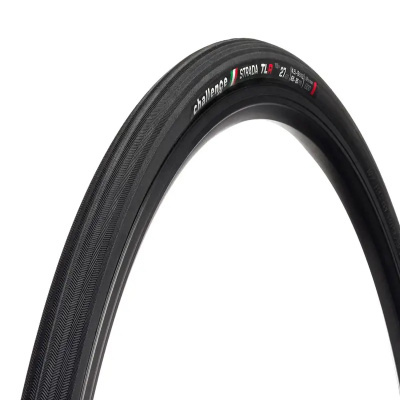
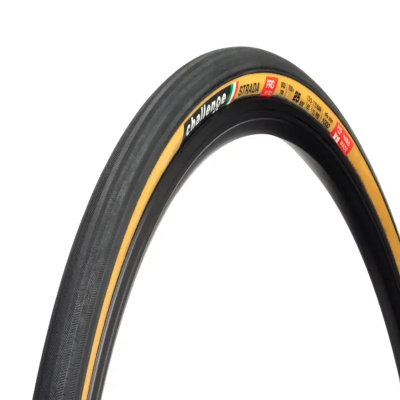
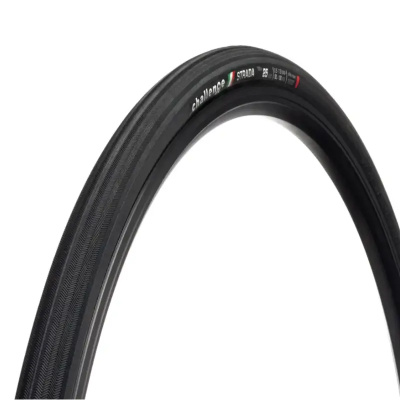
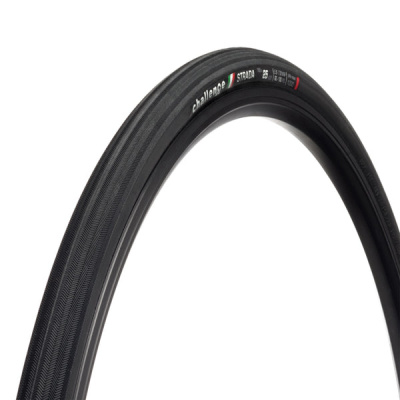
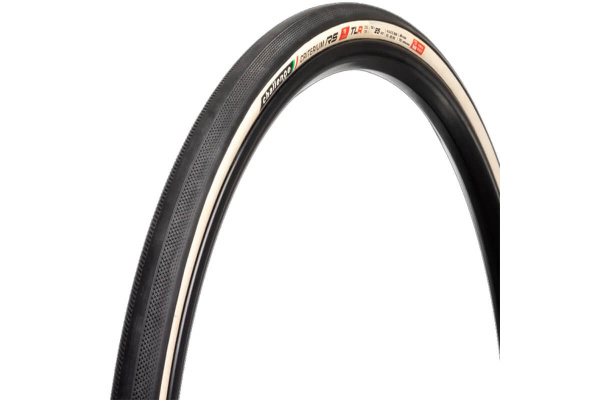
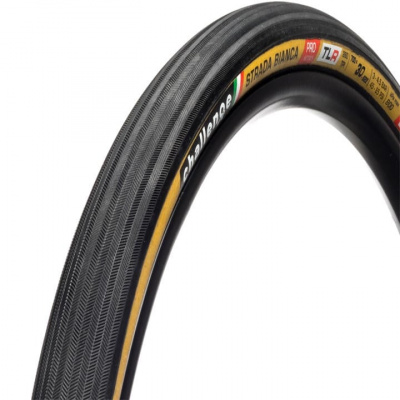
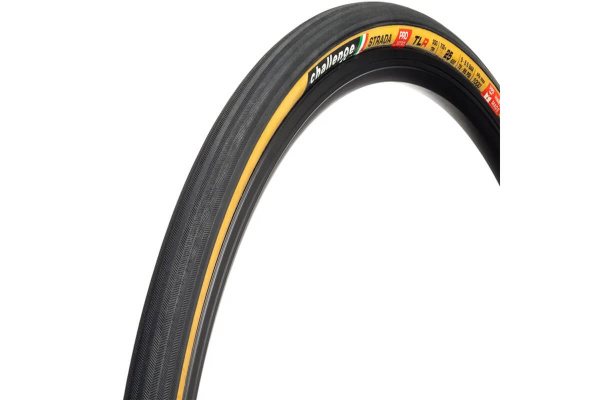
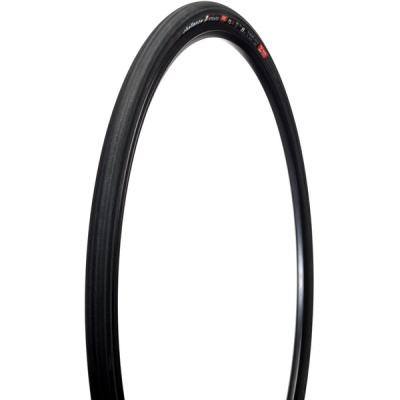
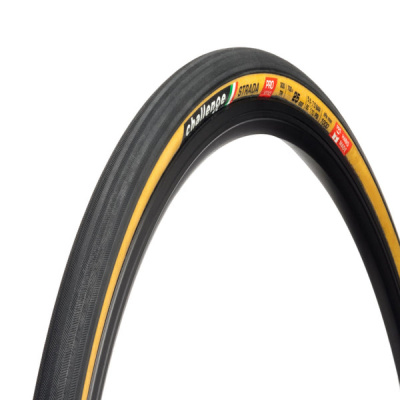
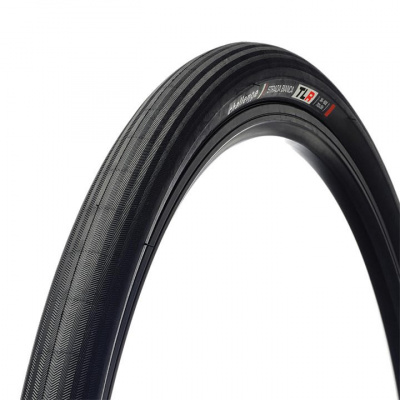
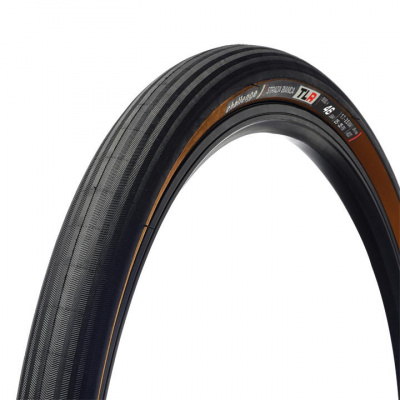
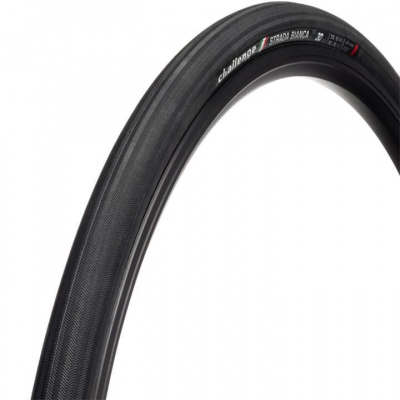
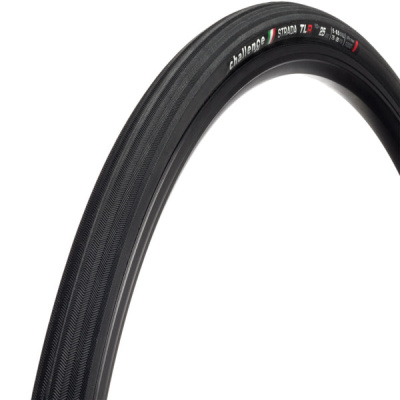
Prices and availability can change quickly. Delivery charges are not always included in listed prices.
Final price, stock status and delivery terms are set by retailer. We may receive a commission on purchases made.
Fitting Challenge Tyres: Bead Standards and Rim Compatibility
Challenge road tyres come in three distinct bead formats, and picking the wrong one for your wheels is the kind of mistake you only make once. Standard clincher versions are the simplest - tube inside, hooked rim, done. Step up to tubeless and you're choosing between H-TLR (Handmade Tubeless Ready) and V-TLR (Vulcanized Tubeless Ready) beads. H-TLR uses Challenge's handmade construction with a specially engineered bead that seals against a hooked rim; V-TLR applies the same tubeless sealing principle to their vulcanized nylon casing models. Both require a tubeless-compatible rim and a quality tubeless sealant - don't skip it, because the bead alone won't compensate for a poorly prepared rim bed.
Hookless rims need particular attention. Only specific, newer H-TLR models are rated for hookless compatibility, and that rating follows ETRTO guidelines - if the tyre packaging doesn't explicitly state hookless approval, treat it as hooked-rim only. Running an incompatible tyre on a hookless carbon wheel isn't a risk worth taking at any speed. If you're running deep-section aero hoops, factor in valve extenders too; the H-TLR valve stem is unlikely to clear a 50mm rim without one. If you're running traditional glued tubular wheelsets, our dedicated Challenge Tubulars page covers the full race-day tub range - mounting clinchers on a tubular rim isn't a conversation we need to have here.
Pro, Elite, Race: Which Challenge Tier Suits Your Riding?
The tier system is genuinely meaningful here, not just a marketing bracket. Pro models - the Strada Pro being the clearest example - use handmade Superpoly or Corespun cotton casings at up to 320 TPI. That thread count produces a casing flexible enough to conform to micro-surface changes, cutting rolling resistance and feeding back grip information you can actually use. These are your best-bike tyres: reserved for fast club runs, race days, or any ride where you want the bike to feel alive beneath you. They're not built for winter graft.
The Elite and Race tiers swap the cotton casing for vulcanized nylon, typically around 120 TPI. You lose a noticeable slice of that plush, supple feel - the difference is real, and riders who've used both will tell you so. What you gain is meaningfully better longevity and a lower price point that makes replacing a winter-wrecked tyre far less painful. For daily training, commuting, or any bike that lives outdoors through a British autumn, the vulcanized models are the sensible call. Think of the Pro as your race-day shoes and the Elite as your training ones - same brand, different purpose.
The Smart Prime compound runs across the range, blending low rolling resistance with the grip levels you need when a damp roundabout appears without warning. It's not a single-condition rubber; Challenge have tuned it to work across the dry-to-wet spectrum that defines most UK riding. Compared to a harder compound tyre from the budget end of the market, the difference in corner confidence on cold tarmac is substantial. If you're weighing up alternatives, Vittoria road tyres and Continental road tyres occupy similar performance territory at the Pro level, though each brand takes a slightly different approach to casing construction and compound chemistry.
Surviving UK Roads: Puncture Protection and Long-Term Maintenance
British roads have a particular talent for destroying tyres. Flint on country lanes, glass on urban cut-throughs, hedge clippings scattered across a descent - it's a relentless combination, and a handmade tyre with a delicate casing needs appropriate armour. Challenge addresses this through two systems: PPS (Puncture Protection Strip) on mid-range models and PPS2 on higher-spec versions, both running beneath the tread to intercept debris before it reaches the tube or sealant. Step up to the Corazza Armor models and you get bead-to-bead protection - a full-width layer that covers the sidewall contact zones where flint tends to enter at an angle. On rough, degraded tarmac, a high-TPI casing without sidewall protection is a liability; Corazza Armor changes that calculation considerably.
Mounting handmade Challenge tyres is, frankly, a chore the first time. Because they're manufactured flat rather than pre-shaped, the bead sits tight - noticeably tighter than a moulded tyre from Pirelli or Michelin. The fix is straightforward: leave the tyre on a spare rim overnight without a tube, letting the casing pre-stretch into its final shape. When it comes to the last section of bead, use a bead jack tool rather than tyre levers - levers can pinch and damage the cotton casing threads, and that damage won't always be visible until the tyre fails mid-ride. Warm tyres seat more easily than cold ones, so if you're working in a cold garage, bring them inside for an hour first. For tubeless setups, inject sealant through the valve before fully seating the second bead; it saves a mess and ensures even distribution from the first inflation.
Longer term, handmade casings benefit from a light inspection after every ride in wet or gritty conditions. Small cuts that a vulcanized tyre might shrug off can work their way deeper into a cotton casing over multiple rides. Catching them early with a dab of tyre boot or vulcanising fluid keeps the casing sound and extends tyre life considerably. The Pro-tier tyres reward careful ownership; treat them like race equipment and they'll last a full season of hard riding rather than half of one.
Challenge Road Tyres FAQs
Are Challenge road tyres tubeless compatible?
Yes - Challenge make both H-TLR (Handmade Tubeless Ready) and V-TLR (Vulcanized Tubeless Ready) versions. Hookless rim compatibility applies only to specific newer H-TLR models, so check the tyre packaging against ETRTO guidelines before fitting. Older models require a hooked rim to seat safely.
How do you mount Challenge handmade tyres?
Handmade tyres are built flat, so the bead is noticeably tighter than a standard moulded tyre. Pre-stretch the tyre on a spare rim overnight without a tube, then use a bead jack tool for the final section. Tyre levers risk damaging the cotton casing threads, so avoid them where possible.
What is the difference between Challenge Pro and Elite tyres?
Pro models use handmade Superpoly or Corespun cotton casings at up to 320 TPI - supple, fast, and responsive, but best kept for race days and good-weather riding. Elite models use a vulcanized nylon casing at around 120 TPI, trading a fraction of ride feel for durability and a lower price point suited to everyday training.