
Cervelo Gravel Bikes
Cervelo gravel bikes are built around one idea: go faster, carry less. Where most brands chase versatility, Cervelo sharpens the pencil - these are race-focused machines that treat rough bridleways and gravel sectors the way a road bike treats a criterium. That focus is no accident. Cervelo's background in World Tour aerodynamics runs deep into the Aspero lineup, and you can feel it in the tube shapes, the geometry, and the obsessive attention to handling precision.
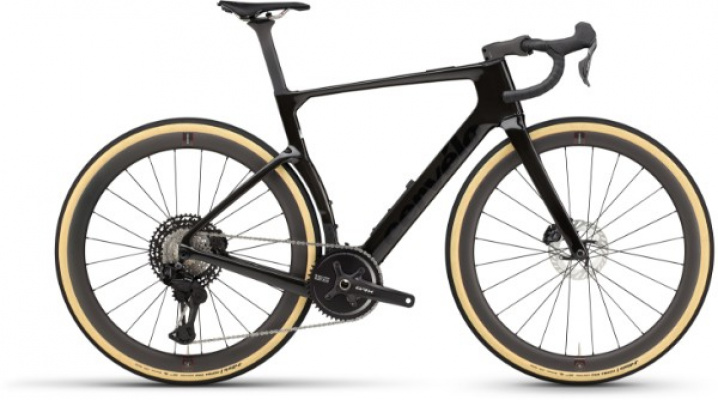
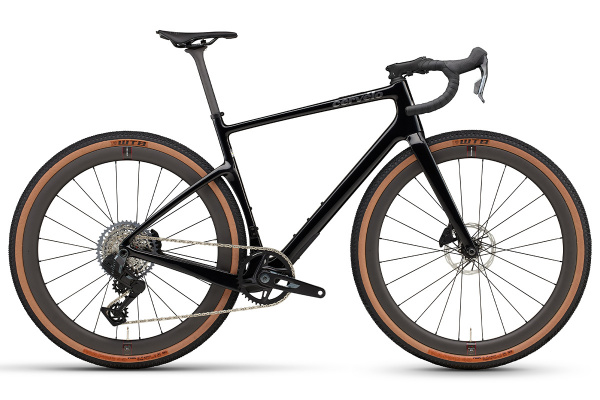
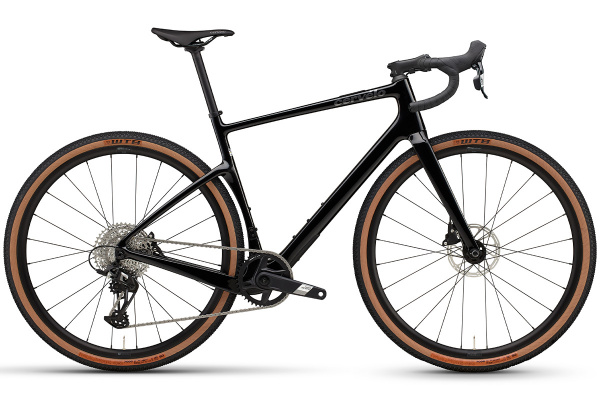
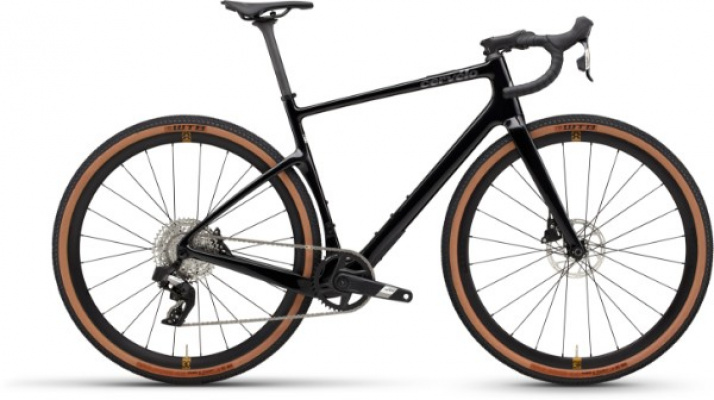
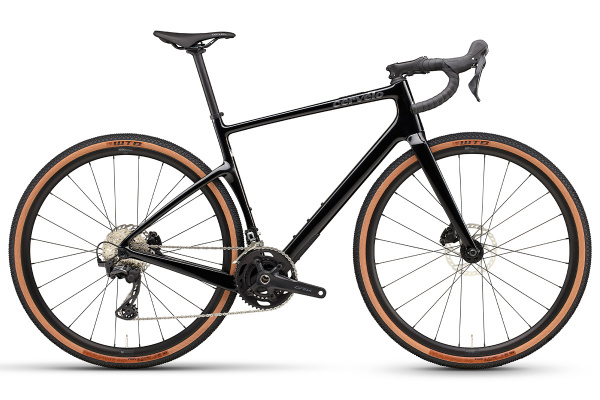
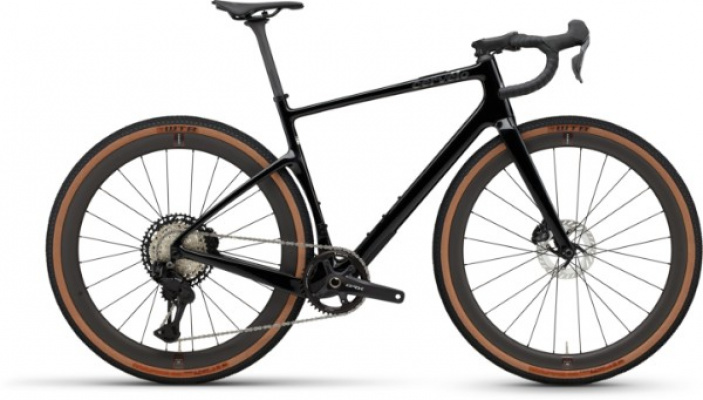
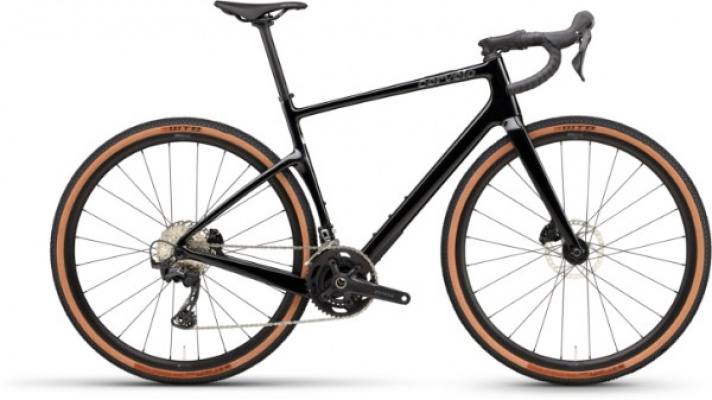
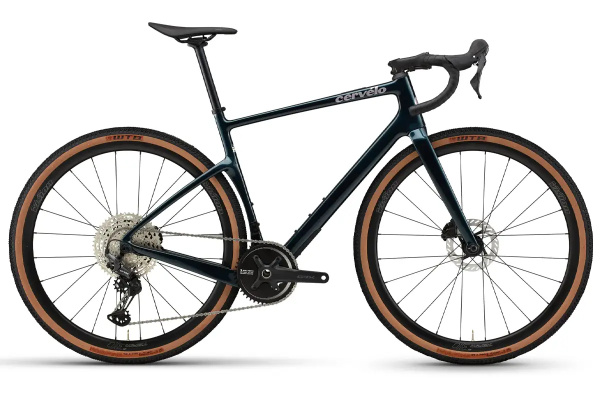
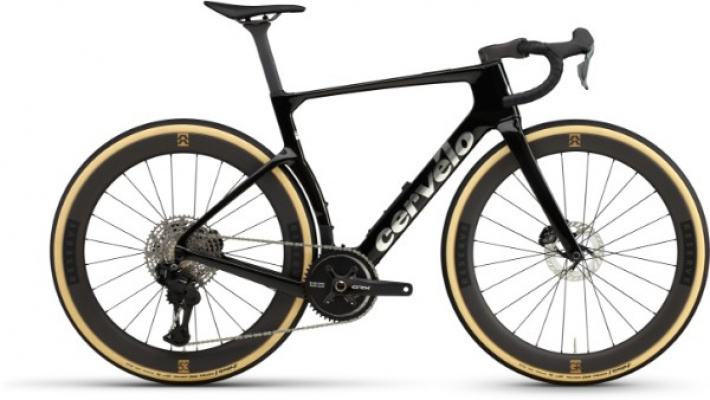
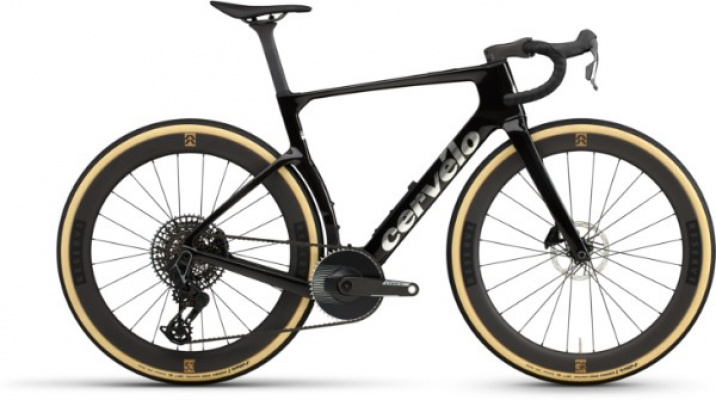
The Aspero is the headline act. It fits 700c or 650b wheels, corners with proper intent, and has the stiffness to translate a hard effort into actual forward motion rather than frame flex. The Aspero-5 takes that further - lighter carbon, a fully integrated cockpit, top-shelf groupsets. Both share the same race-oriented geometry and the proprietary Trail Mixer flip-chip that keeps the handling consistent whichever wheel size you run.
Want to build your own race rig from the ground up? Browse our Cervelo frames. After something with a motor in the mix? Our Cervelo e-bikes are worth a look. Otherwise, read on - there's a lot to unpack here.
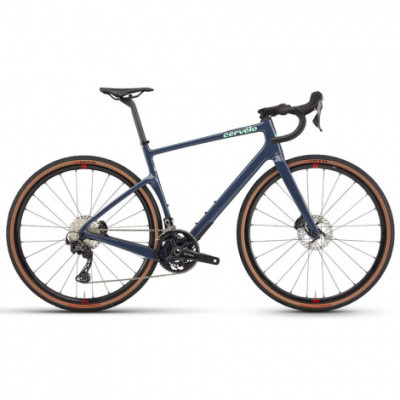
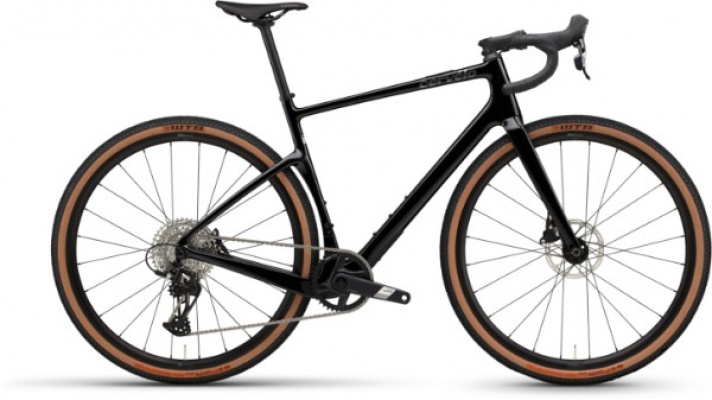
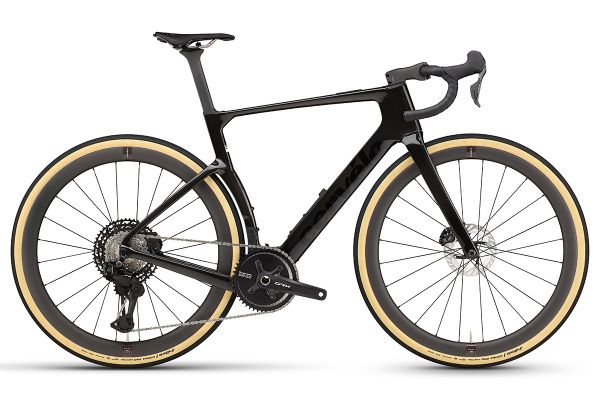
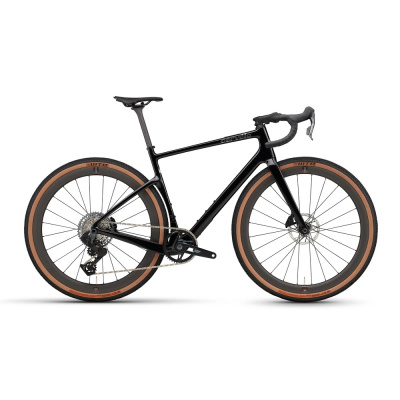
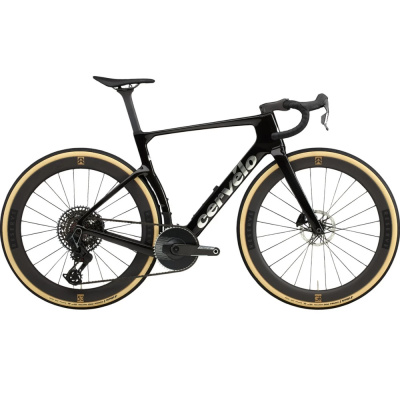
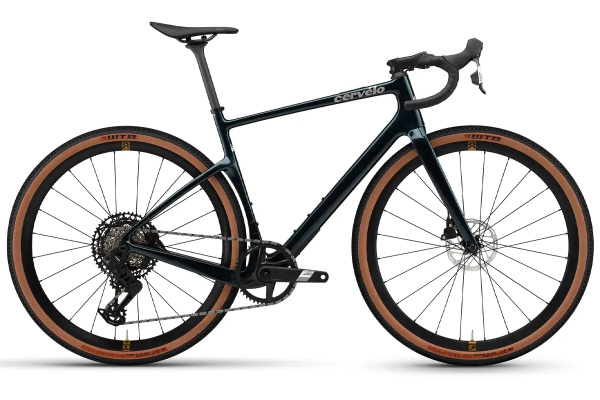
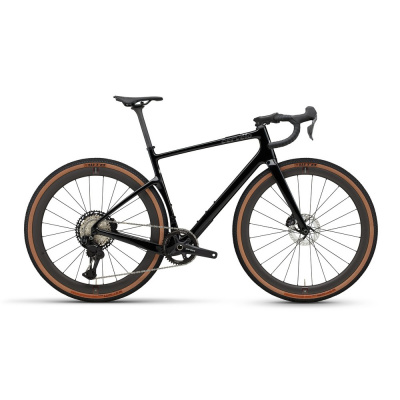
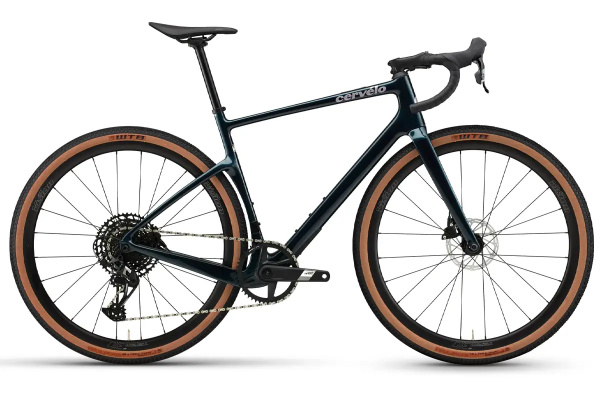
Prices and availability can change quickly. Delivery charges are not always included in listed prices.
Final price, stock status and delivery terms are set by retailer. We may receive a commission on purchases made.
Decoding the Cervelo Gravel Lineup
The Aspero is the foundation. It's available across a range of builds - Shimano GRX mechanical at the accessible end, SRAM Rival and Apex further up the card - and it suits riders who want proper gravel race capability without paying Aspero-5 money. The frame geometry is aggressive by gravel standards: a relatively short head tube, a reach that puts you in a committed position, and a bottom bracket drop that keeps you planted on fast, loose descents. This isn't a bike that forgives a lazy position.
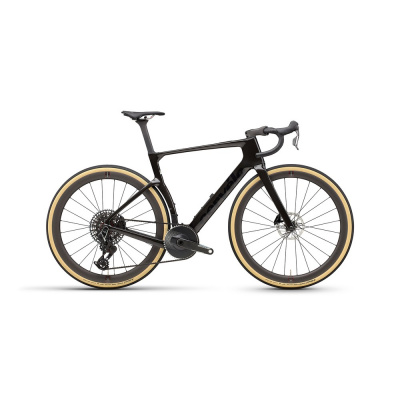
The Aspero-5 is where Cervelo turns the dial. The carbon layup is lighter and stiffer, and the fully integrated front end - hiding all cables internally through the fork and steerer - sheds 32 grams of aerodynamic drag compared to the standard model. That's a meaningful number when you're chasing split times or sitting in a fast gravel race group. Builds on the Aspero-5 match the ambition: SRAM Force AXS, Red AXS, and Shimano GRX Di2 are the territory here. If you're comparing the two and wondering whether the upgrade is worth it, the Aspero-5 is for riders to whom marginal aero gains and a cleaner cockpit genuinely matter. The standard Aspero is for everyone else who wants the same bones at a more accessible price.
Worth knowing: if you're after an electrified gravel option, Cervelo's Cervelo e-bikes cover that ground separately. And if the Aspero's aero-forward approach appeals but you fancy exploring other performance gravel takes, 3T gravel bikes and Factor gravel bikes occupy similar space in the conversation.
The Tech That Makes These Bikes Tick
Start with the Trail Mixer flip-chip, because it's genuinely clever rather than just a marketing talking point. It lives in the fork dropouts and adjusts fork offset by 5mm, which means the steering trail - the key figure governing how stable or how agile a bike feels - stays consistent whether you're rolling 700c or 650b wheels. Swap wheel sizes on most bikes and the handling character shifts noticeably. On the Aspero, it doesn't. That's a real engineering solve, not a sticker.
The tube shaping is equally considered. Cervelo uses what they call Squoval Max profiles: tubes that are oval for aerodynamic efficiency but squared off at the corners for stiffness and weight control. It's the same logic that shaped their road race frames - you're not sacrificing compliance for aero, you're solving both at once. The result is a frame that feels direct and responsive rather than whippy, which matters when you're pushing hard on a gravel sector with loose over firm underneath.
On the Aspero-5, the Fully Integrated Front End goes beyond tidy aesthetics. Routing cables internally through the bar and steerer isn't just cleaner to look at - it's measurably faster, and when you're running carbon Cervelo handlebars or a matched Cervelo stem, the system works as a single aero unit. The 32-gram drag saving is small in isolation, but paired with the Squoval Max tubes, it adds up.
The geometry underpinning all of this is what Cervelo calls gravel race kinematics: lower bottom bracket drop than typical adventure bikes, a stiffer rear triangle for power transfer, and a front end that doesn't wander. You sit in it rather than on top of it. Riders coming from road bikes will feel at home quickly. Riders moving from an adventure-oriented gravel bike might take a few rides to adjust to the commitment the Aspero asks for.
Running an Aspero on UK Roads and Bridleways
The official tyre clearance figures are 700c x 42mm or 650b x 49mm. Both numbers sound generous, and in dry conditions they are. In a British winter, that 42mm ceiling needs a caveat. Clay-heavy bridleways - think anything south of the Pennines after a wet week - pack into tight frame clearances fast. Running 38mm rather than the maximum 42mm gives the mud somewhere to go and stops the dreaded frame-rub chirp mid-descent. Size down in winter. It's not a big sacrifice and it saves frustration.
The 650b x 49mm option is genuinely useful on Flinty South Downs tracks or anywhere you're covering sharp, rocky ground at speed. More volume means more cushioning and better grip without adding actual suspension. If you're doing big days out on rough ground rather than short sharp races, the 650b setup changes the character of the bike meaningfully.
Maintenance deserves a straight conversation, particularly if you're on an Aspero-5. The fully integrated headset routing and internal cable paths are faster through the air but more involved to service. After a gritty winter ride through salted roads or a sloppy bridleway, grit will find its way into bearings. Flush the headset and bottom bracket area regularly - proactively, not reactively. Integrated systems aren't more fragile, but they punish neglect harder than a traditional setup. Keep a torque wrench handy; over-tightening integrated components is a common and costly mistake. Pair the bike with compatible Cervelo aero bars if you're chasing a clean build, and keep the sealant topped up in whatever tyres you choose - a flat on a remote bridleway is a long walk out.
On fit: the Aspero runs true to Cervelo's road sizing philosophy. If you know your size on a Cervelo road bike, you'll likely be in the same ballpark here. The aggressive geometry means riders who prefer a more upright position may find the Aspero a stretch, literally. Try before you commit if you can, or cross-reference stack and reach numbers carefully against your current setup. If the Aspero's positioning is where you're heading but you want to explore the wider Cervelo catalogue first, the Cervelo road bikes range gives useful context on how the brand thinks about fit across disciplines.
Cervelo Gravel Bikes FAQs
What is the difference between Cervelo Aspero and Aspero-5?
The Aspero-5 uses a lighter, stiffer carbon layup and hides all cables through a fully integrated front end, cutting 32 grams of aerodynamic drag compared to the standard model. The standard Aspero shares the same geometry and Trail Mixer flip-chip technology but uses semi-external cable routing at the cockpit. Groupset options reflect the split: GRX and Rival on the Aspero, Force AXS, Red AXS, and GRX Di2 on the Aspero-5.
What is the maximum tyre clearance on a Cervelo Aspero?
The Aspero officially clears 700c x 42mm or 650b x 49mm. In practice, if you're riding sticky UK winter clay, drop to 38mm on 700c to prevent frame rub and keep mud moving clear. The 650b x 49mm option is well suited to rough, rocky ground where you want more volume and cushioning.
Is the Cervelo Aspero good for bikepacking?
It depends on what you mean by bikepacking. The Aspero has no rack mounts or fork cage bosses, so heavy loaded touring is off the table. For fast-and-light overnighters using strap-on frame bags and a saddle pack, it works fine - the geometry and stiffness actually suit brisk point-to-point routes. Just don't expect the mounting options you'd get on a dedicated adventure bike.