
Cervelo E-Bikes
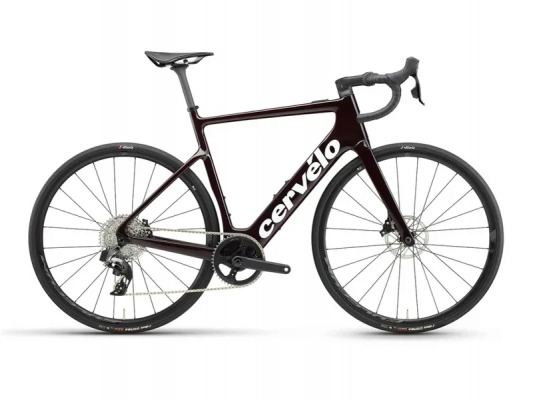
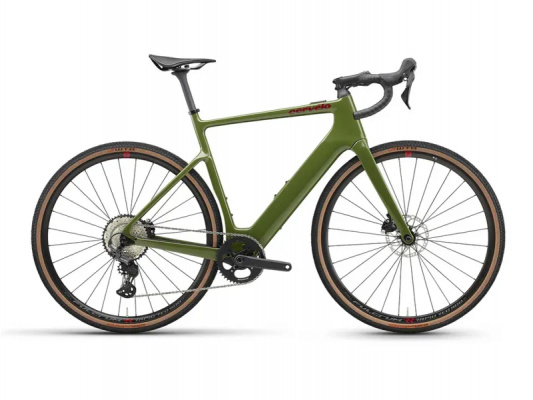
Cervelo E-Bikes represent something genuinely different in a category that too often feels like a standard frame with a motor bolted on as an afterthought. The Rouvida is the centrepiece - a carbon frame that borrows aerodynamic tube shaping from the S5 road lineage and the tyre clearance thinking of the Aspero gravel platform, then wraps it all around a Fazua Ride 60 motor that delivers 60Nm of torque without screaming about it. On a flat road it feels unremarkable - which is exactly the point. Hit a 15% climb out of a Welsh valley and the assist kicks in cleanly, like a strong tailwind that never drops. What really sets the Rouvida apart, though, is the interchangeable dropout system. Swap the geometry between road and gravel settings and you're not just changing tyre clearance - you're genuinely reshaping how the bike steers and handles. That's a meaningful distinction. The 430Wh battery sits vertically inside the downtube to keep drag low, and with up to 43mm tyre clearance in gravel mode, this is a machine that can cover serious ground year-round. Compare the best UK prices on Cervelo electric bikes below.
Prices and availability can change quickly. Delivery charges are not always included in listed prices.
Final price, stock status and delivery terms are set by retailer. We may receive a commission on purchases made.
Decoding the Rouvida Platform
The Rouvida comes in two out-of-the-box configurations - Road and Gravel - and the difference between them goes deeper than just tyre width. Road builds ship with the dropouts set for a tighter, more responsive geometry, typically paired with 700x32mm rubber and groupsets like SRAM Red XPLR for riders who want to hold a wheel on fast Sunday chaingang rides. Gravel builds shift the geometry into a more stable, confident setting and often arrive with wider tyres from the off, leaning on SRAM Rival XPLR spec to keep the overall package accessible without sacrificing mechanical quality. Both share the same carbon frame, same Fazua Ride 60 motor, same battery. The distinction is in how Cervelo has set the bike up to behave from new.
What's worth knowing before you buy: if your riding shifts over time - more bridleways creeping into what started as a road-focused quiver - a dealer can swap the dropouts later. That's not a five-minute job, but it means the frame doesn't become obsolete the moment your ambitions change. Trim levels follow conventional logic: higher specs get lighter wheels, better finishing kit, and the kind of groupset that rewards a rider who actually pushes the bike hard. If you're comparing the Cervelo Rouvida review coverage across publications, you'll notice consistent praise for how coherent each build feels rather than spec-sheet padding.
The Fazua Ride 60 and What the Geometry System Actually Does
The Fazua Ride 60 is a compact, lightweight motor unit - and Cervelo's integration of it is one of the more considered executions we've seen across the Cervelo electric road bike and gravel segments. Rather than running the battery horizontally (a common approach that adds frontal area), Cervelo orients it vertically inside the downtube. The result is an aerodynamic tube profile that draws directly from the S5, keeping drag low at speeds where electric assist has already faded out. At 60Nm of torque the motor has enough grunt to make short work of a steep Cotswold lane without feeling artificially forceful - the power delivery tapers smoothly rather than dropping off a cliff at the 25km/h assist cut-off.
The interchangeable dropout system is where the Cervelo electric gravel bike proposition gets genuinely interesting. A standard flip-chip on most bikes adjusts the chainstay length and perhaps a degree of head tube angle. Cervelo's proprietary system goes further - altering the head tube angle, trail, and tyre clearance simultaneously to produce handling that mimics a dedicated road bike in one position and a composed, confidence-inspiring gravel machine in the other. It's not a compromise in either setting, which is the key trade-off most dual-purpose electric bikes never quite resolve. The aero tube shapes throughout - top tube, down tube, fork legs - are lifted directly from Cervelo's acoustic performance frames, so the Rouvida doesn't carry the visual bulk that plagues a lot of e-road designs. If you're considering the Bianchi e-bike range or Cannondale's electric lineup as alternatives, neither currently offers this level of geometry mutability in a single platform.
One question that surfaces regularly in Cervelo Rouvida vs Pinarello Nytro comparisons is whether the Fazua system feels sufficiently powerful for UK riding. The Nytro runs a bespoke Fazua-derived motor with slightly different tuning, but the Ride 60 holds its own on sustained climbs - particularly because the Rouvida's lighter overall carbon frame weight keeps the system from working harder than it needs to.
Running a Rouvida Through a British Winter
UK riding puts specific demands on any bike, and an e-bike with a bottom bracket motor area needs a bit more thought than a standard acoustic frame. The Fazua Ride 60 unit is well-sealed, but if you're regularly riding winter lanes - think Peak District grit or the kind of Sussex clay that coats everything brown by November - it's worth being deliberate about how you clean the bike. A low-pressure rinse around the motor housing rather than a direct jet wash will extend the bearing life noticeably. Don't blast water into the bottom bracket area; let a bucket and sponge do the work there.
In gravel mode with 43mm tyres fitted, the Rouvida handles UK winter mud with reasonable composure. That clearance isn't quite in full-fat gravel territory, but it's enough for most bridleways and byways that aren't completely waterlogged. Riders who spend serious time on deep moorland tracks in January might want to consider whether a more dedicated gravel machine suits them better - though for mixed tarmac and light off-road through the colder months, the Rouvida's setup is genuinely capable. Pairing the right Cervelo spare parts for your dropout configuration before winter starts means you're not hunting for bits mid-season.
Cold weather does trim the 430Wh battery's range, as it does with any lithium cell. In temperatures below five degrees you'll likely see a 10 - 15% reduction in effective range compared to summer figures. That's not a Cervelo-specific issue - it's physics - but it's worth factoring in if your commute or weekend loop is pushing the limits of a single charge. Storing the bike somewhere that doesn't drop below freezing overnight helps. Dialling in your bar and stem position early also pays off; check out the options across Cervelo handlebars and stems to make sure your fit is sorted before the layers go on and everything feels different.
The Cervelo electric road bike case rests on a simple idea: that electric assist should disappear when you don't need it and work precisely when you do. In dry conditions, the Rouvida delivers that. In wet British winter riding, the fundamentals hold - just give the drivetrain and motor area a bit more regular attention than you might with an acoustic bike, and it'll keep performing.
Cervelo E-Bikes FAQs
Is the Cervelo Rouvida a road or gravel bike?
It's genuinely designed to be both. Cervelo's proprietary interchangeable dropouts don't just tweak clearance - they alter the head tube angle, trail, and overall geometry so the bike handles like a dedicated road machine or a stable gravel bike depending on which setting you run. It's one of the few e-bikes where neither mode feels like a compromise.
What motor does the Cervelo e-bike use?
The Rouvida runs the Fazua Ride 60 system, producing 60Nm of torque. The 430Wh battery is mounted vertically inside the downtube - Cervelo's own integration choice - to reduce aerodynamic drag and keep the profile close to a standard road frame. Assist cuts out cleanly at 25km/h and the motor is notably quiet in use.
How much does the Cervelo Rouvida weigh?
Top-spec builds come in at around 12.5kg, which is seriously light for a motor-assisted bike. That low weight means the Rouvida still feels agile and responsive once the assist drops off above 25km/h - you're not dragging dead weight up the next climb after the motor has done its job.