
Cateye Gps Computers
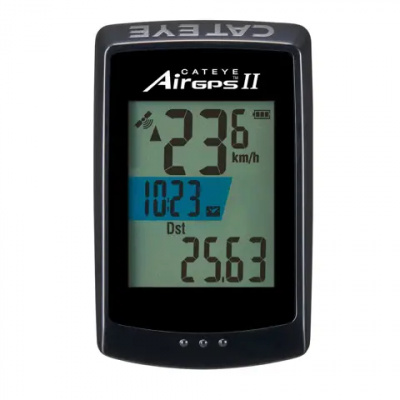
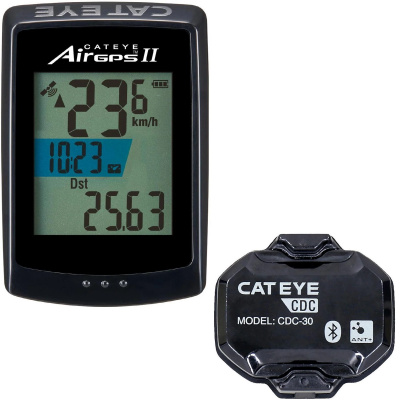
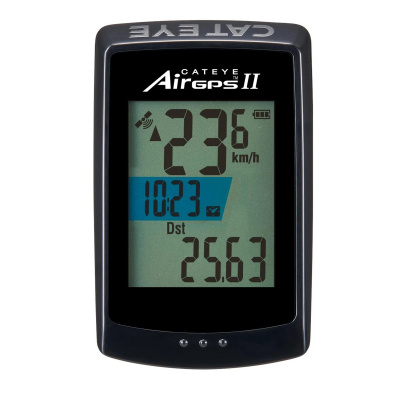
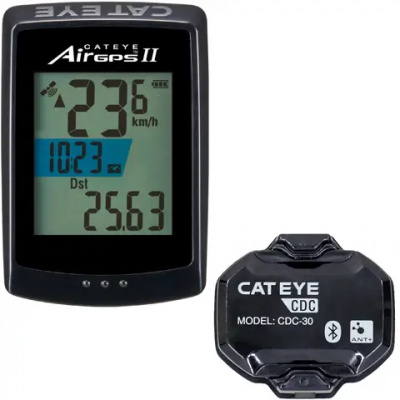
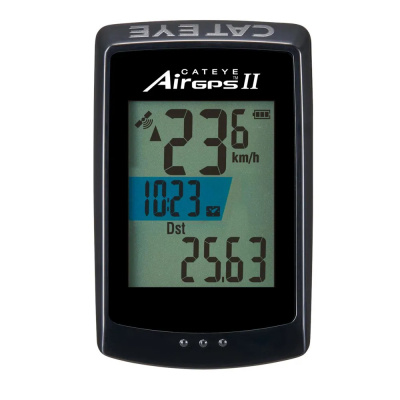
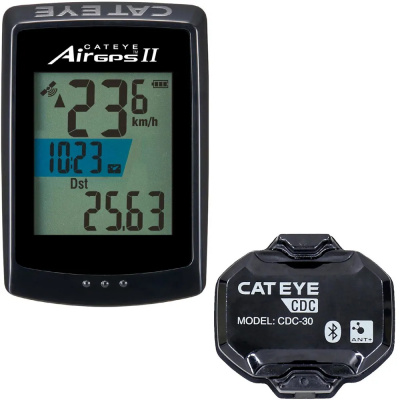
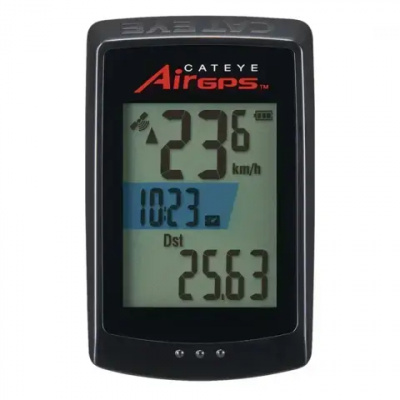
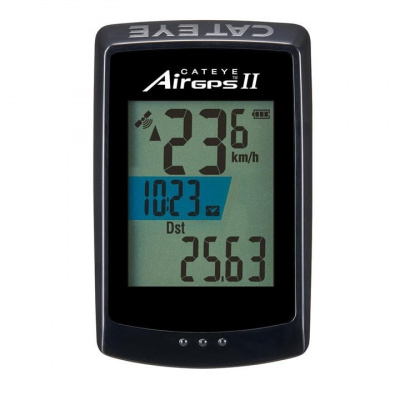
Cateye GPS computers have earned their place on handlebars by doing the straightforward things exceptionally well - accurate satellite tracking, screens you can actually read, and setup that doesn't eat into your riding time. Where some head units pile on features you'll never touch, Cateye strips things back to what genuinely matters on the road or trail. The AirGPS is a solid example: multi-satellite tracking via GPS, GLONASS, and QZSS, a high-contrast display that holds up under flat British winter light, and an IPX7 waterproof rating that shrugs off a proper soaking without complaint. Setup runs through the Cateye Cycling app, so you're configuring screen layouts on your phone rather than pressing tiny buttons at the side of the road in the cold. Bluetooth and ANT+ sensor pairing means your existing heart rate monitor, cadence sensor, or power meter will connect without fuss. Finished rides upload automatically to Strava and TrainingPeaks, so the data's where you want it before you've unlocked the car. If you want wheel-sensor tracking without satellite data, our Cateye computers range covers that too.
Prices and availability can change quickly. Delivery charges are not always included in listed prices.
Final price, stock status and delivery terms are set by retailer. We may receive a commission on purchases made.
Tech Ecosystem and Syncing Without the Stress
The Cateye Cycling app does the heavy lifting here, and that's genuinely useful. Rather than navigating nested menus on a small screen with cold fingers, you configure your data fields, set up sensor pairing, and manage your ride history entirely from your phone. Pair once, ride, and let the app handle the rest - that's the honest summary of how it works in practice.
Bluetooth connectivity handles the link between the computer and your smartphone, while ANT+ takes care of third-party sensor pairing. That dual-protocol support means you're not locked into Cateye's own accessories. A Garmin heart rate strap, a Wahoo cadence pod, a Favero power pedal - all of these will talk to a Cateye GPS unit without any adapter gymnastics. Sensor pairing is handled through the app, so you're not squinting at a blinking light trying to work out whether it's connected or just taunting you.
Strava sync is automatic once you've linked your account through the Cateye Cycling app. Finish a ride, open the app, and your data is already uploading. TrainingPeaks works the same way, which matters if you're following a structured training plan and need clean file imports. Compared to fiddling with USB cables and manual GPX exports - which is still the reality on some Bryton GPS computers at the budget end - Cateye's wireless upload process is noticeably cleaner.
The Cateye Cycling app also acts as your ride archive. Route history, metrics, and device firmware updates all live in one place. It's not Garmin Connect in terms of analytical depth, but if you want clean, readable ride summaries without wading through dashboards, it works well. Riders who want deeper analytics will lean on Strava or TrainingPeaks anyway, so the app's job is really just to be the conduit - and at that, it's reliable.
Battery Life and Display in the Real World
Headline battery figures on GPS computers always deserve a pinch of salt. Cateye quotes around 10 hours of continuous runtime on units like the AirGPS, and that's achievable under decent conditions. Run multiple sensors simultaneously - heart rate, cadence, power - and add a winter ride where temperatures are hovering near zero, and you're realistically looking at something closer to eight or eight and a half hours. Cold air saps lithium batteries faster than manufacturers' lab tests account for, so if you're heading out for a long Yorkshire dale slog in January, it's worth topping the unit up the night before rather than relying on whatever's left from last weekend.
That said, ten hours covers the vast majority of UK sportives and long club rides comfortably. Only if you're doing back-to-back days on a multi-day audax or something similarly extended will range genuinely become a concern.
The display is where Cateye's experience in the category shows. High-contrast LCD panels are specifically tuned for legibility rather than flashiness - no colour maps or turn-by-turn navigation graphics here, just crisp, readable numbers. Under the kind of flat grey overcast that defines a good chunk of British riding from October through to March, that contrast genuinely matters. Glance down at 25mph and you can read your speed, heart rate, and gradient without slowing your focus. Some Wahoo GPS computers use colour touchscreens that look impressive in a showroom but can wash out badly in direct sun or prove fiddly with wet gloves. Cateye's approach trades visual flair for consistent readability, which is a fair deal for data-focused riders.
GPS/GLONASS/QZSS multi-satellite tracking means the unit pulls from multiple satellite constellations simultaneously, tightening position accuracy in awkward spots - tree-lined lanes in the Chilterns, steep-sided valleys in the Brecon Beacons - where single-constellation units can drift or temporarily lose signal. It's not infallible, but in testing coverage from trusted reviewers, Cateye GPS units have shown solid track accuracy on winding road routes.
Setup, Mounting, and Staying Watertight
Physical setup is minimal. Charge the unit via USB, download the Cateye Cycling app, and follow the Bluetooth pairing prompt - it takes about five minutes from box to ready. The ClickTec interface on select models simplifies button operation down to a single-click logic that's easy to work with even in gloves, which matters when you're pulling over on a damp Welsh B-road to start a new segment.
The IPX7 waterproof rating means the unit can handle full submersion in up to a metre of water for thirty minutes. In practical terms, that translates to surviving a proper British downpour, heavy road spray from passing lorries, and the sort of puddle-splattering that comes with riding unlit country lanes in November. It's a meaningful spec, not a marketing footnote - IPX4 (splash-resistant only) is the minimum on cheaper units, and the step up to IPX7 gives genuine peace of mind on multi-hour rides where the weather will almost certainly change at least once.
For out-front mount options and stem attachments that put the unit at a comfortable sightline above your bars, browse our Cateye computer mounts collection. If you need a replacement USB lead down the line, our Cateye charging cables page has you covered.
It's also worth knowing that Cateye's mounting ecosystem is consistent across their range, so if you upgrade from a basic wired unit to a GPS model, there's a good chance your existing bracket will work - handy if you run multiple bikes. And if you're already running Cateye lights, the brand's accessory compatibility keeps your cockpit tidy without a bracket arms race.
Cateye Gps Computers FAQs
How do I sync my Cateye GPS to Strava?
Connect your Cateye GPS computer to the Cateye Cycling app via Bluetooth, then link your Strava account within the app settings. Once that's done, finished rides upload to Strava automatically - no manual file transfers needed. The app handles TrainingPeaks uploads the same way.
How long does the battery last on a Cateye GPS computer?
Most Cateye GPS units are rated at around 10 hours of continuous use on a full charge. Running multiple ANT+ sensors or riding in freezing UK winter conditions will trim that figure by roughly 10 - 15%, so plan accordingly on longer days out and charge the night before big rides.
Can I connect a heart rate monitor to my Cateye GPS?
Yes. Cateye GPS computers support both Bluetooth and ANT+ protocols, so you can pair most third-party heart rate monitors, cadence sensors, and power meters without any compatibility headaches. Pairing is managed through the Cateye Cycling app rather than the device itself, which keeps the process straightforward.