
Casco Helmets
Casco helmets are engineered in Germany with a level of finish you notice the moment you pick one up - the shell feels deliberate, the fit system snaps into place with purpose, and the visor tech is genuinely ahead of most of the market. That Monocoque in-mold construction isn't just a talking point; it means the outer shell and EPS foam are fused as a single unit, spreading impact forces more evenly than a conventional two-piece design. For UK riders, that matters whether you're threading through city traffic on a grey Tuesday or grinding up a long valley climb with weather rolling in from the west.
The Vautron photochromic visor - available across several models - reacts to light changes fast enough to keep pace with the kind of sky that can't decide between cloud and sunshine within the same mile. The Casco-Loc magnetic buckle snaps shut one-handed, which sounds like a small thing until you're gloved up in November. MyStyle reflective stripes let you customise the look while adding genuine 360-degree visibility for darker commutes. Casco caters to road riders, commuters, and anyone who wants a helmet that doesn't compromise on safety to save a few grams.
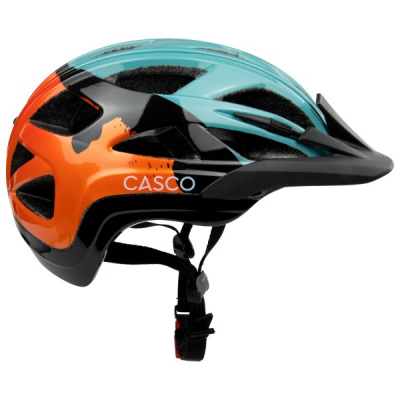
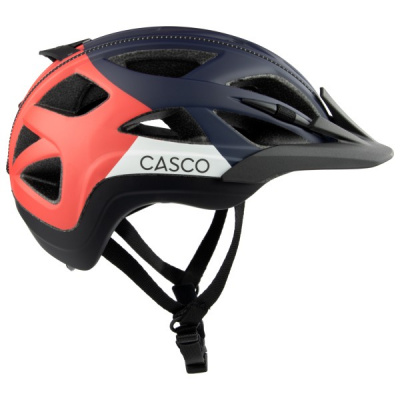
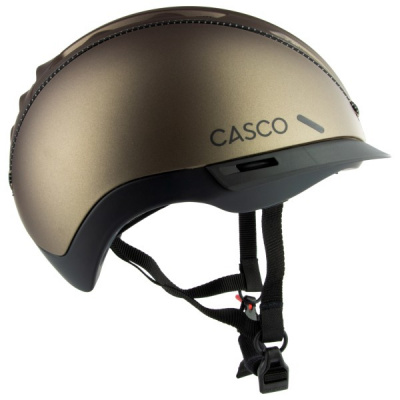
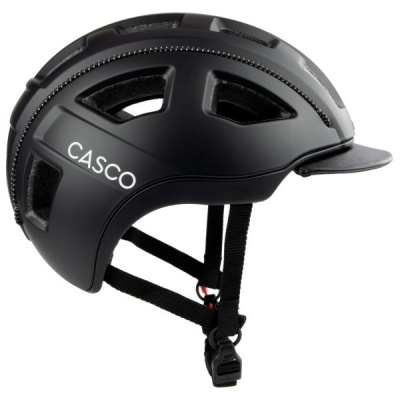
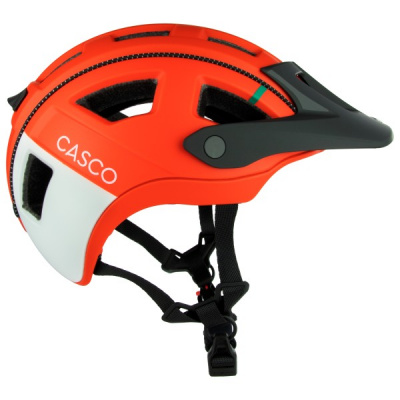
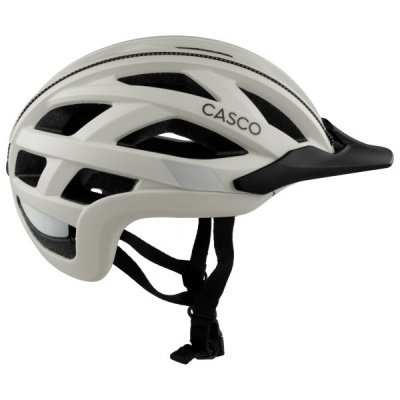
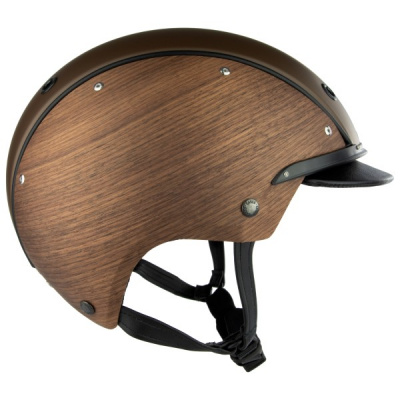
Prices and availability can change quickly. Delivery charges are not always included in listed prices.
Final price, stock status and delivery terms are set by retailer. We may receive a commission on purchases made.
Shell Tech & Weather Performance
The Monocoque in-mold construction is the foundation of what makes Casco helmets feel different to handle. By bonding the polycarbonate outer shell directly to the EPS foam during manufacture, Casco removes the weak interface between layers that can delaminate or shift under impact. The result is a helmet that distributes force across a larger area - think of it less like a hard hat and more like a crumple zone. Reinforcing that structure internally is the Frameworx polycarbonate skeleton, a lattice that runs through the foam to stiffen the whole assembly without adding meaningful weight. It's the kind of engineering detail that rarely makes it onto spec sheets but shows up in how the helmet holds its shape over years of use.
Where Casco really earns attention in the UK context is the Vautron visor system. Photochromic lenses that respond quickly to light shifts aren't uncommon on sunglasses, but integrating that technology into a helmet visor - with enough optical clarity to be safe at speed - is harder than it sounds. Riding out of a tunnel on the Caledonian Way or dropping into a shaded Yorkshire lane mid-afternoon, the Vautron lens adjusts without you touching anything. It also shields against wind and driving rain in a way that clip-on visors simply don't, keeping the airflow channels doing their job rather than funnelling water onto your face. The ventilation channels themselves are generously sized, preventing the stuffy buildup you get on humid summer days when humidity sits heavy over a long climb.
If you're comparing against alternatives, Kask helmets and Giro helmets both offer strong ventilation and safety credentials, but neither pairs an integrated photochromic visor with this level of structural engineering as standard across the range.
Understanding the Casco Fit & Range
Casco's internal profile runs slightly rounder than many European competitors, which is good news if you've found helmets from narrower brands pressing at the temples after an hour. The dial retention system - a simple rear cradle adjusted by a thumb wheel - works across a meaningful range of head circumferences and holds position without creaking or slipping mid-ride. It's not the most elaborate fit system on the market, but it's reliable and easy to tweak on the move.
The Casco-Loc magnetic buckle is one of those features you only fully appreciate on a cold morning with thick gloves on. Traditional buckles require two hands and reasonable dexterity; the magnetic version clicks shut with a single hand motion and releases just as cleanly. It sits flat against the chin without the irritating pressure you get from bulkier clasps, and the strap geometry keeps it centred through the full range of head movement. The padding is dense enough to feel secure without compressing uncomfortably on longer rides, and there's enough internal volume to layer a thin skull cap underneath when the temperature drops - more on that in the next section.
The road and commuter helmets are where Casco's range sits most naturally, but the lineup extends beyond that. If you're racing against the clock, explore our dedicated Aero TT Helmets range, which covers the more speed-focused end of the catalogue. For younger riders who need the same quality of protection, the Bell helmets range is also worth a look for youth sizing options.
Visor Care & UK Riding Essentials
The Vautron visor's photochromic coating is robust, but it does need a bit of care to stay sharp. Use lukewarm water and a small amount of mild soap on a microfibre cloth - nothing more. Harsh chemical glass cleaners, screen wipes, or anything abrasive will strip the anti-fog and light-reactive coatings, and once that's gone, it's gone. Rinse gently and let it air dry rather than rubbing it dry; even a soft cloth can introduce micro-scratches over time if you're pressing too hard. It takes thirty seconds and keeps the lens performing as it should for seasons rather than months.
The MyStyle reflective stripes are easy to overlook as a cosmetic feature, but they're genuinely useful for winter commuting. The stripes sit along the sides of the helmet and catch headlight beams from multiple angles - swap in the high-visibility set for dark mornings in November and December, then switch back to a cleaner colourway for summer. The swap takes a minute and no tools. It's a simple system that adds real value if you're riding before sunrise on the way into a city.
For colder days, the internal padding is removable on most Casco models. Pull it out, slide a lightweight thermal skull cap underneath, then refit the padding on top. The fit system accommodates the extra layer without needing a full size change, though you may need to let out the dial by a couple of clicks. Check the padding is sitting flush against your forehead before you head out - a skull cap that bunches under the front edge will feel uncomfortable quickly. Wash the pads every few weeks if you're riding regularly; they're usually machine-washable on a gentle cycle and dry fast.
Worth noting: if you're weighing up Casco against other well-regarded options, Giro helmets offer a similarly practical approach to ventilation and fit adjustment, while Bell helmets bring strong safety certification credentials at a range of price points.
Casco Helmets FAQs
How do Casco helmets fit compared to other brands?
Casco helmets have a slightly rounder internal profile than many rivals, which suits riders who find narrower designs uncomfortably tight at the temples. The dial retention system is adjustable across a wide range of head sizes, so getting a precise, stable fit is straightforward regardless of head shape.
Are Casco helmets good for winter commuting?
They're well-suited to it. The Vautron visor handles wind and rain while the MyStyle reflective stripes improve your visibility in low light, and the internal volume is generous enough to fit a thermal skull cap underneath the padding on colder days without compromising the fit.
How do you clean and maintain a Casco Vautron visor?
Use only lukewarm water, a drop of mild soap, and a clean microfibre cloth - wipe gently and leave it to air dry. Avoid chemical glass cleaners or abrasive materials entirely; they'll degrade the photochromic and anti-fog coatings that make the visor worth having in the first place.