
Calibre Mountain Bikes
Calibre mountain bikes have genuinely shifted what UK riders expect from a budget trail bike. Where the conversation used to stop at "affordable but compromised," Calibre changed that script by putting progressive geometry and trail-ready specs on frames that most people can actually afford. The result is a range that holds its own at Cwm Carn, Gisburn Forest, or wherever your local singletrack happens to be.
The lineup spans bombproof hardtails and capable full-suspension platforms, all shaped around the demands of British riding - slack head angles for steep, rooty descents, generous tyre clearance for winter mud, and dropper post routing as standard on most models. You're not being fobbed off with last decade's geometry dressed up in fresh paint.
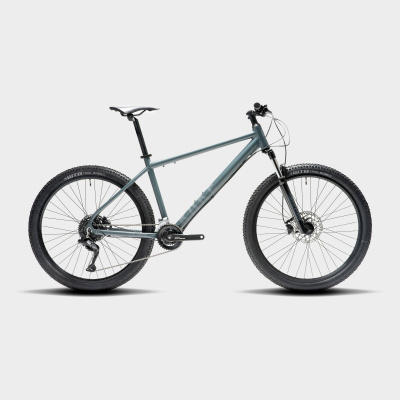
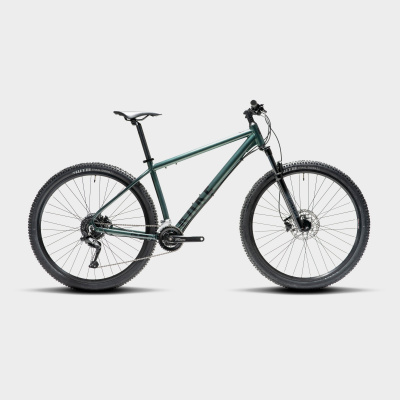
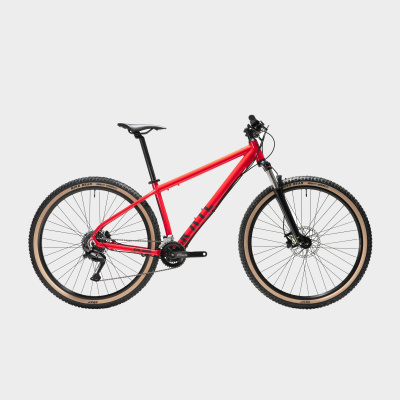
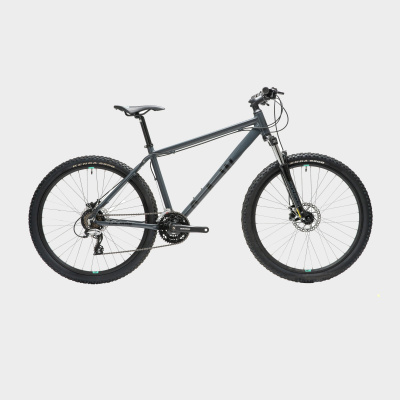
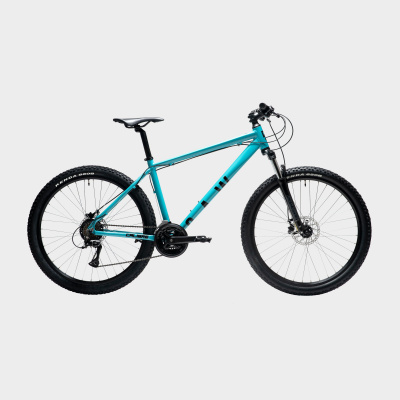
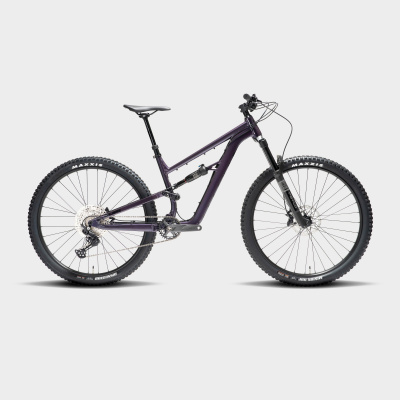
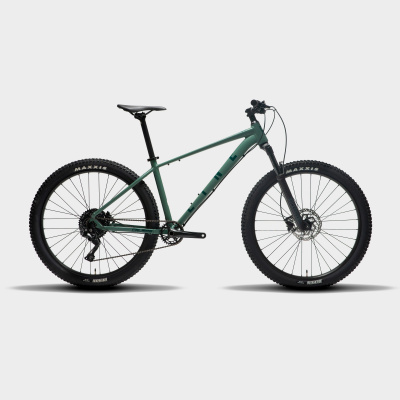
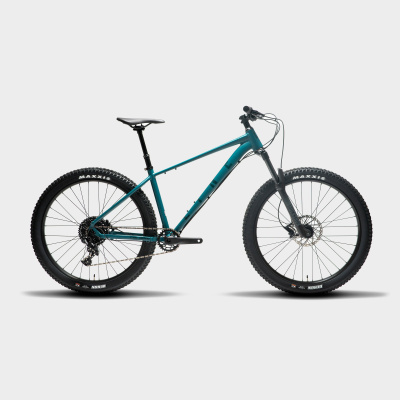
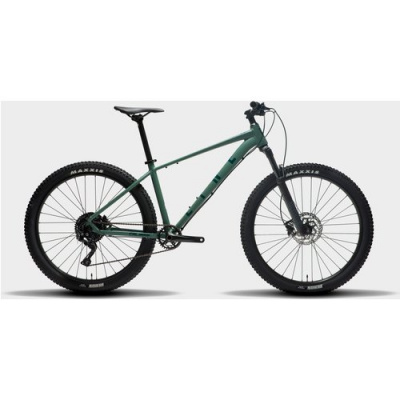
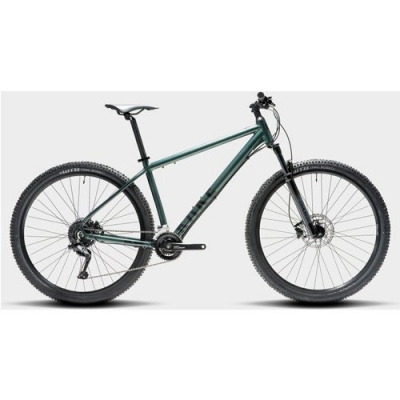
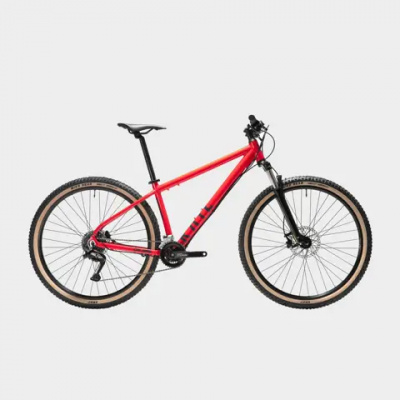
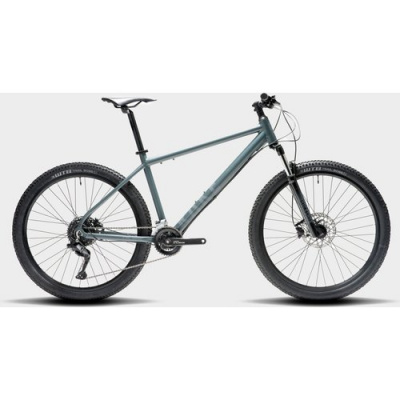
The Bossnut is the bike most people come looking for, and rightly so. But the hardtail range - the Line, the Rake - is worth serious attention too, particularly if you're building skills or want something simpler to maintain through the grim months. If you're after pedal-assist models like the Kinetic, head over to our dedicated Calibre E-Bikes page. Everything else, you're in the right place.
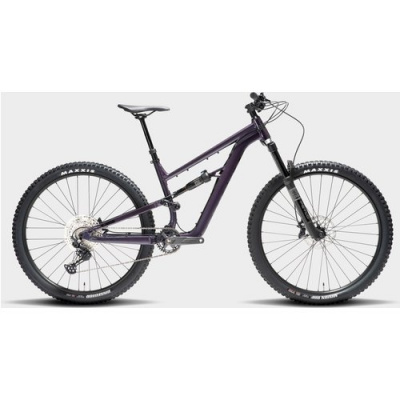
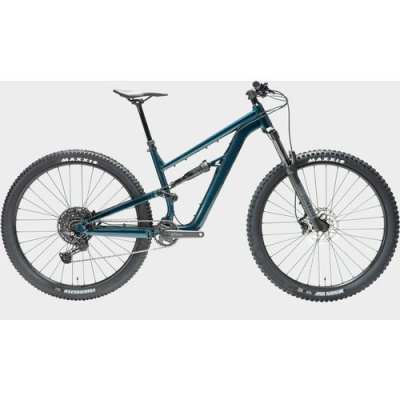
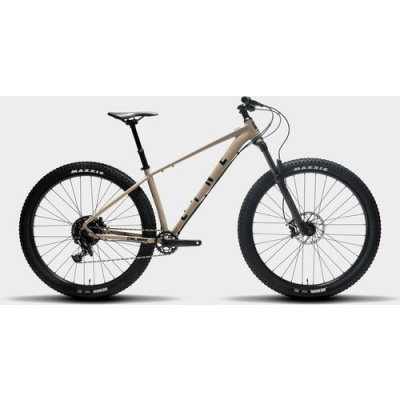
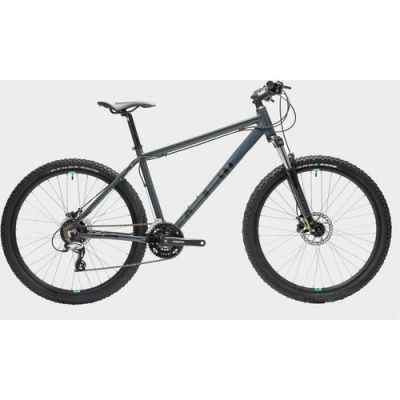
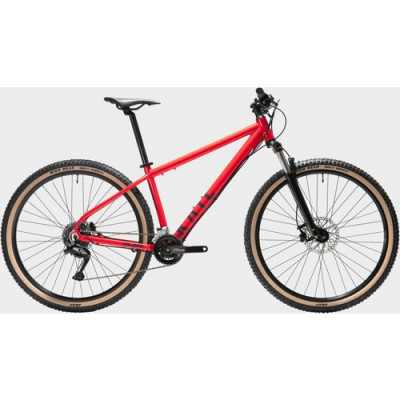
Prices and availability can change quickly. Delivery charges are not always included in listed prices.
Final price, stock status and delivery terms are set by retailer. We may receive a commission on purchases made.
Decoding the Calibre Mountain Bike Lineup
Calibre runs two clear families: hardtails and full-suspension. Getting the distinction right matters more than most people think, because these aren't just different prices - they're different riding tools.
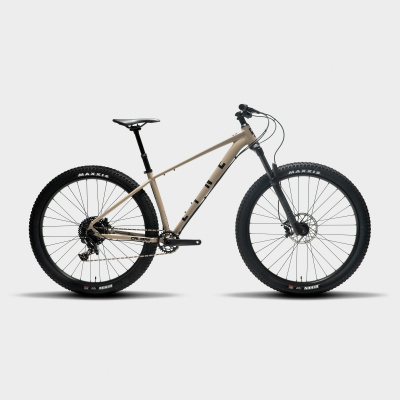
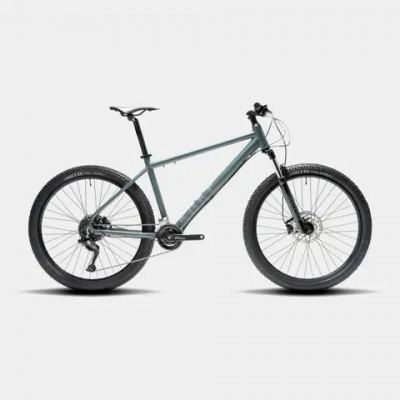
On the hardtail side, the Line and Rake are the bikes to know. The Line is the more trail-focused of the two, with geometry that's relaxed enough to handle proper descents without feeling sketchy. The Rake leans slightly more aggressive. Both use 6061 hydroformed alloy tubing - a process that shapes the frame for optimised stiffness and strength where it counts, rather than just adding material weight everywhere. Either one makes a solid first proper MTB, and they're easier to live with mechanically than a full-sus if you're still finding your feet.
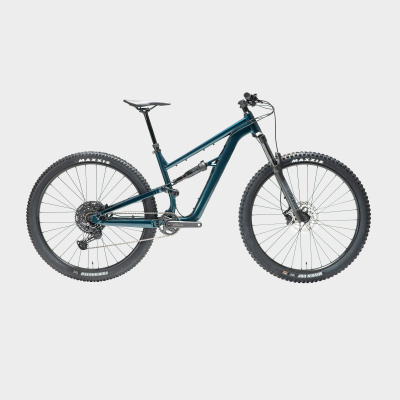
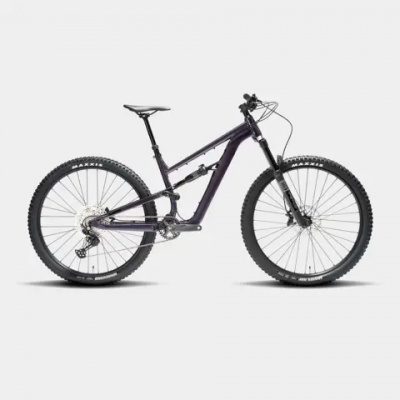
The full-suspension side is where Calibre has built its reputation. The Bossnut remains the headline act - a trail-oriented 29er with RockShox suspension front and rear, progressive geometry, and a price that makes most rivals look embarrassed. The Triple B (Bossnut's upgraded sibling) adds better damper specification, improved brakes, and a pre-installed dropper post as standard. If you're debating the Calibre Bossnut vs Triple B question, it usually comes down to whether you'll actually use those upgrades day one - the Triple B saves you the cost of swapping components later. The Sentry rounds out the full-sus range, targeting riders who want something slightly more enduro-oriented.
Across both families, 'Pro' trim levels consistently bring upgraded suspension dampers and dropper posts. If those are components you'd upgrade anyway, the jump in spec is usually worth the extra outlay rather than buying base and retrofitting.
The Calibre Tech Philosophy: Geometry Over Gimmicks
Calibre's approach is deliberately unfashionable in the best possible way. While plenty of brands spend the budget on carbon layups and proprietary standards, Calibre puts the money into geometry and kinematics - the things that actually determine how a bike rides.
Every Calibre MTB is built around what the industry calls progressive geometry: long reach figures, slack head angles, and steep seat tube angles. In plain terms, that means the bike sits low and stable on descents, you're positioned over the pedals properly for climbing, and the front wheel is far enough out to inspire confidence on anything punchy. On UK trail centres - where the combination of steep, wet, and rooty is just Tuesday - that geometry matters enormously. It's the difference between a bike that fights you and one that gets out of the way and lets you ride.
The custom-tuned kinematics on the full-suspension models - generally single-pivot or linkage-driven designs depending on the model - are calibrated with UK riding in mind. That means a suspension curve that handles repeated trail centre hits rather than being optimised for dry, hardpack XC. RockShox units appear across the range and are well-regarded for parts availability and rebuild options.
Frame construction uses 6061 alloy with hydroforming throughout. It's not the lightest material available, but it's proven, repairable, and doesn't develop the fatigue issues that cheaper alloy tubing can over time. The honest trade-off is weight: you're carrying more than a carbon equivalent, but you're paying a fraction of the price and you can throw it in a van without wincing.
For context, Boardman mountain bikes target a similar value-focused buyer, though they lean more road-influenced in places. Carrera mountain bikes operate in overlapping price territory too - but Calibre's geometry tends to be more committed to trail riding specifically.
Living with a Calibre in the UK: Mud, Maintenance, and Upgrades
Buy a Calibre and you're buying a bike designed for exactly the conditions you're probably riding in. The tyre clearance on the full-sus models is generous enough to run 2.4-inch rubber without drama - which matters when you're churning through Welsh winter mud and need something that won't pack solid mid-climb.
That said, wet grit is brutal on any moving part, and this is where a bit of attention pays dividends. Pivot bearings and bottom brackets take a hammering on UK trails. It's not a Calibre-specific problem - it's physics - but it's worth knowing before you buy. Keeping pivots clean and re-greased after muddy sessions extends their life significantly. When bearings do need replacing, Calibre's parts availability is decent; check our Calibre bearings page for compatible options, and the Calibre skewers page if you're refreshing the wheels at the same time.
On the upgrade path: these frames respond well to component improvements as your riding progresses. A better dropper post, upgraded brake pads, or a tyre swap to something more specific to your local conditions - all of that drops straight onto the existing platform without compatibility headaches. That modularity is worth something. You're not locked into a proprietary ecosystem.
One practical note on 29er vs 27.5 - Calibre offers both across the range depending on model. Larger wheels roll over roots and rocks more easily; 27.5 gives a snappier feel and suits shorter riders better proportionally. If you're between sizes or on the shorter end of the height range, it's worth checking the specific geometry charts rather than assuming one wheel size fits all.
Calibre mountain bikes suit riders who want a capable, honest trail bike that'll handle whatever the British weather throws at it, without demanding expensive servicing or proprietary parts every time something needs attention. That's a harder brief to nail than it sounds.
Calibre Mountain Bikes FAQs
Are Calibre mountain bikes any good?
Yes - genuinely. Calibre bikes consistently punch above their price bracket because the geometry is modern and trail-focused rather than cost-cut. They've picked up budget bike awards precisely because they ride like machines that cost considerably more. The component spec is sensible rather than flashy, but the fundamentals are right.
Who makes Calibre bikes?
Calibre is the in-house MTB brand for UK outdoor retailer Go Outdoors. The bikes are designed by a UK-based team who actually ride, which shows in the geometry choices - they're built around British trail centres and conditions, not repurposed from a generic catalogue spec.
What happened to the Calibre Bossnut?
Supply chain disruption during the pandemic hit availability hard, and the Bossnut was out of stock for extended periods. It's been updated and reintroduced since then, with the current versions refining the geometry and spec while keeping the same core ethos - a full-suspension trail bike that undercuts the competition on price without obvious compromises.