
Calibre E-Bikes
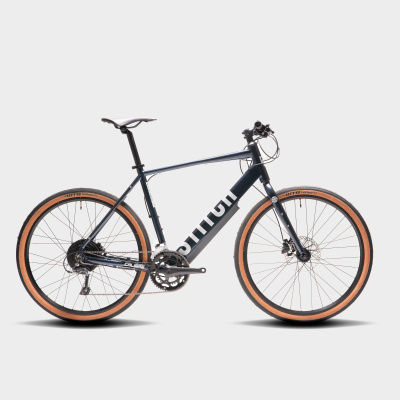
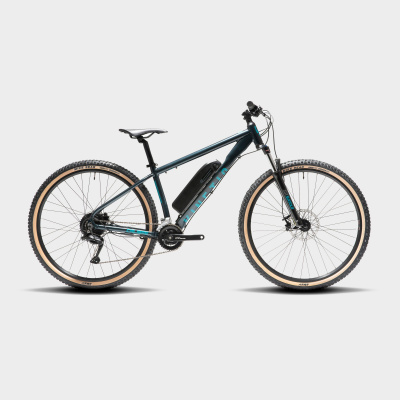
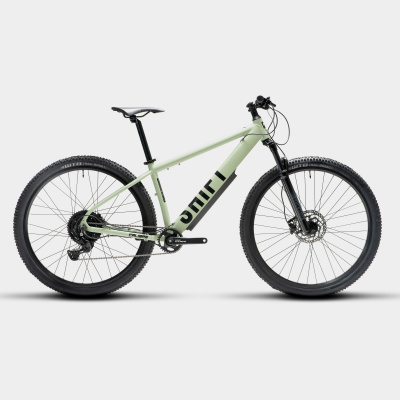
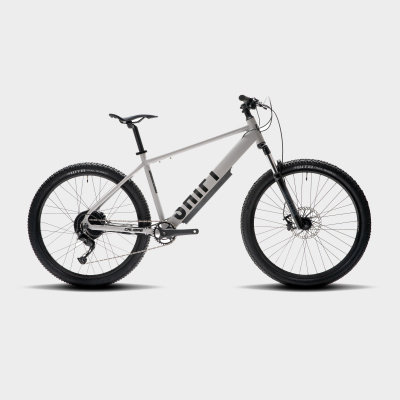
Calibre E-Bikes have carved out a straightforward proposition: modern geometry, reliable pedal assist, and a price that doesn't require a second mortgage. Where plenty of budget electric bikes pair capable motors with frames that ride like shopping trolleys, Calibre went the other way - long, low, slack geometry first, motor second. The result is a range aimed squarely at UK riders who want to actually have fun on trail centres, local woods, and canal towpaths without spending what a decent second-hand car costs.
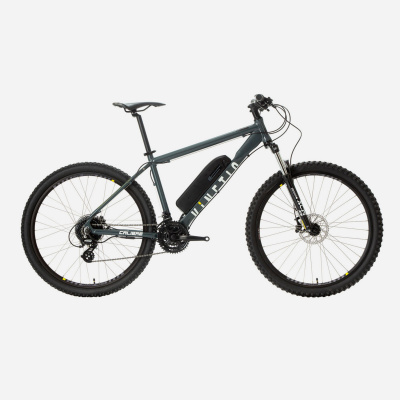
The lineup centres on hardtail e-MTBs - the Kinetic being the headline act - built around 6061 alloy frames with the kind of head angles and reach figures you'd normally associate with bikes costing twice as much. Calibre keeps the spec sheets tight and sensible rather than padding them with components that'll be in the spares bin by spring. Hub motors keep costs manageable and Q-factors normal, so your knees stay happy and drivetrain swaps stay cheap. If you're new to electric mountain biking or returning to riding after a gap, these bikes offer a genuinely capable starting point - and a chassis that rewards upgrades as your riding progresses.

Prices and availability can change quickly. Delivery charges are not always included in listed prices.
Final price, stock status and delivery terms are set by retailer. We may receive a commission on purchases made.
Decoding the Calibre Electric Range
Calibre electric bikes UK riders will find available sit in a compact, focused lineup rather than a sprawling catalogue of trims. The Kinetic hardtail is the core model - a trail-oriented e-MTB that suits everything from flat towpath blasts to proper rooty singletrack at your local trail centre. There's no confusing Pro/Comp/Expert ladder to navigate. Calibre typically offers one well-considered spec per frame size, which means the decision is simpler: does the geometry and motor package suit how and where you ride?
The hardtail format makes obvious sense at this price point. No rear suspension linkage to service, no pivot bearings to replace after every muddy winter, and a lighter overall package that still responds well to pedal input on climbs. If you're riding mostly blue and red-grade trails, mixing in some green lanes, or commuting with weekend adventures planned, a hardtail e-MTB covers a lot of ground without demanding much back. Riders who've already outgrown the hardtail experience and want rear travel would be looking at a different category - but for the money, the Kinetic hardtail is a genuinely well-resolved machine. Compare it against Calibre's pedal-only mountain bike range and the jump in capability from adding assist becomes obvious, especially on longer days or rides with significant climbing.
The Tech That Makes These Bikes Work
Calibre's approach is geometry over gimmicks - a philosophy that runs through their whole range, not just the e-bikes. The 6061 alloy frames use modern reach figures and slacker head angles that keep the front wheel planted on descents rather than pitching you over the bars on anything steep. That matters on proper trail riding; a nervous, steep-geometry bike with a motor is just a nervous bike that tires you out more slowly.
The motor choice is worth understanding. Calibre leans on hub motors in their budget e-MTB models rather than mid-drive units. Hub motors sit in the rear wheel rather than at the crank, which keeps the bottom bracket area completely standard - meaning a normal Q-factor, normal crank arms, and a Shimano drivetrain that any bike shop in the country can work on. Mid-drives are more efficient on technical climbs and feel more natural underfoot, but they add significant cost and mean proprietary bottom bracket interfaces that can be a pain to source parts for. For the rider who wants reliable pedal assist on trail days without a specialist workshop bill every time something needs attention, the hub motor logic holds up.
The alloy frame construction uses standard sizing throughout - headsets, bottom brackets, wheel axles - which is a quietly important detail. It means that as components wear, replacements are straightforward and genuinely affordable rather than brand-specific and mail-order only. That's a real advantage once you're a couple of UK winters in. The Calibre hybrid range uses a similar sensible-spec philosophy if you're also considering something more road-biased alongside an off-road e-bike.
Keeping a Calibre E-Bike Running Through a UK Winter
British riding conditions are unkind to bikes. Deep mud, grit, standing water, and temperatures that hover just above freezing for weeks at a time - it all adds up. The good news is that Calibre's geometry gives reasonable mud clearance at the rear triangle, which matters when you're clattering through the kind of Devon clay or Peak District gloop that'll stop a tight-clearance bike dead.
Battery care is worth taking seriously. After wet, gritty rides, wipe down the battery contacts and check the seals are clean before you plug in to charge. Lithium-ion batteries lose a noticeable chunk of their effective range in cold weather - don't be alarmed if your battery range in January feels significantly shorter than it did in September. That's normal chemistry, not a fault. Plan routes accordingly in winter and you won't get caught out.
Because Calibre uses standard component sizing across the board, maintenance is refreshingly simple. Headset replacements, bottom bracket swaps, wheel bearing changes - all of these use off-the-shelf parts. Keeping on top of Calibre bearings after sustained wet riding is the single biggest thing you can do to keep the bike feeling tight. Pivot and wheel bearings are the first casualties of gritty UK conditions, and catching them early is far cheaper than leaving it until there's play in the frame. If you do need to sort damaged hardware, Calibre frame spares and bushings are available to keep the chassis in shape rather than writing off an otherwise solid frame over a worn bush.
On the drivetrain side, Shimano components are the right call for a UK-ridden bike. Parts are everywhere, independent bike shops stock them, and you're not waiting two weeks for a specific cassette to arrive from a single European distributor. Clean the chain after every muddy outing - that's the cheapest maintenance you'll ever do and the one most riders skip.
Calibre E-Bikes FAQs
Are Calibre e-bikes any good?
Yes, particularly for the price. Calibre uses genuinely modern geometry - longer reach, slacker head angles - which makes their e-MTBs far more capable on descents than older budget bikes. The spec is sensible rather than flashy, the frames use standard sizing throughout, and the motor systems are reliable for trail and towpath use. They're not trying to compete with premium mid-drive brands; they're offering an honest, well-sorted package at a realistic price.
What motor do Calibre electric bikes use?
Calibre's budget e-MTB models use hub motors positioned in the rear wheel. This keeps the bottom bracket area completely standard, maintains a normal Q-factor, and means the Shimano drivetrain can be serviced or replaced by any bike shop without proprietary tools or parts. Hub motors are less efficient than mid-drives on very technical climbs but are more straightforward to live with day-to-day and significantly cheaper to maintain.
How far can a Calibre e-bike go on a single charge?
Battery range depends on assist level, rider weight, gradient, and - crucially in the UK - temperature. In reasonable conditions on a mid-assist setting, expect somewhere in the region of 30 - 50 miles. In cold winter weather, lithium-ion batteries lose efficiency and real-world range will be noticeably shorter than the quoted figure. Dropping to a lower assist level on flat sections and conserving battery on climbs extends range meaningfully on longer rides.