
Cafe Du Cycliste Rucksacks
Cafe du Cycliste rucksacks do something most cycling bags don't quite manage: they look like they belong off the bike as well as on it, while still being properly engineered for the demands of riding. That means cycling-specific ergonomic harness systems built around a forward riding posture, DWR-treated technical fabrics that don't flinch at British road spray, and welded seams that keep your kit dry when the weather turns grim - which, let's be honest, is most mornings between October and April.
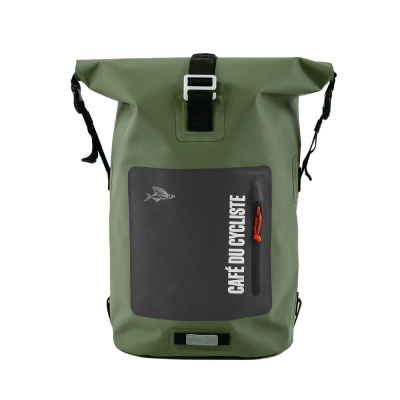
The range splits neatly between structured urban commuter packs and lightweight packable options sized for gravel days when you need to carry extra layers but don't want the bag to fight you on the climbs. The commuter models lean on TPU-coated fabrics and roll-top closures for serious water ingress protection, with padded laptop sleeves that can swallow a 15-inch machine without drama. The packable gravel versions strip everything back - ripstop nylon, minimal features, jersey-pocket friendly when not in use.
Integrated reflective detailing keeps you visible on dark winter commutes without making the bag look like a hi-viz tabard. If you'd rather let the bike carry the load, our dedicated Cafe du Cycliste Bar Bags, Saddle Bags, and Frame Bags are worth a look.
Prices and availability can change quickly. Delivery charges are not always included in listed prices.
Final price, stock status and delivery terms are set by retailer. We may receive a commission on purchases made.
Getting the Harness Right for Your Riding Position
Fit on a cycling rucksack is a different conversation to fit on a hiking pack. When you're stretched over the bars - especially on a gravel bike or a road machine with any kind of drop - a bag that's just slung on your shoulders will pendulum around the moment you stand up to push over a rise. Cafe du Cycliste address this with articulated shoulder straps and adjustable sternum straps that lock the load close to your back and stop lateral sway when you're out of the saddle. The waist belt trims are there too, though on the slimmer commuter models they're more about stability than load transfer.
Back ventilation channels matter more than most people think. During a hard effort - say, a fast city commute or a punchy gravel loop in the Chilterns - a bag that seals flat against your spine turns into a sauna. The structured back panels on the CdC commuter range include mesh channels that allow some airflow, which won't make you cold in January but will meaningfully reduce that sodden-jersey feeling by the time you roll in.
On laptop compatibility: the dedicated urban commuter models feature a suspended, padded internal sleeve sized to hold most standard 15-inch devices. Suspended means the sleeve doesn't sit flush against the base panel, so if the bag takes a knock - dropped kerb, hasty lean against a wall - the laptop isn't taking the direct impact. Check the listed internal dimensions before buying; a 16-inch machine is a different conversation. Looking to take the weight off your back entirely? For dedicated on-bike storage, check out our Cafe du Cycliste Bar Bags and Frame Bags. For off-bike travel, the Cafe du Cycliste Holdalls are worth comparing.
Commuter Packs vs. Packable Gravel Bags - Which End of the Range Do You Need?
The range divides along clear lines. The premium commuter models are built around heavy-duty, TPU-coated fabric with roll-top closures. Roll-top is the right call for UK riding - there's no zip to jam with winter road salt, the volume expands when you need to stuff in a waterproof jacket, and the closure genuinely seals when you fold it down properly. High-frequency welded seams run throughout, which is a manufacturing step that costs more than taped seams but produces a cleaner, more reliable seal against water ingress. These bags are structured, with tech sleeves, internal organisation, and back panels that hold their shape. They're not light. They're not meant to be.
The packable gravel-oriented options are a different animal. Ultra-lightweight ripstop nylon, minimal internal structure, and a packed size that fits into a back jersey pocket. The trade-off is obvious: you lose the organisation, the laptop sleeve, and the heavier-duty weatherproofing. What you gain is a bag that doesn't exist until you need it - useful on a long gravel day in the Peaks where you set off in sunshine and need somewhere to stash a layer by mid-afternoon. These models carry a DWR finish rather than full TPU coating, so in sustained heavy rain, electronics want a drybag liner for proper protection.
If you're comparing the structured commuter end of the CdC range against the broader market, Chrome rucksacks offer a similarly urban-focused approach with messenger-bag roots, while Evoc rucksacks push harder into trail and MTB-specific carrying with their spine protector integration. Neither quite lands in the same aesthetic space as Cafe du Cycliste, but they're worth comparing on raw function if your priority is volume over style. For hydration-focused carrying - useful on longer gravel days - CamelBak rucksacks remain the benchmark for reservoir-compatible design.
Keeping Your Bag Waterproof Through a UK Winter
The DWR finish on any technical cycling rucksack needs maintenance. It's not optional. UK road spray isn't just water - it's a cocktail of road oil, brake dust, and fine grit, and regular exposure without cleaning progressively degrades the DWR coating's ability to bead water off the surface. When DWR fails, the outer fabric starts to wet out - it doesn't immediately leak, but it absorbs moisture and gets heavy, and the hydrostatic head of the whole system drops over time.
The maintenance routine is straightforward. After wet or gritty rides, wipe the bag down - the TPU-coated base in particular - with a damp cloth before you hang it up. Don't let dried grit sit on the fabric and get worked in on the next ride. Never machine wash a welded-seam rucksack. Detergents strip DWR, and the heat and mechanical action of a washing machine can delaminate welded seams - damage that isn't visible until you're standing in the rain watching water pour in. A wipe-down with mild soap on a cloth is all it needs.
For bags with external zip pockets, winter road salt is a genuine enemy. Salt crystals work into zip teeth, swell when they absorb moisture, and eventually jam or corrode the mechanism. An old toothbrush to clear the teeth after salted winter rides, followed by a small amount of silicone-based zip lubricant, extends zip life considerably. Avoid petroleum-based lubricants - they attract grit. When the DWR does eventually need refreshing, a wash-in DWR reproofer applied after a gentle hand-wash (cool water, no detergent) will restore most of the original performance. Pair the bag with a Cafe du Cycliste jacket using the same DWR care approach and both pieces stay in good shape longer.
On the question of stealthy reflective detailing - it's worth noting that the integrated reflective elements in the CdC range are woven into the design rather than stuck on as afterthought patches. They don't compromise the bag's look in daylight but catch headlights properly in low-light conditions. For winter commuting in the UK, where you can leave and return home in the dark for months at a stretch, that's a practical feature rather than a marketing one. Brooks rucksacks take a comparable approach to aesthetics-first reflectivity if you want a comparison point from the heritage end of the luggage market.
Cafe Du Cycliste Rucksacks FAQs
Are Cafe du Cycliste rucksacks fully waterproof?
The structured commuter models - those with TPU-coated fabrics, welded seams, and roll-top closures - handle heavy UK downpours well and offer serious water ingress protection. The lightweight packable versions use a DWR finish and are water-resistant rather than waterproof; in sustained rain, use a drybag liner for anything electronic.
How do I clean a cycling rucksack?
Keep it out of the washing machine. Detergents strip DWR coatings and the heat and drum action can destroy welded seams. Wipe the bag down with a damp cloth and mild soap after muddy or wet rides, then air dry away from direct heat. For zips, clear the teeth with a toothbrush and apply silicone-based lubricant periodically.
Do Cafe du Cycliste backpacks fit a 15-inch laptop?
Yes - the dedicated commuter rucksacks in the range include a suspended, padded internal sleeve designed for most standard 15-inch laptops. The suspended construction means the sleeve doesn't sit flush against the base, offering some protection against knocks. Check listed dimensions if you're running a larger 16-inch machine before buying.