
Burley Pannier Racks
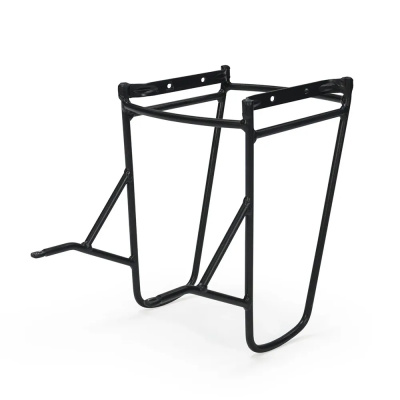
Burley Pannier Racks carry a reputation that's hard-earned: these are the people who've spent decades engineering load-bearing systems for bicycle trailers, and that same obsession with structural integrity runs through every rack they make. TIG-welded from 10mm aluminium tubing, they resist the flex and rattle you get from cheaper pressed-steel alternatives when you're grinding up a wet Welsh pass with 20kg on the back.
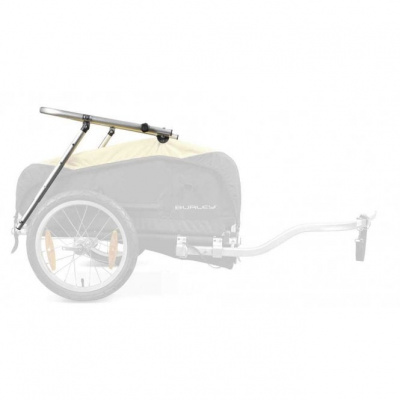
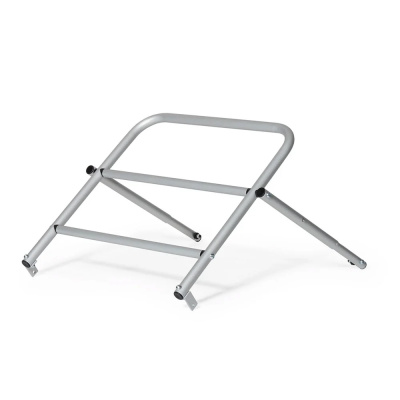
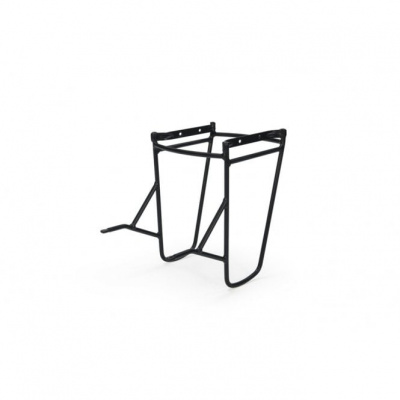
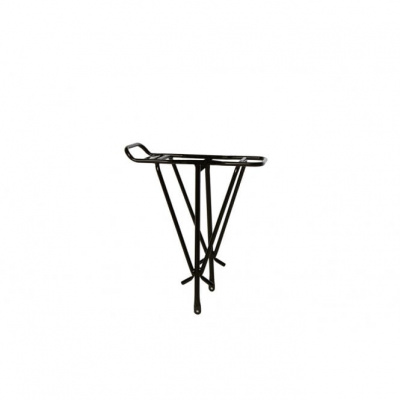
The range covers two distinct purposes. Most riders will be looking at a standard touring rack - robust, corrosion-resistant, and built to swallow panniers without drama. A smaller group need the proprietary Moose Rack, which does a dual job as both cargo platform and tow hitch for Burley's Piccolo and Kazoo tag-alongs. Knowing which one you need before you buy saves a frustrating return trip to the post office.
For UK riders, the appeal is straightforward. British roads throw grit, standing water, and relentless vibration at your mounting hardware. Burley's alloy construction and stainless steel bolt specification handle that environment better than budget alternatives. If you're commuting through a grim January or loading up for a multi-day tour, these racks are worth the closer look.
Prices and availability can change quickly. Delivery charges are not always included in listed prices.
Final price, stock status and delivery terms are set by retailer. We may receive a commission on purchases made.
Fitting a Burley Rack: What Your Frame Actually Needs
Before you order, check three things on your frame: mounting eyelets, axle spacing, and disc brake clearance. Burley racks are designed around standard rear dropout eyelets - the threaded bosses at the dropout and on the seatstay or chainstay. Most steel and aluminium touring frames have these as standard. Carbon frames are a different story, and many simply don't have compatible mounting points at all.
Wheel size compatibility covers the practical spread: 26-inch, 700c, and 29er wheels are all supported across the range, with adjustable rack stays handling the geometry differences. Axle spacing is less of an issue on modern bikes, but worth confirming on older frames where 135mm quick-release spacing is standard - Burley racks are built around this.
Disc brake clearance is where some riders hit a snag. Most Burley racks clear standard IS and Post Mount caliper arrangements without issue, but flat-mount disc frames - common on gravel bikes produced in the last few years - can present fitment complications depending on where the caliper sits relative to the dropout eyelet. If your frame runs flat-mount discs, check the rack's lower stay attachment points carefully. You may need spacers to achieve the right angle without the stay fouling the caliper. For mounting solutions on awkward frames, the Burley adapters and Burley skewers pages are worth a look before you start improvising with hardware shop bolts.
Compared to something like Blackburn pannier racks, Burley's fitment requirements are broadly similar - both expect a traditionally-eyeleted frame. Where Burley differentiates is in the torsional stiffness of the platform itself, which matters when you're pushing the load limit on rough surfaces.
Standard Rack vs. Moose Rack: Two Very Different Tools
Burley's standard rear racks are exactly what the name suggests - a solid, high-capacity platform for panniers and dry bags. The TIG-welded aluminium construction keeps weight reasonable while giving you the stiffness needed to stop loaded panniers swaying at speed. Pannier hooks engage along the side rails in the usual fashion, and the flat deck accommodates a bungee or two for awkward loads.
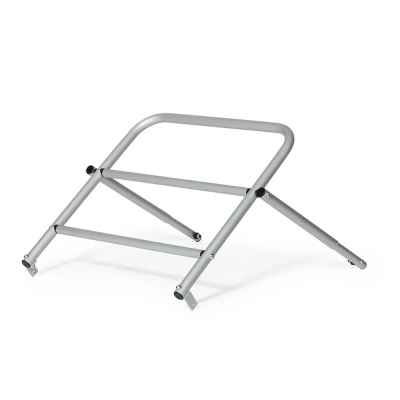
The Moose Rack is a different beast entirely. It's Burley's proprietary hitch integration system, designed specifically to tow the Burley Piccolo and Kazoo tag-alongs. It functions as both a cargo rack and a secure pivot point for the tag-along's coupling arm. This is not interchangeable with a generic rack and a bolt-on hitch adapter - the geometry of the Moose Rack's mounting position is engineered to give the tag-along the correct steering arc and load transfer characteristics. Using a substitute rack with an improvised hitch is genuinely unsafe and voids any warranty coverage.
If you're buying a Burley rack purely for panniers, the standard touring rack is the one. If you're running a Piccolo or Kazoo, the Moose Rack is non-negotiable. Some riders do both - using the Moose Rack's deck for light cargo when the tag-along isn't attached, which works fine. Once your rack is sorted, head to the Burley pannier bags page to match your luggage to the platform. Alternatively, Ortlieb pannier racks and Old Man Mountain pannier racks are worth comparing if your frame throws up fitment complications that push you toward a different system.
Keeping It Tight: Maintenance on UK Roads
UK B-roads are genuinely hostile to rack hardware. Grit, standing water, and the kind of continuous low-frequency vibration you get on chipseal surfaces will work mounting bolts loose faster than you'd expect - especially on the lower rack stays where the leverage forces are highest. The aluminium tubing itself handles road salt and wet grit well; corrosion on the rack body isn't a major concern with regular rinsing. The bolts are the weak point if you're not paying attention.
A small dab of medium-strength threadlocker - blue Loctite is the go-to - on every mounting bolt before installation prevents the slow creep of vibration loosening over weeks of riding. Don't use red (permanent) threadlocker; you'll regret it at the next service. Check the torque on your lower stay bolts every few weeks if you're regularly carrying loads above 15kg, and every ride if you're near the 25kg capacity limit. A loose lower stay on a heavy load creates lateral flex in the rack platform, which puts stress on the upper eyelet bolts and accelerates wear at the frame contact points.
The 10mm aluminium tubing Burley uses for the main rack structure gives it meaningful torsional stiffness - think of it as the difference between a solid workbench and a folding table when you're trying to do something precise. That rigidity matters when pannier hooks are taking asymmetric loads, which they almost always are in real use. Clean the rack stays and eyelet contact points when you wash the bike, and inspect for any hairline cracking around the weld points if the rack has taken a fall or a heavy sideways knock. Aluminium doesn't bend visibly before it fails the way steel does, so a visual check around the welds is a worthwhile habit.
Burley Pannier Racks FAQs
Will a Burley rack fit a bike with disc brakes?
Most Burley racks are designed with disc brake clearance in mind and will clear IS and Post Mount calipers without issue. Flat-mount disc frames can be trickier depending on dropout geometry - you may need spacers to position the lower rack stays correctly. Always check your frame's caliper mounting standard and eyelet positioning before ordering.
What is the weight capacity of a Burley pannier rack?
Burley rear racks typically handle up to 25kg of cargo. That's a serious load capacity suited to fully-laden touring and heavy commuting. Worth noting: your frame needs to be rated for that kind of rear-biased load too, so check your frame manufacturer's specs if you're regularly pushing toward the limit.
Do I need a special rack to use a Burley Tag-Along?
Yes. Towing a Burley Piccolo or Kazoo tag-along requires the proprietary Burley Moose Rack - there's no safe workaround with a standard rack and an aftermarket hitch. The Moose Rack's mounting geometry is specifically engineered to give the tag-along correct steering behaviour and load transfer. It's not interchangeable.