
BTWIN Child Seats
BTWIN child seats turn an ordinary ride into something your kid will be talking about all week - and they do it without asking you to spend a fortune or compromise on safety. Every seat in the range meets EN 14344, the European safety standard for bicycle child seats, so you're not gambling on build quality to save a few quid. Whether you're eyeing a frame-mounted baby seat for your hybrid or a BTWIN rear child seat rack mount for your commuter, the fundamentals are solid: a 3-point harness system, an ergonomic helmet recess that stops little heads from being pushed forward, and tool-free adjustable footrests that grow with your child rather than expiring the moment they hit a growth spurt. Before you buy, though, do the homework. Check your seat tube diameter, confirm your rear rack carries an ISO 11243 rating, and verify the rack's load limit. A wobbly fit isn't just annoying - with a passenger on board, it's a genuine safety concern. Get the compatibility right first, then enjoy the ride.
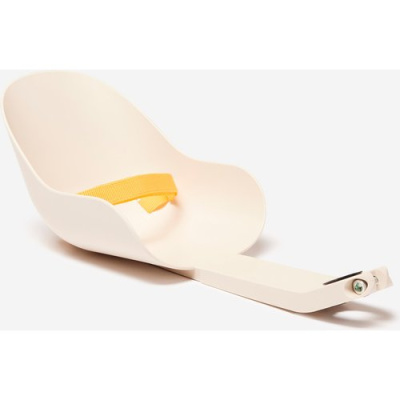
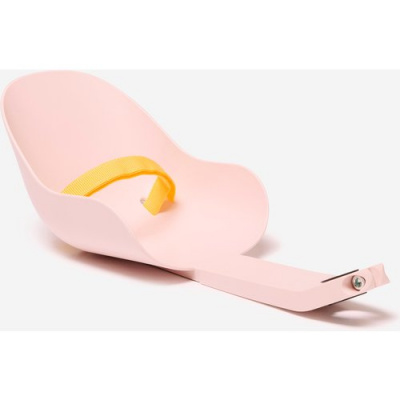
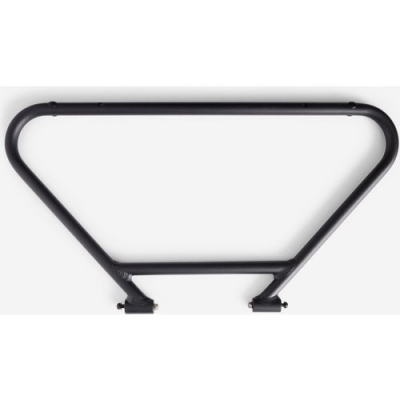
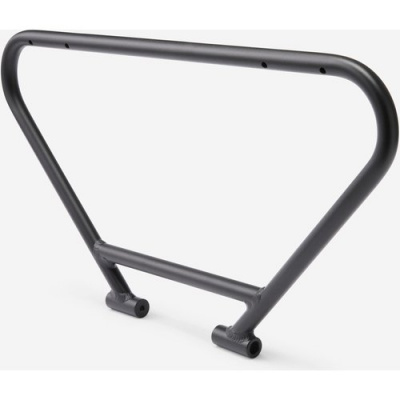
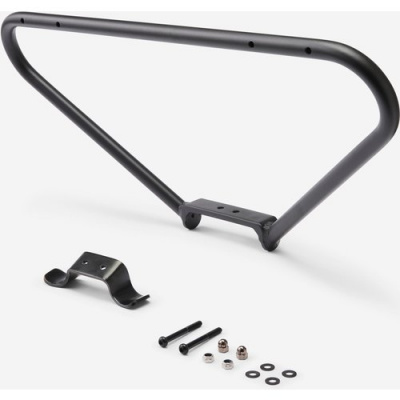
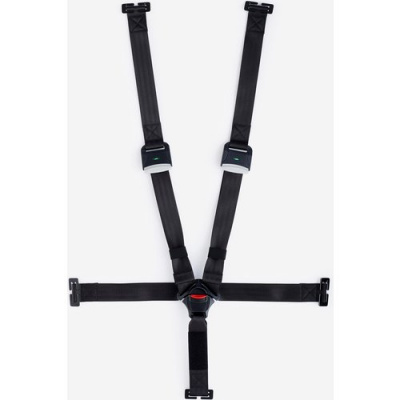
Prices and availability can change quickly. Delivery charges are not always included in listed prices.
Final price, stock status and delivery terms are set by retailer. We may receive a commission on purchases made.
Frame vs. Rack Mounts: Compatibility and Standards Explained
The single most important thing to sort before clicking buy is whether your bike can actually take the seat you want. It sounds obvious, but it catches people out regularly. BTWIN child seat compatibility splits into two clear camps, and the requirements for each are non-negotiable.
Frame-mounted seats clamp directly onto the seat tube using a bracket that grips round or oval tubing between 28mm and 40mm in diameter. If your tube falls outside that range, the bracket won't seat securely - full stop. More critically, frame mounts are not suitable for carbon fibre frames or lightweight aluminium tubes that aren't rated for clamping forces. The clamping pressure needed to hold a child seat firm is significant, and carbon doesn't respond well to localised stress of that kind. Full-suspension bikes are also out for frame mounts, since rear-end movement makes a rigid child seat dangerous. Worth checking cable routing too: some bikes have brake or gear cables running along the seat tube that a bracket will foul.
Rack-mounted seats are the better fit for dedicated commuters, and they're more stable once properly set up - the load sits lower and spreads across the rack rather than clamping a single tube. The rack itself must comply with ISO 11243 and be rated for a minimum of 27kg. That accounts for the seat's own weight plus the child's, up to the 22kg weight limit most BTWIN rear seats carry. A rack rated for 25kg sounds close enough, but it isn't - don't risk it. If you're running a BTWIN pannier rack already rated to spec, you're in good shape; if not, that's the first purchase to make.
If you're comparing BTWIN against other brands at this stage, Hamax child seats and Thule child seats follow largely the same compatibility rules - ISO 11243 for rack mounts, similar tube diameter windows for frame mounts - so switching brand won't get you around a fundamentally incompatible bike.
What You Actually Get Across the 100, 500 and 900 Series
BTWIN structures its child seat range in tiers, and the differences between them are practical rather than cosmetic. Knowing which level suits your use case saves you from either overspending or buying something that frustrates you within a fortnight.
The 100 series is straightforward. Frame-mounting, basic padding, reliable harness. It's built for occasional weekend use - a Sunday loop of the lanes with your toddler rather than a daily school-run grind. The materials are honest rather than plush, but the safety foundations are identical across the range. If the bike only comes out at weekends, this does the job cleanly.
The 500 series introduces better seat padding and brings rack-mount options into the picture, which makes it the more sensible choice for riders who are on the bike most days. The improved cushioning matters more than it sounds when your child is sitting static - they feel every road ripple you pedal through, and on UK roads that's a lot of ripples. The 500 also handles the commuter use case more practically, with slightly more weather-resistant materials on the seat pad.
The 900 series - and equivalent premium Decathlon models - is where the feature set genuinely shifts. You get a reclining backrest for children who fall asleep mid-ride (more common than you'd think on longer outings), improved suspension to take the edge off rough surfaces, and Decathlon's One-Click mounting system. That last feature is worth understanding: it's a quick-release mechanism that lets you remove and refit the seat in seconds without tools. If the seat lives on a family bike that also does solo duty, being able to pop it off and back on without hunting for an allen key makes a real difference to daily use. The extra cost over the 500 series buys you ergonomics and speed of installation - both legitimate reasons to spend more if the bike gets heavy use.
The ergonomic helmet recess appears across the upper tiers particularly - it's a shaped cavity in the seatback that accommodates the rear of a helmet so the child's head sits naturally rather than being pushed forward into an uncomfortable chin-to-chest position. Pair the seat with a well-fitting BTWIN kids helmet and that recess does exactly what it's designed to do.
For comparison, Polisport child seats offer a similarly tiered approach at comparable price points, though the One-Click system is specific to Decathlon's ecosystem and won't cross-mount between brands.
Keeping It Safe and Functional Through UK Conditions
A child seat on a UK bike faces conditions that a seat used in a dry continental climate simply doesn't. Rain, road spray, and grit are constants - and they affect both the seat's longevity and your child's comfort if you don't stay on top of maintenance.
The seat padding on BTWIN models is non-absorbent by design, which is exactly right for this climate. After a wet ride, wipe it down rather than leaving it. Moisture sitting in seams over weeks encourages mould, and once that sets in the padding is effectively ruined. A quick wipe takes thirty seconds. The harness buckles are the other weak point in wet conditions - grit works its way into the release mechanism over time and can make the buckle stiff or unreliable. Rinse them out periodically and check the release action before every ride, not after.
The frame bracket bolts need checking monthly. Road vibration is relentless, and bolts that felt solid a fortnight ago can work loose without obvious warning. Use a torque wrench - the target range is typically 5 - 8Nm, but check the specific model's documentation. Over-tightening is as problematic as under-tightening, particularly on aluminium seat tubes where you can strip the material. This is a five-minute job with the right tool and genuinely not optional.
Your child sits static while you pedal, which means they're catching cold air and road spray with no way to generate warmth. Rear-wheel spray is particularly unpleasant, and full BTWIN mudguards are close to essential - a decent rear mudguard with a long flap makes a noticeable difference to how dry and comfortable your passenger stays. On UK winter rides, layer them up significantly more than you'd expect: a child sitting still in January wind feels the cold far faster than you do working on the pedals. A windproof top and something on their legs is the baseline, not an option.
If your bike currently lacks a centrestand and you're regularly loading a child into the seat solo, a BTWIN kickstand is one of those additions that sounds minor until you've tried to hold an unsteady bike upright while also handling a small child.
BTWIN Child Seats FAQs
Does a BTWIN child seat fit any bike?
No - and it's worth being specific about why. Frame-mounted seats need a round or oval seat tube between 28mm and 40mm in diameter and can't be used on carbon frames, lightweight aluminium tubes not rated for clamping loads, or full-suspension bikes. Rack-mounted seats require a rear rack that meets ISO 11243 and is rated for at least 27kg. Check both before buying.
How do you attach a BTWIN child seat to a pannier rack?
The seat uses a clamping mechanism that locks onto the outer rails of your pannier rack. Position the seat so the child's centre of gravity sits slightly ahead of the rear axle, then tighten the dial or clamp until the seat is completely firm with no lateral movement. Give it a proper shake test before riding - any wobble means it needs retightening.
What is the weight limit for a BTWIN child bike seat?
Most rear-mounted BTWIN seats have a 22kg maximum, which covers most children up to around four or five years old. That limit applies to the child alone - your rack also needs to be rated to handle the combined weight of seat and child. Don't assume a rack is up to spec; check its rated capacity explicitly.