
Brompton Frame Bags
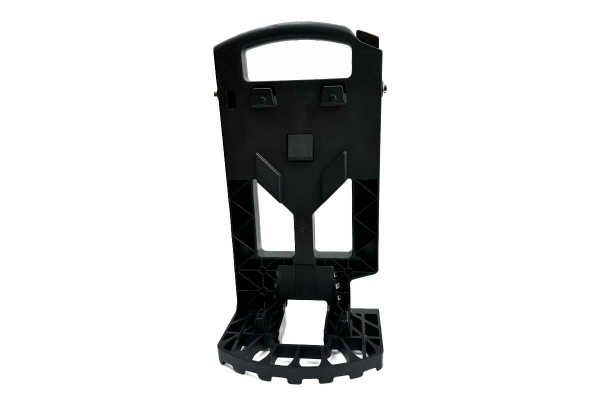
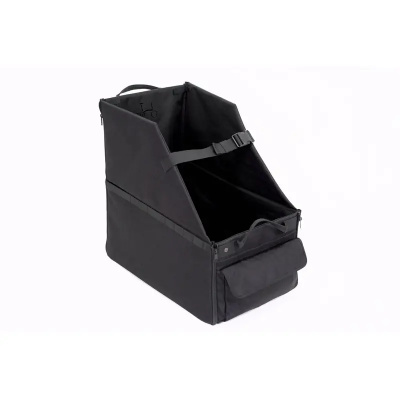
Brompton frame bags work differently to almost every other luggage system on the market - and that difference is worth understanding before you buy. Rather than strapping to a frame triangle or clamping to handlebars, they clip directly onto the Brompton Front Carrier Block (FCB), a proprietary mount built into the head tube of every Brompton bike. The result is genuinely clever engineering: your luggage weight sits low and close to the frame, completely isolated from the steering. Load it up with a laptop and a day's worth of kit and the bike still steers cleanly. That's not a given on folders.
The range spans everything from compact, structured commuter bags to high-capacity roll-tops built for relentless UK rain. Whether you're threading through rush-hour London, catching a train out of Manchester, or doing a longer loaded run where the weather will absolutely not behave, there's a bag sized and sealed for it. Materials step up as you move through the ranges - from standard nylon at the entry level to tough Cordura fabric with welded seams at the top. Capacity in litres varies enough that matching the bag to your actual daily load matters. We've broken it all down below.
Prices and availability can change quickly. Delivery charges are not always included in listed prices.
Final price, stock status and delivery terms are set by retailer. We may receive a commission on purchases made.
How the Front Carrier Block System Actually Works
Every Brompton ships with the Front Carrier Block already fitted to the head tube. It's a small, robust plastic-and-metal mount with a quick-release latch mechanism - you push the bag onto the block, it clicks home, and it's locked. To remove it, you press the latch and the bag lifts clear in one motion. No straps, no velcro, no faff when you're rushing for a train. The frame-mounted design that isolates luggage weight from steering dynamics is the real win here: because the bag connects to the main frame rather than to the fork or bars, turning the handlebars doesn't fight against a heavy load. On a heavily laden conventional bike, that pendulum effect through the front end is immediately obvious. On a Brompton with a full FCB bag, it simply isn't there.
The compatibility question riders ask most often is about handlebar type. All FCB bags fit the same universal block, but handlebar height determines which bags you can actually run. S-Type (straight) handlebars sit considerably lower than M, H, or P bars, which means taller bags will foul the brake levers as you steer. If you're on an S-Type, you need to check the bag's stated height against Brompton's own guidance before buying - this catches a lot of people out. M, H, and P handlebar types have much more clearance and can run the full range of bag heights without issue.
One more thing worth knowing: you can fold the bike fully with a front carrier bag still attached to the block, because the mount sits ahead of both folding hinges and doesn't interfere with the fold at all. What you can't do is carry the folded bike using the bag's handle - the geometry doesn't work that way once it's folded. Remove the bag first if you're going hands-on with the fold for transit. If you're after storage at other points on the bike, we stock dedicated pages for Brompton bar bags, saddle bags, pannier bags, messenger bags, and rucksacks - each covers what the FCB system doesn't.
Metro, Borough, and City: Picking the Right Range
Brompton structures its bag lineup into three distinct families, and the differences between them go well beyond aesthetics. Getting the right one saves you money and means the bag actually suits how you ride.
The Metro range is the everyday commuter workhorse. It's messenger-bag in spirit - a broad, flat main compartment with a serious amount of internal organisation. Pockets for pens, cards, cables, and a dedicated padded laptop sleeve make it genuinely practical for office use. The fabric is solid nylon rather than Cordura, which keeps weight down and cost reasonable. It handles light to moderate rain well enough, but it's not a bag you'd want to cycle through a prolonged downpour without the included rain cover. Metro suits the rider who wants a best frame bag for Brompton use on a predictable commute - structured days, reasonable weather windows, a lot of in-and-out access throughout the day.
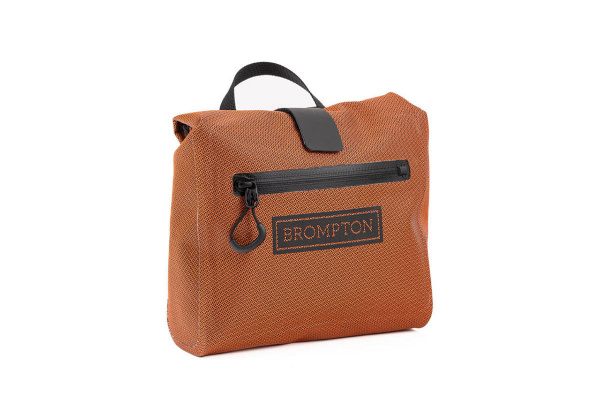
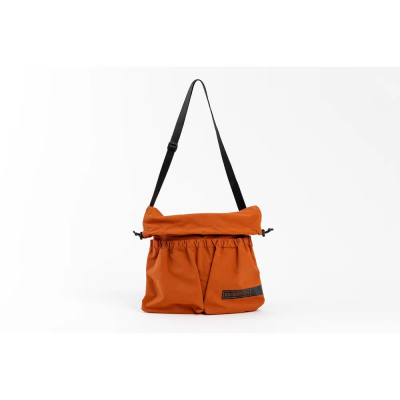
The Borough range is where Brompton goes properly waterproof. Roll-top closure, highly water-resistant materials, and in the top-spec versions, fully welded seams that won't leak even when rain is genuinely horizontal. Capacity in litres is also expandable on some Borough models - you can compress it down for a light load and open the roll-top extension when you're carrying more. The fabric is tougher throughout, and the bag's shape is more relaxed and slouchy than the Metro, which suits shopping runs or days where you're carrying varied kit rather than a tidy laptop setup. If your commute involves crossing London in November with no margin for a soaked bag, Borough is the call. It's closer in philosophy to what Ortlieb frame bags do for conventional bikes - function over form, waterproofing prioritised above everything else.
The City range takes a briefcase-style approach. Structured panels, a more formal silhouette, and a carrying handle that makes it genuinely usable as a briefcase off the bike. It's aimed squarely at the rider going directly into a professional environment - meeting rooms, offices, anywhere a roll-top bag looks out of place. The trade-off is capacity; it's not the range for heavy loads or touring use. Think of it as the bag for riders who want their Brompton front carrier luggage to disappear into a work context. Brands like Brooks and Carradice approach this same smart-commuter space on conventional bikes, but neither has the FCB integration that keeps the Brompton handling neutral under load.
Moving up through the ranges, the materials step up meaningfully. Entry-level bags use standard nylon; mid-range adds Cordura fabric for significantly better abrasion resistance; top-spec models add welded waterproof seams and waterproof roll-top closures as standard. The organisational complexity increases too - more pockets, better laptop protection, cleaner internal layouts. Whether that justifies the price step depends entirely on how hard you use the bag and how wet your commute gets.
Keeping It Running Through a UK Winter
A British winter will find the weak points in any luggage system quickly. Two things on Brompton bags tend to suffer first: the closure system and the quick-release latch mechanism on the FCB block itself.
On closures, roll-top designs have a clear advantage in sustained heavy rain - there are no zippers to leak and no seams at the opening to wick water inward. A properly rolled and clipped Borough bag in a Leeds downpour will keep your kit dry where a zippered bag with standard nylon fabric probably won't. That said, roll-tops are slower to access. Waterproof zippers are a reasonable middle ground - faster than a roll-top, more resistant than standard zips - but they do need occasional waxing to stay supple in cold weather. The compromise is real; which side of it matters to you depends on how often you're in and out of the bag during a ride versus how severe your weather exposure is.
The FCB latch is the part that catches riders out over a winter. Road grit and salt spray work their way into the plastic release mechanism, and if you leave it untouched through a few months of winter commuting - common in cities like Bristol or Edinburgh where roads get heavily gritted - the latch can become genuinely stiff or partially seize. Monthly maintenance is straightforward: flush the latch pivot with a mild degreaser, let it dry, then apply a drop of dry PTFE lubricant to the pivot point. Avoid wet chain lubes here - they attract grit and make the problem worse faster. This takes two minutes and keeps the quick-release working cleanly when you actually need it to be quick. Worth pairing this with a general check of your Brompton's folding hinges at the same time - winter salt is indiscriminate.
For riders going fully loaded on longer runs - think a loaded day out rather than a standard commute - a waterproof Brompton frame bag in the Borough range paired with appropriate commuter tyres gives you a genuinely capable setup in conditions that would make most folding bikes unpleasant. The FCB system's weight isolation becomes particularly noticeable when the bag is full; the steering remains predictable in a way that handlebar-mounted luggage simply isn't. Brands like Apidura have pushed bikepacking luggage integration hard on conventional bikes, but for the Brompton specifically, the proprietary block system remains the most mechanically sound solution for carrying weight on the front end.
Brompton Frame Bags FAQs
Do all Brompton bags fit all Brompton bikes?
Every Brompton front bag uses the same universal Front Carrier Block, so the mounting system is consistent across the range. The catch is handlebar type. S-Type (straight) bars sit lower and can cause taller bags to foul the brake levers during steering. M, H, and P handlebar types have more clearance and can run the full height range without issue. Always check the bag's stated height against your handlebar type before buying.
Can you fold a Brompton with a frame bag attached?
Yes - the FCB block sits ahead of both folding hinges, so attaching a bag doesn't affect the fold at all. The bike folds fully with the bag on. The one limitation is carrying the folded bike using the bag's handle; the geometry doesn't work once it's folded. If you need to carry it by hand, remove the bag from the block first - the quick-release makes that a one-second job.
Are Brompton frame bags waterproof?
It depends on the range. Borough bags use highly water-resistant materials with roll-top closures, and top-spec versions have fully welded seams - these will handle persistent UK rain without issue. Metro and City bags are water-resistant rather than waterproof, and most include a dedicated high-visibility elasticated rain cover stored in an external pocket for when conditions turn serious.