
Bridgedale Socks
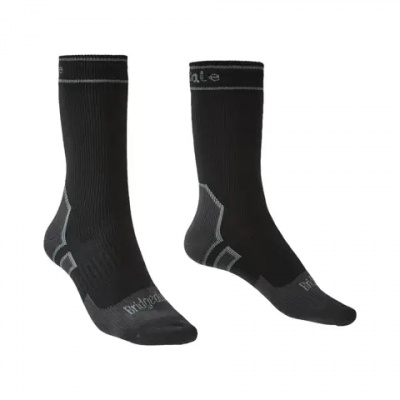
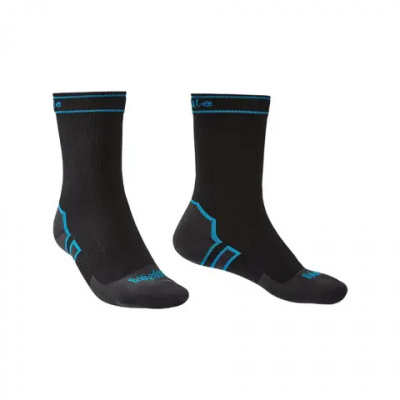
Bridgedale cycling socks have earned a serious following among UK gravel, MTB, and winter road riders - and it's not hard to see why. The brand's roots are in demanding outdoor footwear, and that same technical rigour carries straight into their cycling range. At the core of it all is FusionTech: a proprietary yarn construction that marries Merino wool's natural warmth and moisture management with the structural resilience of synthetic microfibres. You get the comfort and thermal retention of wool without the fragility.
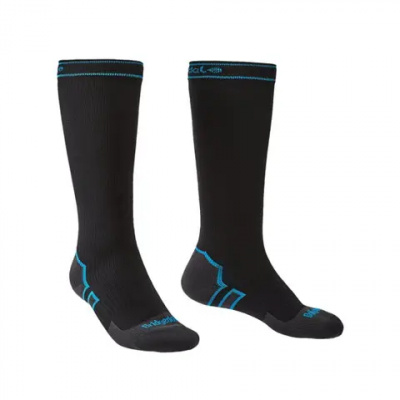
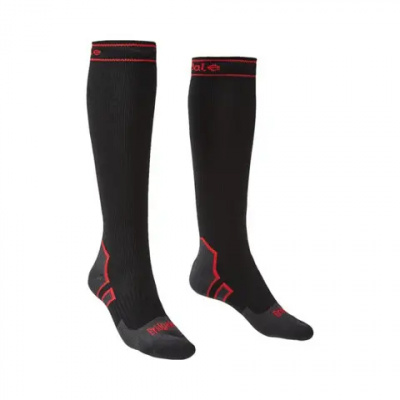
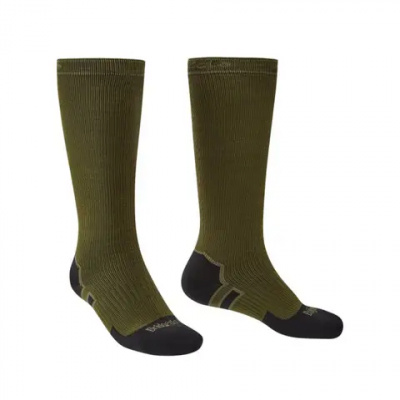
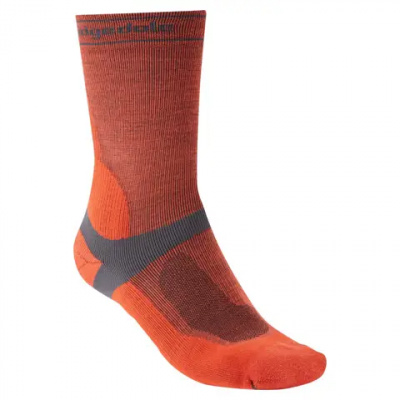
The range splits cleanly by season and conditions. The StormSock line brings a waterproof breathable membrane for soaked winter rides, while lighter Merino blends handle the shoulder seasons without cooking your feet. Targeted anti-shock cushioning sits where you actually need it - under the heel and across the ball of the foot - rather than padding everywhere and killing pedal feel. A Lycra 3D fit system keeps everything in place inside your shoe, so there's no bunching or hotspot creep mid-ride. Whether you're grinding out January base miles on wet tarmac or picking your way through muddy woodland singletrack, there's a Bridgedale sock built for it. Cold, wet, muddy: UK riding covered.
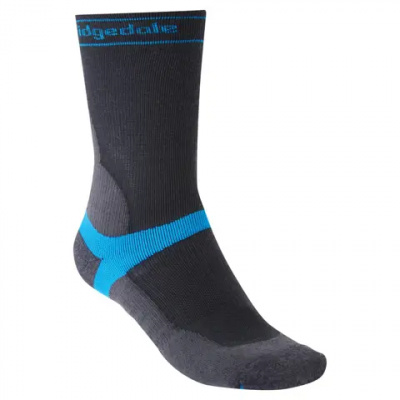
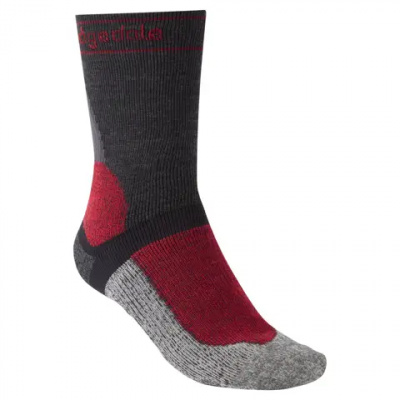
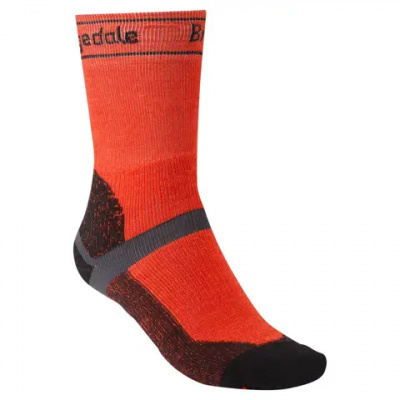
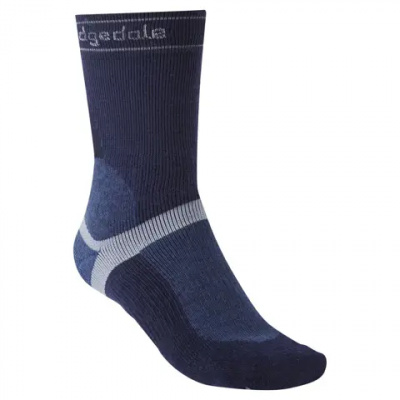
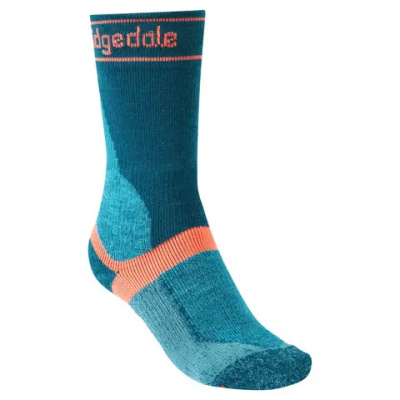
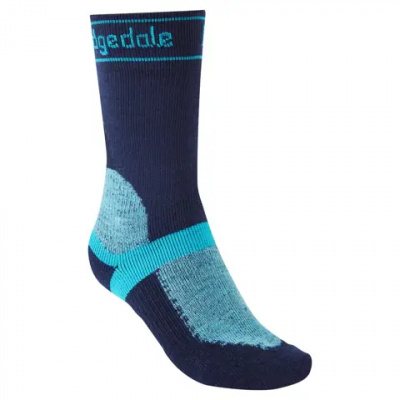
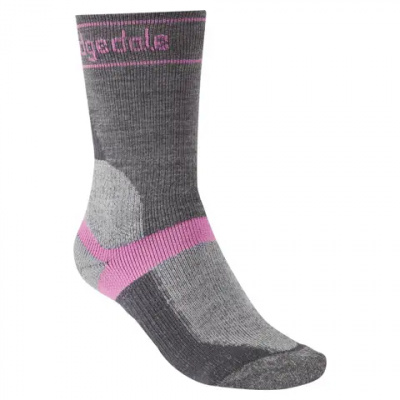
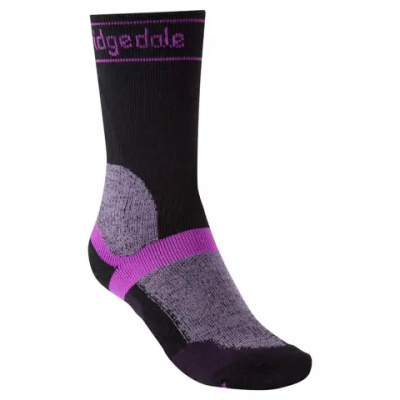
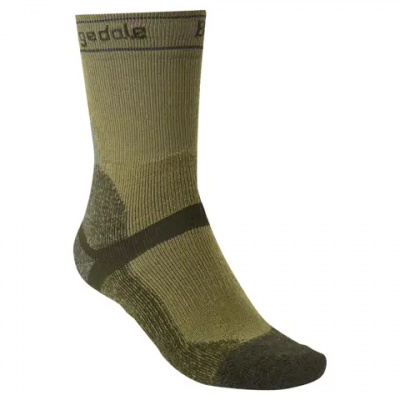
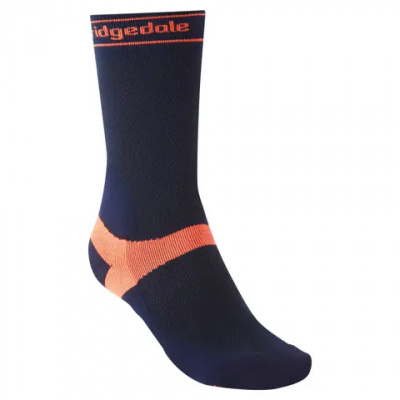
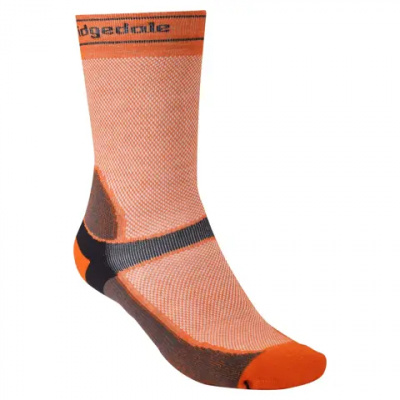
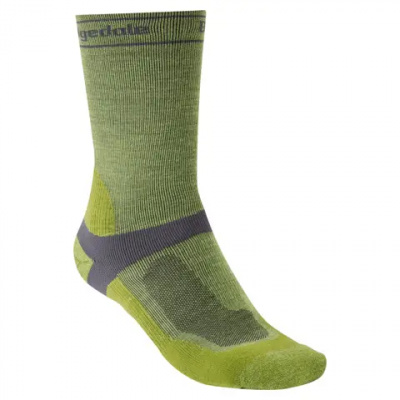
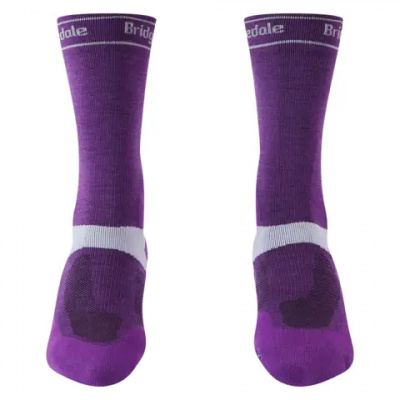
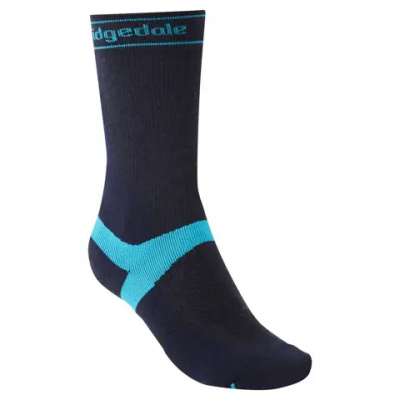
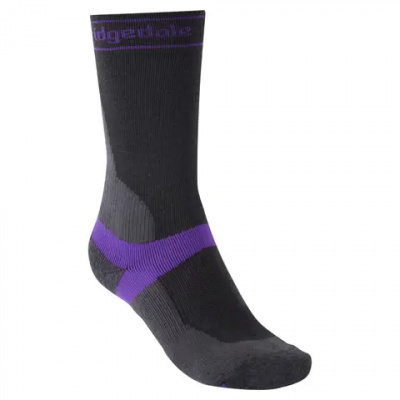
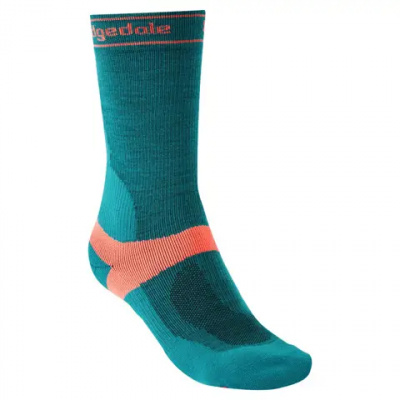
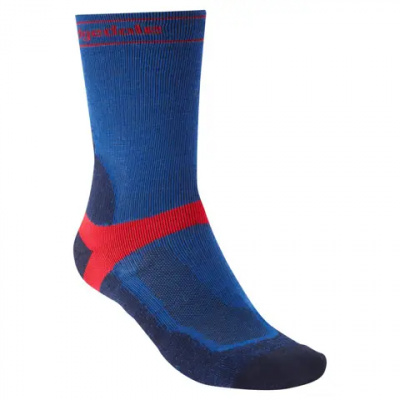
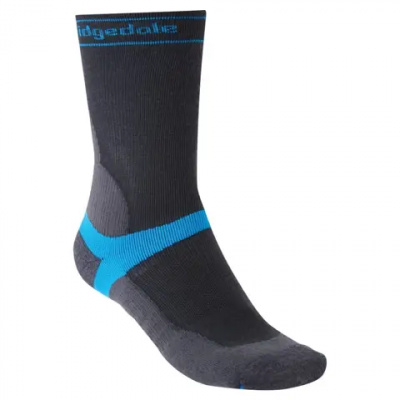
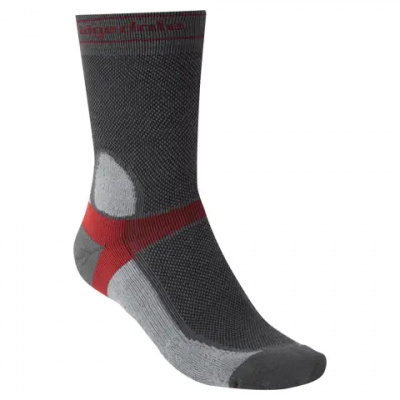
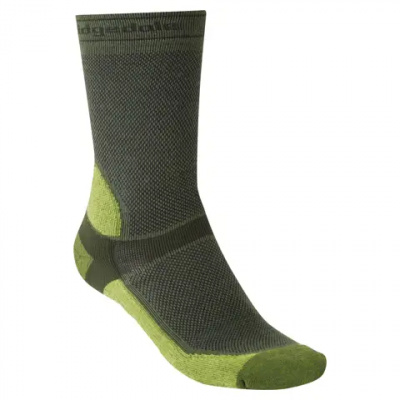
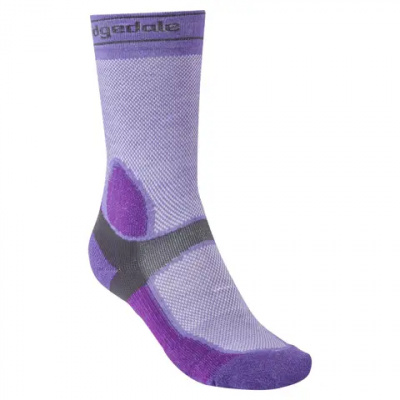
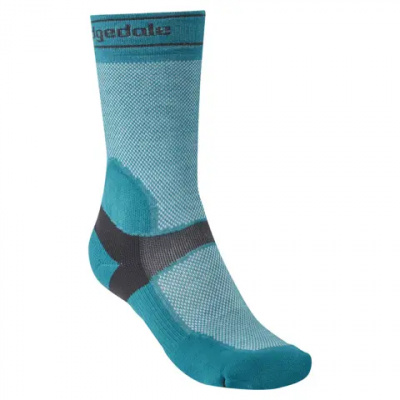
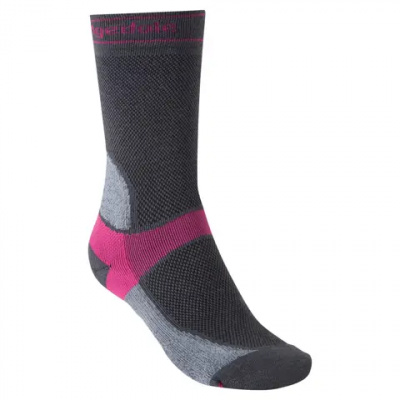
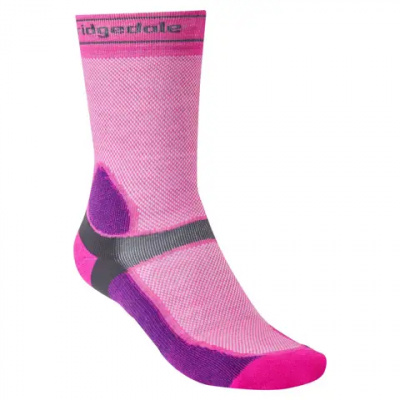
Prices and availability can change quickly. Delivery charges are not always included in listed prices.
Final price, stock status and delivery terms are set by retailer. We may receive a commission on purchases made.
Fabric Tech and Weather Performance: FusionTech and Waterproofing
FusionTech is the foundation of what makes Bridgedale cycling socks work harder than most. Rather than using pure Merino or a basic wool-poly blend, FusionTech interweaves natural Merino fibres with performance synthetic microfibres at yarn level - not just layered together. The result is a sock that wicks fast, manages odour naturally, and holds up to the kind of repeated washing and abrasion that purely Merino socks struggle with. Think of it as getting Merino's warmth with a synthetic's backbone.
The StormSock range takes things further with HydroTech waterproof breathable membranes - a three-layer construction where a hydrophilic polyurethane film sits sandwiched between the inner and outer knit. External water, whether from puddles, road spray, or a full crossing of a ford on a Welsh gravel loop, doesn't get through. But sweat vapour generated during hard efforts can still escape outward through the membrane's microporous structure. It's not a perfect system under extreme prolonged immersion, but for UK rain and wet trail conditions it holds up well. Compared to neoprene overshoes alone, the StormSock gives you that protection from inside the shoe, which makes a real difference at speed when wind chill compounds the cold.
If your riding skews toward summer gravel or drier MTB days, the Merino-blend options without the membrane offer excellent moisture-wicking and breathability without the slight warmth penalty of the waterproof construction. Worth knowing: breathable membranes do restrict airflow compared to open-knit socks, so match the sock weight to your actual conditions rather than defaulting to the heaviest option. Brands like Dexshell also use membrane construction if you want to compare approaches, though Bridgedale's FusionTech blend distinguishes them at the yarn level.
Understanding the Bridgedale Fit and Range
Bridgedale structure their cycling range across lightweight, midweight, and heavyweight builds. Lightweight socks - typically thinner Merino blends - suit spring and autumn riding where you want thermal insulation without excess bulk in the shoe. Midweight options add more cushioning and are the go-to for most UK winter road miles. Heavyweight waterproof builds, like the fuller StormSock constructions, are built for deep winter: cold descents, pre-dawn starts in January, the kind of ride where numb toes become a safety issue rather than just a discomfort.
Across the range, Lycra 3D fit is consistent. This isn't just a marketing claim - the shaped knit means the sock conforms to your foot's actual profile rather than sitting as a flat tube inside the shoe. That matters for cyclists more than hikers, because the closed, pressured environment of a cycling shoe amplifies any bunching or wrinkling into a hotspot within the first hour. It also means the sock retains its shape through repeated washes rather than bagging out.
One practical point: the heavyweight StormSock sits noticeably thicker than a standard road sock. If your cycling shoes fit precisely - common with performance road or XC shoes - you may need to loosen BOA dials or Velcro straps noticeably, or try a half-size up, to keep blood flowing to your toes properly. Tight shoes with thick socks restrict circulation, which defeats the point of a warm sock entirely. Check shoe fit before committing to the heaviest option. GripGrab and Endura offer thinner waterproof sock constructions if your shoes run narrow and space is tight.
Layering and Care for UK Riding
For deep winter riding in the UK - think Peak District grit roads in February or Scottish coastal gravel in November - a midweight Bridgedale Merino blend paired with a neoprene overshoe gives you two layers of defence without the bulk penalty of the heavyweight StormSock. The overshoe handles wind and external water; the Merino sock manages sweat and adds thermal mass. It's a combination that works across a wider temperature range than either solution alone.
On milder but wet days, the StormSock on its own is often enough - and it keeps shoe volume manageable. If you're running DeFeet or similar thin summer socks the rest of the year, just be prepared for the StormSock to feel like a different species inside the same shoe. Give yourself a shakedown ride before any important day out.
Care matters more with these socks than with cheap synthetics. For Merino blends, turn them inside out before washing - this protects the outer face fibres and slows pilling. Use a gentle 30°C cycle with a non-biological detergent; biological enzymes break down protein fibres, and Merino is exactly that. No fabric softener: it coats the fibres and destroys both the wool's natural wicking and any waterproof membrane's breathability. Tumble drying is out entirely - the heat degrades the Merino, distorts the shaped knit, and can delaminate the HydroTech membrane in the StormSock range. Flat drying at room temperature is the only sensible option. It's a minor inconvenience for a sock that otherwise lasts considerably longer than budget alternatives.
Bridgedale Socks FAQs
Are Bridgedale socks good for cycling?
Yes, particularly for gravel, MTB, and winter road riding in the UK. The Merino blends handle moisture and odour well across long efforts, while the StormSock range adds genuine waterproof protection. Targeted cushioning and the Lycra 3D fit system also make them a strong option for cyclists who find standard hiking or running socks lacking in shoe fit and pedal feel.
Are Bridgedale StormSocks completely waterproof?
Yes. The StormSock uses a 100% waterproof and breathable polyurethane membrane between the inner and outer knit layers. It blocks external water - including road spray, puddles, and light stream crossings - while allowing sweat vapour to escape during harder efforts. Prolonged deep immersion may eventually overwhelm any membrane sock, but for typical UK wet-weather riding they perform reliably.
How should I wash my Bridgedale merino cycling socks?
Turn them inside out, then wash on a gentle 30°C cycle using a non-biological detergent. Avoid fabric softener - it destroys Merino's wicking and degrades any waterproof membrane. Never tumble dry: the heat damages both the wool fibres and the shaped knit structure. Dry flat at room temperature and they'll hold their shape and performance considerably longer.