
Box 9 Speed Cassettes
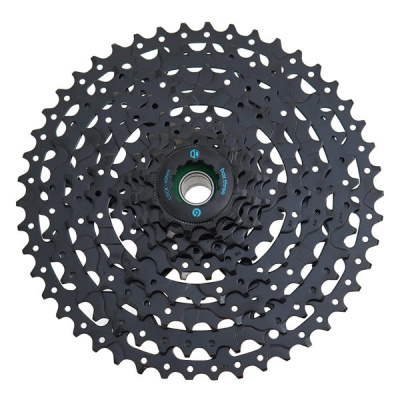
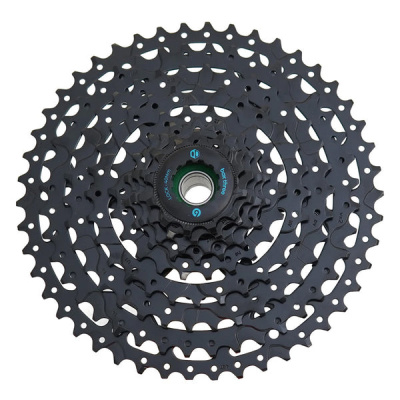
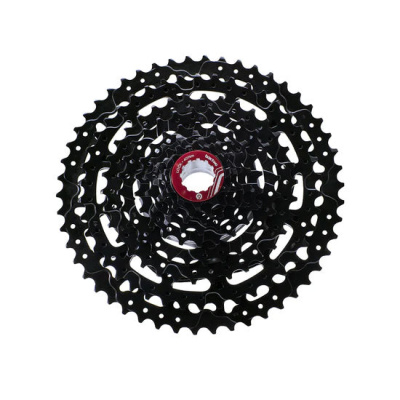
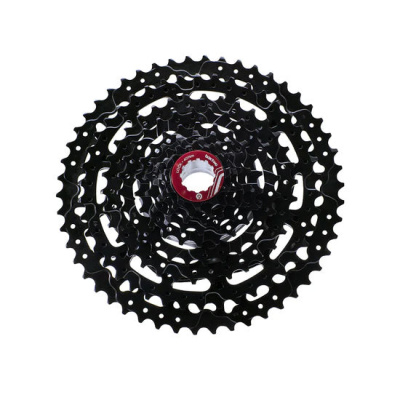
Box 9 Speed Cassettes do something that sounds almost too good to be true: they give you the climbing range of a modern 12-speed setup whilst keeping the thick, bomb-proof cogs of a 9-speed system. That's the core of Prime 9 technology - an 11-50T range packed into just nine gears, so you get the low gearing you need for a steep Welsh dragon without the fragility that comes with narrower drivetrains.
For UK riders, that trade-off matters more than it might look on a spec sheet. Winter grit turns a 12-speed cassette into grinding paste surprisingly fast, and tight cog spacing turns a muddy Peak District descent into a ghost-shifting lottery. Box sidesteps both problems. The wider gaps between cogs let mud clear rather than pack, and the stamped steel cogs handle the abuse of salt, grit, and clay that most UK winters throw at a drivetrain.
If you're running an e-MTB, this becomes even more relevant. Motor torque is hard on thin cogs, and Box Two and Box Three cassettes are explicitly e-bike rated to take that punishment. You're not buying extra gears here - you're buying durability and range in the same package, and for a lot of riders that's the smarter call.
Prices and availability can change quickly. Delivery charges are not always included in listed prices.
Final price, stock status and delivery terms are set by retailer. We may receive a commission on purchases made.
Fitting Box Prime 9: Freehubs, Pull Ratios, and What You Actually Need
The good news for anyone with an older wheelset: Box 9-speed cassettes mount directly onto a standard HG freehub compatible body. No Micro Spline driver, no SRAM XD shell - just the same splined interface that's been on Shimano hubs for decades. If your wheel already runs a 9, 10, or standard 11-speed Shimano cassette, it'll accept a Box Prime 9 without any hub conversion. That's a genuine advantage if you're upgrading an existing build rather than starting from scratch.
Here's where you do need to pay attention, though. The 11-50T range and the cable pull ratio Box uses are specific to the Prime 9 ecosystem. Drop in a Shimano or SRAM derailleur and the indexing won't line up properly - you'll be chasing barrel adjuster ghosts all afternoon in the car park. For everything to work as intended, you need a Box 9 Speed Rear Derailleur matched to the cassette, and the same goes for the shifter. It's a closed system by design, not a limitation - Box engineered the whole drivetrain together to hit specific gear steps across that wide range.
Don't forget the chain. Drivetrain durability across the full setup depends on running a 9-speed chain sized for the wider cog spacing. Pair it with a Box groupset if you're building new, or at minimum source a Box-compatible 9-speed chain to keep wear rates even across cogs and chain plates. Mixing chain widths with a wide-ratio cassette like this accelerates wear on the larger cogs faster than you'd expect.
Box One, Two, and Three: Picking the Right Tier
Box runs three cassette tiers under the Prime 9 banner, and the differences are meaningful rather than cosmetic. Box One sits at the top - machined from billet with an alloy carrier, it's noticeably lighter and aimed at cross-country and trail riders who want the wide wide-ratio gearing without carrying extra grams up every climb. It's the weight-conscious option, and it's a solid one, but it doesn't carry an e-bike rating.
Box Two and Box Three use pinned, stamped steel cogs throughout. They're heavier than Box One, no point pretending otherwise, but they're also officially rated for e-bike use and built to absorb the sustained high-torque loads that motor-assisted riding produces. Think of the steel cog construction as the mechanical equivalent of fitting heavier-duty brake pads - you're trading a small weight penalty for a meaningful durability gain. For enduro riding, e-MTB use, or anyone who spends serious time in Scottish or Welsh winter conditions, Box Two and Box Three are the pragmatic picks.
Box Three sits at the accessible end of the range. It's the one to consider if you're running a hardtail, converting an older bike to a wider gear range, or simply want e-bike rated drivetrain reliability without paying for Box Two's refinements. Box Two offers tighter manufacturing tolerances and slightly smoother shifts - worth it on a full-sus trail bike where consistent indexing under load makes a real difference. Neither is a budget compromise; both are purpose-built. Compared to equivalent tiers from Shimano 9 speed cassettes or SRAM 9 speed cassettes, the Box range offers that 11-50T spread that neither brand matches at 9-speed - it's the defining reason to consider Box over those alternatives.
Surviving UK Winter: Why Wider Spacing Matters Out Here
If you've ever tried to ride a 12-speed drivetrain through the kind of clay-thick mud you find on Surrey Hills bridleways in January, you'll know what happens: the cogs fill up, shifting becomes vague, and you spend the ride nursing the rear mech rather than actually riding. Narrower cog spacing gives mud nowhere to go. It just packs in and stays there.
Nine-speed spacing changes that equation. The wider gaps between cogs let mud clear with each chain revolution rather than accumulating, which keeps gear steps clean and predictable even when conditions are genuinely grim. It's not magic - you'll still need to rinse the drivetrain after a proper slog - but you won't be fighting ghost shifts mid-climb because the cassette's clogged solid.
Grit is the other factor. Winter road salt and abrasive mud create a grinding compound that wears narrow, hardened steel cogs surprisingly fast. Box's stamped steel cogs are thicker by design, and that extra material means there's simply more to wear through before shifting degrades. Riders who've gone through two or three 12-speed cassettes in a single winter often find that a 9-speed steel setup outlasts them significantly - the maths on cost-per-mile starts to look very different.
For installation, the cassette lockring torques to around 40Nm - use a proper torque wrench rather than guessing. Under-torqued lockrings work loose under load, particularly on e-bikes where drivetrain forces are higher. It's a two-minute job done right, and it prevents a longer roadside problem. Check the lockring again after the first proper ride; new cassettes occasionally settle slightly on the freehub splines.
It's also worth noting that if your riding is primarily road or smooth gravel rather than trail, some of these durability advantages matter less - the Microshift and Sunrace 9-speed options cover that ground at competitive prices. Box Prime 9 earns its place specifically where range, durability, and e-bike compatibility all need to land in the same cassette.
Box 9 Speed Cassettes FAQs
Are Box 9-speed cassettes compatible with Shimano HG freehubs?
Yes. Box Prime 9 cassettes fit directly onto standard Shimano HG splined freehub bodies - no Micro Spline or SRAM XD driver needed. That makes them a straightforward upgrade on most existing wheelsets without any hub modification.
Can I use a Shimano or SRAM derailleur with a Box 9-speed cassette?
Not reliably. Box Prime 9 uses its own cable pull ratio and derailleur geometry to index correctly across the 11-50T range. You'll need a Box Prime 9 rear derailleur and matching shifter for proper indexing - mixing in Shimano or SRAM derailleurs will result in poor shifting that no amount of barrel-adjuster fettling will fix.
Are Box 9-speed cassettes suitable for e-bikes?
Box Two and Box Three 9-speed cassettes are specifically e-bike rated, built with thicker stamped steel cogs that handle sustained motor torque far better than standard 11 or 12-speed systems. Box One is not e-bike rated and is better suited to non-assisted trail and XC riding.