
Bontrager Road Wheels
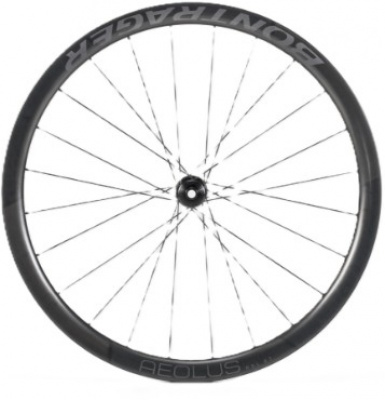
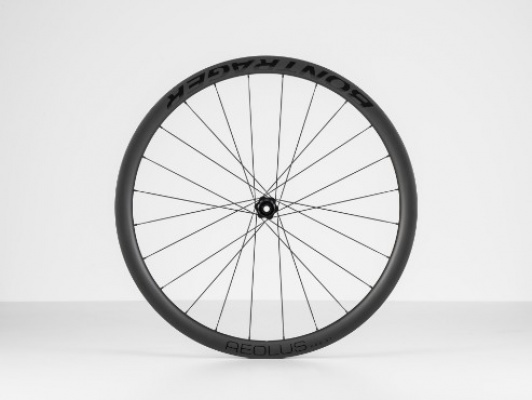
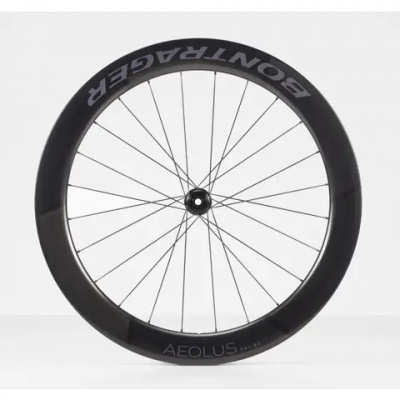
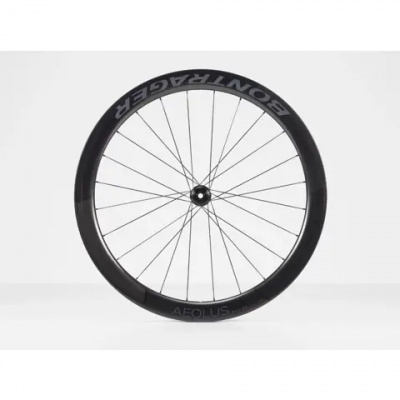
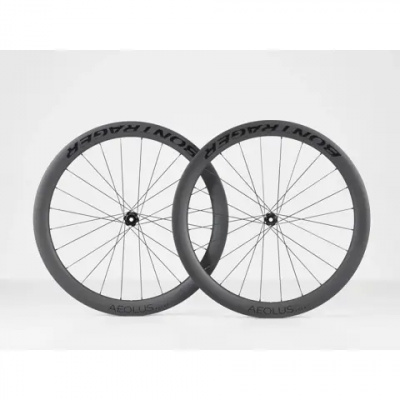
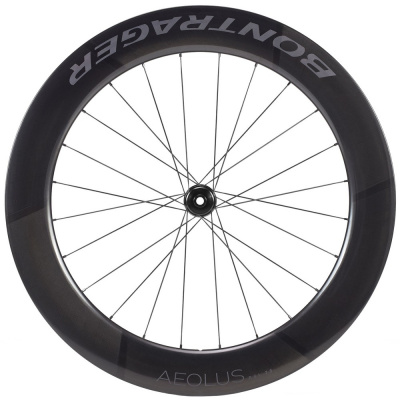
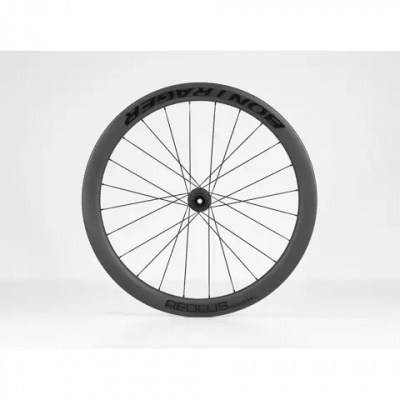
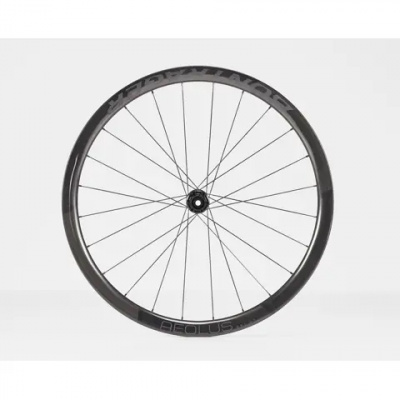
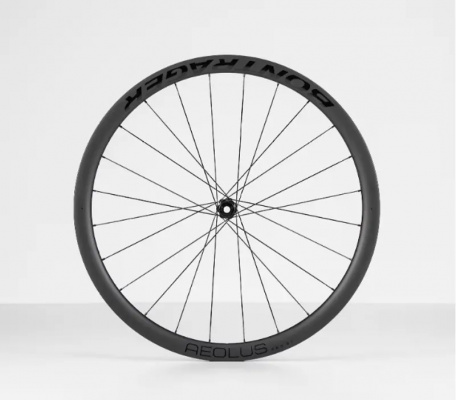
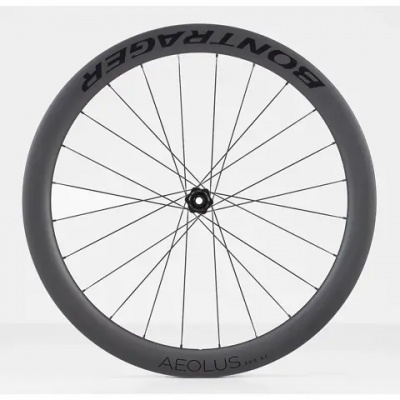
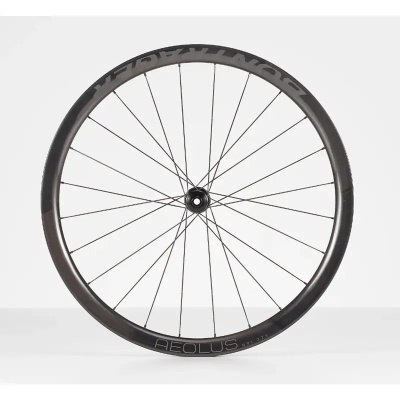
Bontrager road wheels sit at the sharper end of what Trek's engineering budget can produce, and that shows in the detail. Built around their proprietary OCLV Carbon (Optimum Compaction Low Void) construction, the Aeolus range gives you a high strength-to-weight ratio without the nervous, fragile feel that puts some riders off carbon. The D3 aero rim profile does real work on exposed lanes where crosswinds punish anything less considered, and the Rapid Drive 108 hub means you're driving the bike the moment you push down - no slack, no lag.
The TLR (Tubeless Ready) system is standard across the modern lineup, which matters more than ever on UK roads. Run sealant, drop your pressure a touch, and you're absorbing what the tarmac throws at you rather than fighting it. Pair that with the Carbon Care Wheel Loyalty Programme - free repair or replacement within two years of purchase if you damage them riding - and you've got a serious safety net for anyone committing to carbon for the first time.
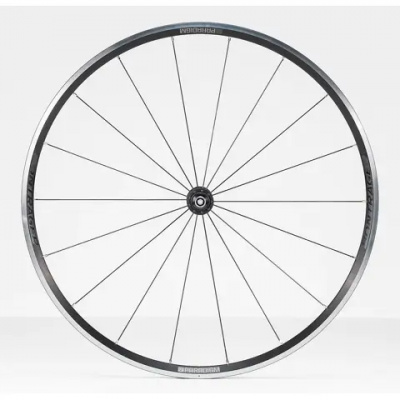
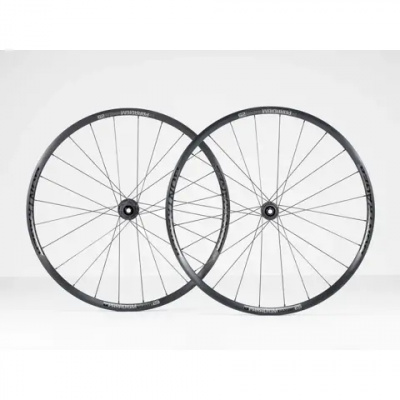
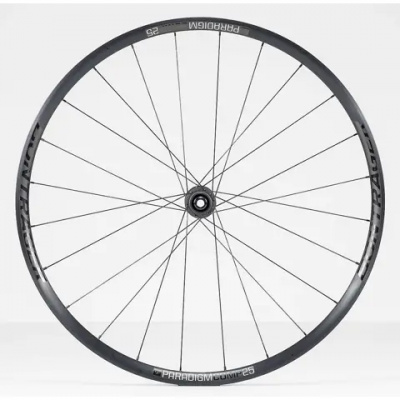
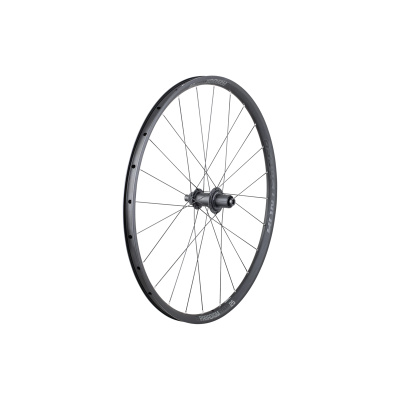
Bontrager also covers riders who aren't ready to go deep on carbon. The Paradigm alloy line handles winter miles and daily use without drama. Whatever level you're riding at, there's a wheelset here worth looking at.
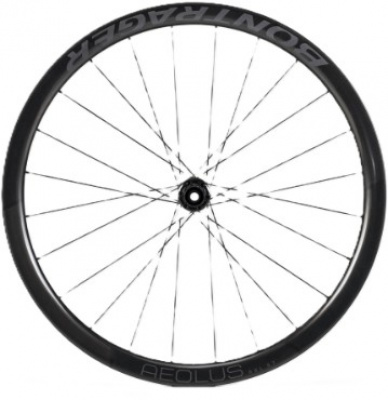
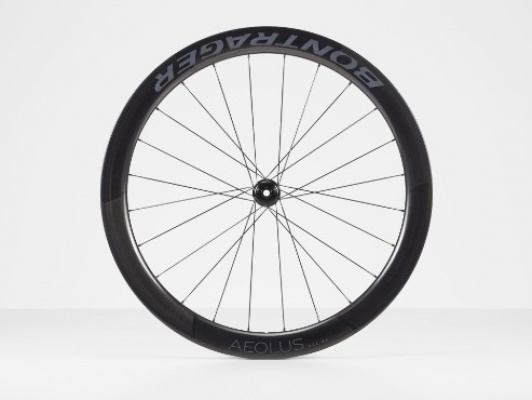
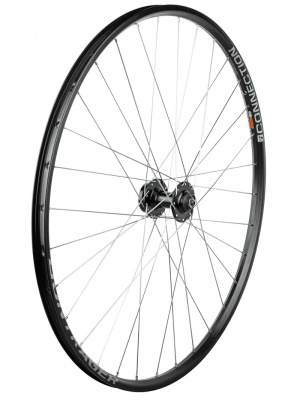
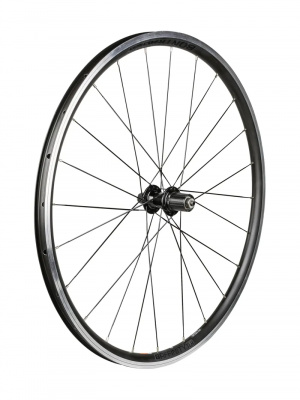
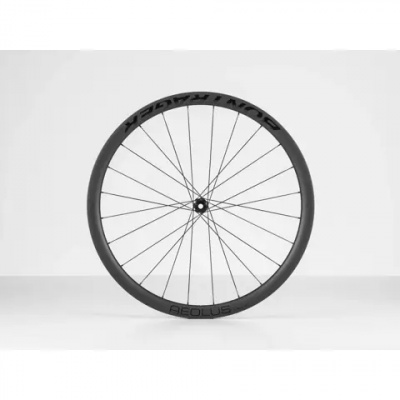
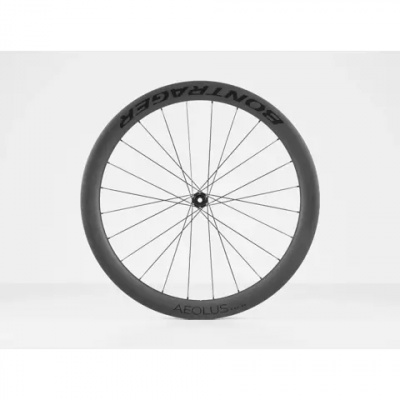
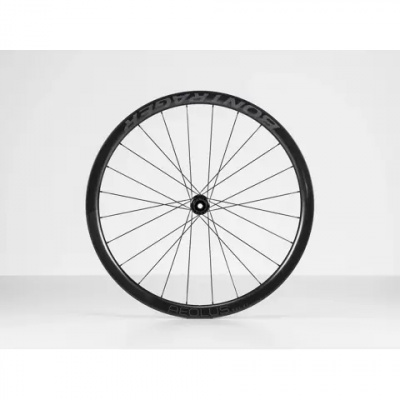
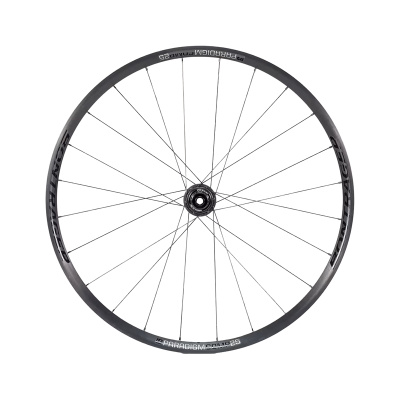
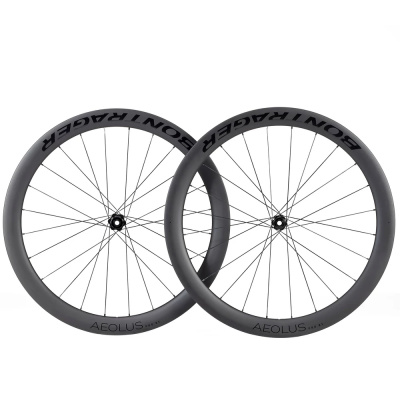
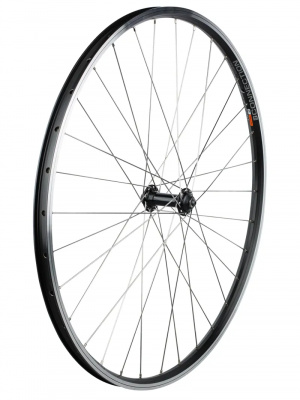
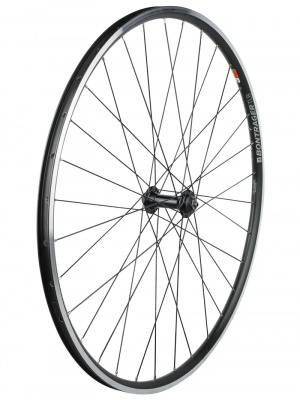
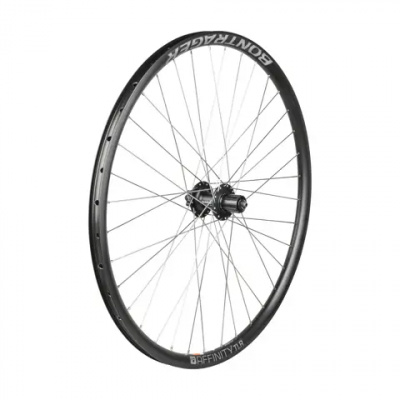
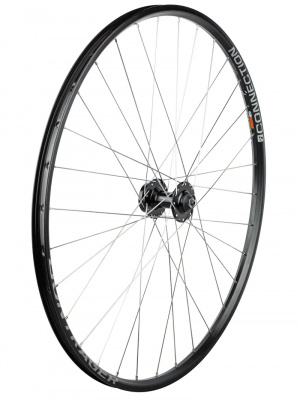
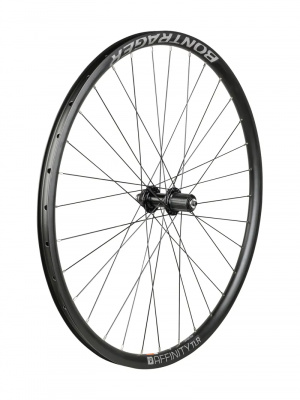
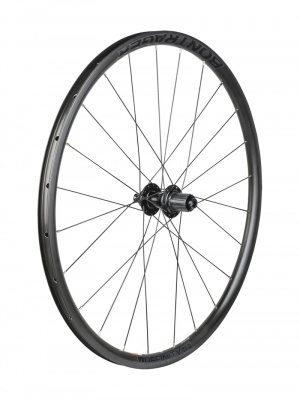
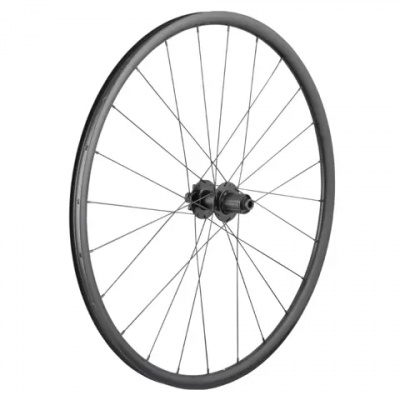
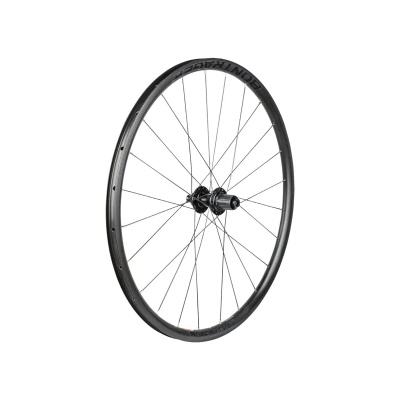
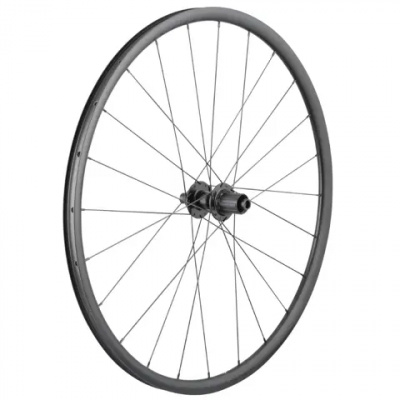
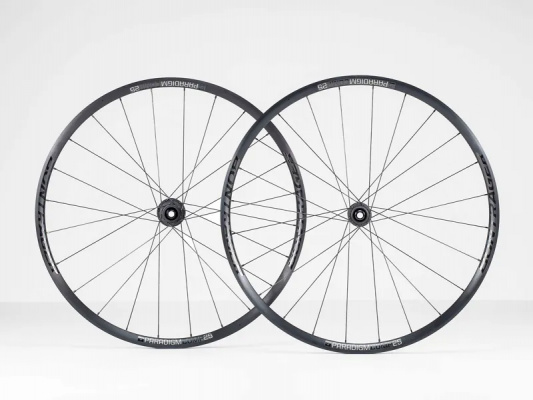
Prices and availability can change quickly. Delivery charges are not always included in listed prices.
Final price, stock status and delivery terms are set by retailer. We may receive a commission on purchases made.
Will They Fit Your Bike? Axle Standards and Freehub Compatibility
Most current Bontrager road wheels are built around 12mm thru-axle standards - 12x100mm at the front, 12x142mm at the rear - which is what the majority of disc brake road bikes have used for the past several years. If your frame is older and still running quick-release, check carefully before you buy; thru-axle and QR hubs aren't interchangeable, and adapters are rarely a tidy solution.
On the disc side, Bontrager predominantly uses Centerlock rotor mounts rather than 6-bolt. Centerlock is cleaner to service and increasingly common, but you'll need either Centerlock-compatible rotors or an adapter ring if your rotors are 6-bolt. Worth sorting before the wheel arrives. For freehub compatibility, the Aeolus range is available with either Shimano HG bodies (covering 11 and 12-speed) or SRAM XDR for SRAM's 12-speed Eagle and AXS road groups. Get that right at the point of purchase - swapping freehub bodies later is doable but adds cost and faff.
If you're looking at individual components beyond the wheelset itself, we'd point you to our Bontrager tubeless valves and Bontrager rim tape pages for setup essentials. Rim brake versions do still appear in the Bontrager catalogue - particularly in the Paradigm alloy range - so if your bike hasn't made the disc jump yet, don't assume you're out of options.
The Bontrager Range: RSL, Pro, Elite, and Paradigm Explained
The Aeolus family runs from the race-ready RSL at the top, through the Pro and Elite tiers, down to the Paradigm alloy wheels that do the unglamorous miles without complaint. Understanding where each sits saves you spending more than you need to - or less than you should.
Aeolus RSL is where Trek's best material knowledge ends up. The OCLV Carbon layup here is the lightest and most refined in the range, paired with DT Swiss 240 hub internals. The 240 is a benchmark hub - low weight, excellent bearing quality, and the star ratchet mechanism is straightforward to service at home. RSL wheels are for riders who want the fastest version of everything and won't compromise on weight or hub precision. If you're comparing at this level, ENVE road wheels and DT Swiss road wheels occupy the same bracket.
Aeolus Pro uses the identical D3 rim shape as the RSL - same aerodynamic profile, same crosswind stability - but the carbon layup is a fraction heavier and the hubs step down to DT Swiss 350 internals. The 350 is still a quality hub, just not as light. For most riders doing sportives, fast club runs, or the odd crit, the Pro is the more sensible buy. You get the aero gains without paying the RSL premium.
Aeolus Elite uses a heavier carbon construction again and in-house Bontrager hubs rather than DT Swiss. It's the entry point into the carbon Aeolus range, and for riders stepping up from alloy for the first time it's a meaningful upgrade in feel and weight.
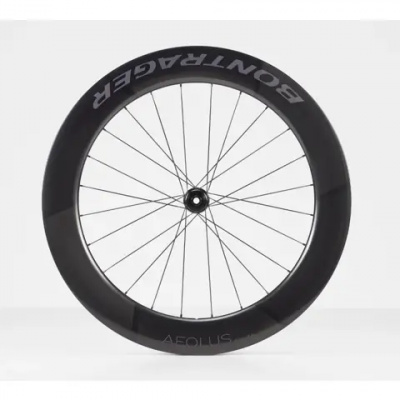
On rim depth, the numbers - 37, 51, 62 - refer to the depth of the rim in millimetres. Deeper rims are more aerodynamic at speed but catch crosswinds more noticeably and weigh more. The 37mm works well for climbing-heavy routes or gusty days on exposed roads. The 51mm is a dependable all-rounder. The 62mm is for flat, fast riding where you can hold speed and aren't worried about being pushed around. Most UK riders doing mixed routes find themselves drawn to the 51.
Paradigm is Bontrager's alloy line. Premium alloy construction, serviceable hubs, and the kind of robustness that makes them ideal for autumn and winter training when you'd rather not be worrying about your carbon. They're also worth considering if you're building a second wheelset for poor conditions. Mavic road wheels and Fulcrum road wheels are natural comparisons at this level.
Keeping Bontrager Wheels Running Well on UK Roads
British roads aren't kind to wheels. Potholes, grit, standing water, and the general chaos of a November ride in the Peak District put real stress on rims and hubs. The OCLV Carbon layup is built to handle impacts better than standard carbon constructions, but no rim is indestructible - and that's exactly why the Carbon Care Wheel Loyalty Programme matters. If you damage your carbon Bontrager wheels while riding within the first two years, you get a free repair or replacement. That's a genuine differentiator, not marketing padding.
On tubeless setup, all current Bontrager road wheels are TLR (Tubeless Ready), but they don't come pre-taped from the box. You'll need to fit TLR-specific rim strips or quality rim tape, add tubeless valves, and run sealant. Do it properly once and it's low maintenance thereafter. Running 25-28mm tyres at slightly reduced pressure makes a noticeable difference on rough surfaces - less buzz, better grip, fewer pinch flat worries. The Bontrager road tyres range includes TLR-compatible options designed to seat cleanly on these rims. Keep a few Bontrager inner tubes in your kit bag as a tubeless backup - you'll thank yourself on a long ride miles from anywhere.
The Rapid Drive 108 hub gives you 3.3 degrees of engagement, which translates to near-instant power transfer when you accelerate out of a corner or over a short rise. The hub is also designed to be serviceable, which matters if you're riding through winter regularly. After a sustained run of wet, gritty roads, the star ratchet mechanism and pawls benefit from a clean and re-grease. It takes twenty minutes with the right tools and keeps the engagement crisp. Neglect it and you'll feel the difference in the hub's response - and hear it too. DT Swiss 240 and 350 internals in the RSL and Pro follow the same servicing logic and are well supported by independent mechanics across the UK.
Bontrager Road Wheels FAQs
Are Bontrager road wheels tubeless ready?
All modern Bontrager road wheels use their TLR (Tubeless Ready) design, so yes - but you'll need to finish the setup yourself. That means fitting Bontrager TLR rim strips or suitable rim tape, adding tubeless valves, and running sealant. The rims are set up for it; the consumables just don't come in the box.
What is the difference between Bontrager Aeolus Pro and RSL?
Both use the same D3 aero rim shape, so aerodynamically they're identical. The RSL gets Trek's lightest, highest-grade OCLV Carbon layup and DT Swiss 240 hub internals. The Pro steps down to a slightly heavier carbon construction and DT Swiss 350 hubs. Same speed, a bit more weight, noticeably lower cost.
Do Bontrager wheels come with a lifetime warranty?
Bontrager carbon wheels carry a lifetime warranty against manufacturing defects for the original owner. On top of that, the Carbon Care Wheel Loyalty Programme covers free repair or replacement if you damage the wheels while riding within the first two years of purchase - which is a meaningful safety net for carbon wheel ownership.