
Bontrager Road Shoes
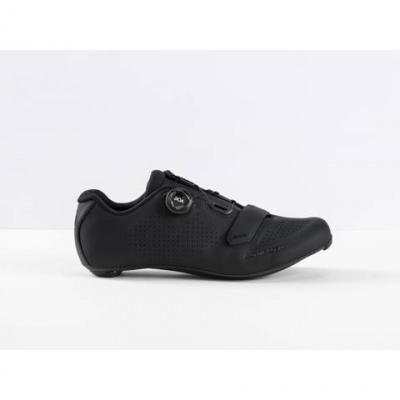
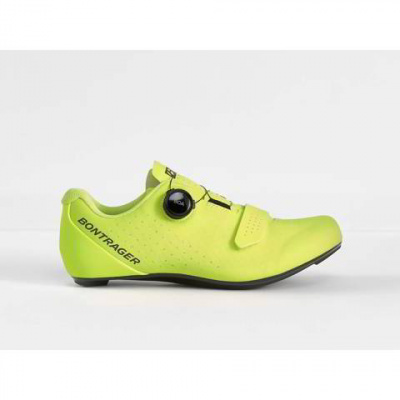
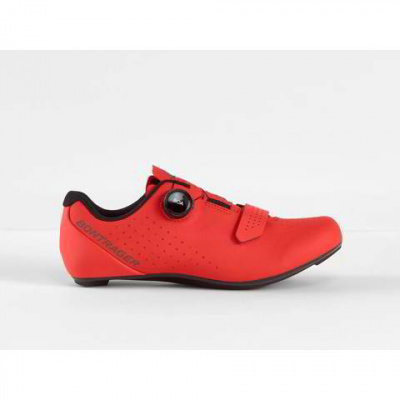
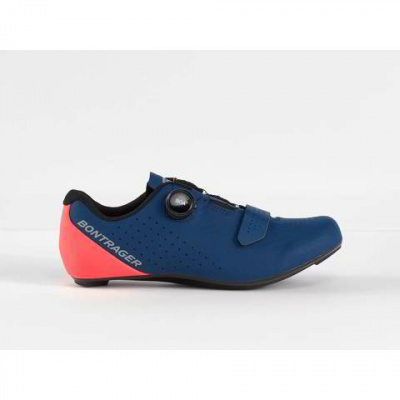
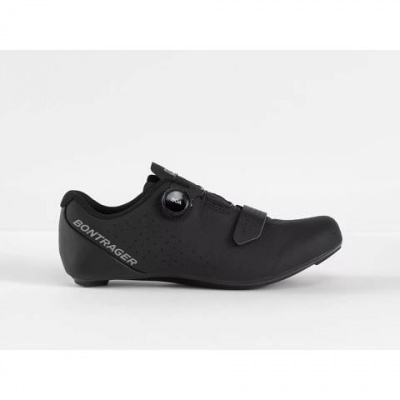
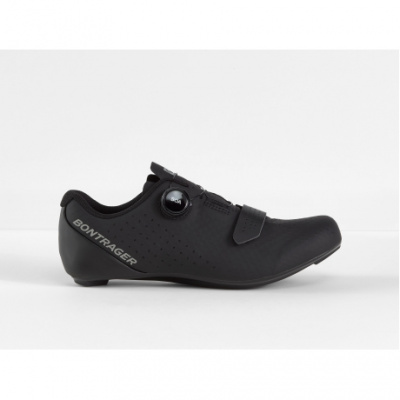
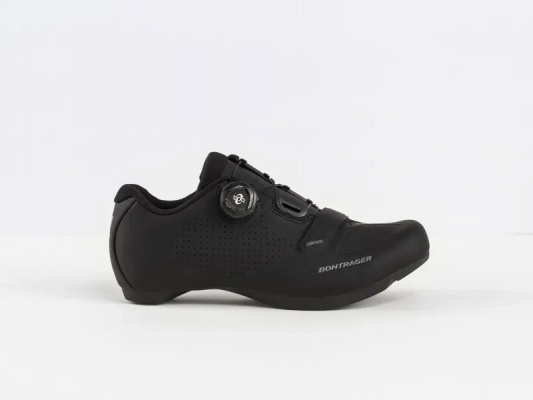
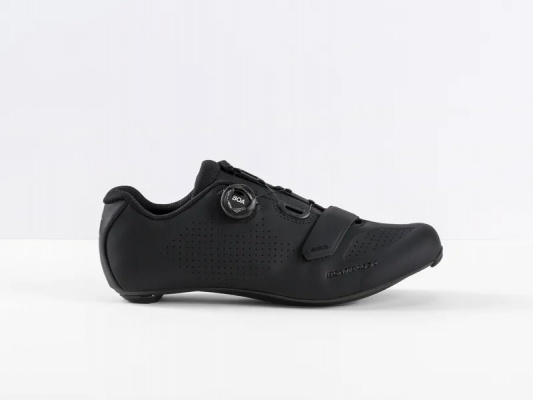
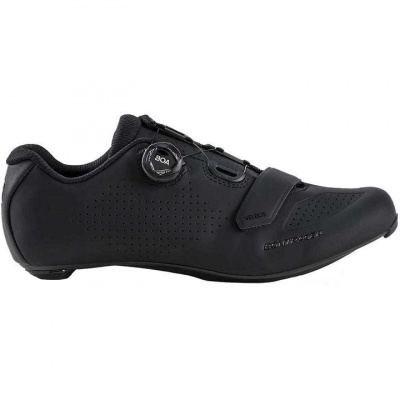
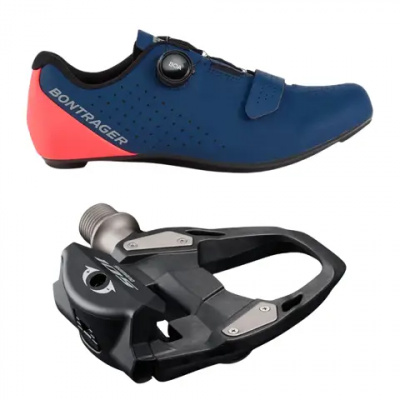
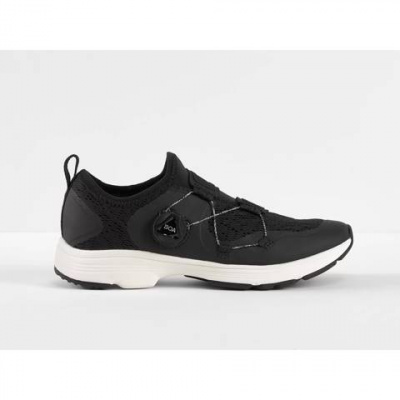
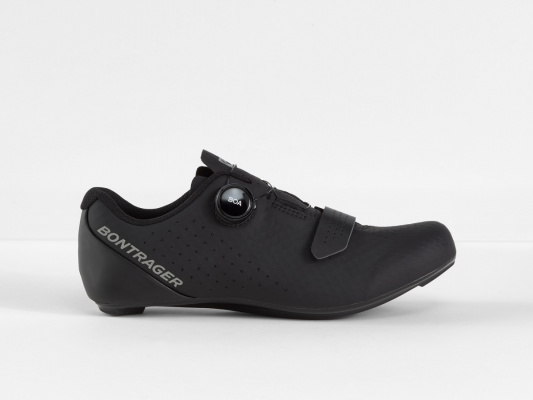
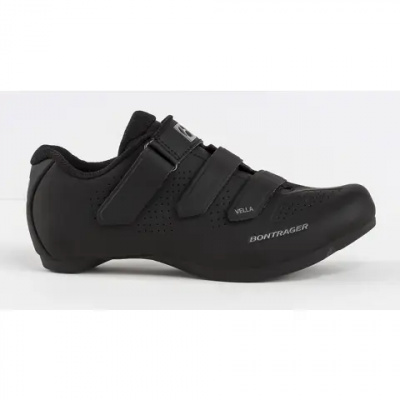
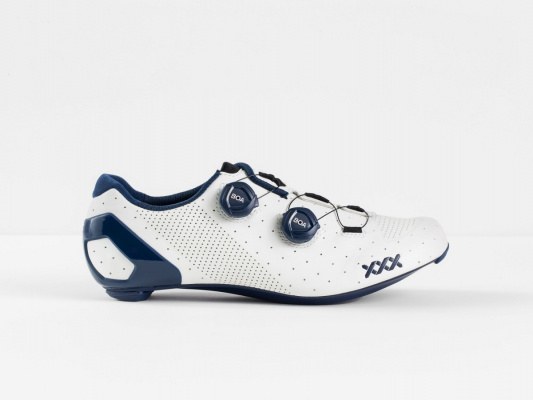
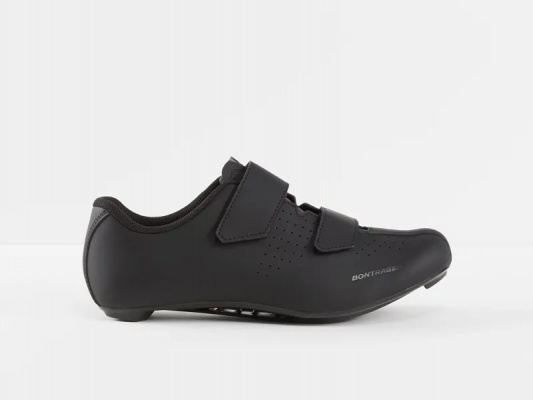
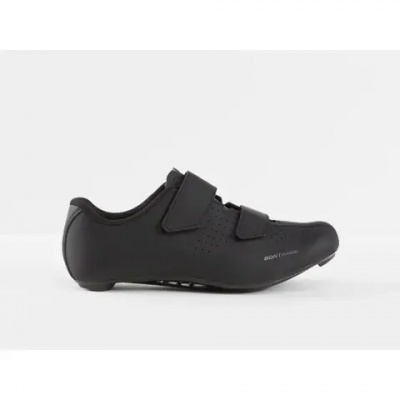
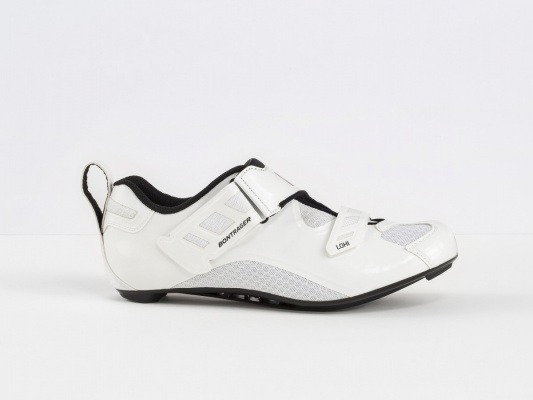
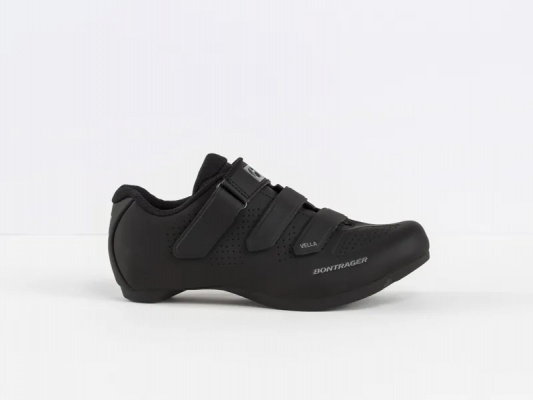
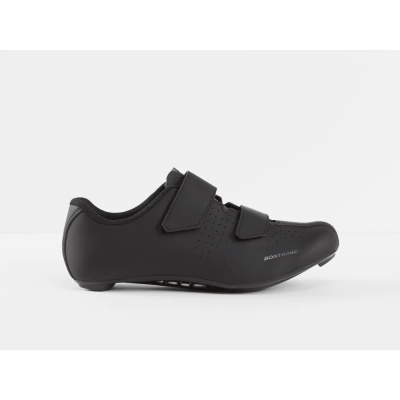
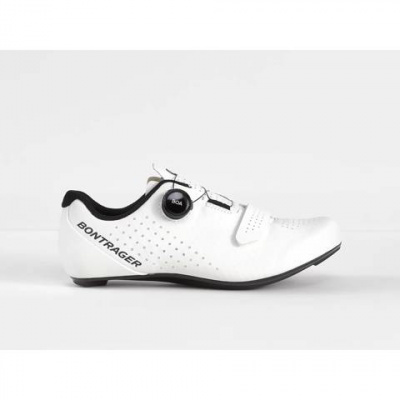
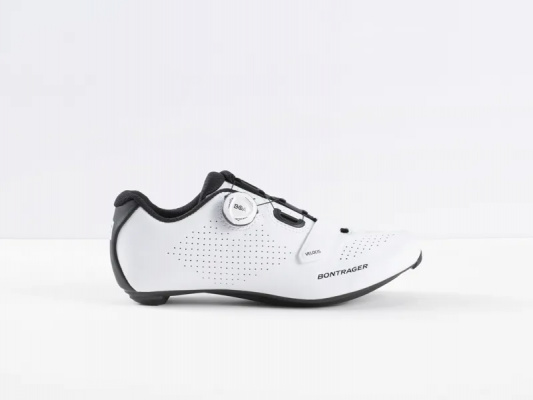
Bontrager road shoes sit at an interesting crossroads: race-sharp enough for criterium efforts, yet considered enough in their fit architecture to handle long sportive days without your feet staging a protest. Built around the biomechanically optimised inForm Pro last, the range offers a slightly roomier toe box than many European competitors - a detail that matters more than you'd think when you're 80 miles into a wet Welsh loop. At the performance end, OCLV carbon soles keep weight low while pushing stiffness index ratings up to 14, meaning every watt you put down goes where it should. Step down the range and you'll find nylon composite soles with stiffness ratings from 7 upward, blending some flex into longer days without sacrificing control. BOA Li2 and IP1 dials let you dial in tension mid-ride - no fumbling with velcro on a cold descent. Bontrager also offers dedicated Wide fit models, which is genuinely useful if merino socks are a winter staple for you. Whether you're chasing KOMs or just want a shoe that handles a British summer's mood swings, the Bontrager cycling shoes range has a clear option at each level.
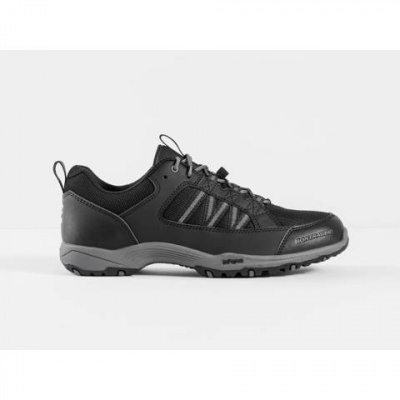
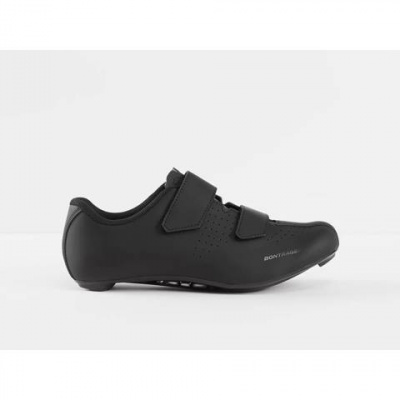
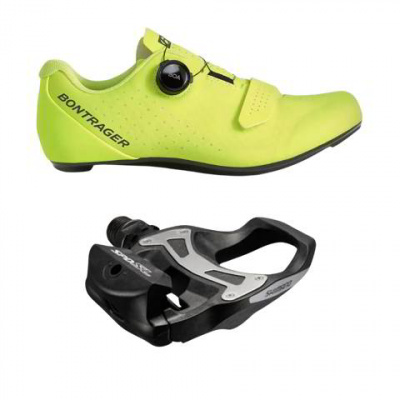
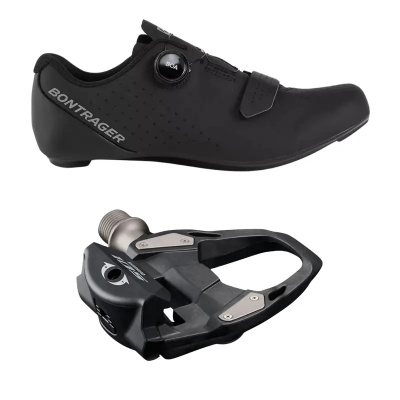
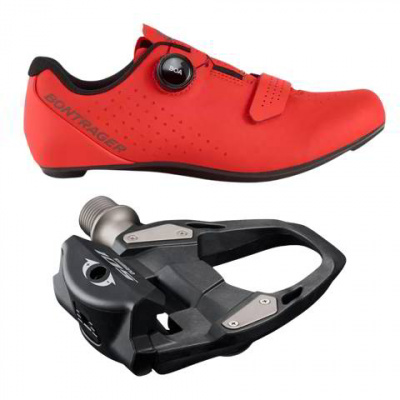
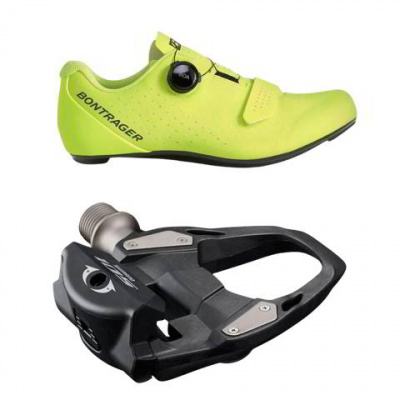
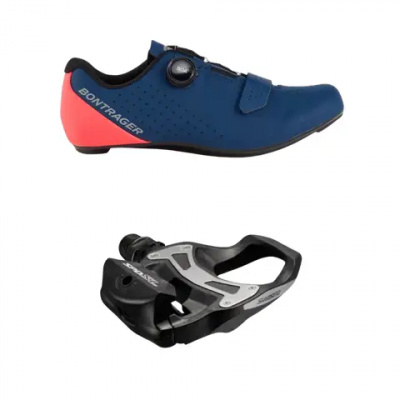
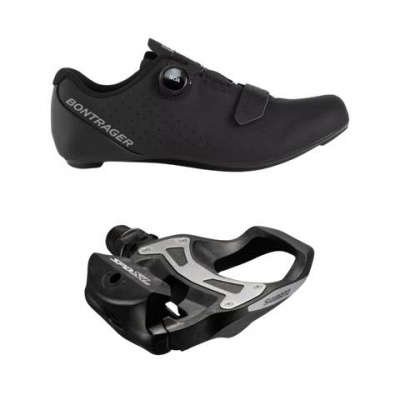
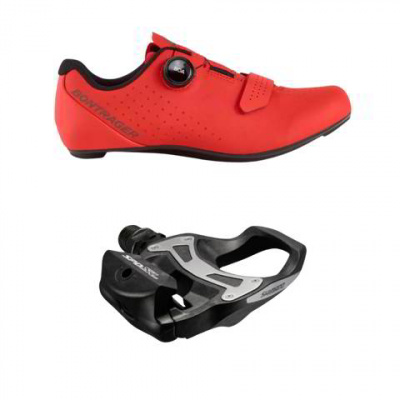
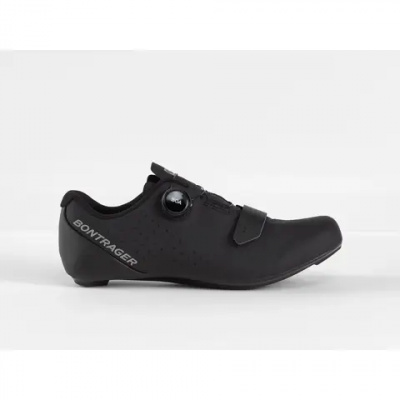
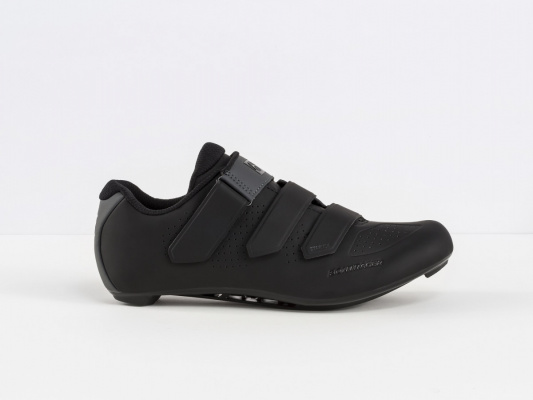
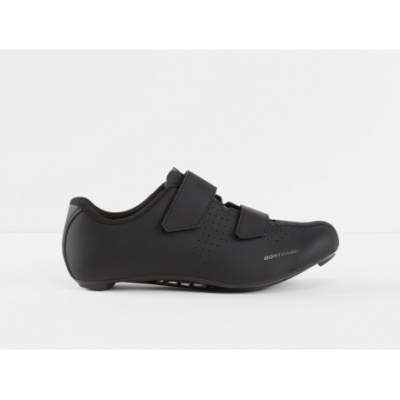
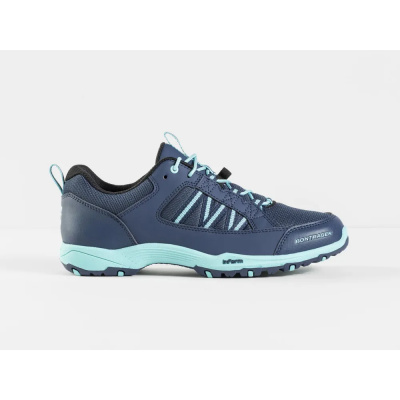
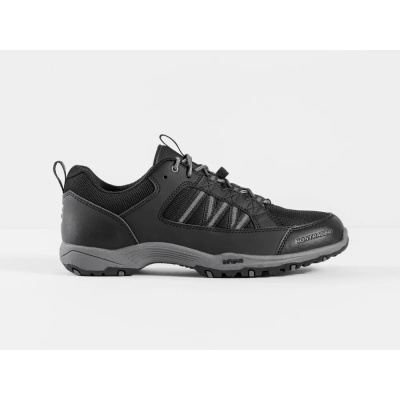
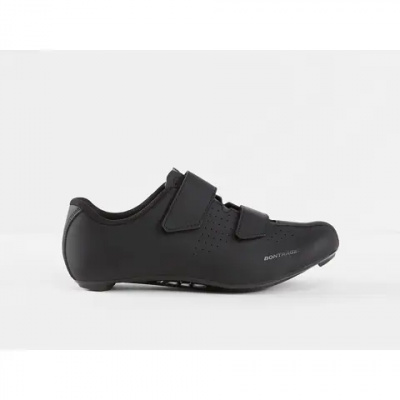
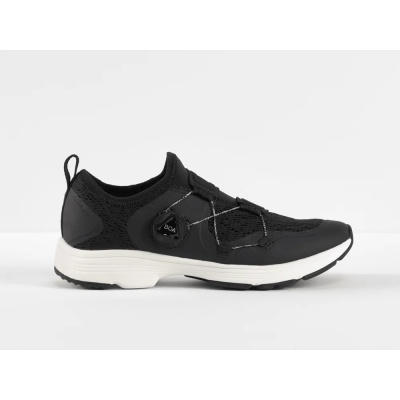
Prices and availability can change quickly. Delivery charges are not always included in listed prices.
Final price, stock status and delivery terms are set by retailer. We may receive a commission on purchases made.
Sole Technology and Power Transfer
Bontrager's stiffness index is a straightforward 1-to-14 scale that tells you exactly how much the sole flexes under load. At the top sits the OCLV carbon sole, rated 14 - the same One-Count Love Carbon layup technology Trek uses in its high-end frame construction, applied here to keep the sole plate as stiff and light as possible. The result is a sole that transfers pedal input directly without absorbing energy through flex. For riders targeting race days, time trials, or hard club runs, that number matters.
Drop into the mid-range and you'll find stiffness index ratings between 7 and 10, typically using nylon composite constructions. These aren't a consolation prize - a rating of 8 or 9 gives you meaningful rigidity for steady-paced road riding while allowing just enough give to take the edge off a four-hour saddle session. Think of it as the difference between sprinting on a track and riding a hilly century: the tool should match the job. For endurance-focused riders logging big miles on UK sportives, a mid-range sole often makes more practical sense than chasing the maximum stiffness index. The stiffness-to-weight ratio on the OCLV models is genuinely competitive with the best from Shimano road shoes at equivalent price points, and that's not a throwaway comparison.
One practical note: the 3-bolt cleat plate area is well-reinforced across the range, so 3-bolt cleat alignment adjustments won't stress the sole structure even after repeated repositioning. More on cleat setup in the section below.
Fit Architecture and Range Structure
The inForm Pro last is Bontrager's proprietary foot shape template, and it's worth understanding what that means in practice. Compared to many Italian-heritage road shoe lasts - which tend to run narrow through the toe box and assume a tapered forefoot - the inForm Pro offers a more anatomical fit with slightly more volume across the top of the foot. If you've ever spent a long ride fighting hot spots across your metatarsals in a more aggressive European fit, this is the design response to that problem.
Heel cup retention is firm without being punishing, holding the foot securely during hard efforts while avoiding the pressure that builds up on multi-hour rides. The synthetic upper across most models is cut close to the foot, so you're not swimming around inside the shoe, but there's enough structure to avoid the clamped feeling that some race-focused shoes create.
BOA Li2 dials - fitted to the higher-spec models - are the current benchmark for micro-adjustable closure. You can add or release tension in tiny increments while riding, which is genuinely useful on a long descent when your feet swell slightly or when you've started a ride in cold conditions and warmed up. The IP1 dial, found on entry-level models, is a simpler single-dial system that still outperforms velcro for on-the-fly adjustability. If you're deciding between the two, the Li2 dual-dial setup offers more zonal control - useful if one part of your foot needs more or less tension than another. BOA Li2 dials are also covered by BOA's lifetime guarantee, so a damaged dial isn't a write-off.
Bontrager offers specific Wide fit variants across several models, sized to give extra volume through the toe box rather than just scaling up the overall shoe. If you're between fits or typically wear thicker socks in autumn and winter, check the Wide option before going up a full size - it's usually the better call. For cleat positioning and aftermarket footbed options, our Bontrager cleats page covers setup in detail, and for insole upgrades, the dedicated footbeds and insoles category will point you in the right direction rather than us trying to cover it all here.
If the Bontrager fit architecture doesn't suit your foot shape, it's worth comparing against Giro road shoes, which use a different last and suit riders who prefer a lower-volume fit, or Fizik road shoes, which lean toward a narrower, performance-oriented shape.
Handling UK Conditions and Keeping Your Shoes in Shape
Bontrager's perforated synthetic uppers are designed to move air across the forefoot during summer riding - and they do that job well enough on a dry climb. The perforation pattern targets the metatarsal zone where heat builds fastest, and synthetic materials dry faster than leather after an unexpected shower. That's relevant when a British summer can deliver three seasons in one ride.
In winter, those same perforations mean the shoe needs help. A well-fitted overshoe is non-negotiable from October onward - head to our Bontrager road tyres and accessories category to find compatible options. One thing to check before buying overshoes: the BOA dial position on your specific model. Some overshoes have cutouts designed for dials, but not all align perfectly with every shoe, so it's worth confirming fit before committing. Make sure the overshoe doesn't press the dial into the top of your foot - it's an easy fix if you catch it early, an annoying distraction if you don't.
After gritty, wet rides - and if you ride in the UK, that's most of autumn and winter - synthetic uppers benefit from a wipe-down with a damp cloth before the mud dries hard. Dried grit works into the perforations and can stiffen the upper over time. A soft brush and mild soap keeps the material supple; avoid harsh degreasers that strip the coating. White uppers will show road film quickly, but a regular clean takes five minutes and makes a meaningful difference to how long the shoe holds its shape. Pair the shoes with the right Bontrager saddle for a contact-point setup that's consistent across long days.
Bontrager Road Shoes FAQs
Are Bontrager road shoes true to size?
Generally yes - Bontrager road shoes run true to size, but the inForm Pro last gives a slightly roomier toe box than traditional European fits, so they may feel more generous than you're used to. If you plan to ride through winter in thicker merino socks, go straight to the Wide fit models rather than sizing up, as they add volume in the right places.
What does the Bontrager stiffness index mean?
It's a 1-to-14 scale measuring how much the sole flexes under pedalling load. A rating of 14 - found on OCLV Carbon models - delivers maximum power transfer for racing and hard efforts. Ratings between 7 and 10 blend stiffness with a touch of compliance, which suits endurance riders and those spending long days in the saddle.
Do Bontrager road shoes take 3-bolt or 2-bolt cleats?
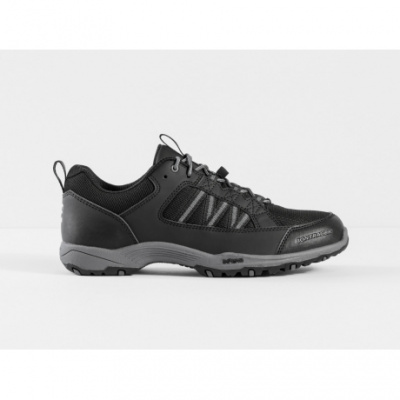
Most Bontrager road shoes are built for 3-bolt road cleat systems - SPD-SL and Look Keo are both compatible. Two-bolt SPD cleats won't fit without an adapter plate. If you need SPD compatibility for commuting or mixed-surface use, Bontrager's MTB and gravel shoe range is the better starting point.