
Bontrager Pedals
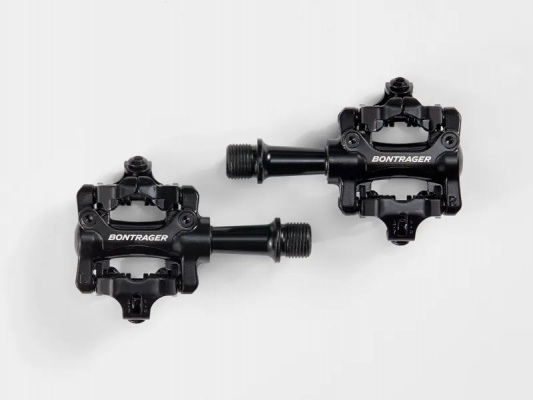
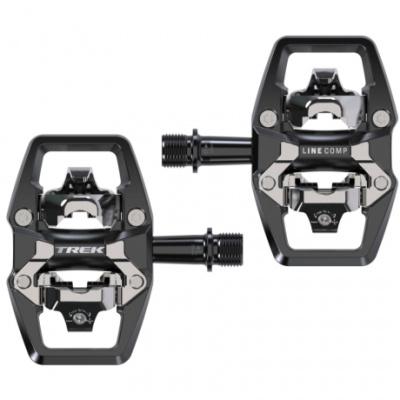
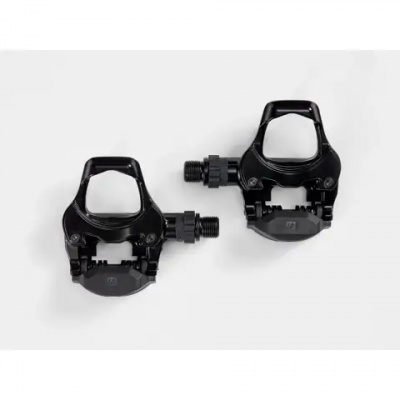
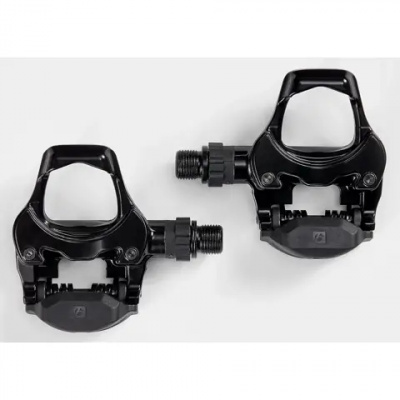
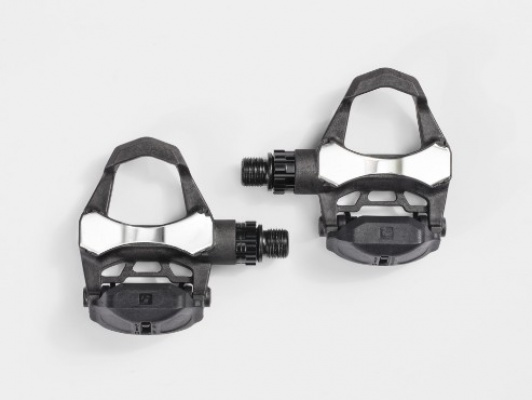
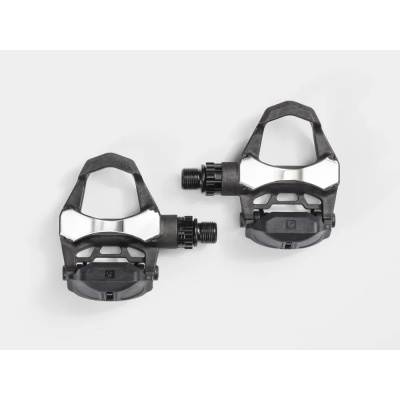
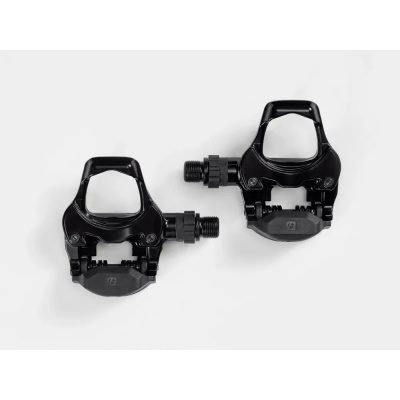
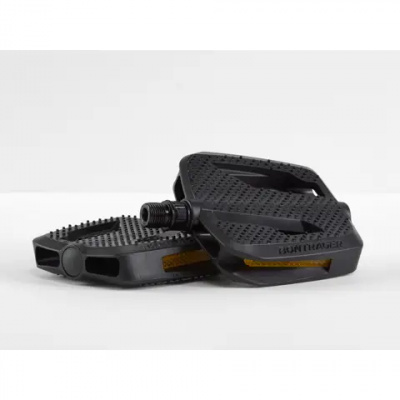
Bontrager pedals cover a lot of ground - flat platforms for trail riders who want grip and feel, SPD-compatible clipless for mountain and commuter use, and Look Keo-compatible options for road cyclists chasing efficient power transfer. Whatever your discipline, the range is built around dual-sealed cartridge bearings and chromoly spindles, which matters more than it sounds when you're pushing through a Scottish winter or scrubbing mud off after a Peak District loop.
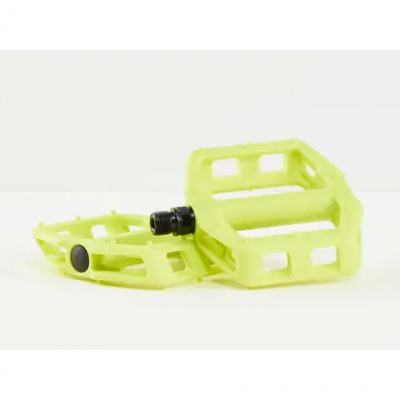
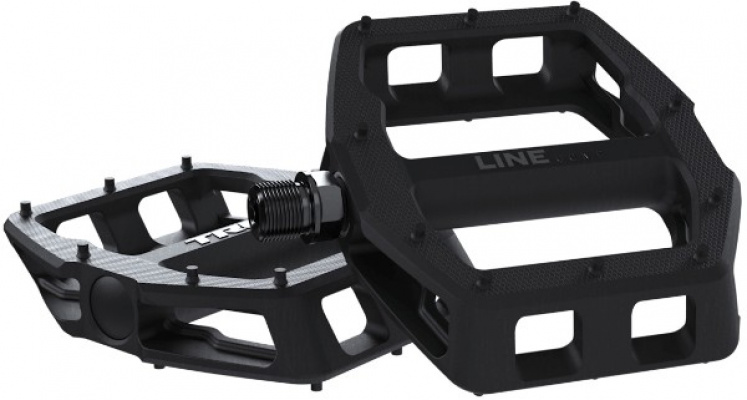
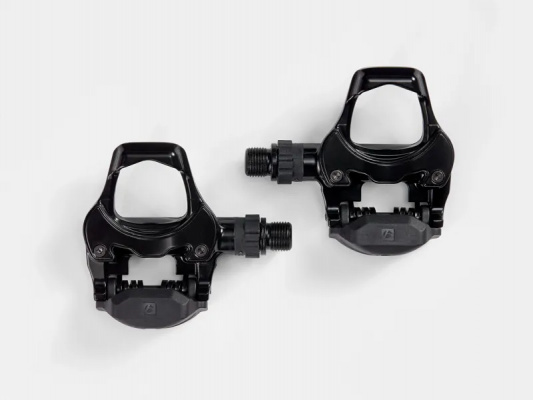
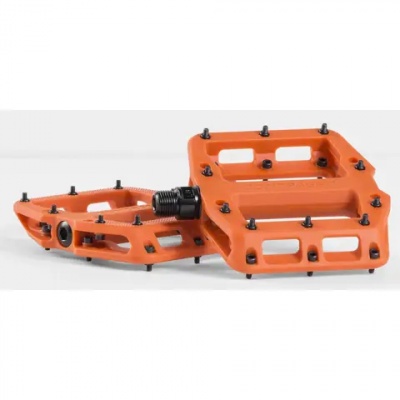
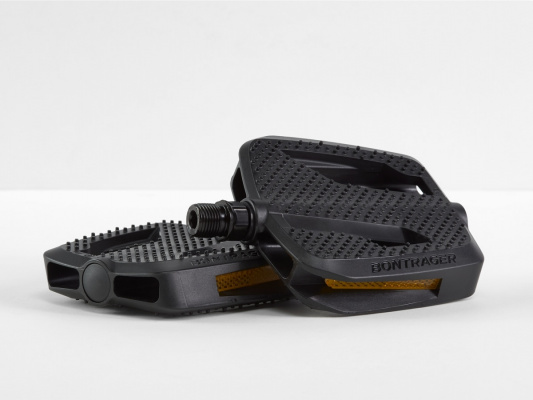
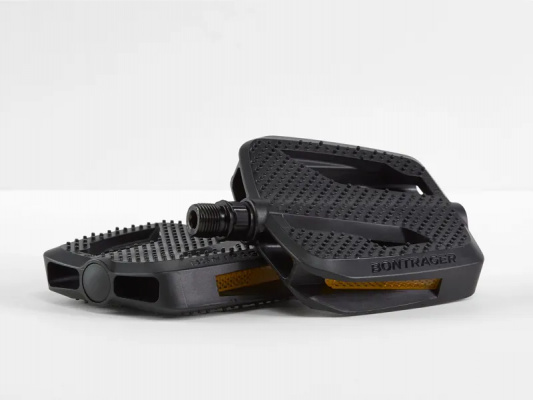
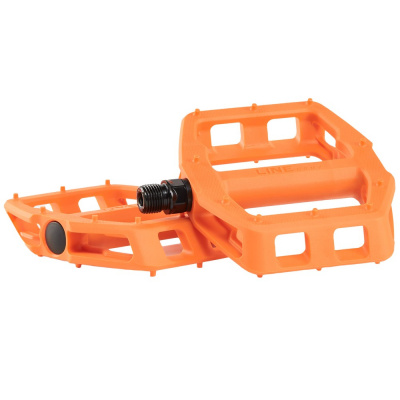
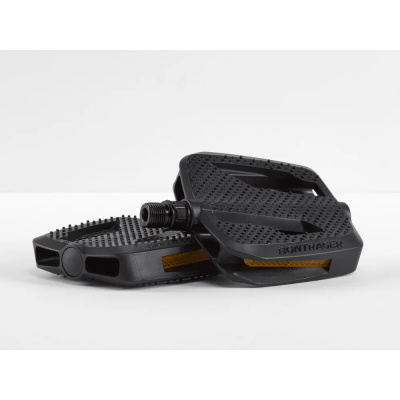
The Line series flat pedals use a concave platform design that locks your foot in position without fuss - useful when the ground's wet and your shoes are already caked. Clipless options span entry-level Comp pedals through to lighter Elite versions with more refined tension adjustment. Both road and MTB clipless pedals run standard interfaces: 3-bolt Look Keo for road, 2-bolt SPD for off-road and commuting. All adult cranks use the same 9/16 inch thread, so fitment is straightforward regardless of your bike. Use the filters above to narrow by interface, body material, or axle spec - and if you're not sure which tier suits your riding, the breakdown below will sort it.
Prices and availability can change quickly. Delivery charges are not always included in listed prices.
Final price, stock status and delivery terms are set by retailer. We may receive a commission on purchases made.
Thread Standards and Cleat Interfaces
Every Bontrager pedal for adult cranks runs a standard 9/16 inch thread - the same spec you'll find across virtually all adult bikes, so there's no compatibility headache at installation. Remember to grease the spindle threads before fitting; it takes thirty seconds and stops the pedal seizing into an aluminium crank arm over a wet winter, which is a proper pain to extract come spring.
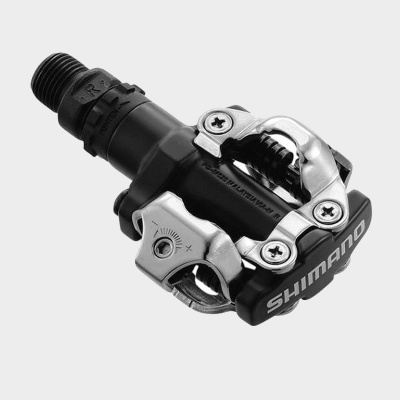
Cleat interface splits cleanly by discipline. Bontrager's MTB and commuter clipless pedals use the Shimano SPD 2-bolt standard - widely available, walkable, and the default choice for trail shoes and commuter footwear alike. Their road-specific clipless pedals are built around the Look Keo 3-bolt standard, which gives a wider platform and suits stiffer-soled road shoes. The two systems aren't interchangeable, so check your shoes before you order. Need replacement cleats for your new pedals? Make sure you match the exact 2-bolt or 3-bolt standard by visiting our dedicated Bontrager Cleats page.
How the Range Breaks Down
Bontrager's pedal lineup is tiered clearly enough that picking your level isn't a guessing game. The flat pedal range is anchored by the Line Pro and Line Elite - and the difference between them is more than cosmetic.
The Line Pro uses a 6061-T6 aluminium body with a concave platform design that cups the sole of your shoe and keeps your foot centred under load. It's noticeably stiffer underfoot than a flat nylon platform, and the weight saving over the Elite is real. If you're riding technical singletrack - loose-over-hard, rooty Welsh trail centre stuff - that stiffness translates directly into more predictable grip. The Line Elite uses Bontrager's own nylon composite blend, engineered for impact resistance rather than weight. It flexes fractionally more, but it's tougher in a rock-strike situation and considerably easier on the wallet. For riders who aren't racing and want something that'll absorb abuse without cracking, it's the sensible pick.
Both flat models feature the same concave platform geometry and use replaceable steel traction pins - more on that below. The pin layout is aggressive enough that you'll feel the grip through a shoe, but not so sharp that repositioning your foot mid-climb becomes a wrestling match.
On the clipless side, the Comp pedals are heavier and built primarily for durability - good for commuters and riders who want something that'll take years of neglect without complaint. Step up to the Elite clipless and you get lighter materials, a more refined adjustable release tension mechanism, and slightly better bearing spec. The weight difference won't transform a ride, but the tension adjustment on the Elite is more precise, which matters if you clip out frequently on technical descents or have knee issues that require a specific release angle. The Q-factor - the lateral distance between your feet - stays consistent across the range, so switching tiers won't change your stance width.
If you're weighing Bontrager's flat pedals against alternatives, DMR pedals offer similarly durable platforms at a comparable price point, while Burgtec pedals are worth a look if you want a wider axle option or a more aggressive pin pattern. For road clipless, Look pedals are the obvious Keo-compatible comparison - particularly if you already own Look cleats.
Keeping Them Running Through a UK Winter
UK riding does a number on unsealed pedal bearings. Grit, standing water, and the grinding paste that forms when mud dries into road salt will eat through unprotected bearings faster than you'd expect. Bontrager's use of dual-sealed cartridge bearings across the range is the right answer to that - the seals keep contamination out during wet rides and reduce how often you need to think about maintenance.
That said, sealed doesn't mean eternal. A sensible service interval for a pedal used through a British winter is every four to six months - pull the pedal off, clean the axle, check the bearing play, and regrease the spindle threads. If you feel roughness in the rotation before that point, don't ignore it; a cartridge bearing replacement is straightforward and cheap compared to a full pedal swap.
For flat pedal riders, the replaceable steel traction pins on the Line Pro and Line Elite are worth paying attention to after rocky rides. Pins on the leading edge of the platform take the most punishment - a clipped rock on a Dartmoor granite slab or a stone garden in the Dales will blunt or snap them. Swap them individually with a hex wrench rather than waiting until grip degrades noticeably. Spare pin sets are inexpensive and stocking a few is just good habit.
Wet roots and slick mud are where pin quality separates decent platforms from frustrating ones. Bontrager's pin count and layout on the Line series is calibrated to bite without being so aggressive that you're locked in place - a fair balance for riders who need to move their foot quickly on technical sections. If you're pairing flat pedals with Bontrager MTB tyres, the grip combination works well on loose and muddy surfaces.
Road riders should also check tyre condition regularly alongside pedal maintenance - cleat wear accelerates on stiff-soled shoes, and a worn cleat affects release tension feel. Pairing your pedals with appropriate Bontrager road tyres and keeping the whole contact system in check makes a measurable difference over a season. If you're coming from Crank Brothers pedals, be aware that mud-shedding geometry differs significantly - Crank Brothers' four-sided entry is more forgiving in the clip-in, while Bontrager's SPD-based MTB pedals are more conventional and will feel familiar if you've used Shimano before.
Bontrager Pedals FAQs
Are Bontrager pedals SPD compatible?
Bontrager's mountain bike and commuter clipless pedals use the standard Shimano SPD 2-bolt cleat interface, so yes - any SPD cleat will work. Their road-specific clipless pedals use the Look Keo 3-bolt standard instead, which is a different system entirely. Check your shoe's cleat pattern before ordering to make sure you're matching the right interface.
How do you adjust the tension on Bontrager pedals?
There's a tension adjustment bolt at the rear of the binding - use a 3mm hex key on it. Turn clockwise to increase release tension if you're finding the pedal releases too easily, or counter-clockwise to reduce it for easier clip-out. Start low if you're new to clipless and work up gradually; your knees will thank you.
Can you replace the pins on Bontrager flat pedals?
Yes. Both the Line Pro and Line Elite use replaceable steel traction pins that thread in and out with a standard hex wrench. It's worth checking the pins on the platform's leading edge after rocky rides - those take the most impact and are the first to go blunt or snap. Replacement pin sets are inexpensive and worth keeping in your toolkit.