
Bontrager MTB & Gravel Shoes
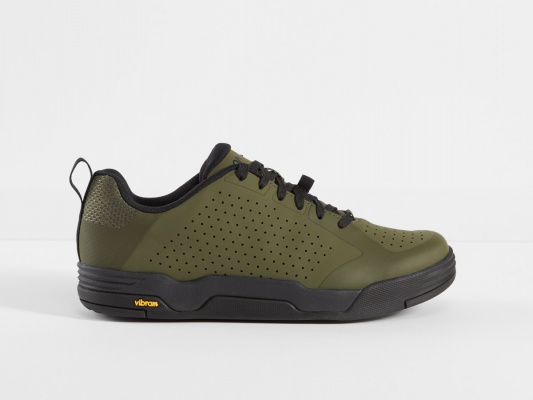
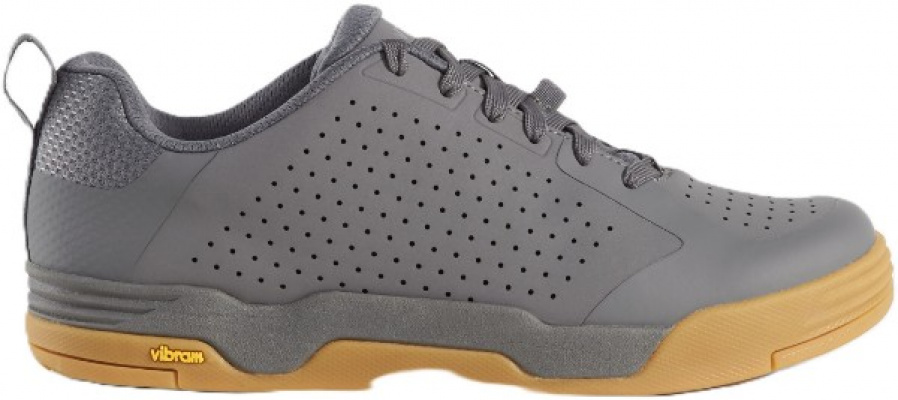
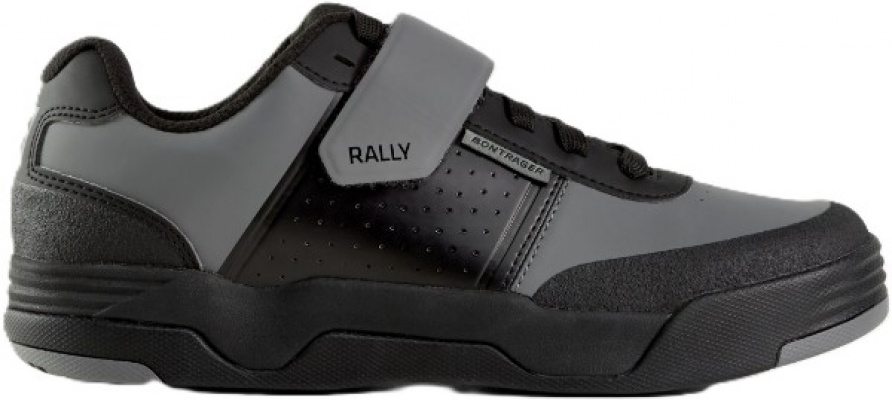
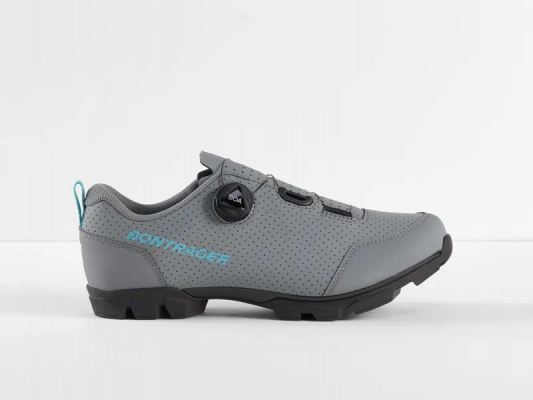
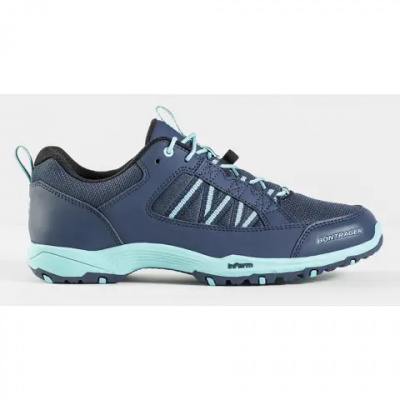
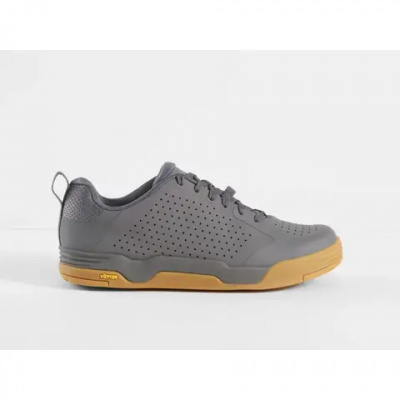
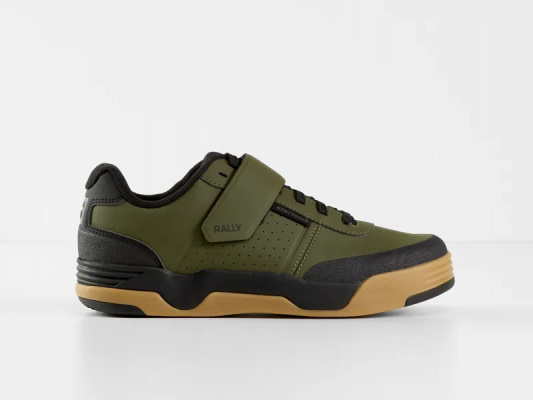
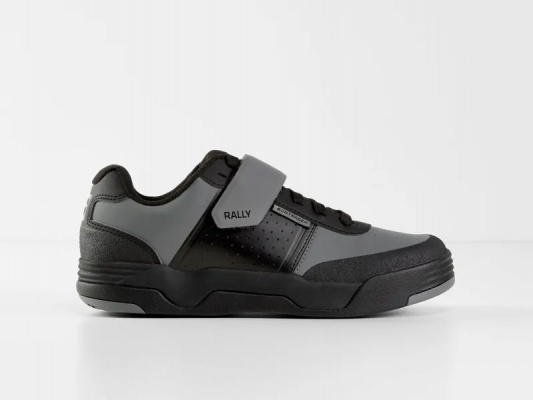
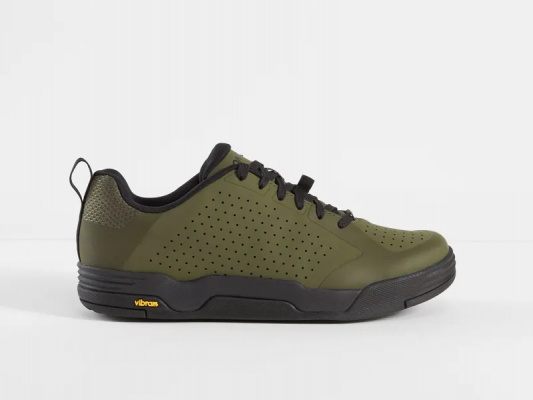
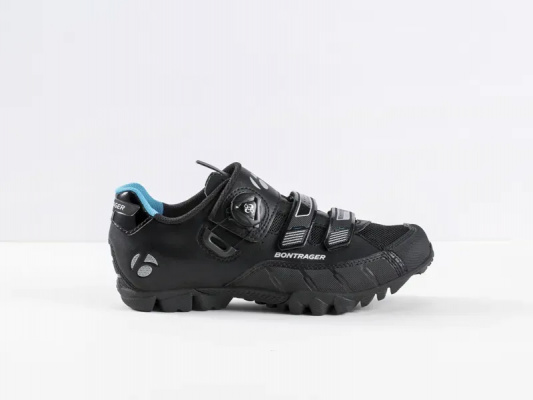
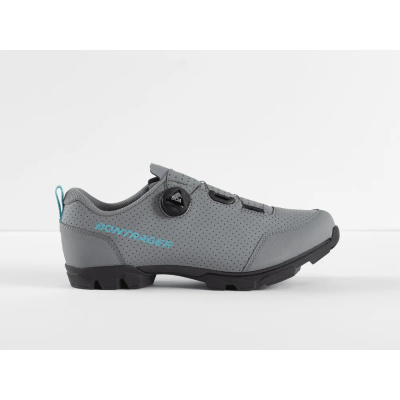
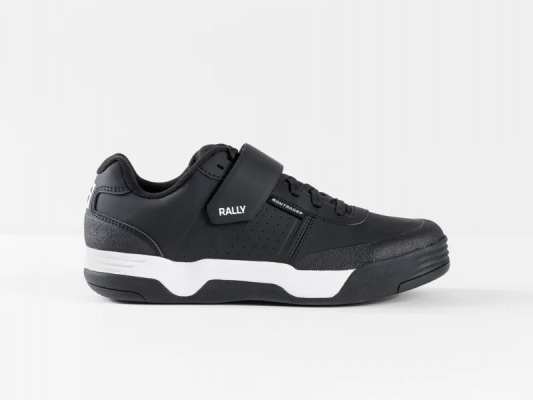
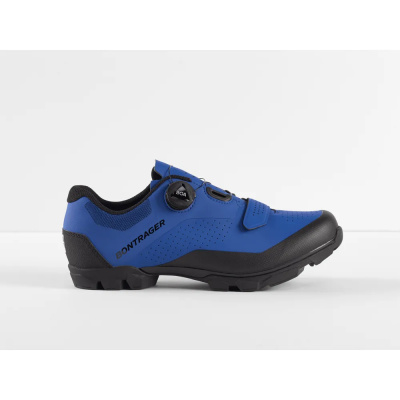
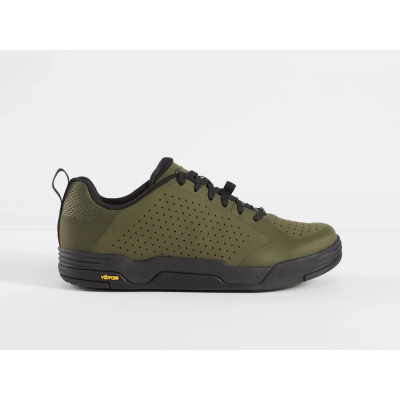
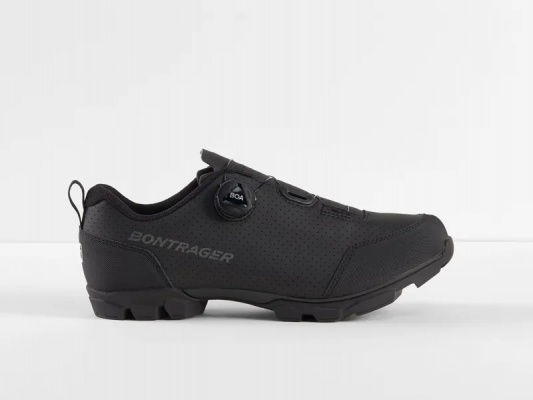
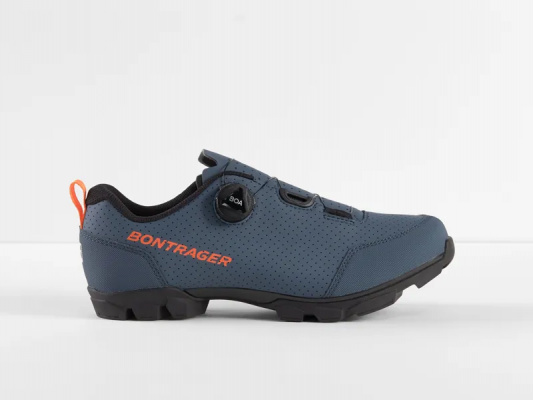
Bontrager MTB and gravel shoes are built around one idea: keep your feet working for you, not against you, whether you're clipping in for a wet Welsh singletrack session or pushing through the final miles of a gravel bikepacking route across the Borders. The range is anchored by anatomically shaped inForm lasts that position your foot for efficient power transfer without pinching after hour three. Micro-adjustable BOA IP1 dials let you dial tension on the fly - handy when your feet swell mid-ride or you need to loosen off quickly for a hike-a-bike push. Tachyon rubber outsoles give the trail-focused models genuine grip underfoot when you're scrambling over wet roots or picking your way across loose Peak District grit. At the performance end, OCLV carbon soles deliver race-level stiffness for pure XC efficiency, while the broader trail and gravel options balance walkability with pedalling feel. GnarGuard reinforcement on the MTB-specific models deals with the kind of rock strikes and bramble abuse that UK trails specialise in. From entry-level trail shoes to elite race slippers, there's a clear hierarchy here - and finding the right slot in it makes a real difference to your riding.
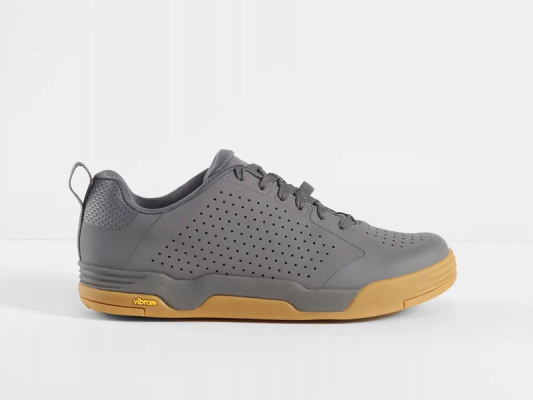
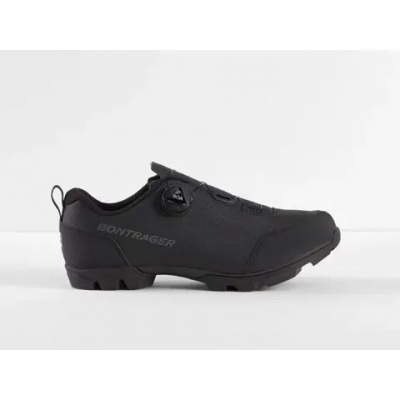
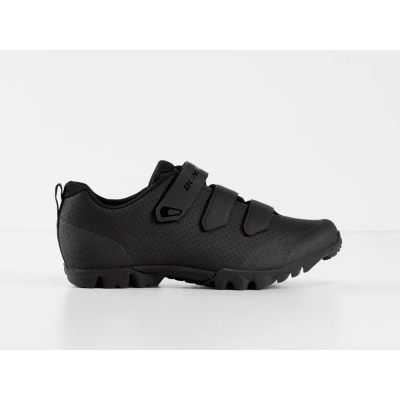
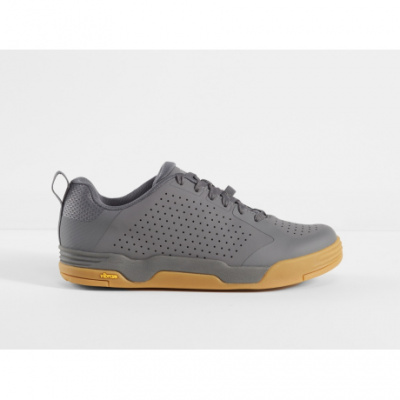
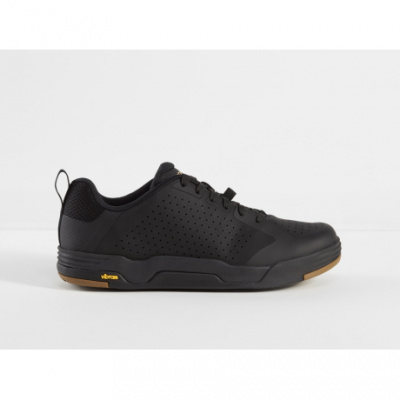
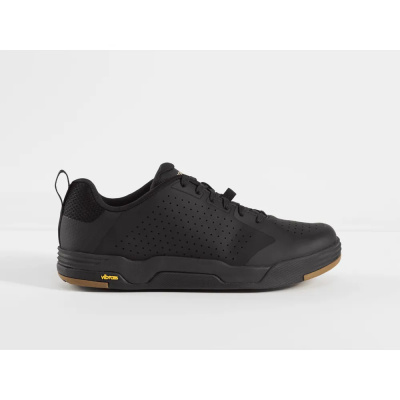
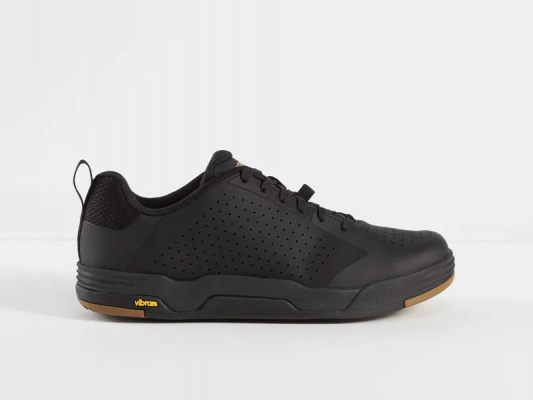
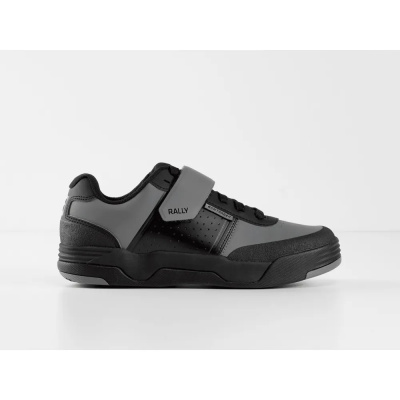
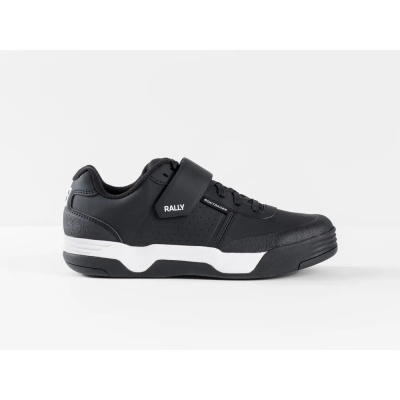
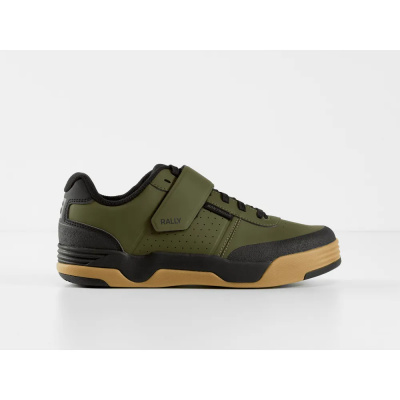
Prices and availability can change quickly. Delivery charges are not always included in listed prices.
Final price, stock status and delivery terms are set by retailer. We may receive a commission on purchases made.
Sole Tech and Off-Road Grip
The outsole is where Bontrager's off-road shoes make their most tangible argument. Tachyon rubber - a sticky, lug-based compound - lines the outsoles of their trail and gravel models, with tread patterns shaped to shed mud rather than pack it in. On a wet November ride through clay-heavy Surrey Hills trails, that distinction matters. The lugs are spaced and angled to release as you roll your foot, so you're not skating across a slick cleat platform when you unclip and put a foot down.
Power transfer is measured through Bontrager's stiffness index, which runs from 1 to 14. Their XC race shoes hit 14 out of 14 - full OCLV carbon sole, no flex, every watt going through the pedal. Trail and gravel models sit in the 6 - 10 range, where there's enough give for comfortable off-bike walking without the sole folding like a trainer. That mid-range stiffness suits riders who mix long gravel days with occasional hike-a-bike without wanting to commit to a dedicated race shoe. All models use 2-bolt SPD cleat compatibility, which is the sensible choice for off-road - easier to walk in, easier to clip in when you're caked in mud, and compatible with the widest range of MTB and gravel pedals. If you're building a new setup, Bontrager's own cleats are worth pairing in for consistent float and engagement feel.
Fit, Lasts, and the Model Hierarchy
Bontrager splits their last shapes into two profiles. The inForm Pro last is the performance-focused cut - snug through the midfoot, lower volume, designed for riders who want the shoe to feel like part of the bike rather than footwear they happen to be wearing. The inForm Race last is marginally roomier, particularly through the toe box, which makes it more forgiving on long days where feet spread and swell. Neither is dramatically wide or dramatically narrow by comparison to, say, Lake's wide-fit MTB options, but Bontrager's fit generally works well for average to slightly narrow foot shapes.
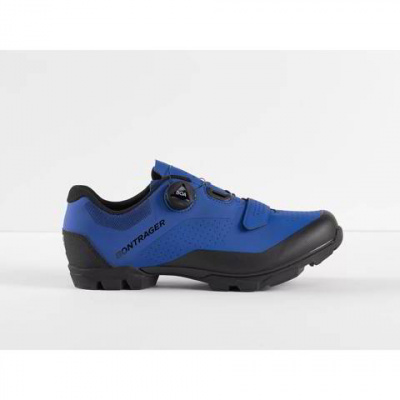
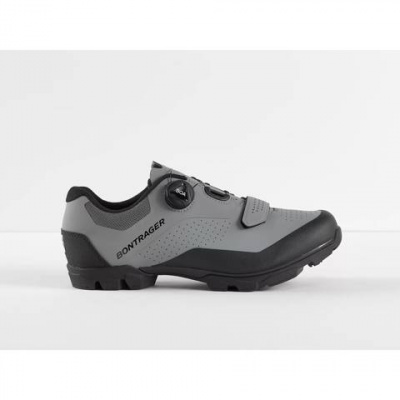
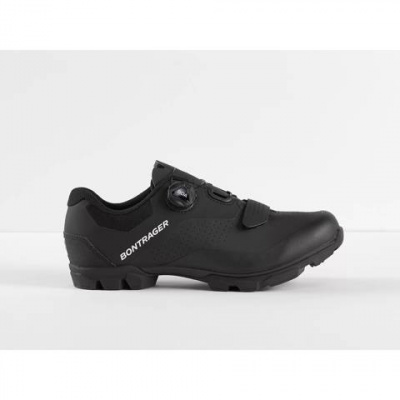
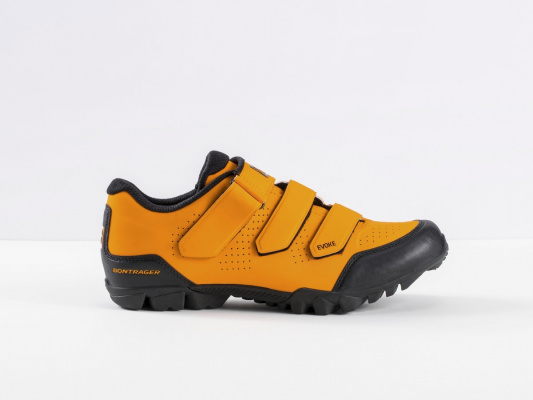
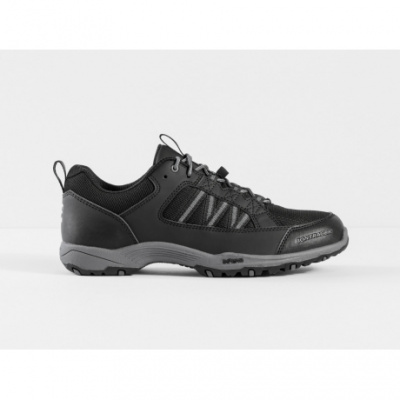
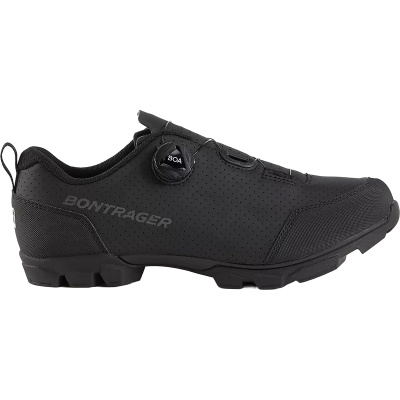
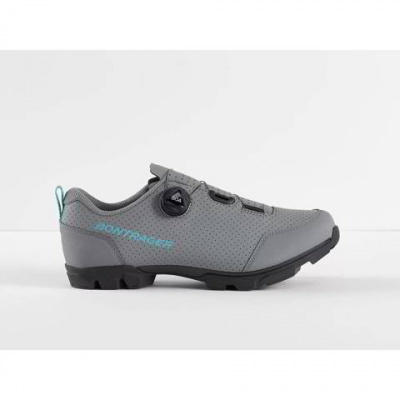
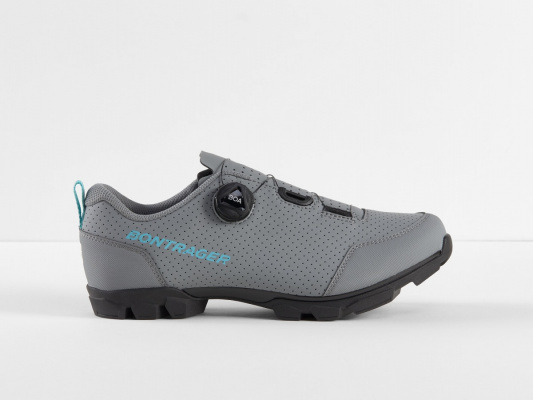
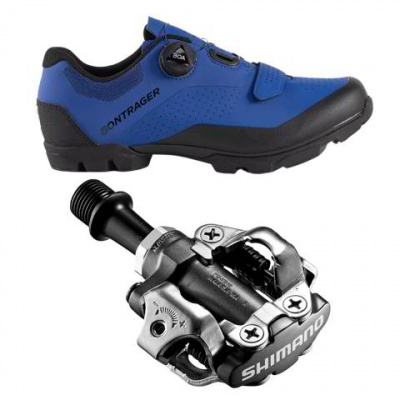
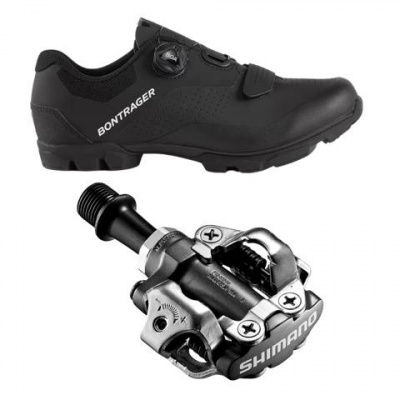
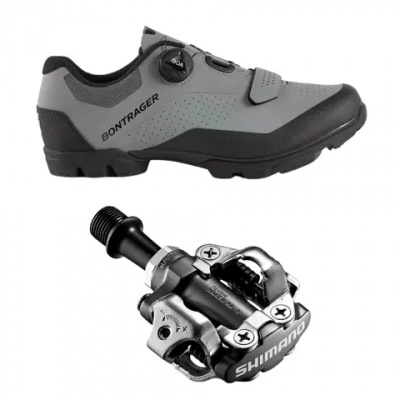
The range sits in a clear progression. The Evoke series covers entry-level trail riding - nylon composite sole, straightforward BOA closure, durable synthetic upper. The Foray is the versatile workhorse, comfortable as a Bontrager gravel shoe fit guide would suggest for mixed-surface use, with enough walkability for gravel days that turn into unplanned adventures. Step up to the Cambion or XXX models and you're into race-spec OCLV carbon soles, refined lasts, and the kind of stiffness index that XC racers and fast gravel riders actually need. If the standard footbed isn't working for your arch shape, pairing any of these with aftermarket insoles is straightforward - the removable footbeds on most models give you room to swap without a fight.
Riders comparing Bontrager against the broader market will find Giro's MTB and gravel range offers comparable BOA dial systems with slightly different last geometry, while Fizik's off-road shoes tend to run narrower through the heel. Knowing your foot shape before you commit is more useful than brand loyalty here.
Protection and Keeping Them Honest After a Muddy Ride
GnarGuard is Bontrager's name for the reinforced outer coating applied to the more aggressive MTB models. It's a rubberised layer over the toe cap and lateral panels that takes the edge off rock strikes, scrapes against flint, and the kind of sustained bramble abuse you get on tight singletrack. It's not armour - it won't stop a direct hit from a sharp edge - but it keeps the synthetic leather upper from scuffing through after a season of proper use. For Scottish or Welsh trail centre riding where you're constantly brushing against rock and root, it's a worthwhile extra.
The synthetic uppers across the range are easier to maintain than they look. Knock the worst of the mud off before it dries - a soft brush and cold water is enough - and wipe down with a damp cloth after. One thing worth knowing: don't dry them on a radiator or near a direct heat source. The synthetic material can harden and crack at the flex points, which shortens the life of the shoe noticeably. Stuff them with newspaper, leave them somewhere ventilated, and they'll dry out overnight without issue.
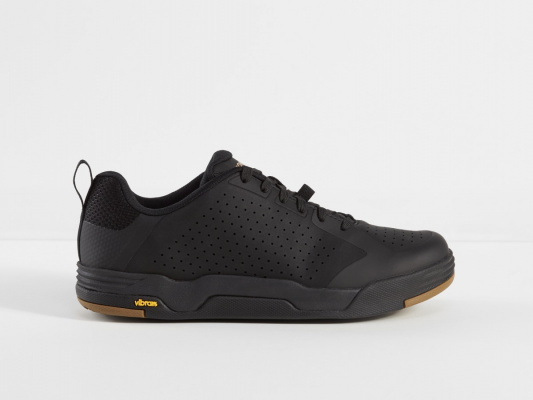
BOA IP1 dials are replaceable, and Bontrager's replacement programme means you can get a new dial sent out if one cracks - which does happen over time, particularly if the dial takes a direct impact. If you need replacement hardware or want to look at spike options for flat pedal models, the cleats and accessories section is a good starting point. And if you're deep into the mud season and thinking about tyre setup to match your shoe choice, Bontrager's MTB tyre range and their gravel and cyclocross tyres are worth browsing alongside - getting grip at both ends of the bike makes more difference than people give it credit for.
Bontrager MTB & Gravel Shoes FAQs
Are Bontrager MTB shoes true to size?
Generally yes. Models on the inForm Race last have a slightly roomier toe box, so they can feel generous at your usual size. If you ride through winter in thick waterproof socks, half a size up is worth considering - particularly for longer days where foot swelling becomes a factor.
What is the difference between Bontrager gravel and MTB shoes?
Gravel shoes lean towards lighter construction and stiffer soles for pedalling efficiency across mixed surfaces - less lug, more road-adjacent feel underfoot. MTB-specific models carry GnarGuard protection, deeper Tachyon rubber lugs for mud and scrambling, and more robust build quality to handle rock strikes and hike-a-bike sections.
Can you walk in Bontrager mountain bike shoes?
Most trail and gravel models with nylon composite soles and Tachyon rubber outsoles walk comfortably - flex is reasonable and grip is good on wet stone or mud. The stiffer OCLV carbon XC race shoes are a different story; they're built purely for pedalling efficiency and become awkward quickly off the bike.