
Bontrager Gravel And Cyclocross Tyres
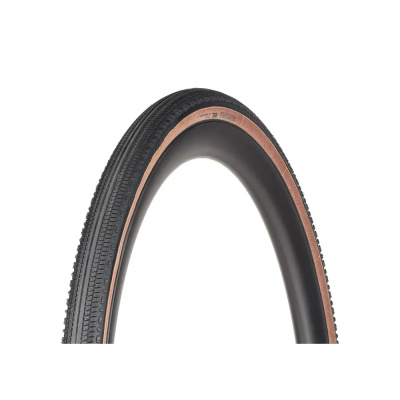
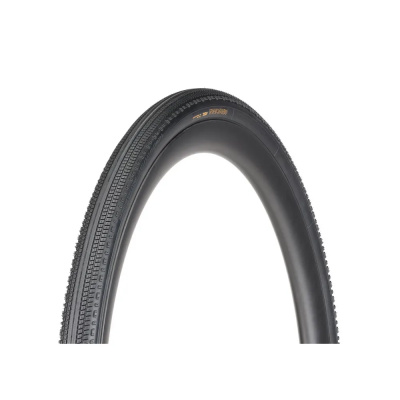
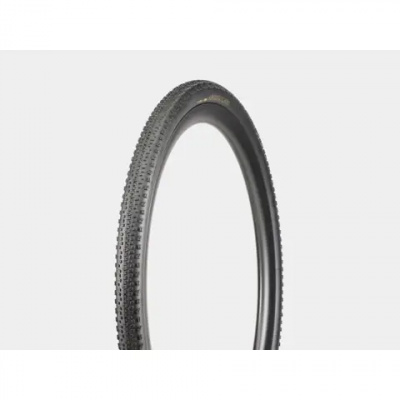
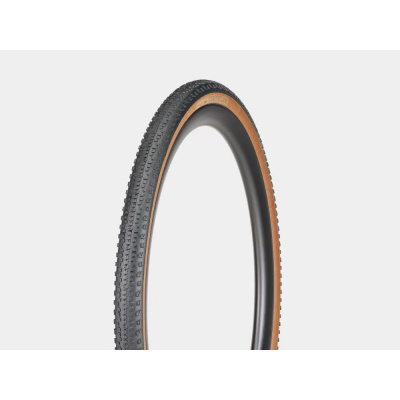
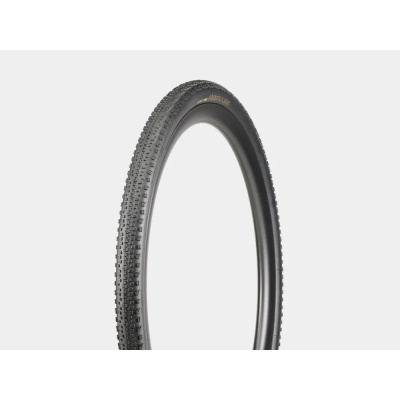
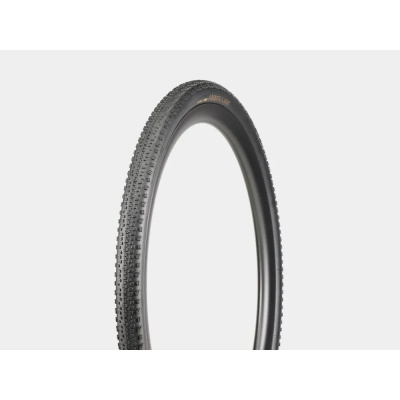
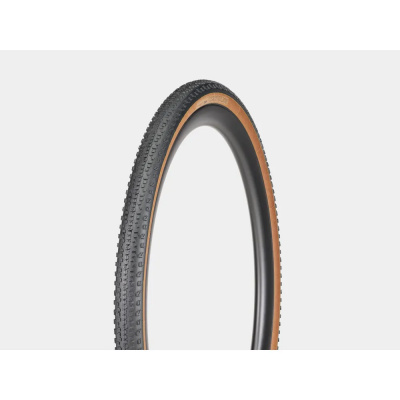
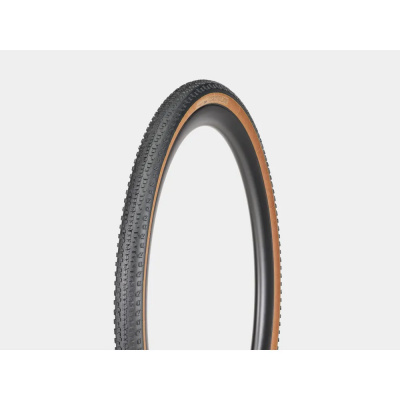
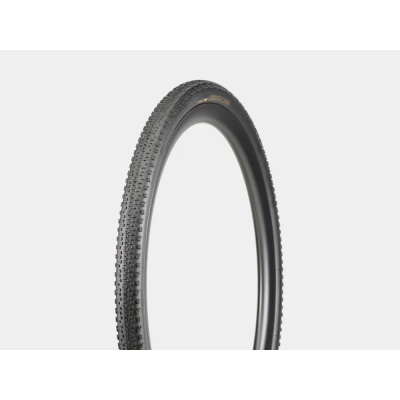
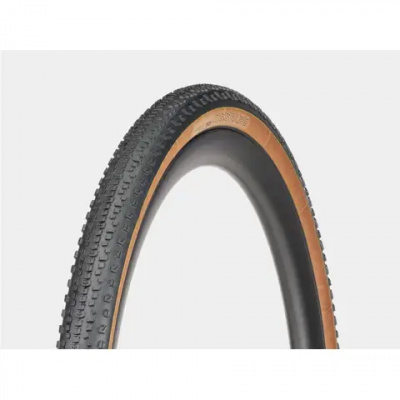
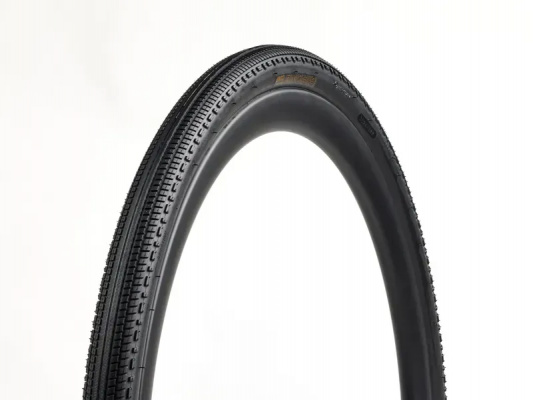
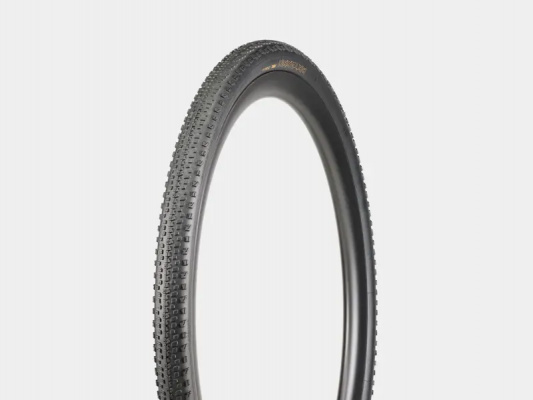
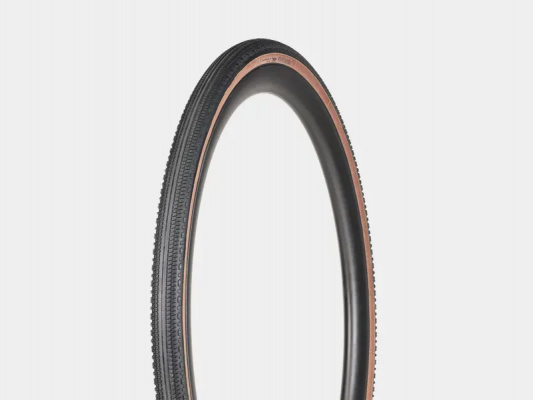
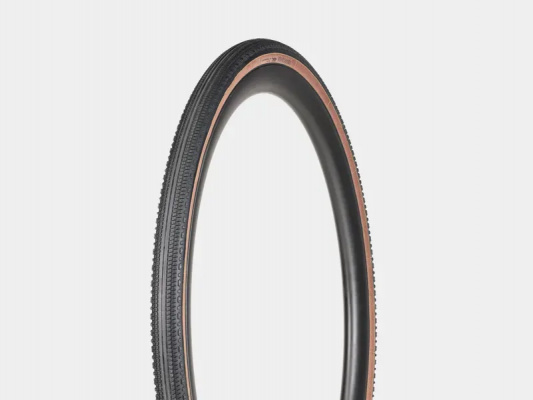
Bontrager gravel tyres cover a lot of ground - literally and figuratively - from fast-rolling hardpack setups to dedicated cyclocross mud-luggers designed to deal with the kind of sticky South Downs clay that stops lesser tyres dead. The range is built around a few clear principles: reliable tubeless performance via Bontrager's TLR (Tubeless Ready) bead design, meaningful puncture protection through the Hard-Case Lite sub-tread layer, and casing options that genuinely suit different budgets and ride intensities. Whether you're prepping for a winter CX league on a waterlogged municipal course or loading up for a multi-day bikepacking trip across flint-strewn bridleways in the Chilterns, there's a model here that fits the brief. The GR1 keeps things quick on consolidated surfaces, the GR2 steps up with more aggressive shoulders for loose and wet conditions, and the CX3 is a proper mud tyre - no compromise. Pick the right tread and the right casing construction, and these tyres will hold their own against most of what the UK throws at them. We've broken down the specs, standards, and key differences below so you can make a straight call without wading through brochure copy.
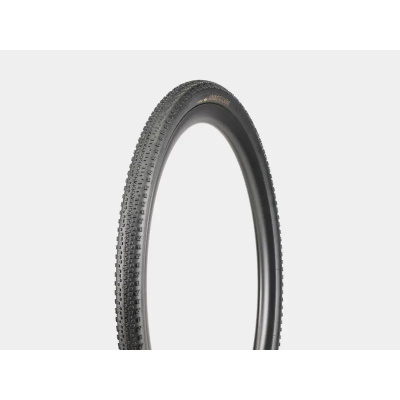
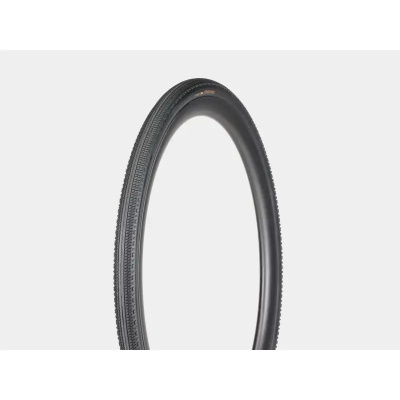
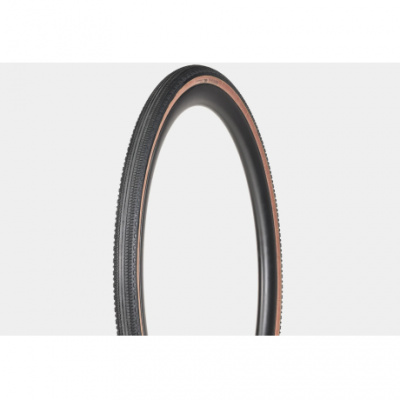
Prices and availability can change quickly. Delivery charges are not always included in listed prices.
Final price, stock status and delivery terms are set by retailer. We may receive a commission on purchases made.
Setting Up Bontrager TLR: What You Actually Need
Most of Bontrager's gravel and cyclocross range carries the TLR (Tubeless Ready) designation, which means the bead is engineered for a reliable air-tight seal - but that only works if the rest of your setup is sorted. You'll need compatible tubeless rim tape, tubeless valves with a good seal, and enough sealant inside to plug minor punctures as they happen. Bontrager's own system is designed to work together, so mixing in mismatched components is where setups go wrong.
Rim width matters more than people realise. Fitting a 700x40c tyre onto a rim with an internal width below 21mm will pinch the casing, reducing volume and making the tyre feel harsh and slow. Aim for 21 - 25mm internal width for a 40c tyre - that gives you the rounded profile and the air volume that makes tubeless worthwhile. Going wider still is fine, but the tyre will spread and the contact patch changes character.
On hookless rims, Bontrager TLR tyres are generally compatible, but you must stick to the 72.5 PSI maximum pressure limit that ETRTO and most hookless rim manufacturers specify. Exceed that and you're risking a dangerous bead failure. Always cross-reference the specific tyre and rim compatibility charts before seating - don't assume. Use a floor pump with an accurate gauge and seat the bead at the lowest pressure that works.
GR1, GR2, CX3: Which Tread Does What
Bontrager's gravel and CX lineup isn't just a size progression - each model is doing a genuinely different job, and getting the tread wrong for your riding is a fast way to feel like you're fighting the bike.
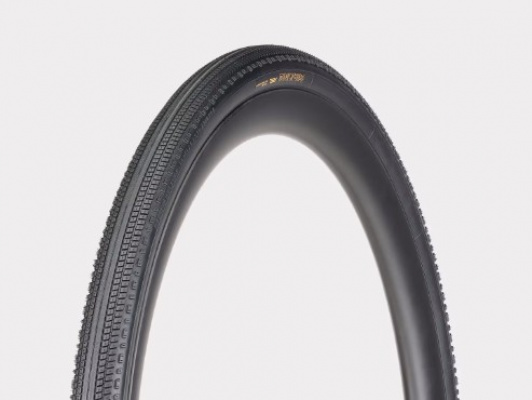
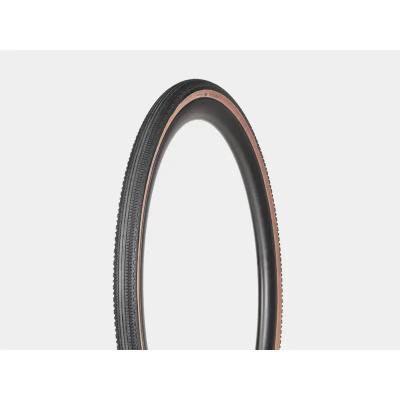
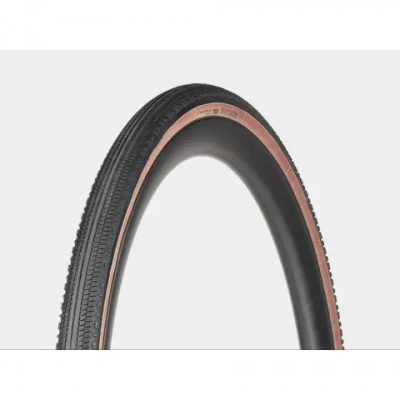
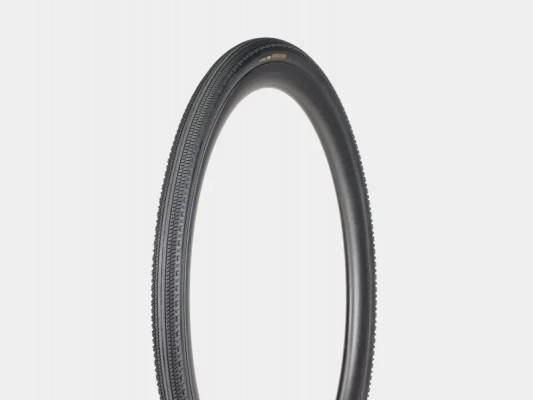
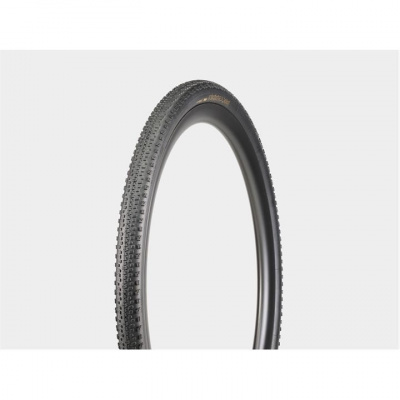
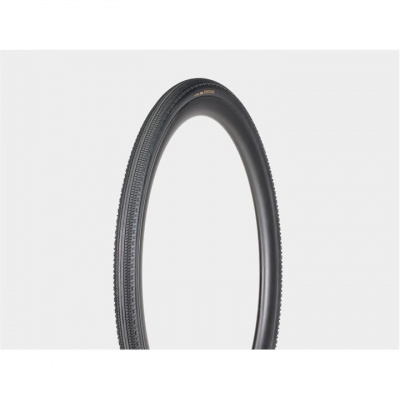
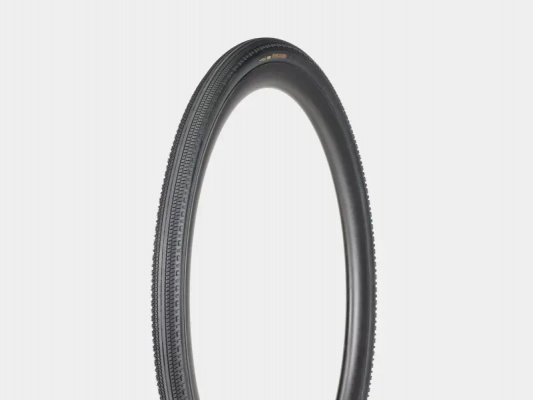
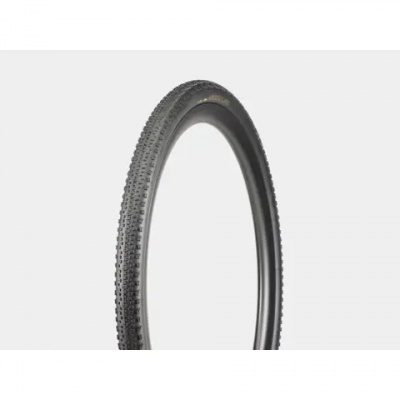
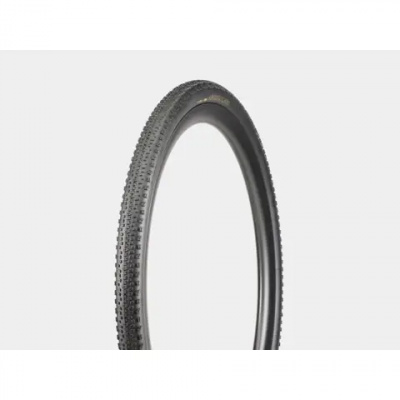
The GR1 uses a tight, micro-knob tread pattern. It's a dry-conditions tyre - fast on compacted gravel, hardpack bridleways, and the kind of mixed-surface roads you'd find linking lanes in the Cotswolds. Transitions between tarmac and light gravel feel seamless, and rolling resistance stays low. Push it into wet roots or loose loam, though, and the shallow tread runs out of ideas quickly.
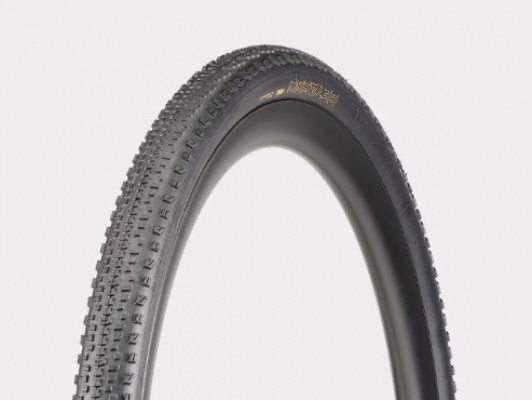
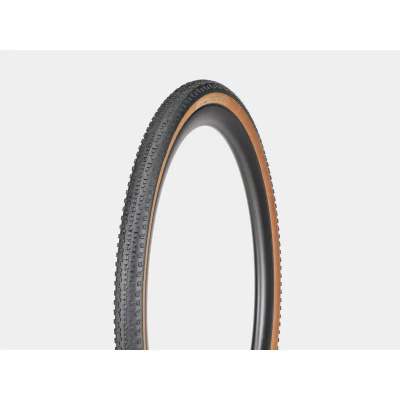
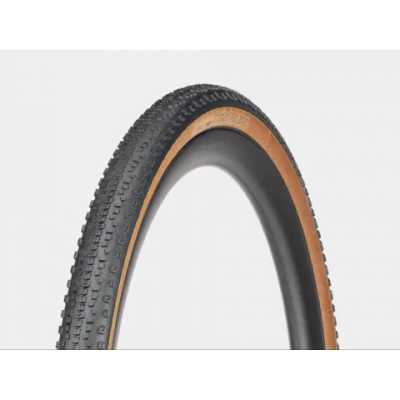
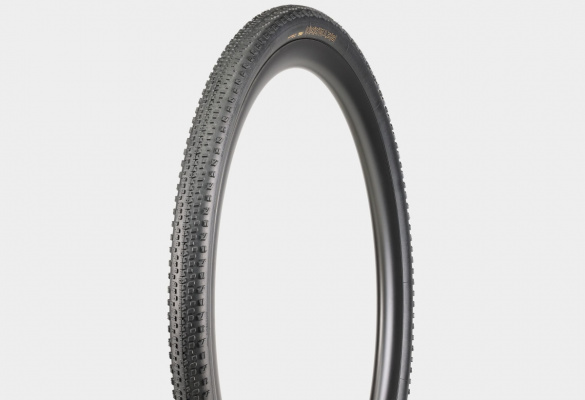
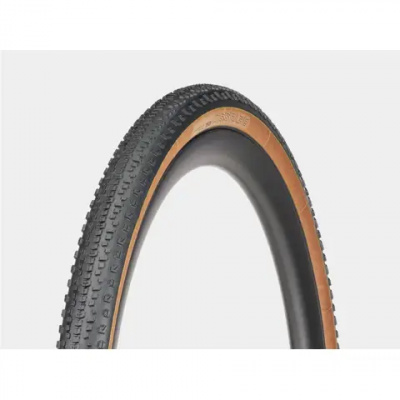
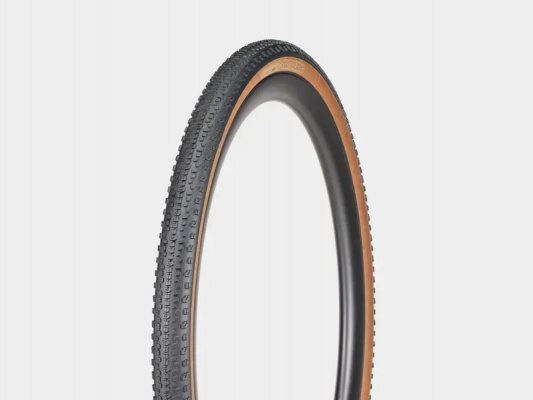
The GR2 is the workhorse. Pronounced shoulder lugs give you actual braking and cornering traction on loose, wet, or mixed surfaces - the sort of riding that makes up most UK gravel routes between October and April. Think gritstone tracks in the Peak District after rain, or Cumbrian bridleways that haven't seen sunshine since September. It rolls noticeably slower on tarmac sections, but that's the honest trade-off for traction when the surface is unreliable.
The CX3 is a dedicated cyclocross mud tyre. Wide-spaced knobs cut through slop and shed debris quickly - if you're racing winter CX leagues or riding in conditions that would clog a GR2 solid, this is the call. It's not a tyre for hardpack or gravel; it's a specialist tool. For context, it sits in a similar category to the Specialized CX mud range or WTB's Riddler and Byway at the more aggressive end.
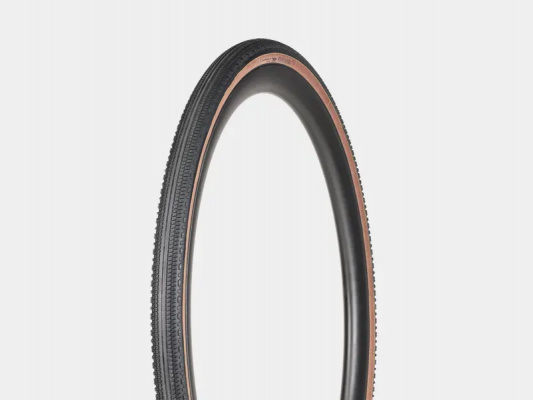
Casing construction splits across two tiers. The Team Issue uses a proprietary 120 TPI supple casing - more threads per inch means thinner, more flexible fabric that conforms to the ground better and rolls faster. The Inner Strength sidewall protection keeps weight low without leaving the casing vulnerable. These are the tyres you'd choose for racing or fast touring where weight and feel matter. The Comp builds use a 60 TPI wire bead construction - heavier, stiffer, but more resistant to cuts and abrasion and significantly easier on the wallet. If you're putting in year-round miles on rough lanes or commuting on gravel paths, the Comp casing has a straightforward durability argument. You're not going to feel the difference in suppleness when you're loaded up or grinding into a headwind.
UK Durability: Keeping Bontrager Tyres Alive Through the Hard Months
British riding has a specific set of hazards that tyre tech has to deal with. Flint is the worst of them - the South Downs, the Chilterns, and chalk downland across southern England are scattered with sharp fragments that slice straight through thin rubber. Bontrager's Hard-Case Lite sub-tread layer is the relevant protection here: a reinforcing belt beneath the tread that resists penetration without adding the rolling-resistance penalty of a full-on protection layer. It's not armour, but it handles most of what hedgerow-edged lanes throw at you. Hawthorn thorns are a different problem - long, thin, and capable of punching through sidewalls - which is where running proper tubeless sealant becomes non-negotiable rather than optional.
Sealant dries out faster in supple 120 TPI casings than in coarser constructions because the thinner fabric is more porous. Top up every three to four months as a baseline, or check it before any long ride by sloshing the tyre and listening for liquid movement. Bontrager's own tubeless sealant is formulated to work with their TLR bead, but most quality latex sealants will do the job. If you're doing high-mileage winter riding, budget for more frequent top-ups and keep a spare inner tube in your back pocket - even the best tubeless setup meets its match eventually.
Tyre pressure is probably the biggest lever most riders aren't pulling hard enough on. Dropping 3 - 5 PSI from your usual setting for wet root networks and slick rock - the kind of riding you get on bridleways in the Wye Valley or through Welsh forestry - transforms how the tyre grips. A properly seated TLR bead won't burp at lower pressures the way a clincher would, so there's genuine headroom to experiment. Start around 28 - 32 PSI for a 40c tyre on a rider up to 75kg, and adjust from there. If you're running a Panaracer or Continental tyre alongside for comparison, you'll notice the 120 TPI Team Issue casing communicates more through the bars - that's the suppleness doing its job, not the tyre failing.
Bontrager Gravel And Cyclocross Tyres FAQs
Are Bontrager gravel tyres tubeless ready?
The majority of Bontrager's premium gravel and cyclocross tyres carry the TLR (Tubeless Ready) designation, meaning the bead is engineered for a reliable seal. To complete the setup you'll need compatible rim tape, tubeless valves, and sealant - Bontrager's own system works well together, though most quality tubeless components will do the job.
What is the difference between Bontrager GR1 and GR2 tyres?
The GR1 runs a tight, low-profile micro-knob tread that rolls quickly on hardpack, compacted gravel, and tarmac transitions - it's a dry-conditions tyre. The GR2 uses larger, more aggressive shoulder knobs that bite properly on loose, wet, or mixed surfaces; it's slower on the road but far more capable when the ground is soft or slippery.
Can I run Bontrager gravel tyres on hookless rims?
Bontrager TLR tyres are generally compatible with hookless rims, but you must not exceed 72.5 PSI - the maximum pressure most hookless rim manufacturers specify. Always check both the tyre and rim compatibility charts before seating, and never assume compatibility without verifying; a bead failure on a hookless rim is a serious safety risk.