
Bontrager Helmets
Bontrager helmets sit at the sharper end of cycling head protection - not because of marketing, but because the safety data backs them up. Virginia Tech's independent helmet ratings have placed multiple Bontrager lids in the five-star bracket, which is the kind of third-party validation that actually means something when you're deciding what to put between your skull and the tarmac.
The range covers road racers chasing aerodynamic marginal gains, trail riders who need robust protection without cooking their heads on a long Welsh climb, and commuters who need reliable low-light visibility through a British winter that seems to last nine months. Whatever your riding, there's a Bontrager lid built around it.
Two technologies define the range. WaveCel - a collapsible cellular structure bonded inside the helmet - goes further than standard EPS foam by flexing, crumpling, and gliding to manage rotational impact energy. MIPS, the more familiar slip-plane system, appears across mid-range models and does a solid job of redirecting rotational forces away from your brain. Both are credible; they just work differently. The BOA fit system runs through much of the range, giving you precise micro-adjustment on the move. And Bontrager's Crash Replacement Guarantee means a crash in year one doesn't leave you out of pocket for a new lid.
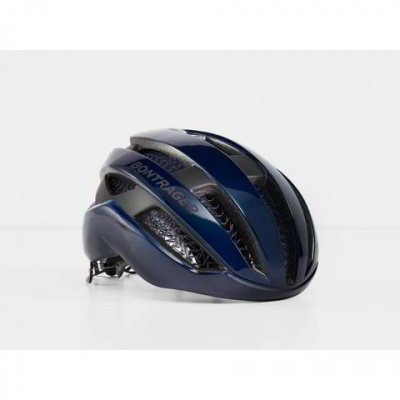
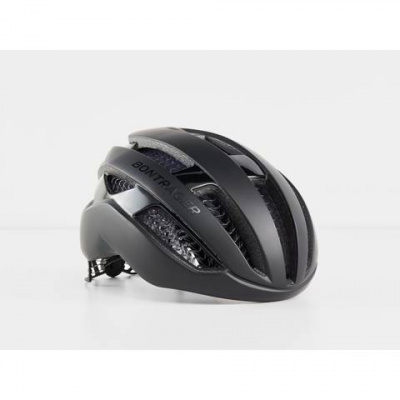
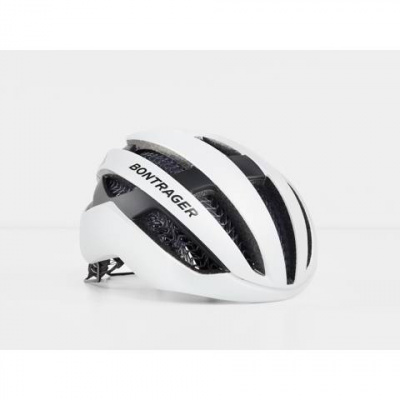
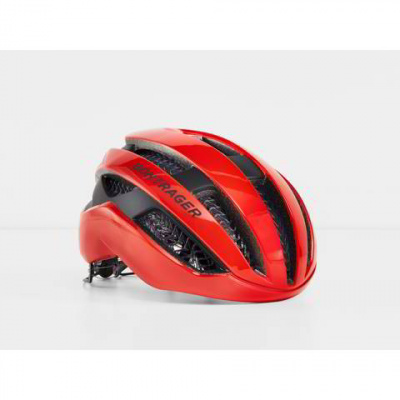
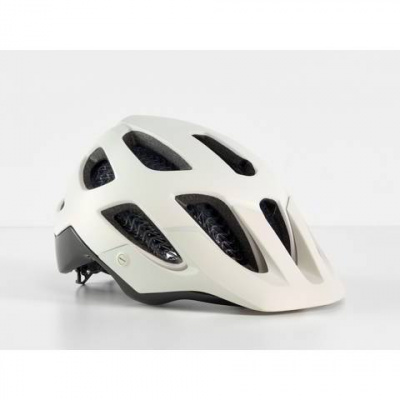
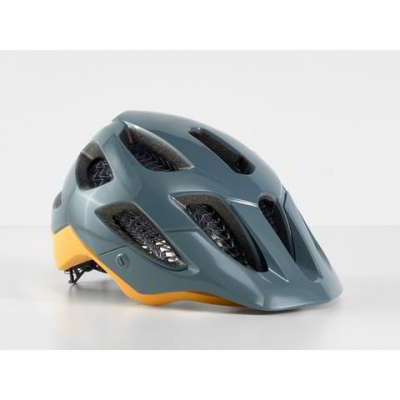
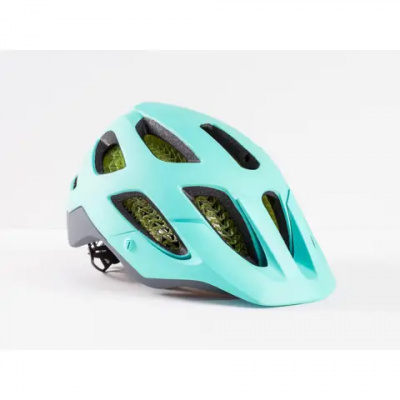
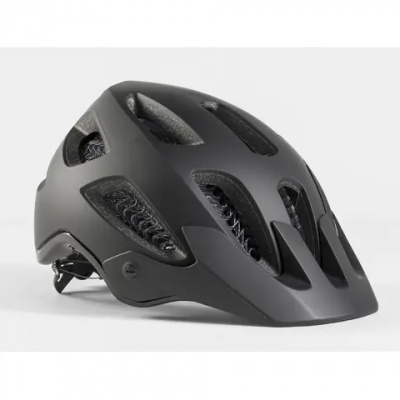
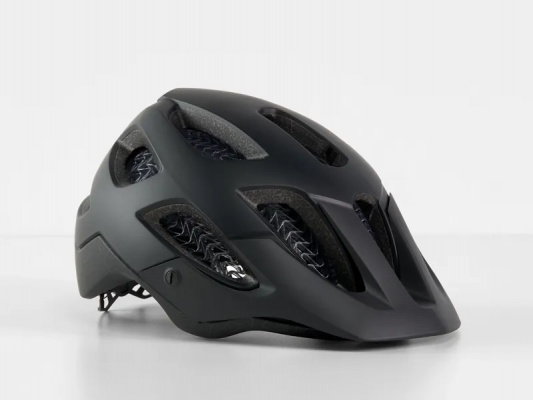
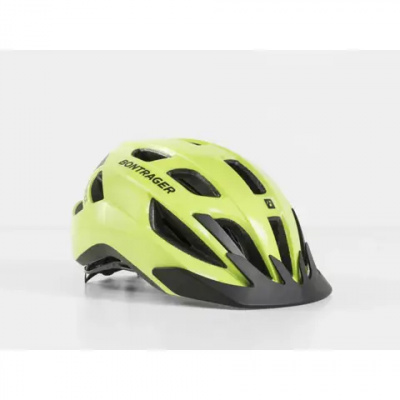
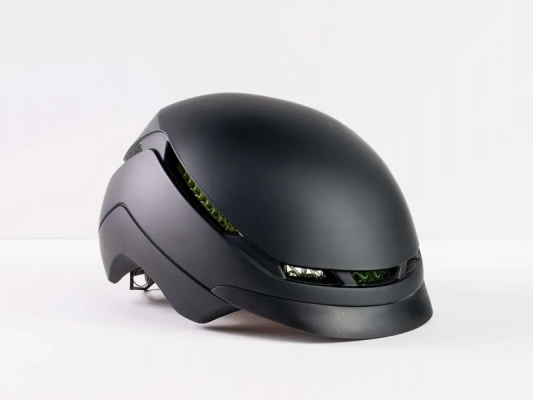
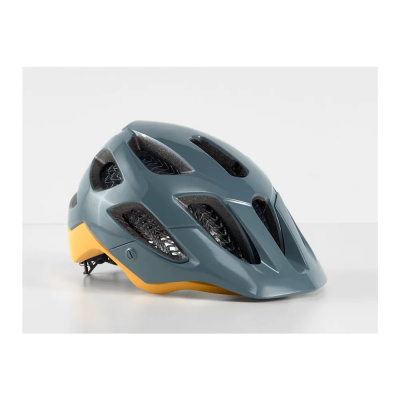
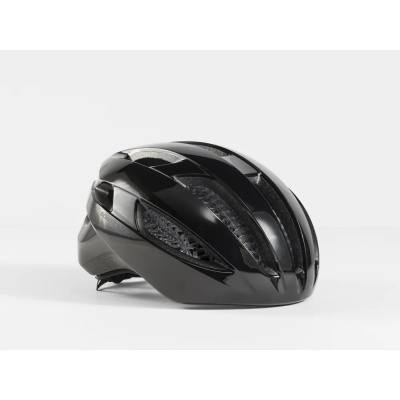
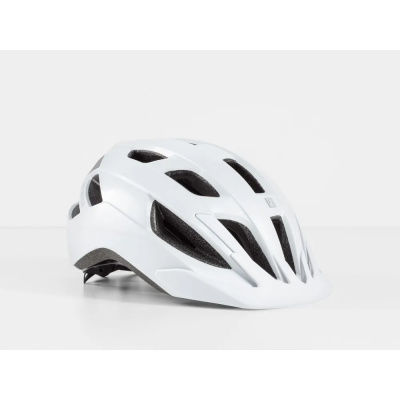
Prices and availability can change quickly. Delivery charges are not always included in listed prices.
Final price, stock status and delivery terms are set by retailer. We may receive a commission on purchases made.
Safety Tech and How the Ventilation Actually Works
Standard EPS foam - the white expanded polystyrene you'll find in most budget helmets - crushes on impact to absorb linear force. It does that job reasonably well. What it struggles with is rotational force, the kind generated when your head hits the road at an angle and your brain twists inside your skull. That's where both WaveCel and MIPS earn their place.
WaveCel technology replaces a section of that EPS foam with a bonded cellular lattice. On impact, the cells flex, then crumple, then allow the outer shell to glide slightly relative to your head - all in a fraction of a second. It's a three-stage response that handles both linear and rotational forces in one structure, rather than relying on a separate slip-liner. MIPS, by contrast, keeps the traditional foam and adds a low-friction layer between liner and shell. Both approaches are genuinely effective; the key difference is that WaveCel is structural, while MIPS is an add-on layer. If Virginia Tech ratings matter to you - and they should - check the specific model score rather than assuming all WaveCel lids sit equally.
Ventilation architecture varies more than most people expect across the Bontrager range. The road-focused models use deep internal channeling that pulls air across the scalp and vents it out the rear - useful on a muggy summer evening in the Surrey Hills when humidity makes every climb feel twice as long. Aerodynamic models like the Ballista close some of those channels in favour of a smoother shell profile, which cuts drag but means they run warmer. Worth knowing before you commit if you're a rider who runs hot. MTB helmets extend that coverage further around the sides and rear of the head, which costs a little airflow but makes sense when you're potentially going over the bars into something other than smooth tarmac.
The Range Broken Down, and Getting the Fit Right
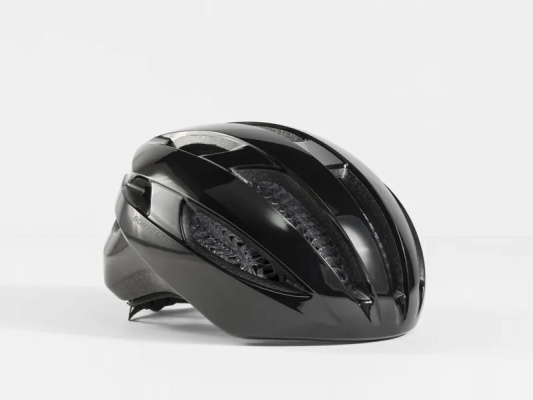
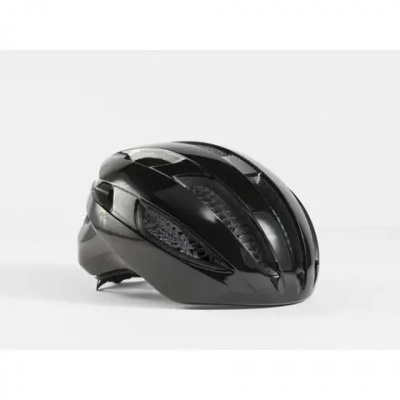
Bontrager's helmet lineup splits broadly into three disciplines, and picking the wrong category is the most common mistake riders make. Road and aero covers the Velocis and Ballista - the Velocis prioritises ventilation and all-day comfort for sportive and training riding, while the Ballista leans harder into aerodynamics for those who care about watts at speed. If you're doing anything from a club run to a century, the Velocis is the more sensible daily choice. The Ballista is for riders who've already optimised everything else and want the aero gains on top.
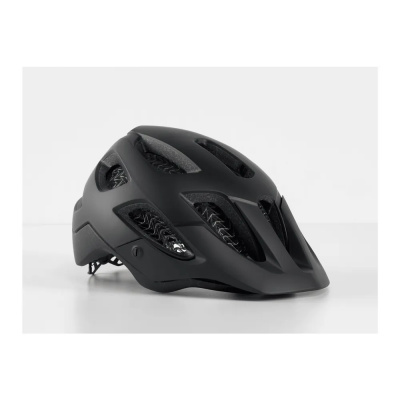
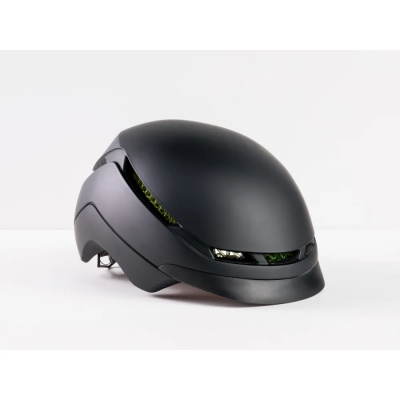
MTB riders should look at the Blaze and Rally. The Blaze offers extended rear and side coverage for trail and enduro riding - the sort of thing you'd want dropping into the chunkier lines at Glentress or anywhere the consequence of a get-off involves more than a graze. The Rally is a lighter cross-country option that suits riders who spend more time pedalling hard than sessioning technical features. For commuters, the Charge keeps things practical: good coverage, Blendr-compatible for light mounts, and a fit system that works over a woolly hat in January without drama.
On fit: Bontrager helmets generally run true to industry sizing, but head shapes vary enough that the BOA fit system is genuinely useful rather than just a selling point. The dial lets you make small, precise adjustments - useful mid-ride if you've got a hat layer underneath or your head has swollen slightly on a long summer day. Measure your head circumference before ordering and cross-reference Bontrager's size chart; if you're between sizes, go up and use the BOA dial to take in the slack. If you're outfitting younger riders, view our dedicated Kids Helmets range. For replacement pads, visors, or BOA dials, browse our Helmet Spares collection.
Compared to alternatives like Giro helmets or Kask helmets, Bontrager sits in a similar performance bracket at the upper end of the range, but the WaveCel models offer a structural safety approach you won't find from most competitors. Bell helmets share some developmental DNA through Trek's ownership of both brands, but the lineups are distinct enough that they're not interchangeable choices.
Blendr Mounts, Accessories, and Keeping Your Lid in Shape
The Blendr integration system is one of those details that sounds minor until your first dark November commute. Magnetic mounts built into the helmet shell let you click a Bontrager light directly onto the lid without straps, adapters, or the usual faff. It's clean, secure, and means the light moves with your head rather than staying fixed to the bars - genuinely better for making eye contact with drivers at junctions. Pair it with Bontrager lights for a system that's designed to work together rather than bolted on as an afterthought.
Helmet care is something most riders ignore until the pads smell like a changing room. The moisture-wicking liner pads on Bontrager helmets are removable - pull them out, hand-wash in lukewarm water with mild detergent, and leave them to air dry away from direct heat. Don't put them in the machine. For the WaveCel structure itself, a damp cloth and gentle wipe-down is all it needs; avoid any solvent-based cleaners, which can degrade the cellular structure over time. The outer shell can be wiped down with the same damp cloth - avoid anything abrasive.
Know when to replace it. If you've had a significant impact, retire the helmet even if it looks fine - WaveCel and EPS foam both degrade structurally on impact in ways that aren't visible. The same goes for any lid that's taken a hard knock in transit or been dropped repeatedly onto a hard floor. As a general rule, replace any helmet after five years regardless of condition, as UV exposure and sweat degrade the materials gradually. And if you crash within the first year of ownership, Bontrager's Crash Replacement Guarantee covers you - more on that in the FAQ below.
If you're building out a full setup alongside your new lid, it's worth looking at Bontrager road tyres or Bontrager MTB tyres to keep things consistent across the build.
Bontrager Helmets FAQs
Are Bontrager helmets true to size?
Generally, yes - Bontrager helmets follow standard industry head circumference measurements and tend to fit as expected. That said, head shapes vary, so the BOA fit system is worth using to fine-tune the fit once you've chosen the right size bracket. Measure your circumference in centimetres and check Bontrager's size chart before ordering; if you're on the boundary, size up.
What is the difference between Bontrager WaveCel and MIPS?
MIPS adds a separate slip-plane liner between your head and the foam, redirecting rotational forces on impact. WaveCel goes further by replacing part of the EPS foam with a collapsible cellular lattice that flexes, crumples, and glides - handling both linear and rotational energy in one structural layer rather than relying on an add-on. Both are effective; WaveCel is the more integrated approach.
How does the Bontrager Crash Replacement Guarantee work?
If your Bontrager helmet takes an impact in a crash during the first year of ownership, Bontrager will replace it free of charge. You'll need the crashed helmet, your original proof of purchase, and details of the crash - contact Bontrager directly or go through a local authorised dealer to start the process.