
Bontrager Dropper Posts
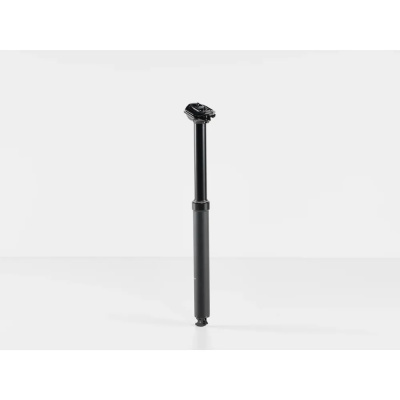
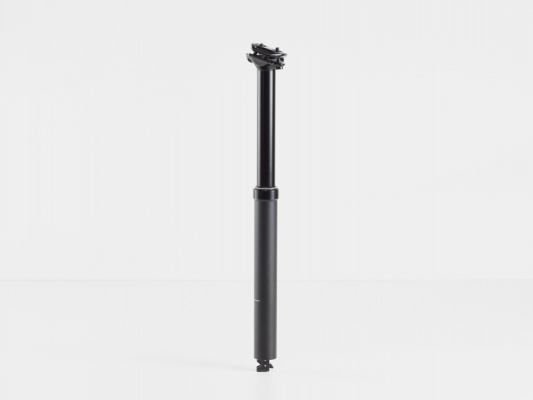
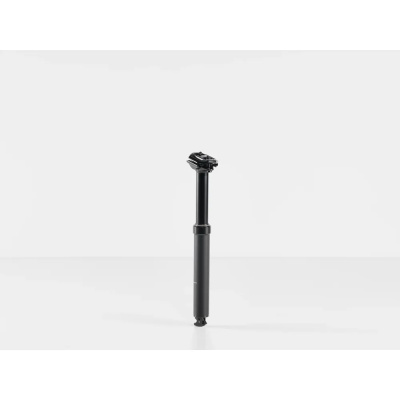
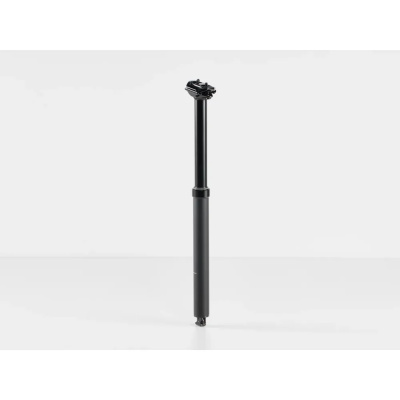
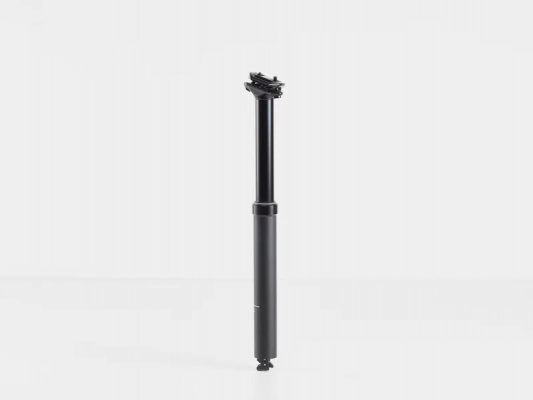
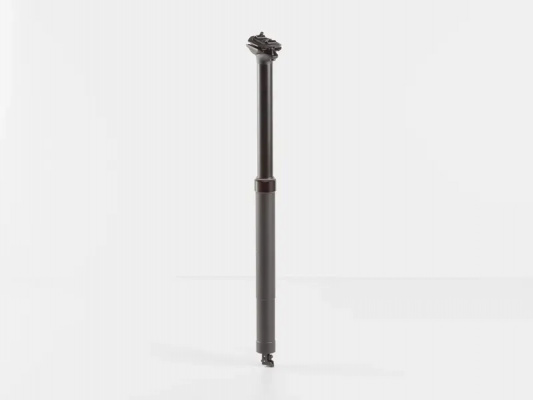
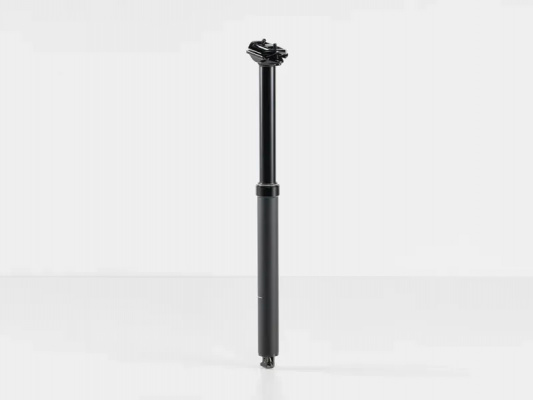
Bontrager dropper posts sit at a genuinely useful point in the market - reliable enough for year-round UK riding, engineered tightly enough that you're not just buying a Trek badge. The Line series is the core of the range, built around a zero-offset head and internal cable routing, and the headline feature is Bontrager's MaxFlow cartridge design. That cartridge is the real work: it delivers a noticeably faster return speed without needing a heavy push on the lever, so your saddle snaps back up when you want it rather than lumbering upward like it's thinking about it.
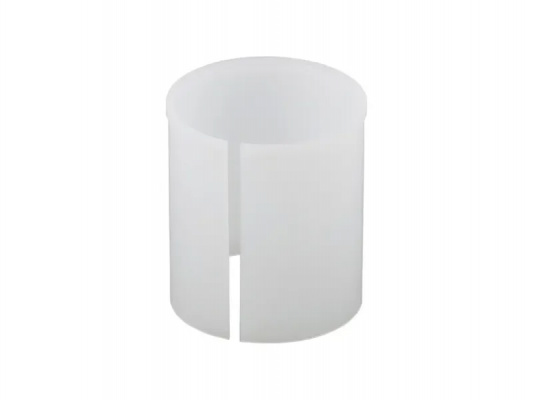
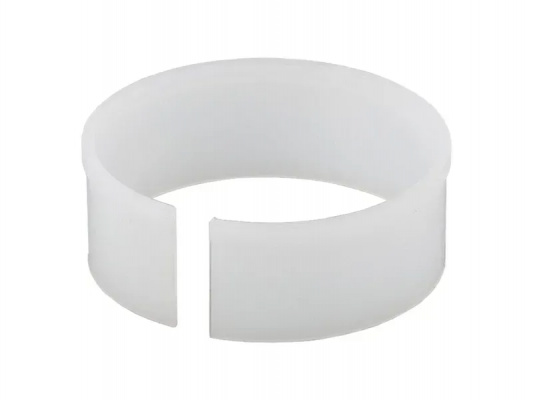
Travel options across the range run from modest to generous, and the travel reduction spacers mean you're not locked into the post's maximum drop - you can dial it back in 10mm increments up to 30mm if your frame geometry or riding style calls for it. That's a practical touch, especially if you're running a shorter effective seat tube or switching the post between bikes.
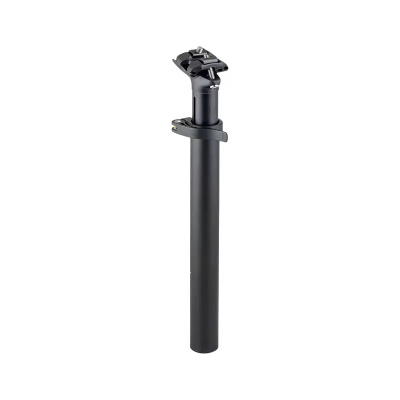
The 2-bolt rocker head handles micro-adjustment for saddle tilt, which keeps things precise without fiddling. If you're shopping for a dropper that'll handle British winters without constant faff, the Bontrager line-up is worth a proper look.
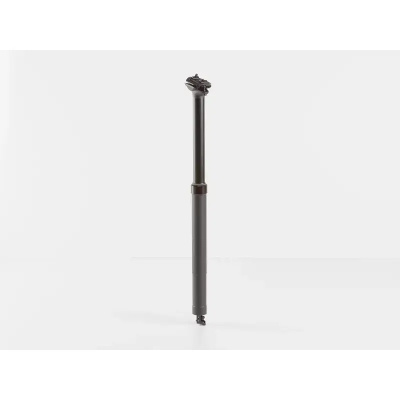
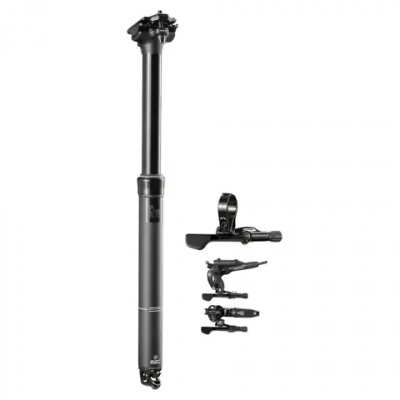
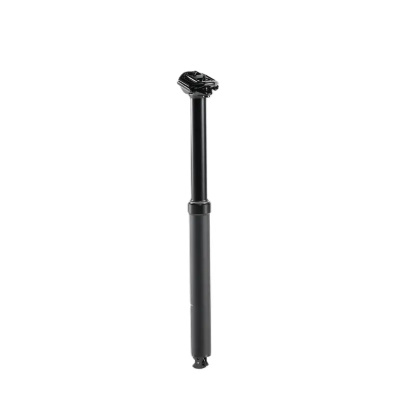
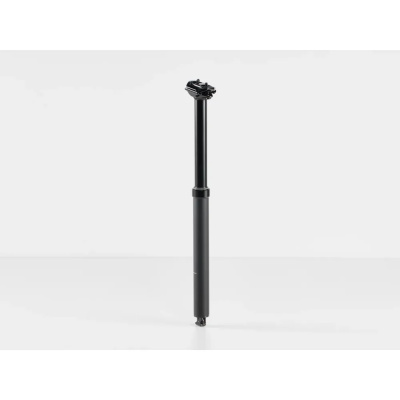
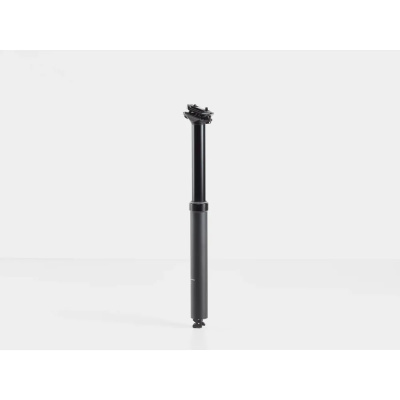
Prices and availability can change quickly. Delivery charges are not always included in listed prices.
Final price, stock status and delivery terms are set by retailer. We may receive a commission on purchases made.
Sizing, Diameters, and What Your Frame Actually Needs
Get the basics wrong and nothing else matters. Bontrager dropper posts are available in 31.6mm and 34.9mm diameters, covering the majority of modern trail and enduro frames. Before you buy, check your frame's seat tube internal diameter - not the clamp size - and confirm your minimum insertion depth against the post's stack height. Running too little insertion depth is one of the more common mistakes; it stresses the seat tube and can cause the post to flex under hard pedalling.
Critically, Bontrager droppers require frames with internal cable routing. If your frame runs external housing along the top tube or down tube, these posts won't work without adapters, and even then it's not ideal. Check your frame's spec sheet first. The cable head sits at the base of the post and routes up through the frame - clean and rattle-free when set up correctly, but only if your frame supports it.
Need the right remote to pair with your post, or replacement seals and internals to keep it running? Check out our dedicated Bontrager tools and Bontrager shock pumps pages to complete your workshop setup.
Line Elite vs Line Comp: Where the Money Goes
Bontrager's dropper range splits into two clear tiers. The Line Comp is the entry point - a solid, dependable post built from standard alloy with a sealed cartridge. It does the job without drama, and for riders who don't need maximum weight savings or adjustable travel, it's a sensible place to start. Heavier than the Elite, yes, but that weight rarely registers mid-descent.
The Line Elite is where the engineering gets more interesting. You get the MaxFlow design cartridge, which is the key differentiator: it's calibrated for faster actuation with less compression force at the lever, so the return feels snappier and the button action is lighter. The post body is 7075 aluminium alloy - stiffer and meaningfully lighter than the Comp's construction. You also get the travel reduction spacers as part of the package, letting you adjust the drop from the post's maximum down to 10mm increments without pulling the post out of the frame.
That adjustability matters more than it sounds. If you're riding tight Welsh trail centre switchbacks versus open Lakeland descents, the amount of drop you want shifts. The Elite gives you that flexibility without buying a second post. Compared to RockShox droppers at a similar price, the Elite competes well on return speed and adjustability, though RockShox has broader aftermarket support. OneUp droppers offer impressive travel-to-stack-height ratios if maximum drop in a short seat tube is your priority.
The 2-bolt rocker head on both models allows precise saddle tilt micro-adjustment - two bolts rather than one gives you independent control over nose-up or nose-down angle. Small thing, genuinely useful for dialling in position over long rides.
Keeping a Bontrager Dropper Running Through a UK Winter
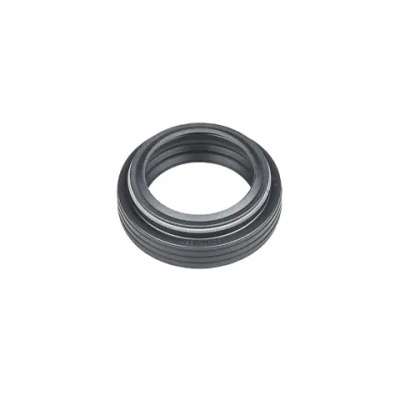
British winters are hard on dropper posts. Liquid grit - that fine, abrasive slurry that coats everything from November to March - is the main enemy. It works past the main wiper seal and starts scoring the inner stanchion, which accelerates wear and causes the post to feel notchy or sticky on the return stroke. The wiper seal is your first line of defence, and it needs attention.
After wet rides, rinse the post collar area with clean water before it dries. Then work a small amount of suspension grease - the same type you'd use on fork seals - around the base of the stanchion where it meets the wiper. Don't use chain lube here; it attracts grit rather than repelling it. Do this every few rides during winter and the seal stays supple and effective.
Internal cable routing protects the cable run from most weather, but boggy moorland riding - think South Pennine bridleways or the Forest of Ae in a wet spell - can push water into the frame over time, and standard steel cables will corrode where they're exposed at the lever and post ends. Swap to stainless steel inner cables if you haven't already. They cost marginally more and last considerably longer in damp conditions. Check the cable for fraying at the clamp point every few months; a frayed cable is the most common cause of vague or unresponsive actuation.
If the post starts returning slowly, the seat clamp is the first thing to check - an overtightened clamp binds the outer stanchion and slows or stops the return. Back it off to the manufacturer's recommended torque (usually 4 - 6Nm for most alloy clamps) before assuming the cartridge is gone. Worth pairing your setup with a quality Bontrager saddle and Bontrager grips - consistent contact points make a real difference to how confident you feel putting the post through its paces.
If you're weighing up the Bontrager range against other options, Fox droppers and PNW Components droppers are both worth comparing - different approaches to cartridge design and lever feel, each with their own trade-offs on weight and serviceability.
Bontrager Dropper Posts FAQs
How do you adjust the travel on a Bontrager Line Elite dropper post?
The Line Elite uses clip-on travel reduction spacers that fit under the main collar. You can reduce travel in increments from 10mm up to 30mm without removing the post or the saddle from the bike. It's a straightforward job - no special tools needed, just unclip, add the spacer, and re-clip.
Why is my Bontrager dropper post slow to return?
Start with the seat clamp - if it's overtightened it'll bind the stanchion and slow the return right down. Back it off to the recommended torque spec first. If that's fine, grit under the wiper seal is the likely culprit. Clean around the collar, lubricate the seal with suspension grease, and test again before assuming the cartridge needs replacing.
Are Bontrager dropper posts compatible with other levers?
Yes. Bontrager droppers use standard cable actuation - the cable head clamps at the post base and runs up to the lever. That means they'll work with most aftermarket cable-actuated dropper remotes without any adapter faff, giving you flexibility if you prefer a different lever feel or position on the bar.