
Bont Road Shoes
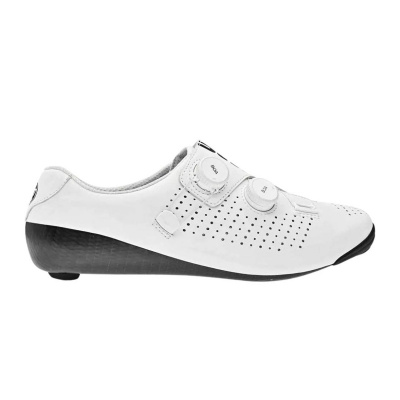
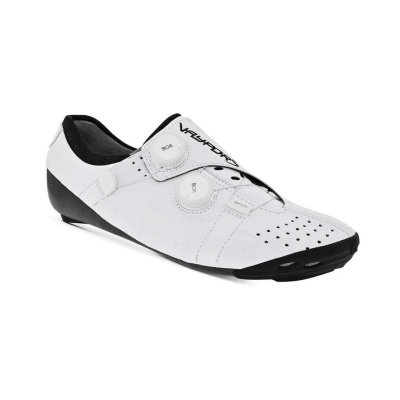
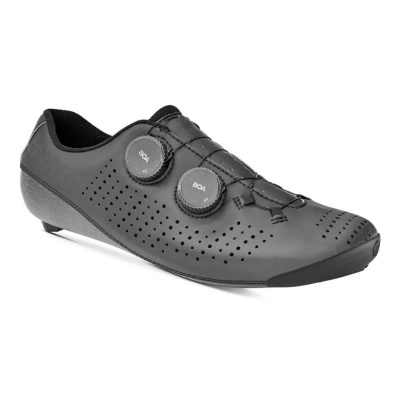
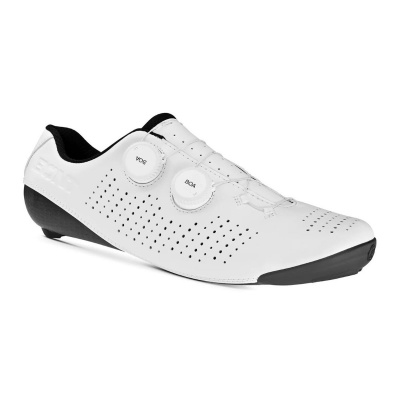
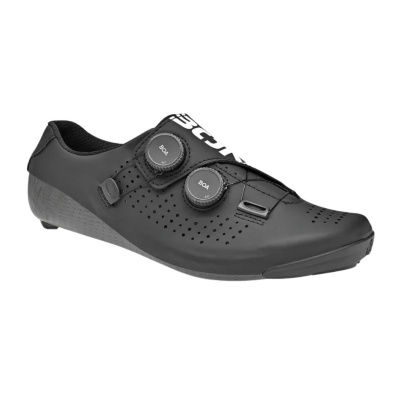
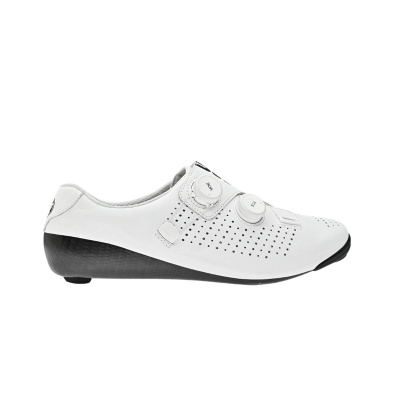
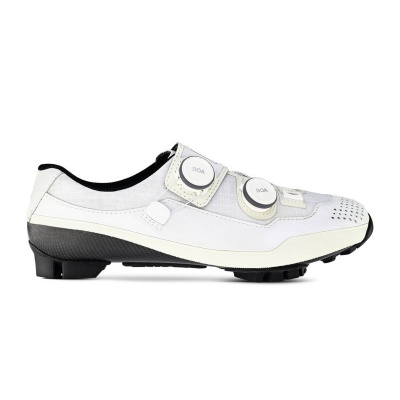
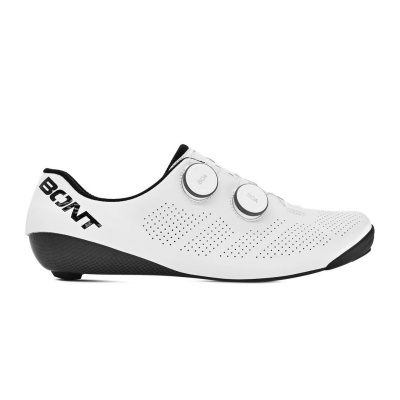
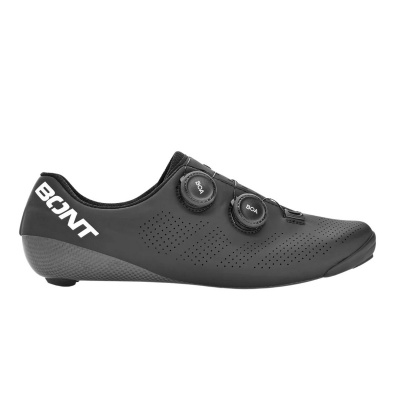
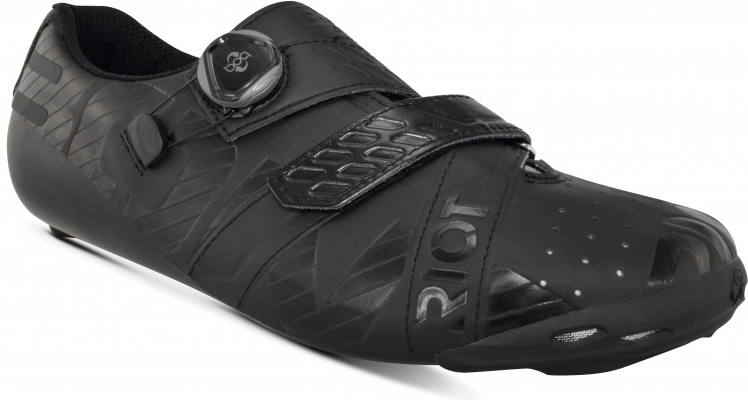
Bont road shoes take a fundamentally different approach to cycling footwear - and once you understand why, it's hard to unsee it. Where most shoes bond a flat upper to a carbon plate, Bont builds a monocoque carbon chassis that wraps up around the sides of your foot like a bathtub. That structural support isn't just clever engineering; it means every watt you push through the pedal goes where it should, with no lateral flex bleeding it away.
The other piece that sets Bont apart is the proprietary heat-moldable epoxy thermoset resin built into the carbon tub. Put them in a home oven at 70°C, slip them on with your cycling socks, and the shoe forms to your specific foot shape. No compromises, no pressure points from a mould that was never yours to begin with. Add an ultra-low 3.6mm stack height - one of the lowest in road cycling - and you've got a platform that keeps your foot genuinely close to the axle.
The anatomical forefoot shape lets your toes sit and spread naturally, which matters on longer rides when feet swell. UK riders dealing with wet roads will also appreciate the rigid carbon tub acting as a bash plate against road spray from below. These are shoes built around biomechanics first, aesthetics second.
Prices and availability can change quickly. Delivery charges are not always included in listed prices.
Final price, stock status and delivery terms are set by retailer. We may receive a commission on purchases made.
The Carbon Chassis: What the Bathtub Design Actually Does
Most carbon-soled shoes are exactly that - a sole. The upper is a separate piece, stitched or glued on top of a flat carbon plate. Bont's monocoque carbon tub wraps continuously up the sides of the foot, which changes the structural game entirely. There's no join line where flex can sneak in under load, and the whole assembly becomes stiffer for less material weight. Think of it like the difference between a cardboard box with a lid and one folded from a single sheet - one inherently holds its shape better.
That stiffness matters most when you're putting out real wattage. Under a hard sprint or a grinding Alpine-style effort, a conventional shoe can allow a subtle rocking at the forefoot - energy lost to movement that should be going into the drivetrain. The carbon tub eliminates that. Combined with the 3.6mm stack height, your foot sits lower relative to the pedal axle than with the vast majority of road shoes on the market, which translates directly to a more efficient pedalling position for most riders.
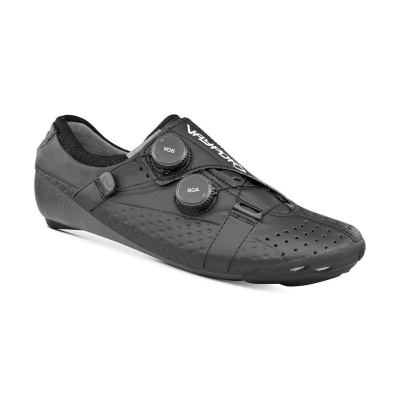
The Durolite upper material used across the Bont range is worth a mention too. It's a scuff-resistant, wipe-clean fabric that holds up well against the grit and road spray that's part of everyday riding on UK roads. After a wet February ride through the Pennines, a quick wipe-down is all it takes. That durability also means the uppers won't degrade quickly where an overshoe sits against them - useful when you're pulling neoprene covers on and off through a long British winter. The low-profile BOA dial placement on most models makes overshoe compatibility straightforward, with no awkward bulges to work around.
The Bont Range and Getting the Fit Right
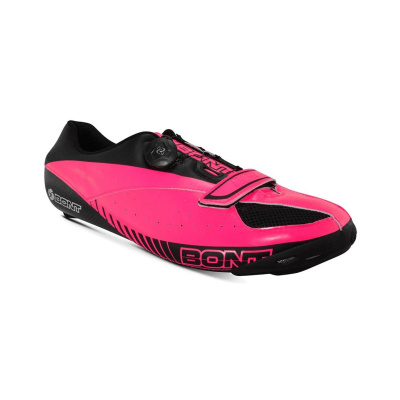
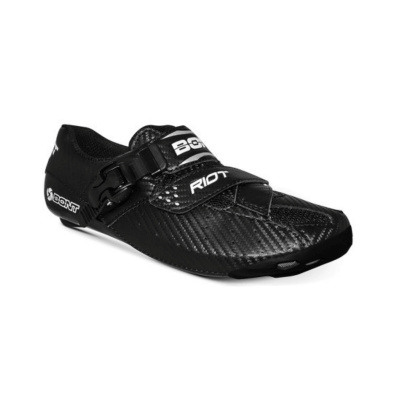
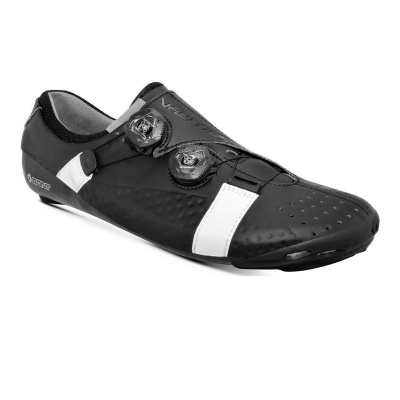
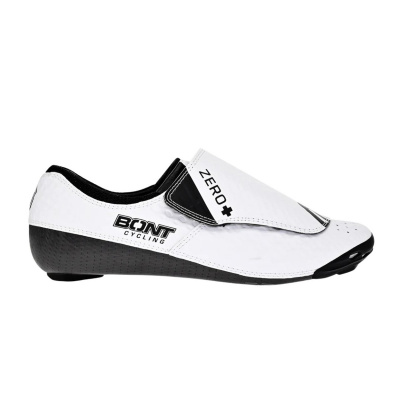
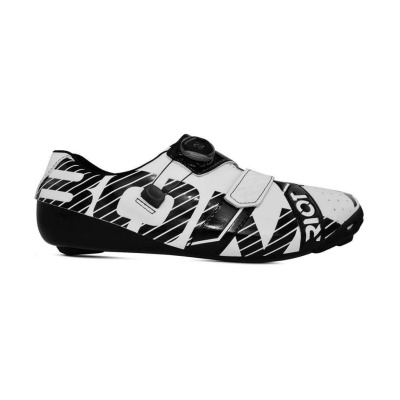
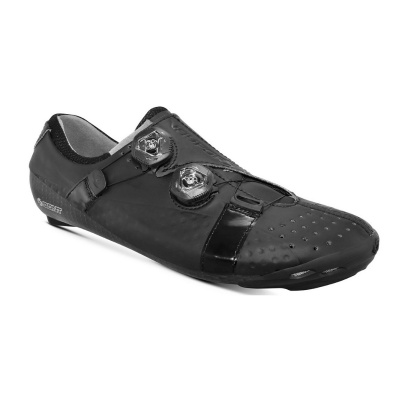
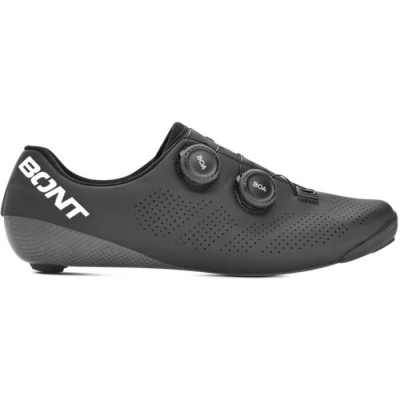
Bont's road shoe lineup runs from the Riot at the accessible end of the range through to the Vaypor S and the flagship Helix at the top. The Riot uses a slightly more forgiving construction and is the sensible starting point if you're new to the brand or working within a tighter budget. The Vaypor S steps up with a stiffer carbon layup and refined upper, and sits in the sweet zone for serious club riders and gran fondo types who want pro-level stiffness without paying for the Helix. That top-tier model uses an even more aggressive carbon construction and is the choice for racers and riders who want the absolute minimum in flex and weight.
Comparing Bont Vaypor S vs Helix comes down to how much you'll push the shoe. The Vaypor S is exceptional for most riders; the Helix is for those who'll genuinely stress-test every gram and every flex point. If you're weighing Bont against alternatives, Sidi road shoes and Lake road shoes are worth a look - Lake in particular is another brand with a strong wide-fit reputation - but neither uses the same monocoque carbon approach.
Sizing is where you have to pay attention. Bont's rigid carbon tub means your foot cannot push the sides of the shoe to compensate for a slightly off size, as it might with a flexible upper. The result is that standard EU sizing won't reliably work here. Use Bont's online sizing calculator, measuring your foot length and width in millimetres, and follow it. Wide fit road cycling shoes from Bont come in Standard, Wide, and Asian fit profiles, with the anatomical forefoot shape already giving more natural toe spread than most competitors. If you've historically found road shoes pinch across the forefoot, Bont's geometry is frequently a revelation - the toes sit flat and spread rather than being compressed inward.
For riders who've tried Shimano road shoes or Specialized road shoes and found the fit slightly narrow or the sole not quite rigid enough, Bont cycling shoes sizing and the monocoque construction often resolve both issues at once.
UK Riding, Overshoes, and Looking After Your Bonts
The carbon tub's wraparound shape does something practical that doesn't get mentioned enough: it effectively seals the underside of the shoe against spray from below. On wet UK roads - and let's be honest, that's most of them between October and April - road spray comes up from the front wheel in a constant stream. A flat carbon plate leaves gaps at the edges; the tub doesn't. Your feet stay drier for longer, which matters when you're three hours into a ride and the temperature's dropped.
Overshoe compatibility is another real-world win. The clean, low-profile upper on most Bont models means neoprene overshoes sit snugly without fighting against protruding buckles or raised closure systems. The BOA dials are recessed enough that a standard pull-on overshoe goes over without drama. Worth checking your specific overshoe against your chosen model before buying, but in general Bont plays well with the mainstream options.
Heat molding at home is straightforward, but there are a couple of things worth knowing before you open the oven door. The epoxy resin in the carbon tub is what softens and remolds - the Durolite upper doesn't need heat to shape, so don't be tempted to crank the temperature up thinking more is better. Stick to 70°C, keep them in for around 20 minutes, then put them on immediately with your normal cycling socks. Tighten the dials gently - not aggressively - and stand with slightly bent knees to let the tub conform to your arch. Give them ten minutes to cool and set before taking them off. You can repeat this process if needed, which is useful if your fit changes or you didn't quite nail it first time.
After wet rides, dry them naturally at room temperature. Direct heat from a radiator or a boot dryer set too hot can soften the resin unintentionally and alter the fit you've worked to create. Loosen the dials, pull the insole out to let air circulate, and leave them somewhere with decent airflow overnight. It's the same advice you'd follow with any carbon-soled shoe, but it matters more here given how much of the shoe's structure is tied to that resin layer.
Bont Road Shoes FAQs
How do you heat mold Bont cycling shoes?
Set a conventional oven to 70°C (160°F) and bake the shoes for around 20 minutes. Pull them out, put them on straight away with your cycling socks, and tighten the BOA dials gently. Stand with slightly bent knees for about ten minutes while the carbon tub sets to your foot shape. You can redo the process if needed - the resin is remoldable.
Are Bont road shoes good for wide feet?
They work well for wider feet. The anatomical forefoot shape lets your toes spread naturally rather than compressing them, and Bont offer Standard, Wide, and Asian fit profiles across the range. If you've found most road shoes pinch across the forefoot, Bont's geometry is often a significant improvement.
Do Bont shoes run true to size?
Not in the conventional sense. The rigid carbon tub means there's no give to compensate for a slightly wrong size, so standard EU sizing isn't reliable here. Always use Bont's online sizing calculator, measuring your foot length and width in millimetres - it's the only accurate way to find the right fit.