
Bolle Sunglasses
Bolle cycling sunglasses have long sat at the sharper end of sports optics, and the current range makes a strong case for why they're still worth your attention. The two headline lens technologies - Phantom photochromic and Volt+ high contrast - cover the two scenarios that catch most UK riders out: the sudden drop from bright tarmac into a tunnel of tree cover, and the flat, directionless light of a grey November morning where the road surface just seems to dissolve.
Frames are built from TR90 nylon, which keeps weight low without turning brittle in the cold. Thermogrip hydrophilic rubber on the temples and nose piece is the detail that matters most in practice - it grips harder as you sweat, so the glasses stay planted when you're out of the saddle on a hard climb rather than slowly migrating down your nose. Adjustable nose pieces mean the fit isn't one-size-hope-for-the-best, either.
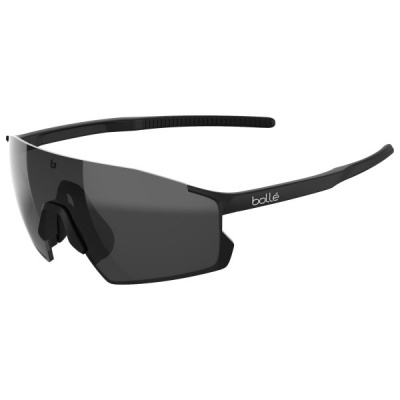
The range runs from full wrap-around shield designs built for aero road riding through to lighter, more ventilated options that suit longer days at lower pace. Whether you're chasing a club ride PB or grinding out winter base miles on wet Lancashire roads, there's a model here with the optical spec to match.
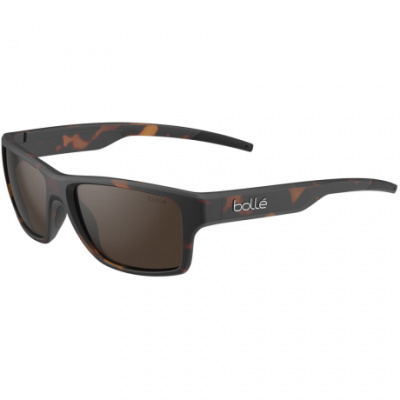
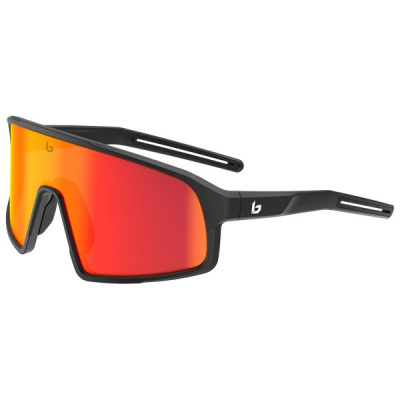
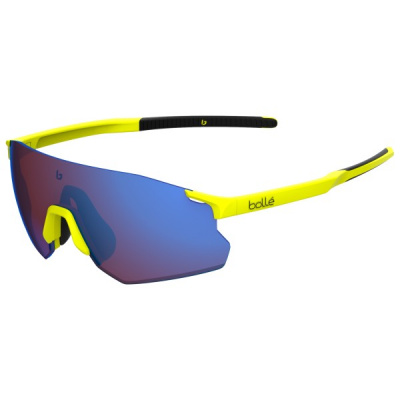
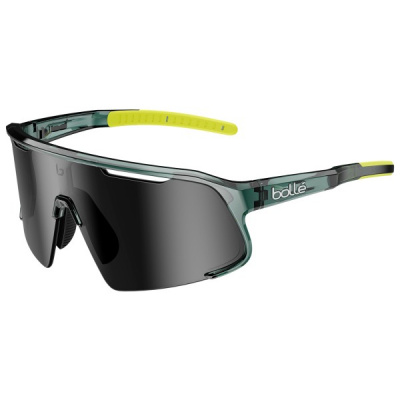
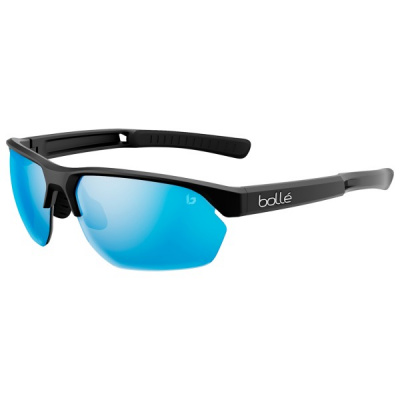
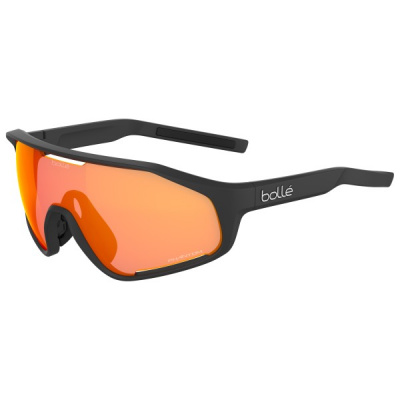
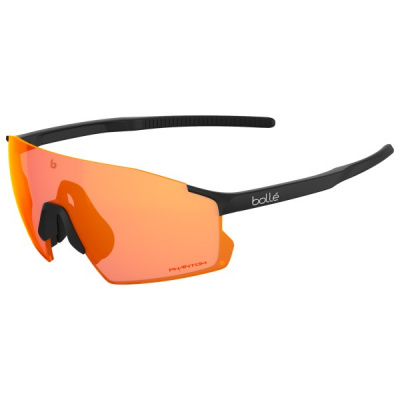
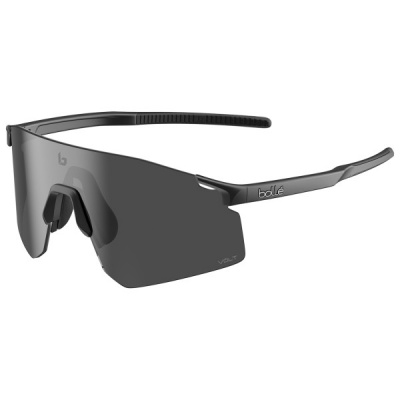
Prices and availability can change quickly. Delivery charges are not always included in listed prices.
Final price, stock status and delivery terms are set by retailer. We may receive a commission on purchases made.
Phantom vs Volt+: What the Lens Tech Actually Does
The core choice in Bolle's lens lineup comes down to whether you want the glasses to adapt for you, or whether you want them dialled in for a specific light condition. Phantom lens technology is photochromic - the lens tint shifts automatically in response to UV and visible light. What separates Bolle's version from cheaper photochromic options is LTS (Low Temperature Sensitivity), which keeps the transition speed fast even when it's cold. Standard photochromic lenses slow down noticeably below 10°C, which in UK terms means they're sluggish for a good chunk of the year. Phantom lenses stay responsive through British winters, so you're not stuck in a dark tint when you duck under a railway bridge on a January morning.
Bolle Phantom lenses also carry a hydrophobic and oleophobic coating - rain and road spray bead straight off rather than smearing across the surface. On a wet ride through the Peak District or a misted-up descent in the Brecon Beacons, that's not a marginal gain, it's the difference between seeing the road and not.
Volt+ high contrast lenses work differently. Rather than changing tint, they use an AI-developed colour profile to sharpen the distinction between surfaces - boosting depth perception so potholes, gravel patches and wet lines read more clearly. They're a fixed tint, so you pick the right one for your conditions, but on the kind of flat, overcast days where the road looks like a grey sheet, they make a genuine difference to how much information you pull from what's ahead. Think of it as turning the contrast dial up on your vision rather than changing the brightness.
The two technologies suit different riders. Phantom suits anyone whose rides take them through rapidly changing light - dappled woodland, rolling cloud cover, mixed urban and open road. Volt+ suits riders who know their conditions and want the sharpest possible image within them. Both lens types are available across the range, so the choice of technology doesn't force you into a particular frame shape.
Frame Range, Fit and Who Each Model Suits
Bolle's cycling frame range splits broadly into full-shield designs and more conventional half-frame styles, and the distinction matters more than it might look on paper.
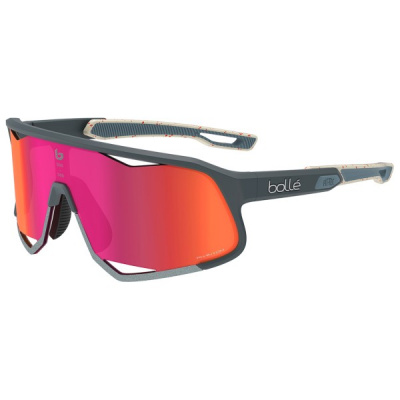
The Chronoshield and Shifter sit at the aggressive end - large wrap-around shields that maximise coverage and minimise the gap between lens and face. The wrap-around fit cuts wind noise and reduces the amount of air - and grit - that gets in from the sides. They suit riders in a pronounced forward position: road racers, time triallists, or anyone spending long hours bent over the bars. The wide field of view also makes them popular in the peloton precisely because peripheral vision isn't clipped by a thick frame edge.
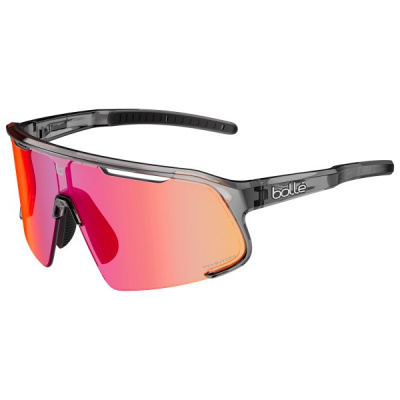
The Lightshifter takes a different approach. The reduced frame mass and more open design improves airflow across the lens, which matters on slow, humid climbs where a shield can mist up despite anti-fog treatment. It's the frame to consider if your riding involves a lot of stop-start effort, long mountain days, or if you simply find full shields claustrophobic on the face.
Across all models, the TR90 frame material keeps things light and flex-resistant without the brittleness that some nylon composites show in cold weather. The adjustable nose piece is genuinely useful - not all faces suit the same bridge height, and being able to shift the lens position a few millimetres changes both comfort and optical alignment. The Thermogrip rubber on the temples is worth flagging again here: it's a hydrophilic material, meaning it absorbs moisture slightly and creates more friction as it does. On a hard effort, that's the feature that keeps the glasses on your face rather than in your back pocket.
If you're comparing across brands, Oakley sunglasses and Koo sunglasses occupy a similar space at the performance end, while 100% sunglasses tend to appeal more to MTB and gravel riders who want maximum coverage over pure aero aesthetics. Bolle sits comfortably in the road-leaning performance bracket without being exclusively a road brand.
One thing worth knowing before you buy: Bolle offers Bolle prescription cycling glasses options on select frames through their RX insert system. If you're currently managing with contact lenses on every ride, it's worth checking whether the model you want supports it - the insert clips behind the main lens and doesn't compromise the outer optics.
Helmet Compatibility and Looking After Your Lenses
Bolle designs their cycling eyewear and helmet ranges to work together, and it shows in the details. Pairing Bolle sunglasses with Bolle helmets gives you vents and temple channels that line up properly - the glasses slot into the helmet's lower edge without blocking airflow or creating pressure points. Mismatched brands can leave the temples riding against the helmet foam, which both compromises fit and accelerates wear on the rubber. If you've got young riders to kit out, Bolle kids' helmets follow the same design logic, so the fit principles carry over.
Post-ride care is where most people undo good lens coatings without realising it. After a wet or gritty ride - a winter chain-gang, a muddy cross race, anything involving road spray - the biggest risk to the Platinum anti-fog and anti-scratch coatings isn't the ride itself, it's wiping grit across the lens surface. Rinse the glasses with lukewarm water first. Let the loose abrasive material wash away before anything touches the lens. Then pat dry with the microfibre pouch that comes with the glasses, or a clean cloth. Rubbing a gritty lens with a jersey hem is how you end up with a fine network of scratches that degrades the optics over time. It takes thirty seconds to do it properly.
Store the glasses in the case when you're not riding. The oleophobic coating that repels fingerprints and road spray is durable but not indestructible - repeated contact with kit bag contents without protection will wear it down faster than any ride condition will. Alba Optics sunglasses take a similar care-first approach with their coatings, and the same principles apply across premium lens brands.
Bolle Sunglasses FAQs
Are Bolle sunglasses good for cycling?
They're genuinely well-regarded at the performance end of the market. The wrap-around fit, Thermogrip rubber retention, and choice between Phantom photochromic and Volt+ contrast lenses give you a proper optical tool rather than just a pair of tinted glasses. Models like the Shifter and Chronoshield are used at professional peloton level, which gives you a reasonable indication of how they hold up under load.
What is the difference between Bolle Phantom and Volt lenses?
Phantom is photochromic - the tint adjusts automatically as light changes, with LTS technology keeping transitions fast even in cold UK conditions. Volt+ is a fixed high-contrast lens developed using AI to sharpen colour and depth perception. Phantom suits unpredictable, mixed-light rides; Volt+ suits riders who know their conditions and want the clearest possible image within them.
How do I clean my Bolle cycling sunglasses after a wet ride?
Rinse with lukewarm water before you touch the lens - this removes abrasive grit that would otherwise scratch the surface when you wipe. Once rinsed, use the microfibre pouch or a clean cloth to dry gently. Avoid jersey hems or paper towels. This keeps the Platinum anti-fog and oleophobic coatings in good shape for longer.