
Boardman Jackets
Boardman cycling jackets cover a lot of ground - from packable windproofs you can stuff into a back pocket before a café stop to fully waterproofed shells built to handle a proper British soaking. That breadth is the point. UK riding rarely sticks to one type of weather, and Boardman's outerwear range is designed around that reality rather than some idealised training forecast.
The headline tech is solid across the range. DWR coatings shed surface water before it can soak through, while breathable membranes let the effort out so you don't steam up mid-climb. On the commuter and road-specific models, 360-degree reflective detailing adds genuine low-light visibility rather than a token strip of tape at the hem. Dropped rear hems keep road spray off your back when you're pushing through a wet morning commute or a damp winter sportive.
What you get with Boardman is performance kit at a price that doesn't require a long internal debate. The construction is honest, the sizing is practical, and the range covers the main scenarios most UK riders actually face - wet commutes, breezy road days, and cold-but-not-quite-freezing winter miles. Have a look at what's available and find the jacket that fits your riding.
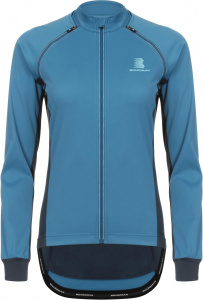
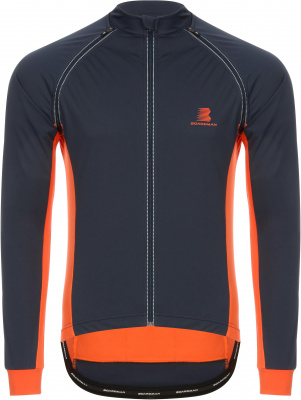
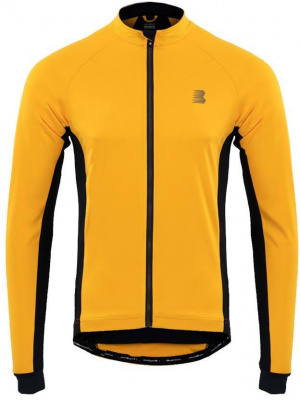
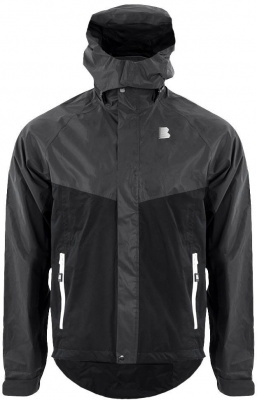
Prices and availability can change quickly. Delivery charges are not always included in listed prices.
Final price, stock status and delivery terms are set by retailer. We may receive a commission on purchases made.
Fabric Tech and Weather Performance
Not all Boardman jackets are built the same, and that's deliberate. The entry-level windproof models rely on a tight-woven face fabric and a DWR coating to deflect light showers and cut the wind chill on faster descents. They breathe well and pack small - useful when the weather's unpredictable but not yet biblical. Step up to the waterproof shells, though, and you're getting a proper breathable membrane bonded to the outer fabric, with fully taped seams on the premium models. That seam taping is the difference between a jacket that keeps you dry and one that lets water track in through the stitching after twenty minutes of steady rain.
Breathability matters more than people give it credit for. A jacket that stops rain but traps every bit of heat and moisture from your effort is miserable on anything with a climb in it. Boardman's membrane construction is designed to vent moisture vapour outward, which keeps that clammy, boil-in-the-bag feeling to a minimum when you're working hard. It's not a miracle - no jacket is - but the balance is well-judged for the kind of moderate-intensity riding most of us actually do.
The dropped tail is a small detail that earns its place every wet ride. In an upright commuter position or on the hoods, a standard hem rides up and leaves your lower back and shorts exposed to whatever the road is throwing at you. The extended rear hem sits lower when you're in the saddle, cutting off that spray path. Combined with the high-vis detailing stitched into the shoulders, chest, and arms on commuter-oriented models, you're well covered for dark winter mornings. Compared to brands like Altura or dhb, Boardman positions itself at a similar access point - functional, well-specced, and not padded with unnecessary features you'll never use.
Fit, Cut, and Choosing the Right Model
Boardman jackets generally run true to size with a fit that's relaxed enough to layer under without feeling like a sack. The commuter-focused models are cut with a bit more room across the shoulders and through the body - practical when you've got a thermal fleece lining or a midlayer underneath. Road-specific shells are noticeably trimmer, with a longer back and a closer cut across the arms to reduce fabric flutter at speed. If you're planning to wear a thick winter jersey and a base layer beneath, size up on those road-cut models. A jacket that's tight across the chest before you've even hit the first climb is going to be uncomfortable inside an hour.
The windproof end of the range tends to be the most packable - these are the jackets you stuff in a jersey pocket when the forecast looks ambiguous, or clip to your saddle bag just in case. They're not designed to handle heavy rain for extended periods, but for popping on at the top of a descent or cutting the bite out of an exposed ridge road in autumn, they do exactly what's needed. Think of them as your fast-access weather insurance rather than your primary wet-weather defence.
If you want core protection without the weight and bulk of full sleeves, it's worth looking at Boardman gilets as a complementary option - they layer well over a long-sleeve jersey and give you that wind resistance through the chest without overheating your arms on hard efforts. For sleeve-free versatility, they're a genuinely useful addition to the Boardman outerwear range.
Against something like Endura's jacket range, Boardman trades a little in terms of fabric weight and seam finishing on the top-tier models, but closes that gap significantly when you factor in the price difference. For riders who put in consistent winter miles without wanting to spend race-team money on outerwear, the trade-off reads well.
Layering Strategy and Keeping the DWR Working
A Boardman waterproof shell works hardest when it's the outer layer of a proper system rather than a standalone fix. On a cold, wet UK winter ride, the classic approach is a moisture-wicking base layer against the skin, a thermal fleece lining midlayer for warmth, and the jacket on top to block wind and water. The base layer keeps sweat moving away from your skin; the midlayer holds heat; the shell manages what's coming in from outside. Each layer has a job, and none of them does the other's work well.
On milder but damp days - the kind of grey, drizzly ride you get through most of autumn - you can often drop the midlayer and run the windproof or a lighter waterproof directly over a long-sleeve jersey. That combination breathes better and keeps you from overheating when the pace picks up. Pack the heavier jacket in your bag and you've covered both scenarios without stopping to make a decision in a layby.
Washing your jacket correctly is genuinely important and easy to get wrong. Biological detergents and fabric softeners wreck the DWR coating and can clog the pores of a breathable membrane, making the jacket less waterproof and less breathable at the same time. Use a specialist tech wash - Nikwax Tech Wash is the widely recommended option - and run it at 30 degrees. If your jacket is starting to wet out (water soaking in rather than beading), the DWR needs reactivating rather than replacing. A low-heat tumble dry, if the care label allows it, is usually enough to do it. A little maintenance goes a long way with performance outerwear.
If you're building out a full cold-weather setup, pairing a Boardman jacket with kit from the Boardman jerseys range keeps the sizing and construction logic consistent. And if you're riding a Boardman road bike or Boardman gravel bike, the brand's outerwear is proportioned with those riding positions in mind - a small but useful detail when you're spending several hours in the saddle.
Boardman Jackets FAQs
Are Boardman cycling jackets fully waterproof?
It depends on the model. Boardman produces both water-resistant windproofs, which handle light showers and dry conditions, and fully waterproof jackets with taped seams and a high waterproof rating. If you're riding in sustained rain, look specifically for models listed with taped seams and a 10,000mm or higher hydrostatic head rating.
How do Boardman cycling jackets fit?
Most Boardman jackets are true to size with a slightly relaxed cut that accommodates base layers and jerseys underneath. Road-specific models run closer to the body, so if you're layering heavily or prefer more room to move, go a size up - particularly on the trimmer winter shells.
How do I wash a waterproof cycling jacket without ruining it?
Use a specialist tech wash like Nikwax at 30 degrees, and avoid biological detergents and fabric softeners entirely - they degrade both the DWR coating and the breathable membrane. To reactivate a DWR that's stopped beading water properly, a gentle tumble dry on low heat (check your care label first) usually brings it back.